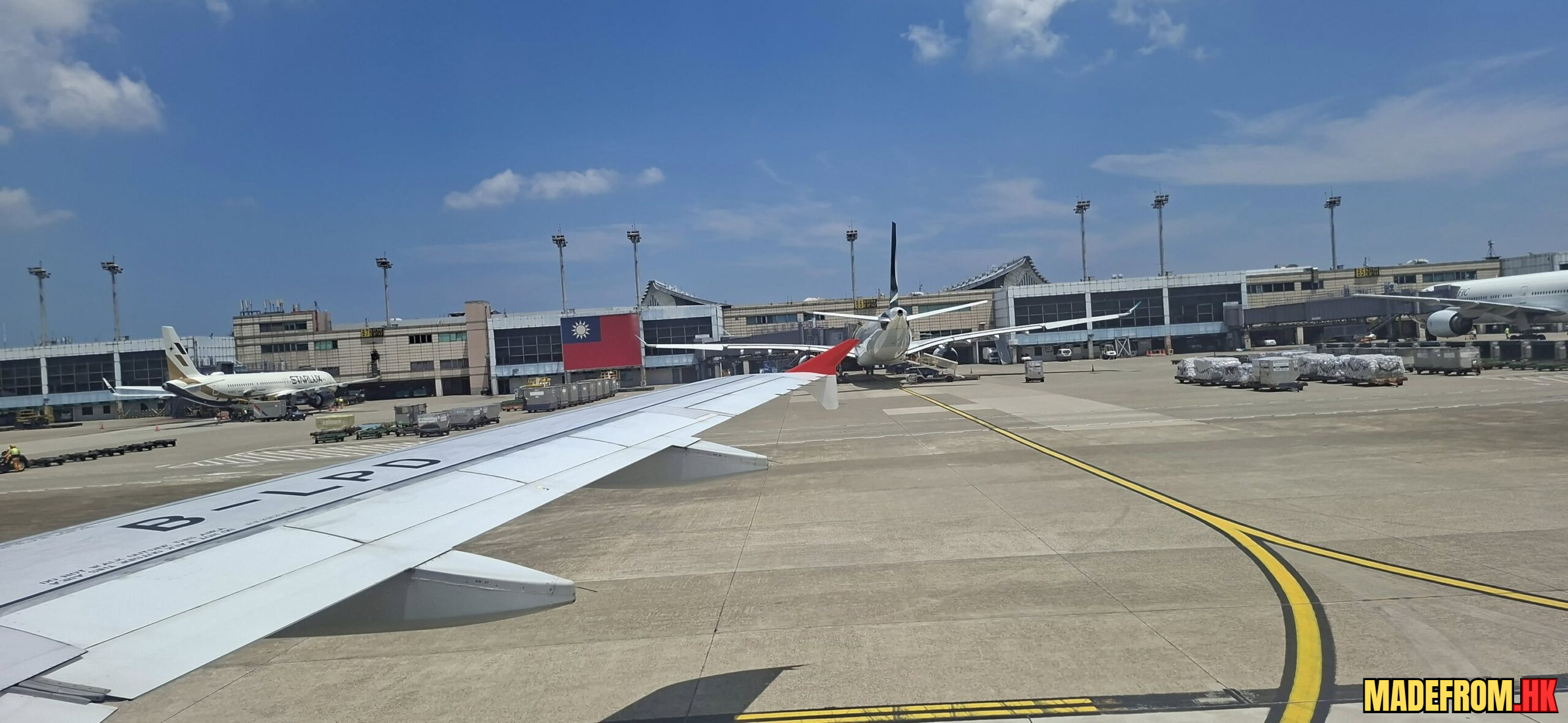
臺灣桃園國際機場,作為臺灣最重要的國際航空樞紐,不僅是旅客進出臺灣的主要門戶,更是亞洲地區航空交通的重要連接點。機場位於桃園市大園區,距離臺北市中心約40公里,交通便利,吸引了來自世界各地的旅客。
Taoyuan International Airport is Taiwan’s primary global gateway, connecting the island to international destinations while evolving through expansion and modernization to meet global travel demands.
機場設施與服務
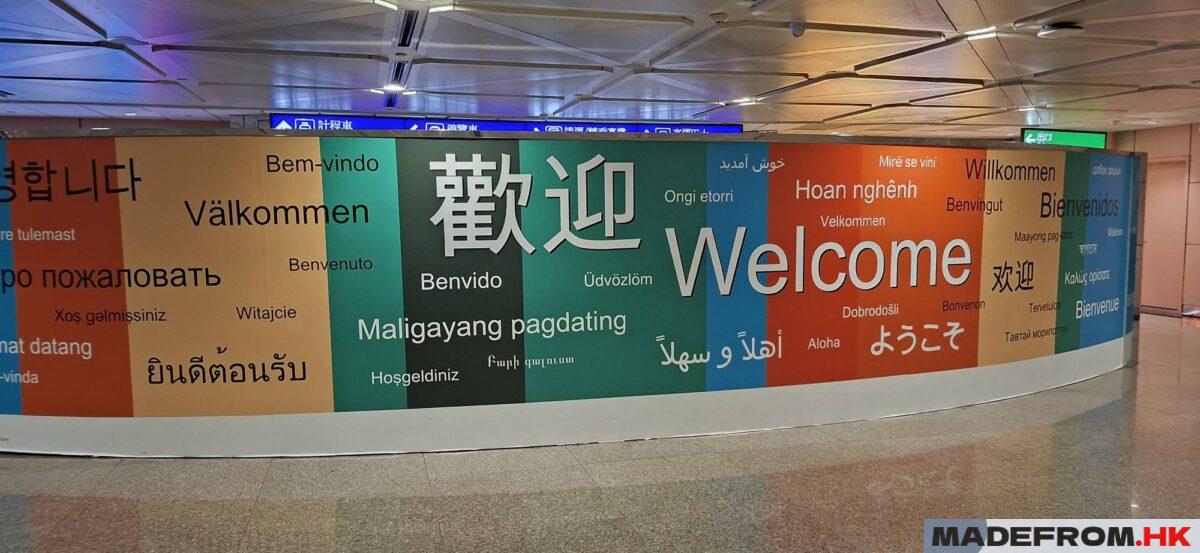
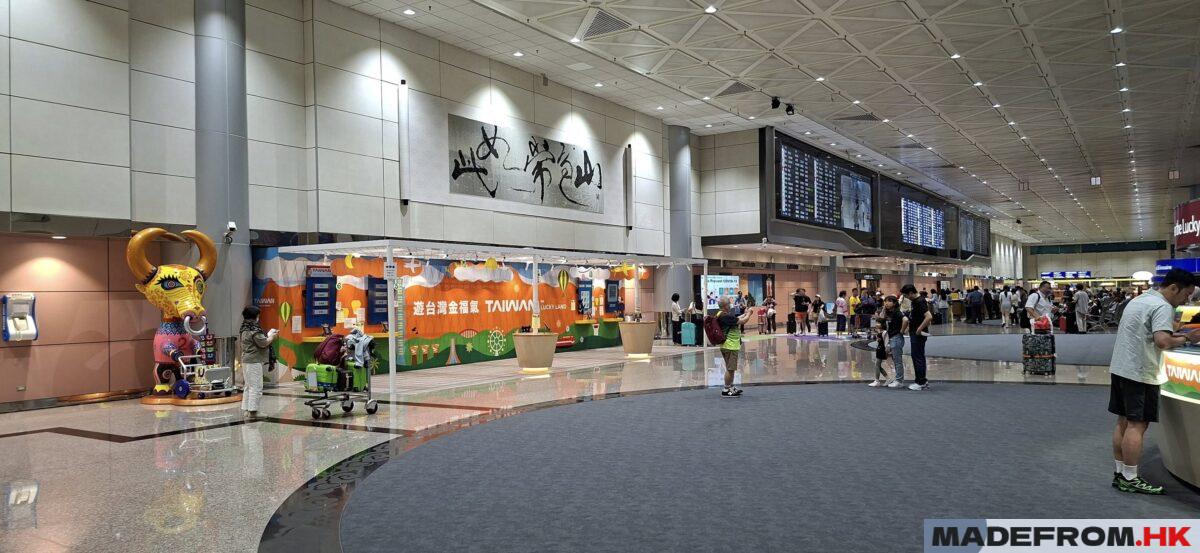
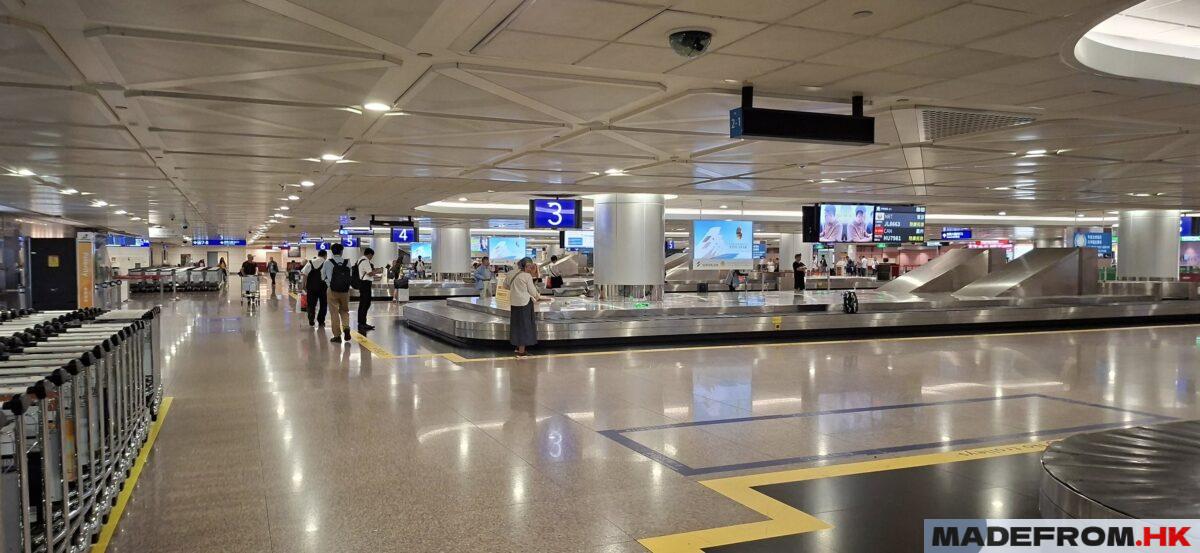
桃園國際機場擁有兩個主要航廈——第一航廈和第二航廈。每個航廈都配備了現代化的設施,包括免稅商店、高級餐廳、舒適的候機區以及完善的行李處理系統。最近,機場還致力於提升旅客體驗,例如提供免費Wi-Fi服務和多語言指示牌,方便不同國籍的旅客使用。
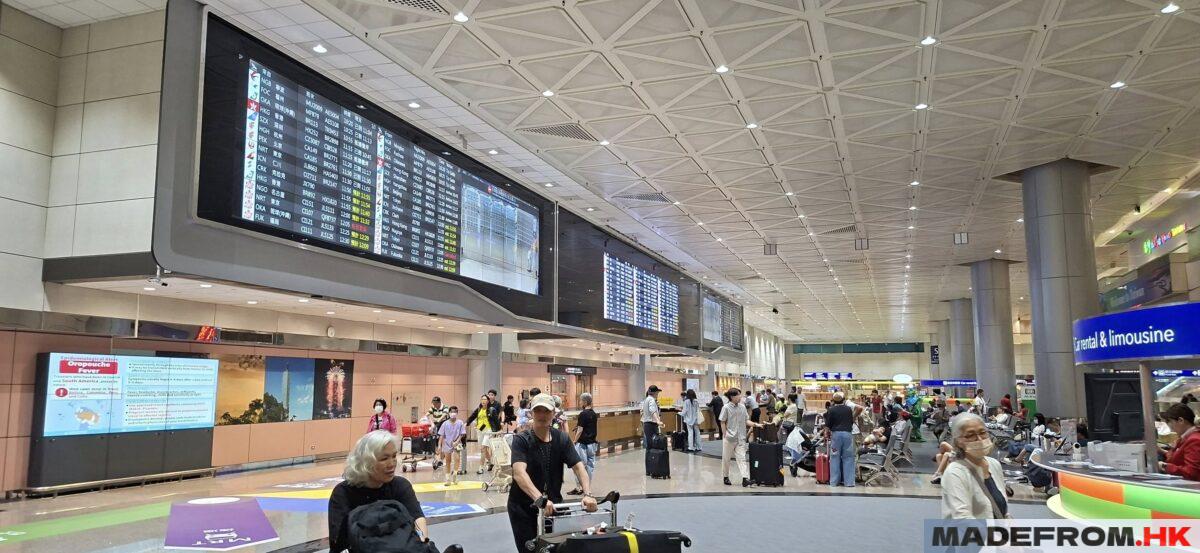
此外,機場內設有高效的交通連接系統,包括桃園捷運機場線,讓旅客可以輕鬆往返臺北市及其他地區。出租車、巴士和租車服務亦隨時可供選擇,滿足不同需求。
環保與創新
桃園國際機場近年來積極推動綠色機場理念,採用能源節約技術及環保建築設計,以減少碳排放。同時,機場也引入智慧化管理系統,例如自助登機櫃台及電子行李追蹤技術,提升運營效率。
航空樞紐地位
作為亞洲重要的航空樞紐,桃園國際機場承載了大量國際航班,連接全球主要城市。無論是商務旅行還是休閒旅遊,這裡都提供了便捷的航線選擇。機場合作的航空公司包括中華航空、長榮航空等知名品牌,保障高品質的飛行體驗。
English Version
Taoyuan International Airport serves as Taiwan’s principal gateway to the world, a place where journeys begin and end, and where the island’s global connections are most visibly realized. Located in Taoyuan City, just outside Taipei, the airport plays a central role in facilitating international travel, trade, and cultural exchange. Its significance extends beyond transportation—it represents Taiwan’s openness, accessibility, and position within the global network.
The airport officially opened in 1979 under the name Chiang Kai-shek International Airport, marking a new era in Taiwan’s aviation development. At the time, it replaced the older Songshan Airport as the primary hub for international flights, reflecting the rapid growth of air travel and the need for a more expansive facility. Over the decades, the airport has undergone multiple phases of expansion and modernization, adapting to increasing passenger volumes and evolving aviation technologies.
Architecturally, Taoyuan International Airport reflects both functionality and cultural identity. Terminal 1, with its retro-modern design, has been renovated to improve passenger flow while preserving elements of its original structure. Terminal 2 introduced a more contemporary aesthetic, incorporating spacious layouts, natural lighting, and design features that subtly reference Taiwanese culture. Plans for Terminal 3 further demonstrate the airport’s forward-looking vision, aiming to enhance capacity and efficiency while integrating sustainable design principles.
Operationally, the airport functions as a major hub in East Asia. It connects Taiwan to key destinations across Asia, Europe, North America, and beyond, supporting both passenger travel and cargo logistics. The airport’s strategic location makes it an important node in regional and global aviation networks, facilitating not only tourism but also international business and trade.
Beyond its logistical role, Taoyuan International Airport offers a curated experience that introduces visitors to Taiwanese culture. Art installations, cultural exhibitions, and themed waiting areas provide glimpses into local traditions, history, and creativity. Travelers can encounter elements such as indigenous art, calligraphy displays, and design showcases, transforming transit time into an opportunity for cultural engagement.
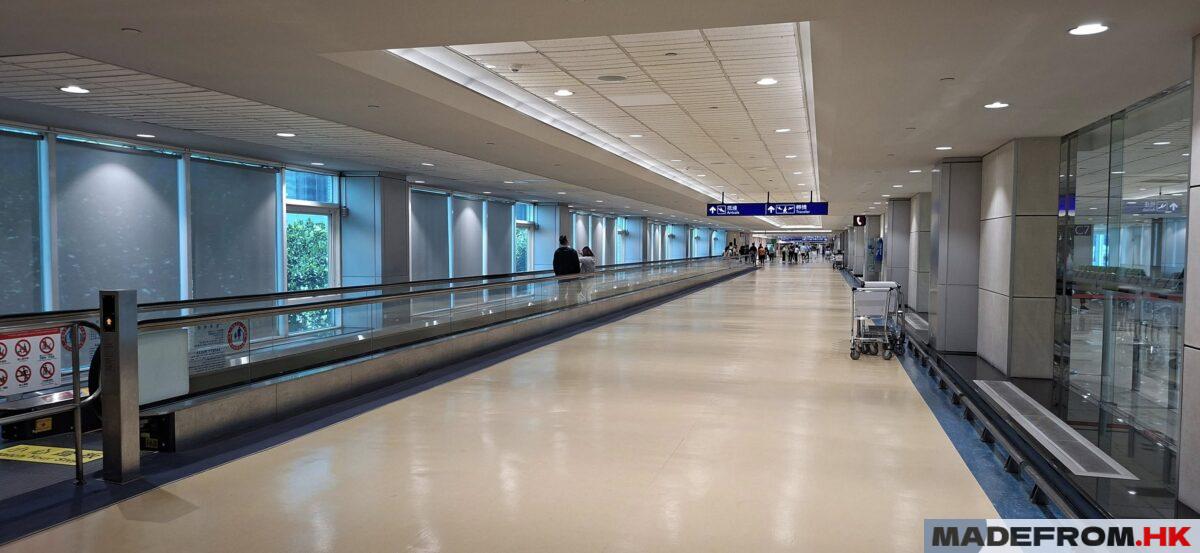
The airport is also known for its emphasis on service and efficiency. Clear signage, multilingual support, and streamlined procedures contribute to a smooth travel experience. Continuous improvements in digital systems and infrastructure reflect Taiwan’s commitment to innovation and user-centered design. These efforts ensure that the airport remains competitive among leading international hubs.
Accessibility is another key strength. High-speed rail, metro systems, and highway connections link the airport seamlessly to Taipei and other major cities, reducing travel time and enhancing convenience. This integrated transportation network allows the airport to function not as an isolated facility but as part of a broader urban and regional system.
In recent years, sustainability has become an increasingly important focus. Initiatives aimed at reducing carbon emissions, improving energy efficiency, and promoting environmentally responsible operations highlight the airport’s response to global challenges. These efforts align with broader trends in the aviation industry, positioning Taoyuan International Airport as a forward-thinking infrastructure hub.
Ultimately, Taoyuan International Airport is more than a transit point—it is a symbol of connection. It reflects Taiwan’s engagement with the world, its adaptability in the face of change, and its ambition to remain a vital player in global mobility. Whether arriving or departing, travelers encounter not just an airport, but a gateway that encapsulates the spirit of a modern, connected nation.
總結
桃園國際機場連結台灣與全球,融合現代設計與高效運作,展現國際樞紐的重要地位與持續發展的動能。
Taoyuan International Airport stands as a symbol of global connectivity, combining modern infrastructure with efficient operations to support Taiwan’s role in international travel and exchange.