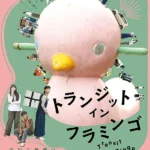

《チェイサーゲームW 水魚の交わり》是人氣日劇《チェイサーゲームW》系列的電影版續作,由太田勇執導,延續電視劇中對女性戀愛、家庭與職場現實的細膩描寫。故事將時間推進至七年後,從戀人關係逐漸轉向家庭生活,描繪愛情在歲月與日常壓力之下產生的變化與裂痕。電影在溫柔日常氣氛之中,探討長期伴侶之間的情感距離、親子關係與重新理解彼此的重要性。
Directed by 太田勇, Chaser Game W: Like Fish in Water continues the emotional story established in the television drama series Chaser Game W. Set seven years after the events of the drama, the film shifts its focus from passionate romance toward the quieter complexities of long-term partnership, family life, and emotional distance. Through a deeply human portrayal of two women navigating love, parenting, and personal change, the movie offers a mature and intimate reflection on relationships evolving over time.
電影內容
《チェイサーゲームW 水魚の交わり》的故事發生於電視劇結局七年後。樹與冬雨如今已經共同生活多年,並與成長為中學生的女兒月一起住在靜岡伊東市。曾經充滿激情與不安的戀愛,如今逐漸變成穩定卻平淡的家庭生活。每天忙於工作、家務與育兒,讓兩人相處的時間變得理所當然,也令曾經敏感而深刻的情感慢慢被日常消磨。電影最細膩的地方,在於它並不描寫戲劇化衝突,而是透過細微情緒與生活片段呈現關係中的裂痕。樹與冬雨依然愛著彼此,但彼此的話語與態度之間,開始累積難以言說的疲憊與誤解。那些看似普通的對話與沉默,逐漸形成情感距離。她們努力維持家庭平靜,卻無法真正面對內心的不安。女兒月則敏銳察覺到父母之間微妙變化。她身處青春期,同時也成為家庭氣氛的觀察者與承受者。電影透過月的視角,讓觀眾看見家庭關係中那些無法輕易表達的情緒。某天,月意外捲入麻煩之中,並被一名名叫梢的女計程車司機所幫助。這場偶然相遇成為故事轉折,也讓樹與冬雨不得不重新面對彼此真正的感情與內心壓抑已久的問題。電影中的「水魚の交わり」帶有深刻象徵意義,意指像魚與水般無法分離的關係。然而作品並沒有把愛情描繪成永遠熱烈浪漫,而是呈現長久陪伴之中的複雜現實。兩人早已成為彼此生活的一部分,但也因太過熟悉而逐漸忽略對方真正情感需求。這種描寫讓電影比一般戀愛故事更成熟,也更貼近現實人生。作品延續系列對女性情感與LGBTQ關係的細膩觀察,但重點已從「能否在一起」轉變為「如何長久相處」。電影不再只是描寫愛情的開始,而是探討愛情進入家庭與時間之後的模樣。這種視角在日本影視作品中相對少見,因此特別具有情感真實性。導演太田勇維持系列一貫自然柔和風格,大量使用安靜場景與日常細節,使角色之間情感變化更加真實。靜岡伊東市的海邊景色與寧靜街道,也替電影增添一種溫暖卻帶著淡淡寂寞的氛圍。演員菅井友香與中村ゆりか延續劇集中的默契演出,把多年伴侶之間熟悉又微妙的情感狀態表現得非常自然。《チェイサーゲームW 水魚の交わり》不只是LGBTQ愛情作品,更是一部關於家庭、時間與關係變化的人性電影。它安靜地描繪愛情如何從激情轉化為陪伴,又如何在日常之中慢慢失去溫度,再重新尋找理解彼此的方法。電影帶著淡淡哀愁與成熟溫柔,呈現成年人感情世界裡最真實也最脆弱的一面。
English Version
Chaser Game W: Like Fish in Water takes place seven years after the events of the original television drama. Itsuki and Fuyu now live together in Ito City, Shizuoka, raising their teenage daughter Tsuki while balancing work, domestic responsibilities, and the routines of everyday life. The passionate intensity that once defined their relationship has gradually transformed into something quieter and more complicated. Their love remains, yet years of familiarity and responsibility have created emotional distance neither of them fully understands. Rather than relying on dramatic confrontations, the film focuses on subtle emotional shifts within ordinary daily life. Conversations become shorter, silences linger longer, and seemingly insignificant words begin carrying emotional weight. The couple continues trying to preserve a peaceful family environment, but beneath the surface, exhaustion and emotional uncertainty quietly accumulate. The film portrays this emotional drift with remarkable realism, showing how long-term relationships can slowly change without either person realizing when the distance first appeared. Their daughter Tsuki becomes especially important within the story. As an adolescent sensitive to the emotional atmosphere around her, she notices the growing tension between her parents even when they try to hide it. Through her perspective, the audience witnesses how family relationships affect children in ways adults often fail to recognize. When Tsuki becomes involved in an unexpected incident and is helped by a taxi driver named Kozue, the encounter becomes a turning point that forces Itsuki and Fuyu to confront emotions they have avoided for years. The title “Like Fish in Water” carries symbolic meaning throughout the film. It suggests a relationship so deeply connected that separation feels impossible, yet the movie refuses to romanticize love as permanently passionate or uncomplicated. Instead, it explores how intimacy changes over time. The two women have become inseparable parts of each other’s lives, but that familiarity has also caused them to overlook one another’s emotional needs. This mature perspective gives the film emotional depth rarely explored in conventional romance stories. The movie continues the series’ thoughtful representation of LGBTQ relationships, but its focus shifts away from the excitement of romantic discovery toward the realities of sustaining love over many years. Rather than asking whether two people can be together, the story asks how they continue understanding each other after love becomes part of ordinary life. This makes the film feel especially grounded and emotionally authentic. Director Isamu Ota maintains the gentle visual style established in the television series, emphasizing quiet moments, natural performances, and emotional subtlety. The coastal atmosphere of Ito City, with its calm streets and ocean scenery, creates a reflective mood filled with warmth and quiet melancholy. Performances by 菅井友香 and 中村ゆりか beautifully capture the familiarity, affection, frustration, and vulnerability shared by long-term partners. Chaser Game W: Like Fish in Water ultimately becomes more than a romance film. It is a thoughtful exploration of family, emotional communication, time, and the quiet changes that reshape human relationships. Through its restrained storytelling and emotional honesty, the film presents a deeply human portrait of love evolving through the realities of adulthood.
影片簡介(預告片/片段)
七年後的愛情,在家庭與日常之中重新尋找彼此。
A mature relationship drama about love, family, and emotional distance over time.
電影資料
導演:太田勇
類型:劇情、愛情、LGBTQ、日本電影
製片公司:日本電視劇電影製作
上映年份:2026 /84分
主要演員
菅井友香
中村ゆりか
岡本望来
伊藤歩
黒谷友香
總結
《チェイサーゲームW 水魚の交わり》以溫柔而成熟的方式描繪長期伴侶之間的情感變化。電影不只關於愛情,更關於時間、家庭與重新理解彼此的重要性。它透過安靜日常與細膩情感,呈現成年人關係中最真實而脆弱的部分。
Chaser Game W: Like Fish in Water is a deeply human portrait of long-term love shaped by time, routine, and emotional change. Through its intimate storytelling and quiet emotional honesty, the film offers a mature reflection on relationships, family, and the ongoing effort to truly understand the people closest to us.