
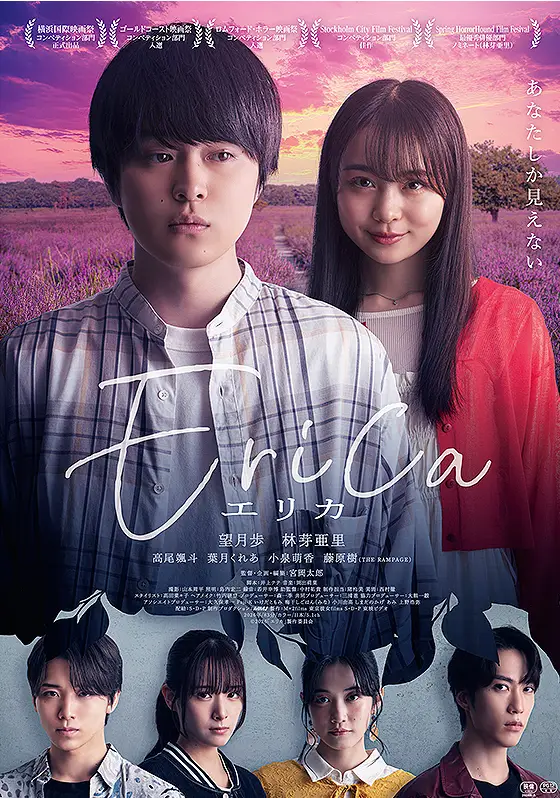
《Erica エリカ》是由宮岡太郎執導的日本心理恐怖電影,改編自導演早年獲得東京學生電影祭評審特別賞的自主電影《連鎖》,並在15年以上後重新以長篇形式自我重製。電影以「愛與執著之間的界線」作為核心主題,透過一段逐漸失控的戀愛關係,描寫孤獨、渴望與人性深處的瘋狂。作品融合戀愛、懸疑與精神恐怖元素,在溫柔氛圍中慢慢滲出不安與壓迫感。
Directed by 宮岡太郎, Erica is a Japanese psychological horror film exploring the fragile boundary between love and obsession. Developed as a self-remake of the director’s early independent film Chain, which received a Special Jury Prize at the Tokyo Student Film Festival, the movie revisits the themes that shaped his creative origins more than fifteen years later. Combining romance, suspense, and psychological terror, the film gradually transforms an intimate love story into a disturbing portrait of emotional dependency and human madness.
電影內容
《Erica エリカ》的故事圍繞23歲、從未交過女朋友的青年辰樹展開。他性格內向、缺乏自信,長期活在孤獨與平淡之中,對愛情既憧憬又感到遙不可及。某天,他在咖啡店遇見名叫Erica的美麗女子。Erica溫柔親切,對辰樹展現出異常細膩的關心,讓長期缺乏情感連結的辰樹迅速被吸引。對他而言,Erica就像突然照進灰暗生活的一道光,令他第一次感受到被需要與被愛的感覺。隨著兩人關係逐漸靠近,電影氣氛卻慢慢變得不安。Erica時常說出帶有暗示意味的話語,她的情感表現既深情又令人難以捉摸,而辰樹周圍亦開始接連發生奇怪事件。那些原本平靜的日常逐漸滲入壓迫感與異樣氣息,使觀眾與主角一樣陷入困惑與不安之中。電影最令人不寒而慄的地方,在於它並不是直接以暴力或驚嚇製造恐怖,而是透過情感本身慢慢扭曲。Erica對辰樹的愛逐漸超越正常界線,她強烈而偏執的情感開始侵蝕彼此生活。愛情在片中不再只是溫柔依靠,而變成一種控制、依附與吞噬。辰樹則因長久孤獨而無法分辨真正的愛與危險。他渴望被理解與陪伴,因此即使感受到異常,也難以真正逃離Erica。這種情感依賴讓電影比一般恐怖片更具心理壓迫感。影片同時探討現代社會中的孤獨與情感空洞。辰樹代表一種缺乏歸屬感的年輕人,他在人際關係中始終處於邊緣,因此當Erica出現時,他幾乎毫無防備地投入其中。電影透過這段關係描寫人對愛情的渴望如何可能轉變成危險執念。Erica這個角色則充滿神秘與矛盾,她既脆弱又可怕,既像理想戀人,又像無法逃離的惡夢。導演宮岡太郎以細膩節奏營造心理恐怖感,大量利用沉默、停頓與空間壓迫感,讓觀眾逐漸感受到角色精神狀態的崩潰。咖啡店、房間與夜晚街道等平凡場景,在電影中逐漸變得冰冷而不安。恐怖並不是突然出現,而是像情感般慢慢滲透進生活。主演望月歩成功演出辰樹從單純幸福逐漸走向恐懼與崩潰的心理變化,而林芽亜里則讓Erica兼具純真魅力與危險氣息,使角色充滿難以預測的壓迫感。《Erica エリカ》並不是單純驚嚇型恐怖片,而是一部關於情感依賴與愛情扭曲的人性心理劇。電影在戀愛與恐怖之間維持曖昧界線,讓觀眾逐漸意識到,有時最令人害怕的東西並不是怪物,而是人內心對愛與被愛的極端渴望。
English Version
Erica follows Tatsuki, a 23-year-old man who has never experienced a romantic relationship. Quiet, insecure, and emotionally isolated, he has spent most of his life watching intimacy from a distance while struggling with loneliness and a lack of confidence. His ordinary life changes when he meets Erica, a beautiful young woman working at a café. Erica treats him with unusual kindness and emotional attentiveness, offering the warmth and connection he has always longed for. For Tatsuki, she appears almost like a miracle — someone capable of understanding him in ways no one else ever has. As their relationship grows closer, however, subtle signs of unease begin to emerge. Erica’s words often carry strange emotional implications, and unexplained incidents begin occurring around Tatsuki. Everyday life slowly becomes filled with discomfort and tension, transforming familiar spaces into emotionally threatening environments. The film’s horror does not rely primarily on sudden shocks or graphic violence. Instead, it gradually distorts the emotional foundations of romance itself. Love becomes inseparable from control, dependency, obsession, and emotional possession. Erica’s affection grows increasingly intense and psychologically invasive, blurring the line between devotion and madness. Tatsuki, overwhelmed by years of loneliness, struggles to recognize the danger within the intimacy he desperately craves. His emotional vulnerability prevents him from escaping even when fear begins to replace comfort. This psychological dependency gives the film its unsettling emotional power. The story also reflects contemporary anxieties surrounding loneliness and emotional isolation. Tatsuki represents a generation of young people who feel disconnected from meaningful human relationships and uncertain of their own worth. Erica’s arrival fulfills an emotional emptiness he has carried for years, making him vulnerable to manipulation disguised as affection. The film suggests that the desire to be loved can become psychologically dangerous when combined with insecurity and emotional desperation. Erica herself becomes one of the movie’s most disturbing elements because she embodies both tenderness and terror simultaneously. She appears caring and emotionally sincere, yet her attachment gradually reveals something deeply unstable beneath the surface. Director Taro Miyaoka carefully builds psychological tension through silence, pacing, and atmosphere rather than conventional horror techniques. Ordinary places such as cafés, apartments, and quiet nighttime streets slowly transform into emotionally claustrophobic spaces. Fear emerges gradually, spreading through the characters’ emotional lives in the same way obsession itself quietly takes control. 望月歩 delivers a compelling performance as Tatsuki, capturing the character’s transition from emotional excitement to paranoia and collapse. 林芽亜里 gives Erica a haunting duality, balancing innocence, vulnerability, and emotional menace in a way that keeps the audience constantly uncertain of her true nature. Erica ultimately functions not simply as a horror film but as a psychological exploration of emotional dependence and distorted love. By maintaining an uneasy balance between romance and terror, the movie suggests that the most frightening things are often not supernatural monsters, but the extreme human need to love and be loved at any cost.
影片簡介(預告片/片段)
愛情逐漸化為執念與瘋狂的日本心理恐怖電影。
A psychological horror film where romance slowly transforms into obsession and madness.
電影資料
導演:宮岡太郎
類型:心理恐怖、懸疑、愛情、日本電影
製片公司:日本獨立電影製作
上映年份:2026年/83分
主要演員
望月歩
林芽亜里
高尾颯斗
葉月くれあ
小泉萌香
藤原樹
總結
《Erica エリカ》透過一段逐漸扭曲的戀愛關係,描寫孤獨與情感依賴如何演變成恐怖與瘋狂。電影以安靜壓抑的方式滲透不安,將愛情與心理恐怖巧妙融合,成為一部充滿現代感的人性驚悚作品。
Erica is a disturbing yet emotionally compelling psychological horror film that explores how loneliness and emotional dependency can transform love into obsession. Through subtle tension and deeply human fear, the movie creates a haunting portrait of intimacy turning slowly into psychological terror.