
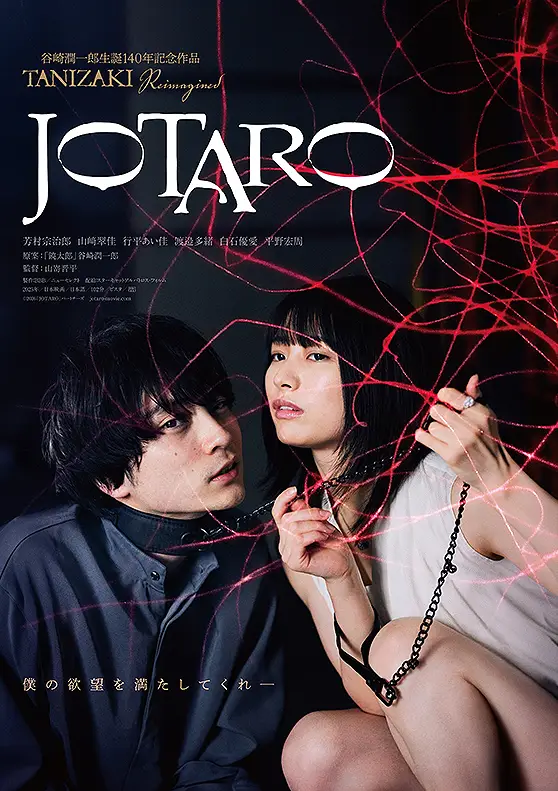
《JOTARO》是由山嵜晋平執導的日本劇情電影,以帶有沉靜氣氛的影像風格,描繪現代社會中人與人之間逐漸疏離的情感關係。電影透過主角在人生與情感中的漂泊狀態,呈現孤獨、身份認同與內心空洞感,帶有濃厚日本獨立電影氣質。作品並不依靠強烈戲劇衝突,而是透過細膩日常與角色沉默,讓觀眾慢慢感受人物內心的裂痕與渴望。
Directed by 山嵜晋平, JOTARO is a contemporary Japanese drama that quietly explores emotional isolation, identity, and fragile human relationships within modern society. Rather than relying on dramatic spectacle, the film builds its emotional power through silence, atmosphere, and subtle character interactions. With its restrained storytelling and introspective tone, the movie reflects the melancholic beauty often associated with modern Japanese independent cinema.
電影內容
《JOTARO》的故事圍繞主角承太郎展開。他是一名在都市之中漂泊生活的男子,看似平靜,卻始終無法真正融入周遭世界。電影透過他的日常生活描繪現代人被孤獨包圍的狀態:擁擠城市中的沉默通勤、與他人若即若離的交流,以及夜晚空蕩街道所帶來的壓迫感。承太郎與不同人物相遇,有些關係短暫而疏離,有些則隱約帶來情感連結,但他始終像被困在自己的內心世界之中。影片沒有傳統戲劇式高潮,而是透過生活片段逐漸累積情緒,讓觀眾感受到角色內心深處的疲憊與空虛。電影最核心的主題是「存在感」。承太郎雖然活在繁忙社會裡,卻經常像透明人般被忽視。他對未來缺乏明確方向,也無法從工作、愛情或社交中找到真正歸屬感。這種情緒不只是個人問題,更反映現代都市生活中的普遍疏離感。電影中的城市景觀非常重要。高樓、車站、霓虹燈與狹窄房間形成冷淡而壓抑的空間,使角色顯得更加孤單。導演利用長鏡頭與安靜節奏,讓觀眾沉浸於角色情感狀態之中。許多場景看似平凡,但透過停頓與沉默,逐漸透露角色內心無法言說的焦慮與失落。影片亦帶有某種曖昧感,角色之間的情感關係並不總是明確,而這種模糊性正好反映現代人在人際關係中的不確定。人們渴望靠近彼此,卻又害怕真正暴露內心。電影中的孤獨並非激烈悲劇,而是一種慢慢滲透生活的空洞感。這種描寫令作品帶有強烈現代感,也讓觀眾容易投射自身情緒。除了孤獨,電影亦探討記憶與身份認同。承太郎似乎不斷被過去某些經歷影響,他努力想重新理解自己的人生,但記憶與現實之間始終存在距離。影片中的光影與空間運用帶有詩意氣氛,夜色與城市燈光形成近乎夢境般畫面,使電影更像一段情緒流動,而非單純線性故事。《JOTARO》並不是容易觀看的娛樂電影,它節奏緩慢、情緒壓抑,卻能讓觀眾在安靜之中感受到深刻情感。電影透過一個平凡人的孤獨人生,映照當代社會裡許多人共同面對的精神狀態,也展現日本現代電影對情感細節與內心世界的獨特觀察。
English Version
JOTARO follows the emotional journey of a man drifting through modern urban life while struggling to find a sense of belonging or emotional connection. Although surrounded by the constant movement of the city, Jotaro exists in a state of quiet isolation. His days pass through repetitive routines, fleeting conversations, anonymous crowds, and lonely nights filled with emotional emptiness. The film observes his interactions with various people who briefly enter his life, some offering the possibility of intimacy while others reinforce his emotional distance from the world around him. Rather than building toward dramatic confrontations, the story unfolds through fragments of ordinary life, allowing emotional tension to accumulate gradually beneath the surface. At its core, the film explores the feeling of invisibility within contemporary society. Jotaro moves through crowded urban spaces without ever feeling truly seen or understood. Work, relationships, and daily routines fail to provide him with genuine purpose or identity. This emotional detachment reflects a broader portrait of modern loneliness, especially within large cities where people live physically close to one another while remaining emotionally disconnected. The city itself becomes a powerful presence throughout the film. Train stations, neon-lit streets, cramped apartments, and anonymous buildings create an atmosphere of emotional coldness and psychological confinement. Director Shinpei Yamasaki uses long takes, quiet pacing, and restrained dialogue to immerse the audience in the protagonist’s internal state. Silence becomes as important as spoken words, with pauses and stillness revealing emotional exhaustion more effectively than dramatic expression. The film also embraces emotional ambiguity. Relationships between characters are often undefined and uncertain, reflecting how modern people struggle to communicate vulnerability or genuine emotional need. Characters long for connection but remain afraid of exposing their true selves. The loneliness portrayed here is not explosive or tragic in a conventional sense; instead, it slowly permeates everyday life like an invisible weight. This subtle realism gives the film a contemporary emotional authenticity that resonates deeply with modern audiences. Themes of memory and identity also shape the narrative. Jotaro appears haunted by fragments of his past, attempting to understand who he has become while feeling disconnected from his own history. Visual elements such as nighttime lighting, reflective surfaces, and empty urban spaces create a dreamlike atmosphere that blurs the line between emotional reality and inner memory. The film often feels less like a traditional narrative and more like an emotional landscape unfolding over time. JOTARO is not designed as fast-paced entertainment. Its slow rhythm and emotional restraint demand patience, yet they also allow the audience to experience moments of profound emotional honesty. Through the portrait of one isolated individual, the film captures a wider condition shared by many people in contemporary society: the struggle to maintain emotional identity within a world defined by distance, noise, and emotional fragmentation. It stands as a thoughtful example of modern Japanese cinema’s ability to transform silence and ordinary life into deeply moving emotional experience.
影片簡介(預告片/片段)
都市孤獨與情感漂泊交織而成的現代人性物語。
A quiet modern drama about urban loneliness, identity, and emotional distance.
電影資料
導演:山嵜晋平
類型:劇情、文藝、人生、日本電影
製片公司:日本獨立電影製作
上映年份:2020年代
主要演員
日本獨立電影演員陣容
總結
《JOTARO》以安靜而壓抑的影像風格,描繪現代人難以言說的孤獨與疏離感。電影透過細膩生活觀察與情感留白,呈現都市生活中的精神空洞與身份迷失,是一部帶有強烈當代氣息的日本文藝作品。
JOTARO is a reflective and emotionally restrained portrait of modern isolation. Through subtle storytelling and atmospheric imagery, the film captures the quiet emotional struggles hidden beneath everyday urban life, offering a deeply human and contemporary cinematic experience.