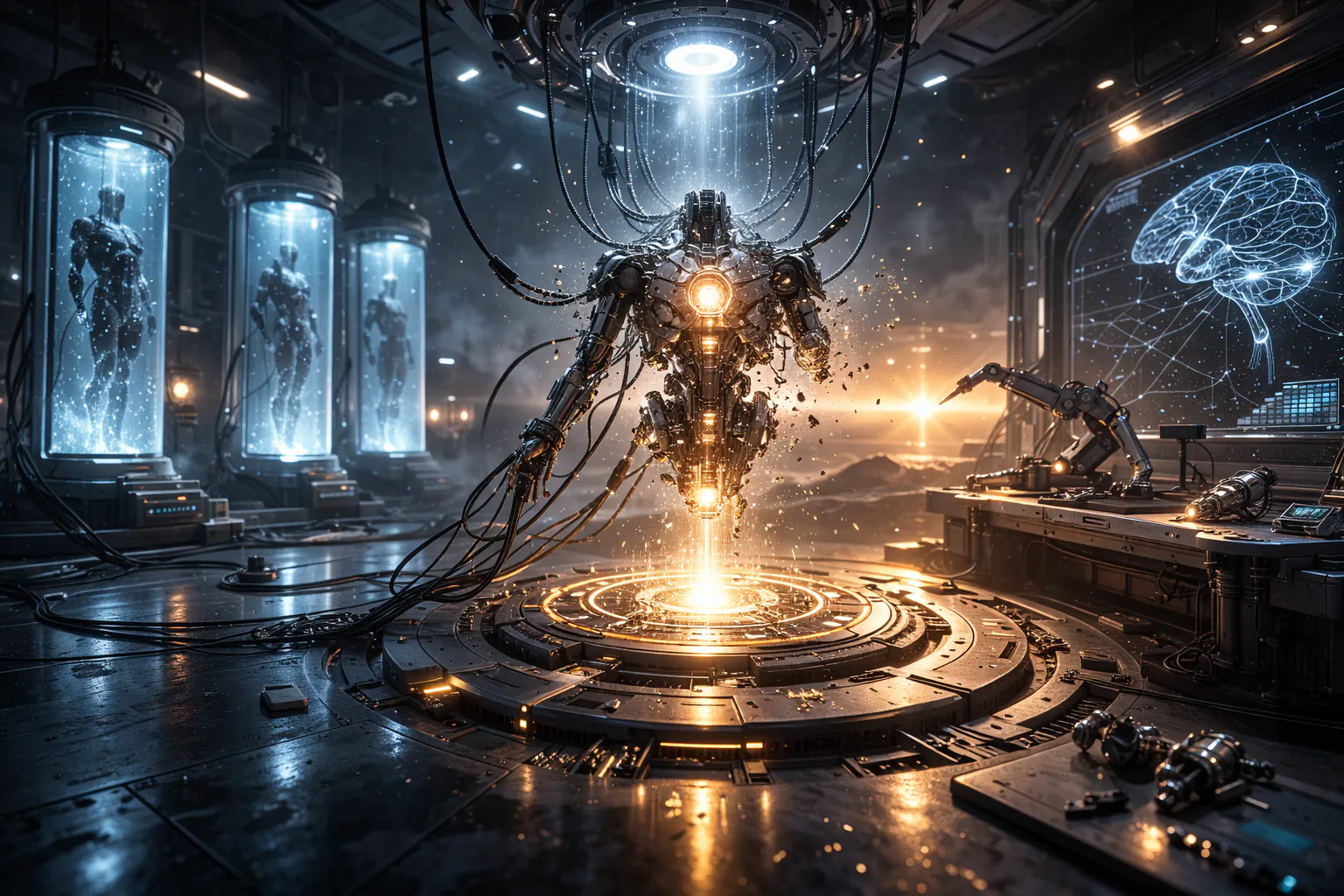
科技的進步為人類帶來了許多無法想像的可能性,從資訊傳遞的即時化到醫療技術的突破,這些發展不僅改變了我們的生活方式,也挑戰了我們對生命意義的基本認知。然而,當我們面對「永生」這一概念時,問題的複雜性卻遠遠超出我們的想像。
永生的可能性,無論是通過生物技術延長壽命,還是透過數位技術保存意識,表面上看似是人類文明的一大進步。畢竟,死亡一直是我們無法逃避的宿命,而永生則承諾了一個擺脫這一宿命的未來。一個不會衰老、不會生病、甚至不會消亡的身體,是否是一種理想的存在?然而,這樣的提議是否真能帶來幸福?抑或,它只是一種包裹在科技外衣下的空洞承諾?
首先,我們需要審視生命的意義與價值。人類的生命之所以珍貴,正是因為它有限。有限性賦予了我們行動的緊迫感,也讓我們更加珍視每一個當下。當時間變得無限,生命中許多事物的重要性可能會逐漸減弱。試想,如果我們知道自己擁有無窮無盡的時間,是否還會珍惜親密關係、努力追求目標,甚至珍視每一刻的快樂與悲傷?或許,我們會因為缺乏壓力與緊迫感,而逐漸失去對生活的熱情。
其次,永生對人際關係的影響也值得深思。人類的關係往往建立在共同經歷與共同成長之上。我們與親友一同面對挑戰,一同經歷歲月的洗禮。然而,若一方永遠不老,而其他人卻不可避免地走向終點,那麼這樣的不對等會如何改變我們之間的連結?永生者可能會選擇保持距離,以免一次又一次地經歷失去親人的痛苦。然而,這樣的選擇也可能導致孤立,甚至失去作為人類最基本的情感聯繫。
此外,永生還可能對倫理與責任感產生深遠影響。在有限的人生中,我們的選擇往往是不可逆轉的,因此行動需要承擔後果。然而,在一個可以無限重來的世界裡,錯誤和失敗似乎變得無足輕重。這種情境下,我們是否還會感到需要對自己的行為負責?當倫理不再有分量,人類社會是否仍然能夠維持其核心價值觀?
更進一步來說,永生可能挑戰的是我們對自身身份認同的基本理解。人類身份並不僅僅來自於記憶或知識的累積,而是深深嵌入於我們有限且脆弱的身體之中。我們會犯錯、會遺忘、會感到痛苦與快樂,而正是這些特質構成了我們作為人的本質。如果科技能夠移除所有這些脆弱,使我們變得「完美」,那麼我們還能稱之為「人類」嗎?還是,我們將成為某種截然不同的存在?
因此,即使科技能夠實現永生,我們也需要慎重考慮是否應該選擇這條道路。這並非出於對未知事物的恐懼,而是因為我們需要重新審視生命本身的意義。或許真正重要的並不是延長生命,而是在有限的時間裡活得更有意義、更負責任。正如哲學家所說,死亡並不是生命的對立面,而是其不可或缺的一部分。正因為生命有限,我們才會珍惜每一刻,努力讓自己的存在變得有價值。
科技固然能夠帶來前所未有的選擇,但它無法教會我們如何在沒有終點的情況下保持人性。人類文明之所以能夠延續至今,不僅僅是因為我們追求技術進步,更是因為我們在時間有限的壓力下學會了如何彼此合作、如何承擔責任、如何追求更高層次的價值。如果我們失去了這些能力,那麼即使擁有永生,我們也可能失去作為人類最核心的本質。
總而言之,永生看似是一種解放,但它也可能是一種枷鎖。它給予我們無盡的時間,但卻可能奪走了生命中的重量與意義。真正值得追求的不應該是逃離死亡,而是如何在有限的人生中找到屬於自己的價值與方向。在這個過程中,我們不僅需要科技的支持,更需要深刻反思我們作為人類所珍視的一切。只有在這樣的基礎上,我們才能確保科技進步與人性發展之間保持平衡,使未來更加美好而非空洞。
English Version
Advances in technology continue to expand the boundaries of what seems possible, from instantaneous communication to breakthroughs in medical science, and among these possibilities the idea of immortality, whether through extending biological life or transferring consciousness into mechanical bodies, stands as one of the most profound and unsettling concepts, because while the promise of a body that does not age, fall ill, or die appears at first to be a triumph over one of humanity’s oldest limitations, it also raises deeper questions about whether such a state would truly enhance human life or instead transform it into something fundamentally different, as the value of human life has always been closely tied to its finiteness, with the awareness of limited time giving urgency to our actions, meaning to our choices, and depth to our relationships, so that if time were no longer scarce the significance of many experiences might begin to fade, as the absence of an endpoint could reduce motivation, weaken emotional intensity, and alter the way individuals perceive goals, relationships, and even personal growth, and this shift would extend into human connections, which are built not only on shared experiences but also on shared timelines, where people grow together, age together, and eventually part, forming bonds that are shaped by the knowledge that time is limited, yet if one individual were to live indefinitely while others did not, this imbalance could create distance, as the immortal individual might choose to avoid deep attachments in order to escape repeated loss, leading to isolation and a gradual detachment from the very relationships that give life meaning, and beyond emotional considerations immortality would also have implications for responsibility and ethics, as in a finite life actions carry weight because they cannot be undone, encouraging accountability and reflection, whereas in a scenario where time is effectively infinite mistakes may feel less consequential, potentially weakening the sense of responsibility that underpins social structures, and this raises concerns about whether a society of individuals who do not face limits would still maintain the same moral and cultural values, and at a deeper level the concept of immortality challenges our understanding of identity itself, because human identity is not only a product of memory or accumulated knowledge but is also rooted in vulnerability, imperfection, and the physical experience of being in a fragile body that can feel pain, joy, and limitation, and if technology were to remove these aspects, creating a form of existence that is stable, durable, and potentially “perfect,” it is uncertain whether such an existence would still be human in any meaningful sense or whether it would represent an entirely new form of being, and this uncertainty suggests that the question is not simply whether immortality can be achieved but whether it should be desired, as technological capability does not automatically align with human fulfillment, and perhaps what gives life its meaning is not the ability to extend it indefinitely but the necessity to live within its limits, making choices, forming connections, and finding purpose within a finite span of time, and while technology may continue to offer new possibilities, it cannot determine what kind of life is worth living, leaving that decision to human values and reflection, and in this sense immortality may appear as a form of liberation from death, yet it could also become a form of constraint, removing the very conditions that make life meaningful, reminding us that the goal of human existence may not be to escape death entirely but to live meaningfully within the time that we have, preserving the qualities that define us rather than replacing them in the pursuit of permanence.