
大阪千日前夜街:霓虹燈下的難波街道與城市夜生活觀察 | Sennichimae at Night: Neon Streets and Urban Nightlife in Namba, Osaka
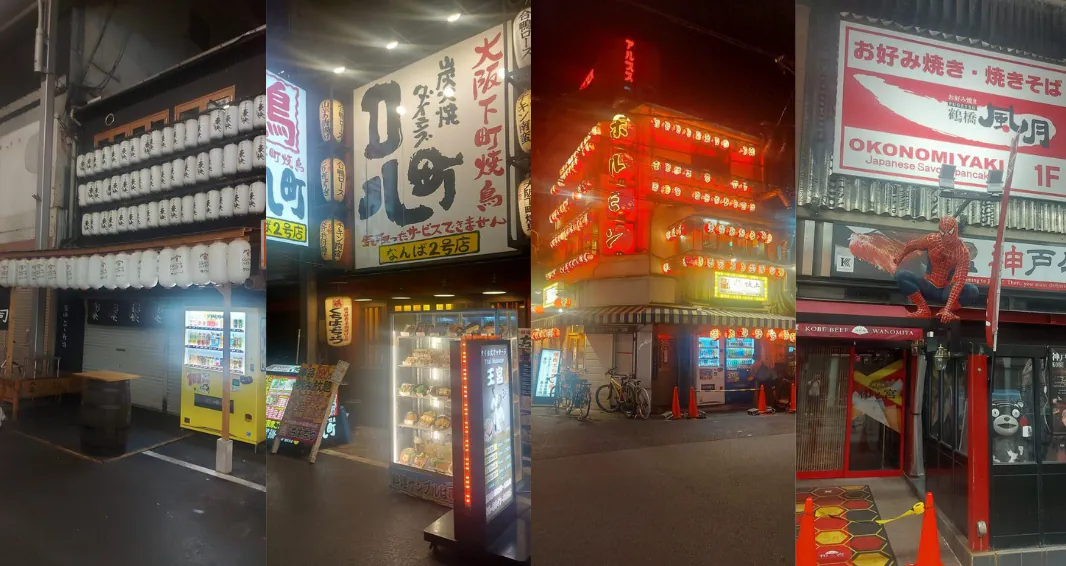
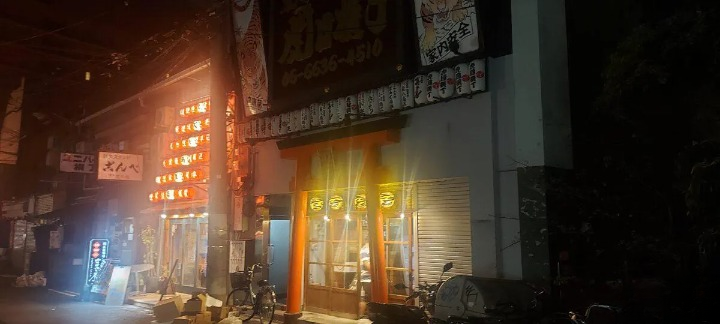
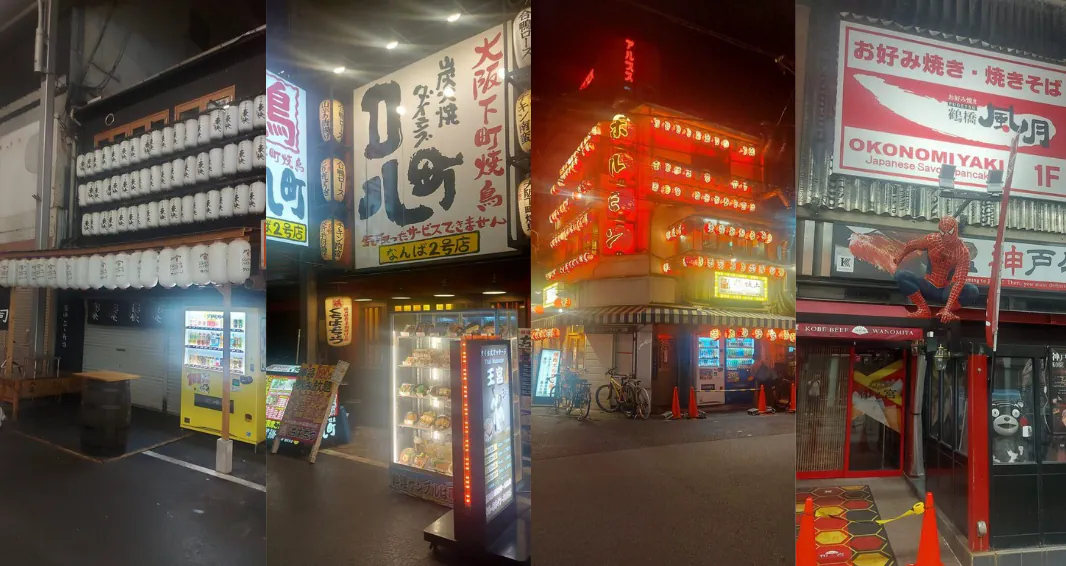
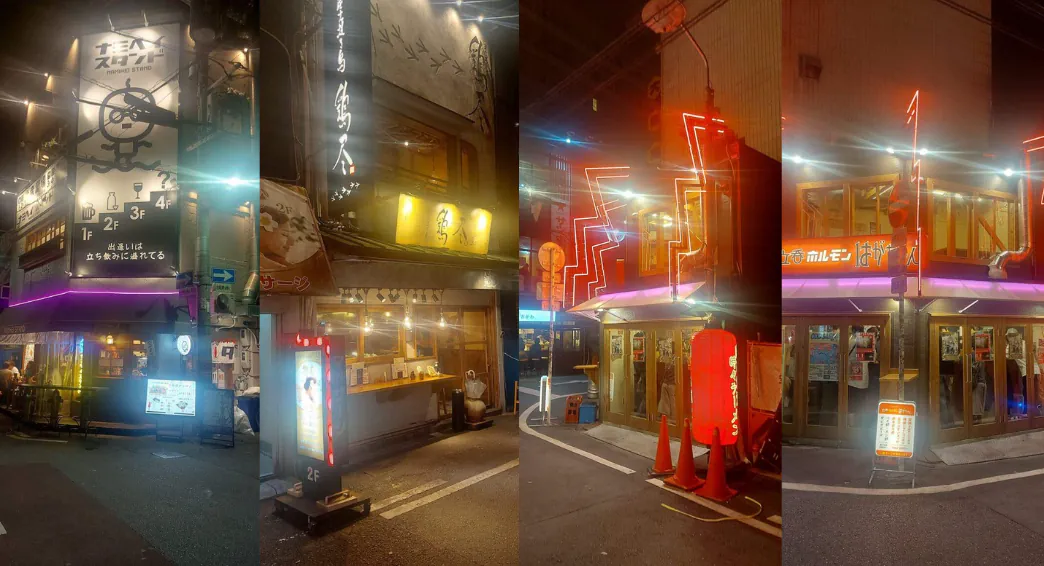
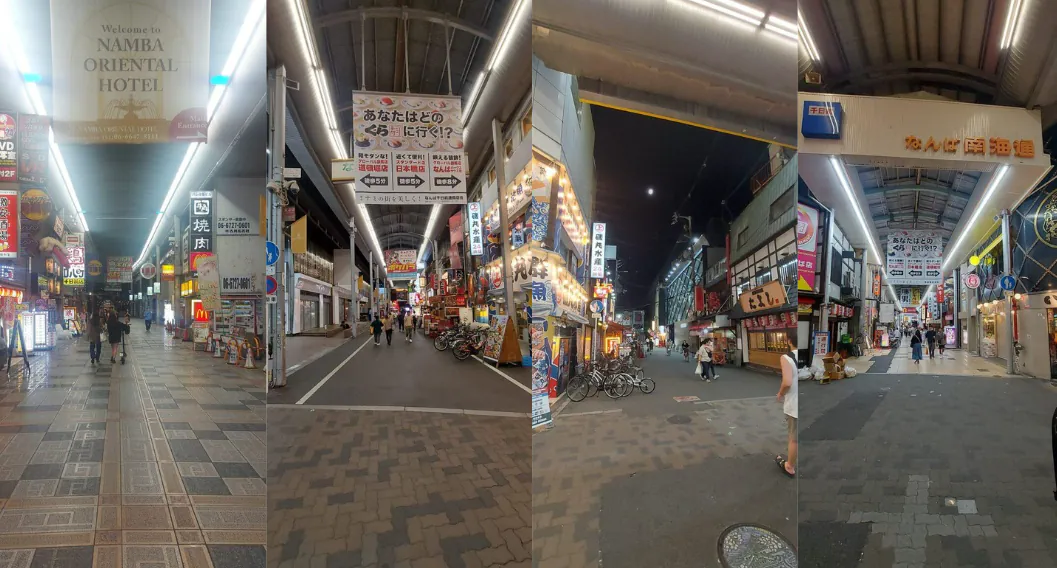
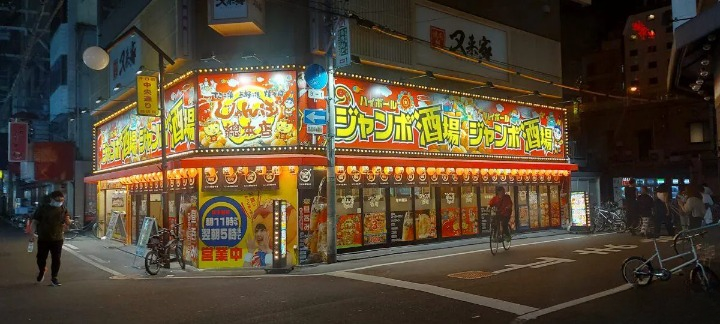
大阪難波一帶是關西最熱鬧的夜生活區域之一,其中千日前與周邊街道聚集了大量居酒屋、燒肉店與小餐館。當夜幕降臨,街道上的招牌燈與紙燈籠逐漸亮起,整個城市被橙紅色霓虹與暖色燈光包圍。這些餐館與街道不只是飲食場所,更構成大阪夜晚獨特的城市景觀。行人穿梭在小巷與商店之間,餐廳門口的燈籠、招牌與展示櫥窗讓街道充滿生活氣息。從商店街到街角餐館,千日前呈現出大阪最典型的夜間城市風貌。
At night in Sennichimae, neon lights and crowds shape the rhythm of the city. Unlike designed environments, this space flows naturally, revealing a raw and authentic side of Osaka’s nightlife.
中文版本
夜晚的城市,從來不是單一的。
有些夜,是被設計出來的。
有些夜,是自然形成的。
千日前屬於後者。
當你走進這一帶,第一個感覺不是安靜,而是密集。光線、聲音、人流,同時出現,沒有明確的開始,也沒有固定的方向。
這裡不是讓你慢慢進入。
而是直接包圍你。
霓虹燈是最明顯的存在。
紅、藍、白、黃,各種顏色交錯在建築立面之上。招牌大小不一,高低錯落,沒有統一的排列方式,但正因為這種不規則,才形成一種強烈的視覺節奏。
光,不只是照明。
而是一種訊號。
每一個招牌都在說話,吸引注意,爭奪視線。你走在街上,很難只專注於一個方向,因為所有東西都在同時發生。
人流也是如此。
沒有固定路線,沒有明確分流。人們從不同方向出現、交錯、停留、離開。這種流動,看似混亂,卻維持著一種微妙的平衡。
你會開始配合這種節奏。
步伐變得不規則,視線不斷轉換,注意力被不同的事物拉走。這不是一條可以直線通過的街道,而是一個需要不斷調整的空間。
聲音在這裡沒有被壓低。
對話、音樂、叫賣聲,全部同時存在。與白天相比,夜晚的聲音更立體,也更貼近人。
這種密度,讓時間變得模糊。
你不會特別注意經過了多久,只會感覺自己一直在其中移動。沒有明確的節點,也沒有清楚的開始與結束。
當你走出千日前,進入較安靜的街道,對比會非常明顯。
光線減少,聲音下降,人流變得單純。
這時候你才會意識到——
剛才那一段,不只是夜景。
而是一種城市的運作方式。
千日前的夜,不是為了展示。
而是為了生活。
English Version
A city at night is never just one thing.
Some nights are designed.
Others emerge naturally.
Sennichimae belongs to the latter.
As you enter the area, the first impression is not calmness, but density. Light, sound, and movement appear all at once, without a clear beginning or direction.
You are not eased into it.
You are immersed immediately.
Neon lights dominate the scene.
Red, blue, white, yellow — colors overlap across building facades. Signs vary in size and placement, creating a visual rhythm that feels unstructured yet cohesive.
Light here is not just illumination.
It is communication.
Each sign competes for attention, pulling your gaze in multiple directions. It becomes difficult to focus on a single path, because everything is happening simultaneously.
Movement follows the same pattern.
There are no fixed routes, no strict separation. People intersect, pause, change direction, and continue. What seems chaotic maintains an underlying balance.
You begin to adapt.
Your pace shifts, your attention moves constantly, and your path becomes flexible. This is not a street you simply pass through — it is one you navigate continuously.
Sound remains unfiltered.
Conversations, music, calls from shops — all coexist. Compared to daytime, the night feels more immediate, more human.
This density alters your sense of time.
You stop tracking it.
You simply remain within the flow.
When you leave Sennichimae and enter a quieter street, the contrast is clear.
Light fades. Sound softens. Movement becomes simpler.
Only then do you realize —
What you experienced was not just a night scene.
It was a way a city lives.
Sennichimae at night is not designed to be seen.
It exists to be lived.