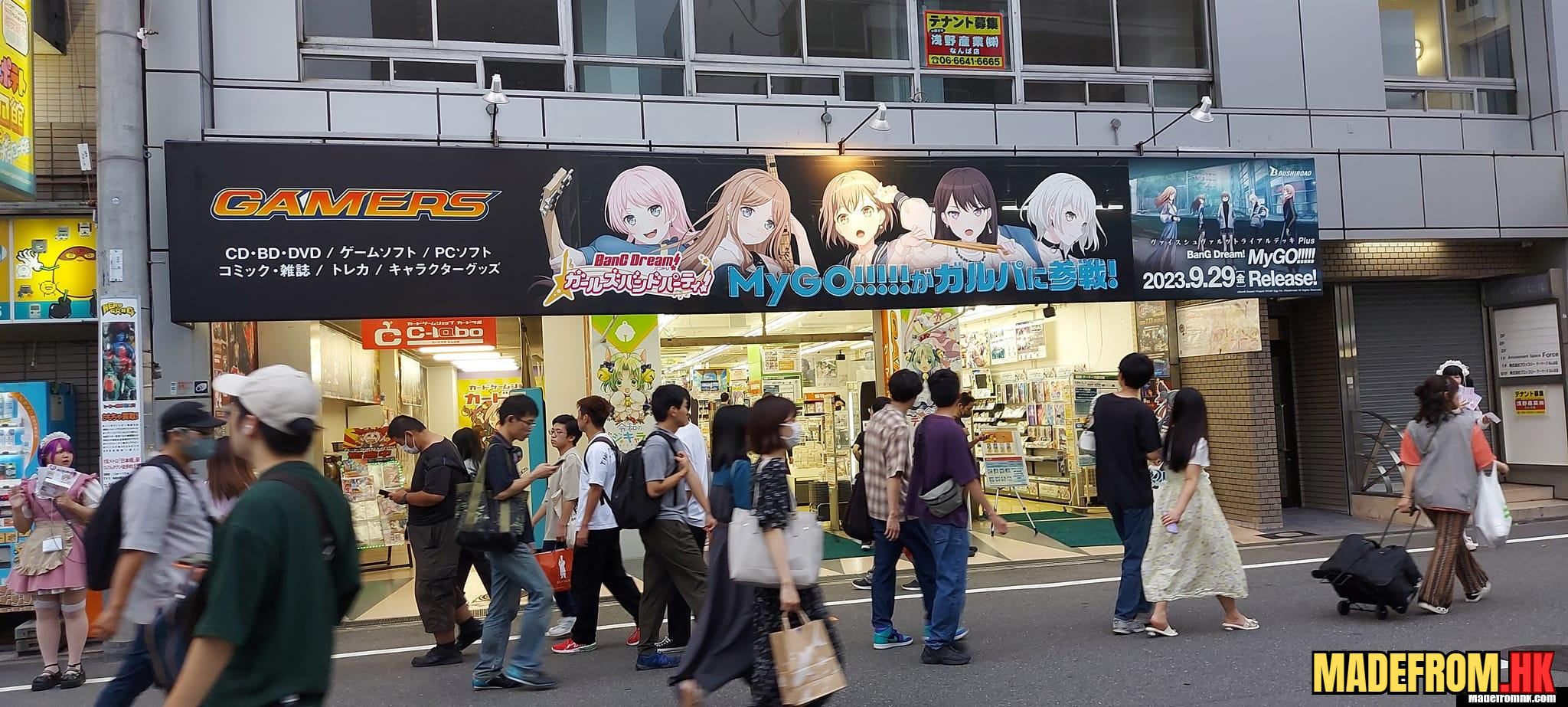
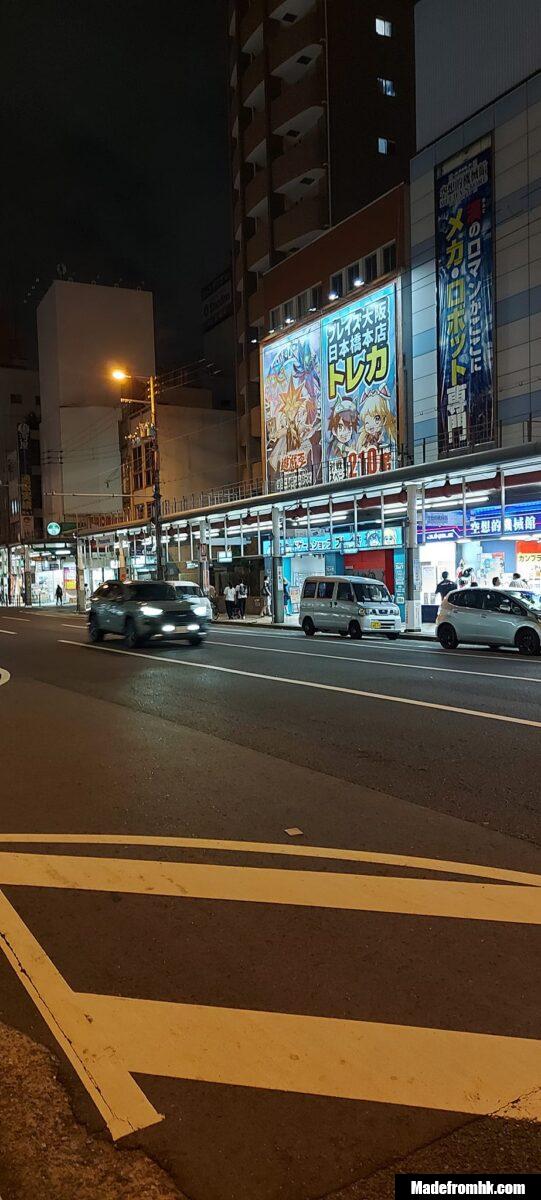
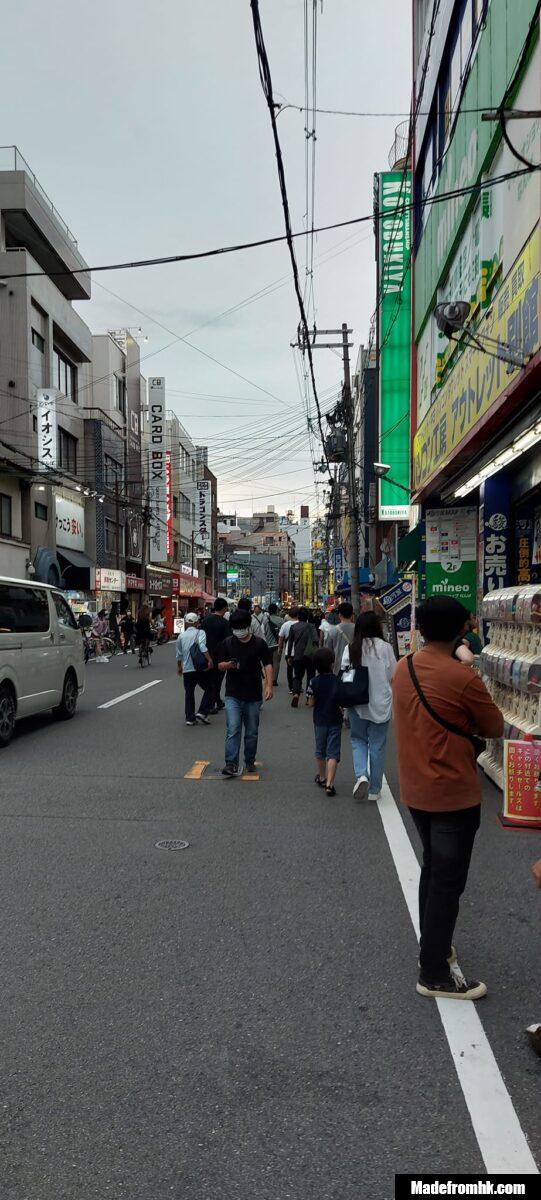
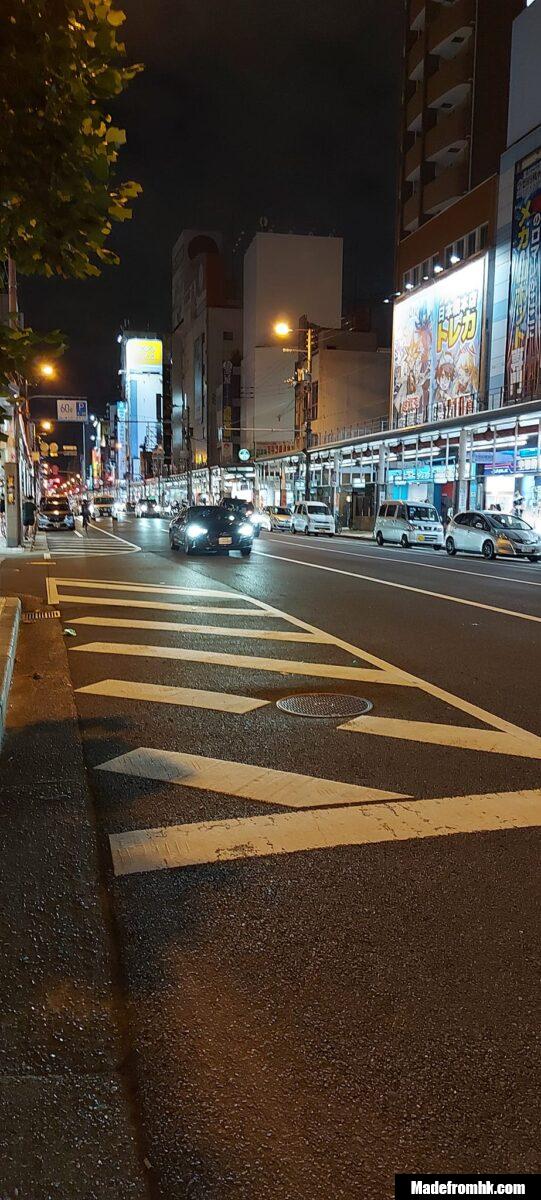
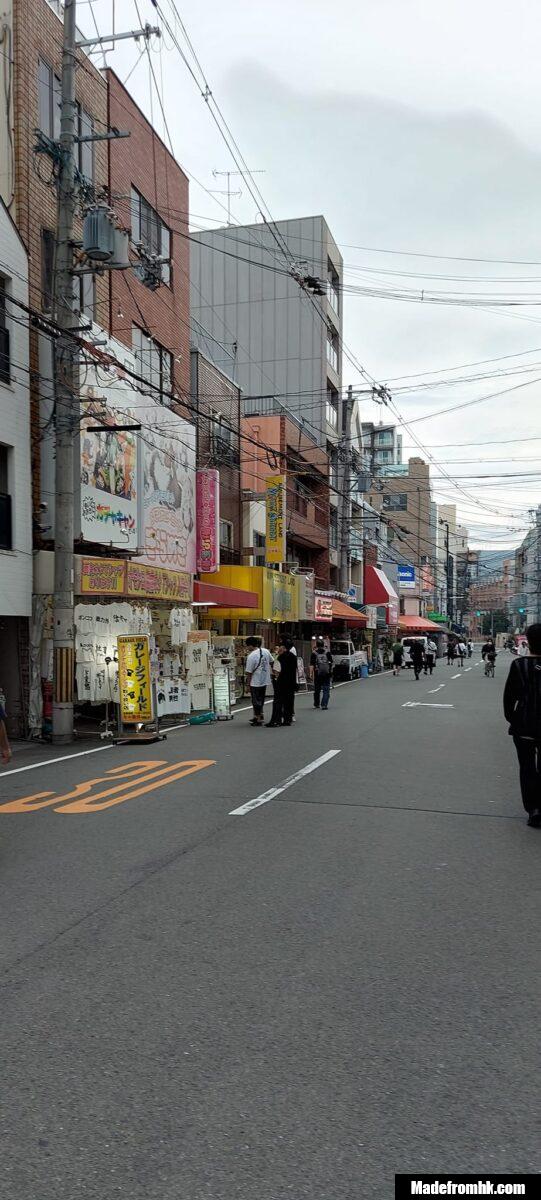
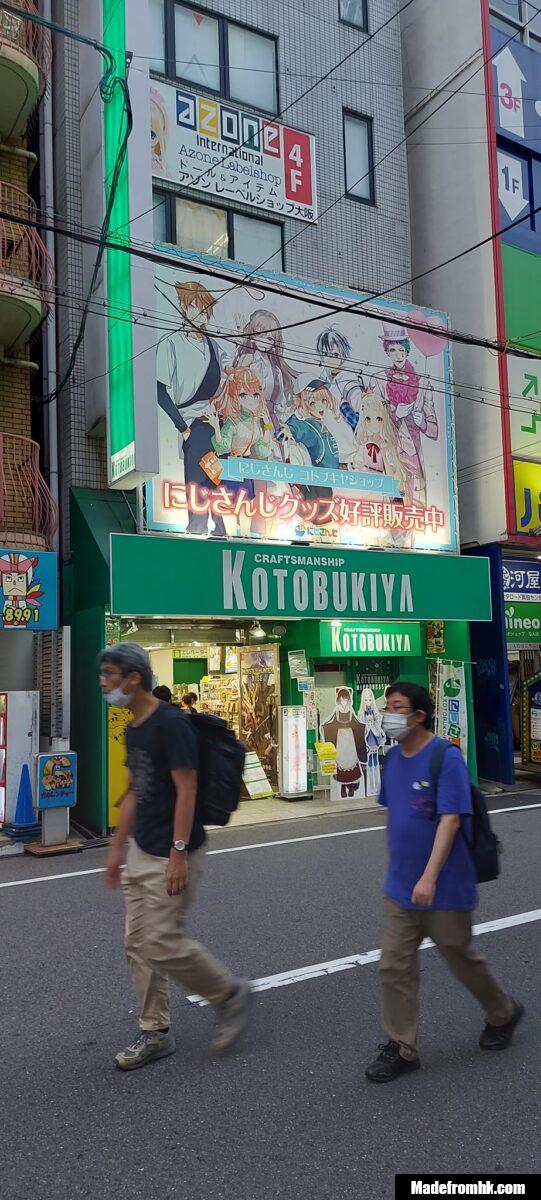
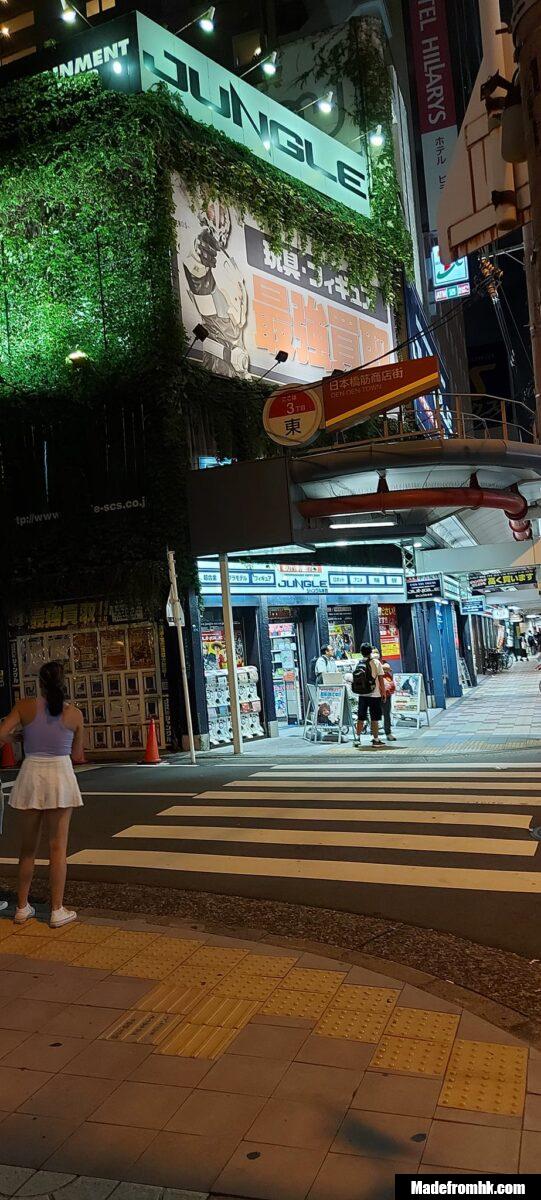
在 日本橋電器街,空間不只是購物場所,而是一種聚集次文化與商業的城市區域。電子產品、動漫文化與街道結構交錯,形成一種獨特的探索體驗。
In Den Den Town, space functions beyond shopping. It brings together electronics, otaku culture, and layered commercial structures, creating a distinctive environment for exploration.
中文版本
城市之中,有些地方是用來通過的。
有些地方,是用來停下來的。
日本橋電器街,屬於後者。
當你走進這一帶,節奏會自然改變。這裡不像主要街道那樣強調流動,也不像夜生活區那樣充滿聲音,而是一種更專注的空間。
你會開始慢下來。
因為注意力被拉進細節之中。
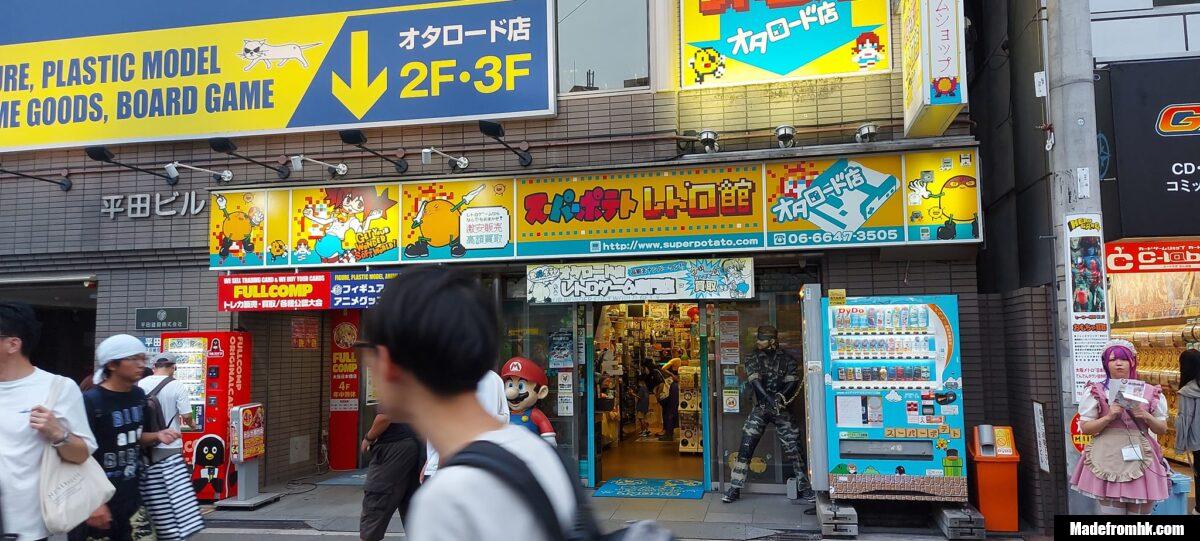
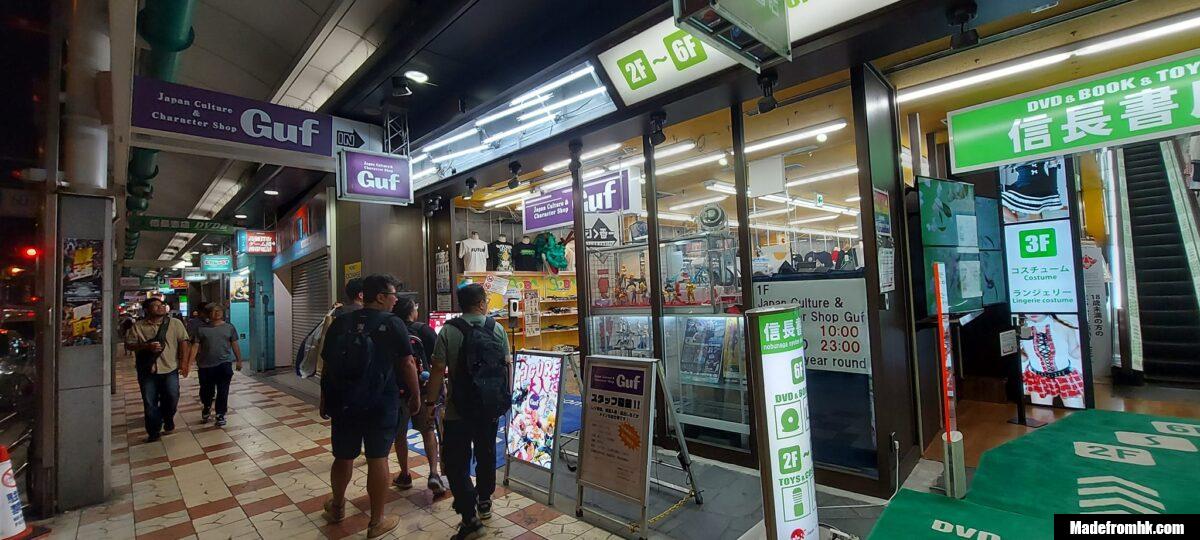
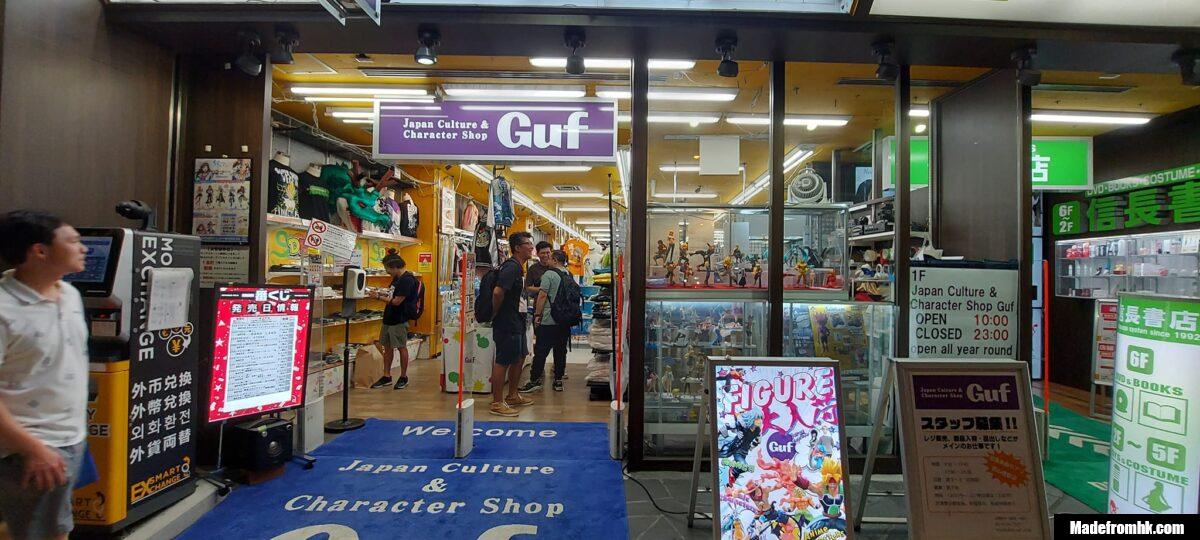
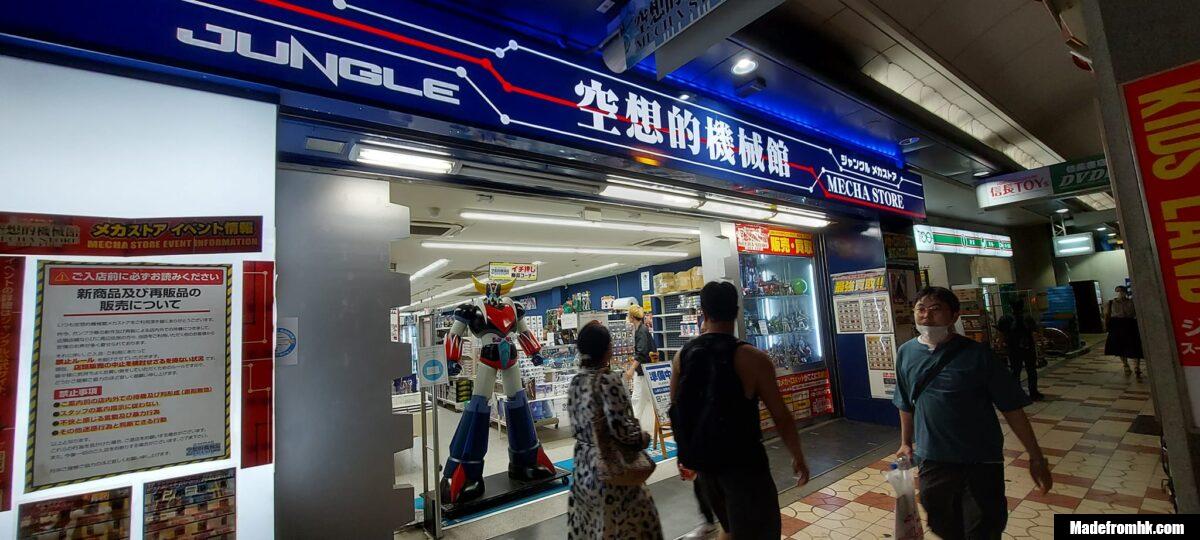
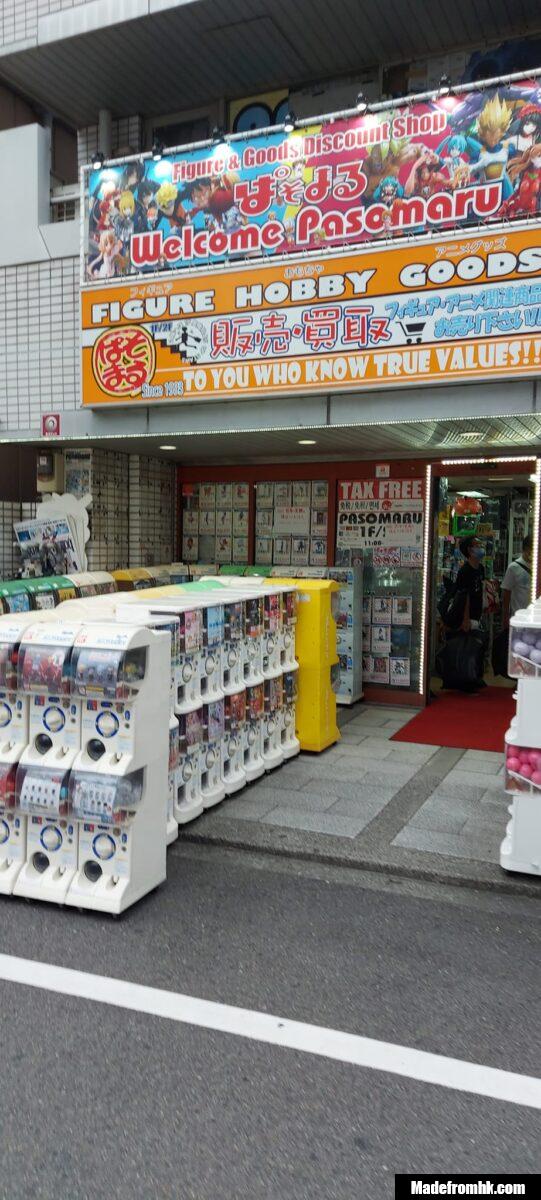
店舖排列緊密,但真正的空間不只在街道上,而是在「內部」。樓上、地下、狹窄的入口,都在延伸這個區域的深度。
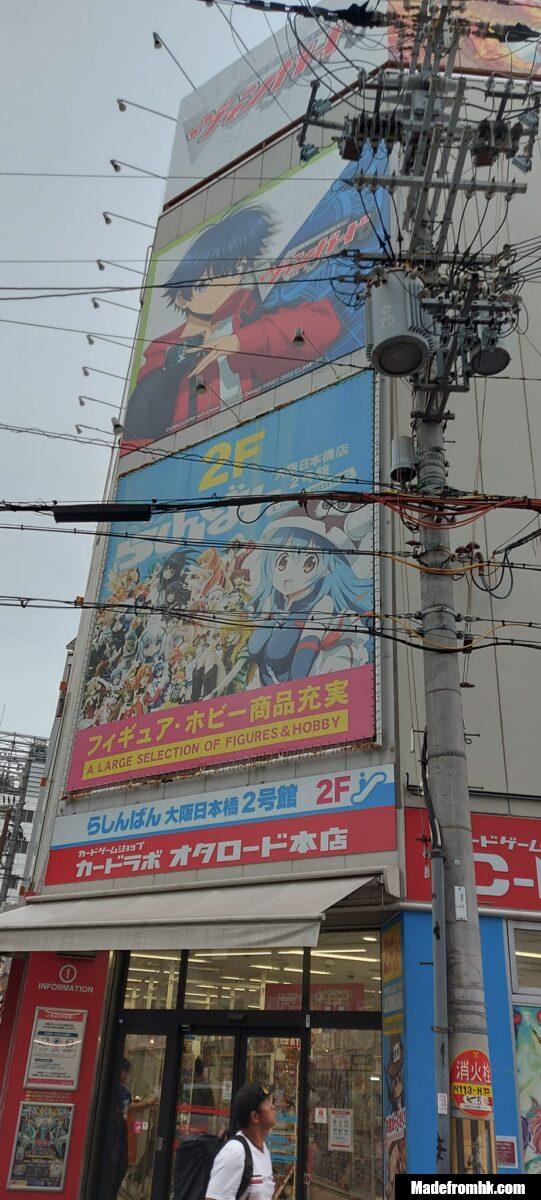
這是一種垂直的城市。
你不只是向前走。
你會向上、向下,進入不同層次。
每一間店,都像一個獨立世界。
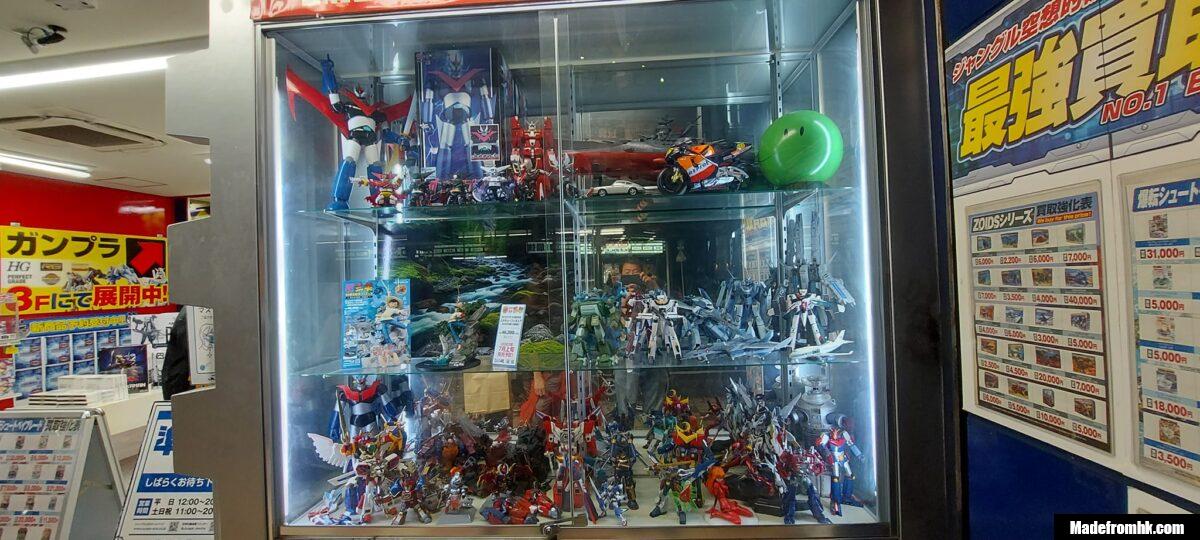
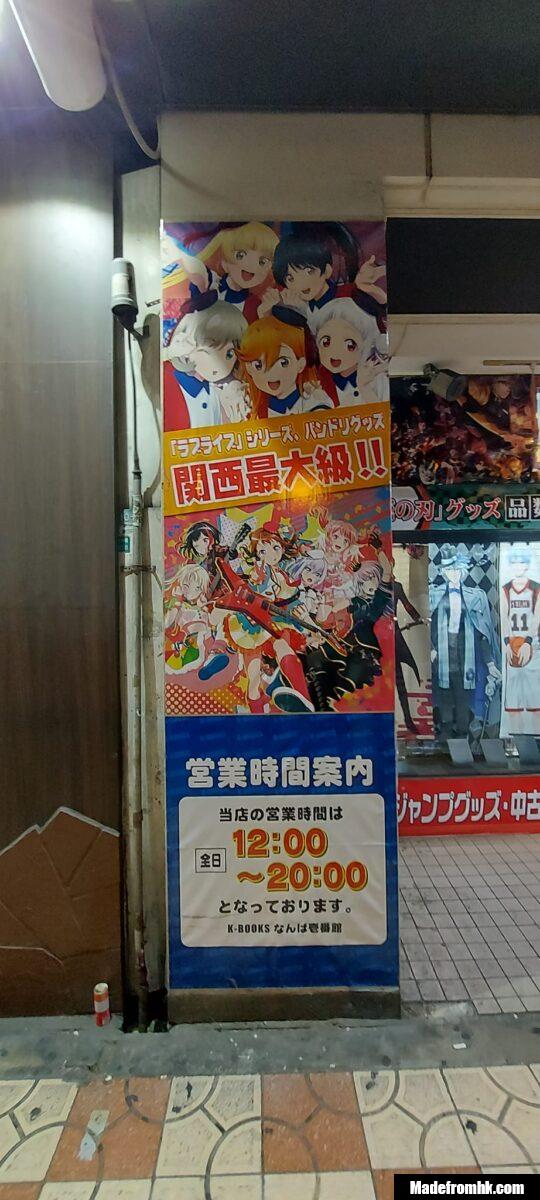
電子零件、模型、公仔、動漫商品,各自形成不同的區域。這些內容不只是商品,而是一種文化的延伸。
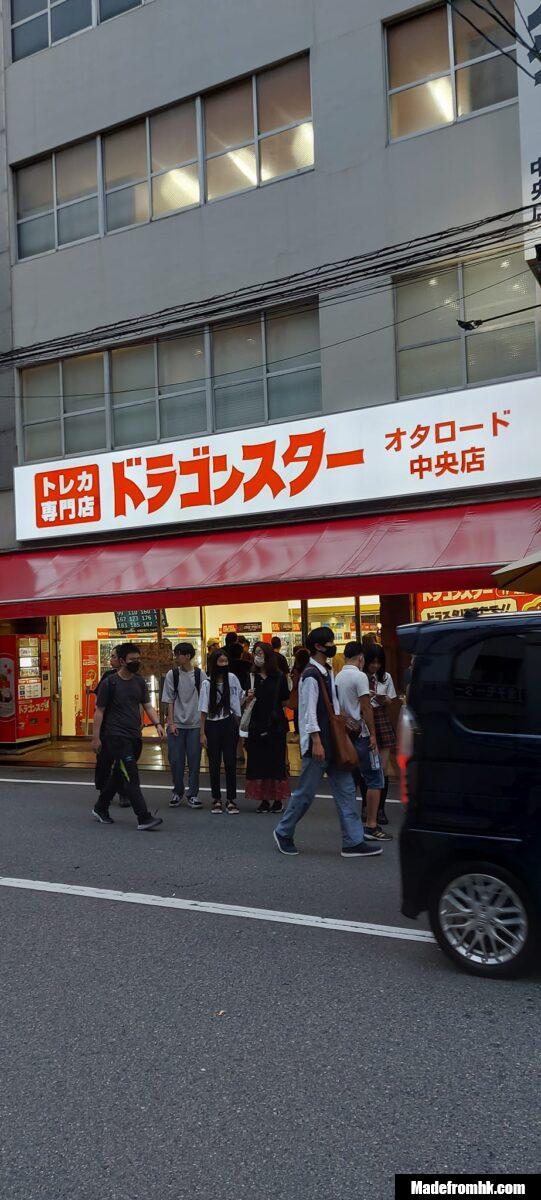
你會發現,這裡的顧客與一般商業區不同。
他們停留更久。
觀察更仔細。
選擇更集中。
這讓整個空間呈現出一種「沉浸式購物」的狀態。
不是快速消費。
而是深入探索。
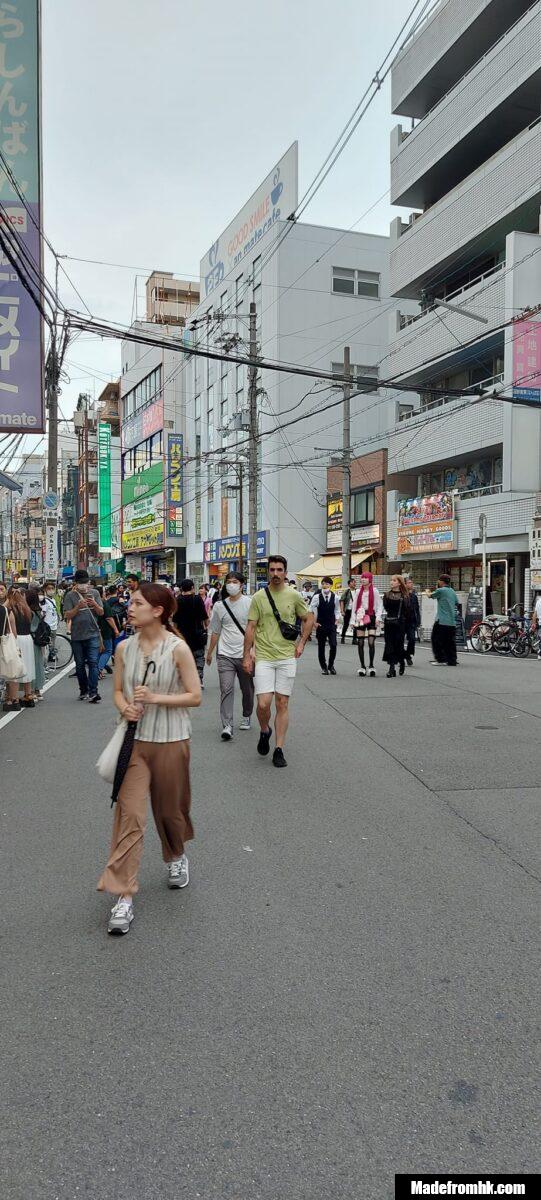
街道本身,反而變成連接。
你從一間店走到另一間店,再進入另一個空間。這種移動不是線性的,而是分散的。
你會隨機轉向。
被吸引。
停下來。
再繼續。
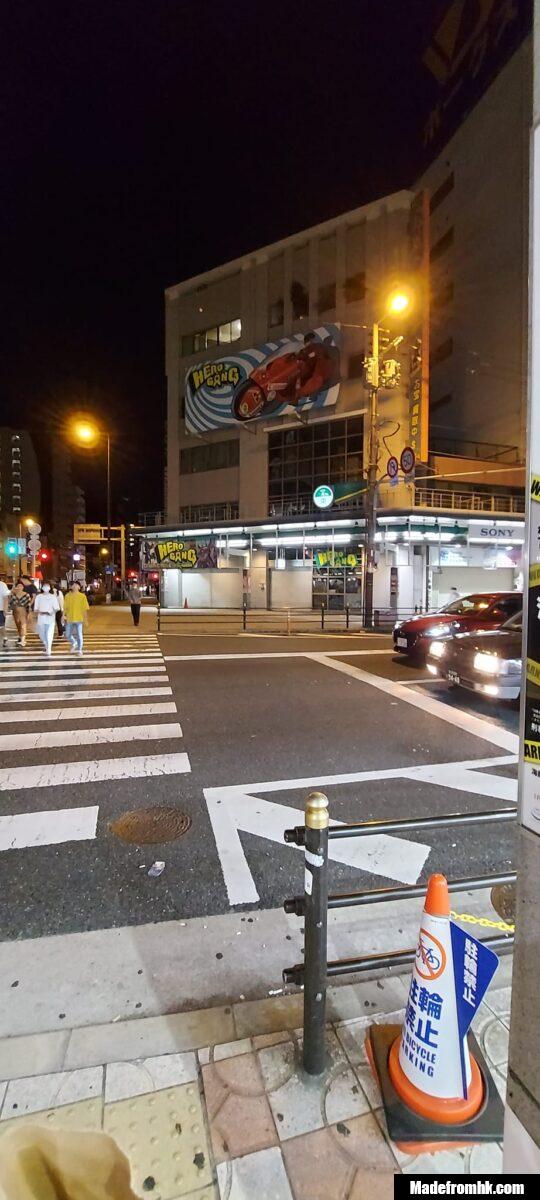
與千日前的夜不同,這裡沒有強烈的光與聲音。
它的吸引力來自內容本身。
你不是被拉走,而是被「留下」。
當你離開這個區域,重新回到主街,節奏會再次改變。
人流變快,空間變簡單,方向變清晰。
這時候你才會意識到——
剛才那段,不只是購物。
而是一種文化的聚集。
日本橋電器街,不只是商業區。
而是一個讓興趣被放大的地方。
English Version
In a city, some places are meant for passing through.
Others are meant for staying.
Den Den Town belongs to the latter.
As you enter the area, your pace naturally shifts. Unlike major streets designed for movement, or nightlife districts filled with energy, this space invites focus.
You slow down.
Because attention is drawn inward.
Shops are closely packed, but the real space extends beyond the street. Upper floors, basements, narrow entrances — all contribute to a layered, vertical environment.
This is a vertical city.
Movement is not just forward.
It is upward and downward.
Each shop feels like a contained world.
Electronics, components, figures, anime goods — each category forms its own micro-environment. These are not just products, but expressions of culture.
Visitors behave differently here.
They stay longer.
They observe more carefully.
They choose with intention.
This creates a form of immersive consumption.
Not fast.
But deep.
The street becomes a connector.
You move from one shop to another, entering different layers of space. Movement is fragmented, guided by curiosity rather than direction.
You turn.
Pause.
Continue.
Unlike the neon intensity of nearby nightlife areas, Den Den Town does not rely on overwhelming stimuli.
Its attraction comes from content.
You are not pulled through.
You are held in place.
When you leave and return to the main streets, the rhythm shifts again.
Movement becomes faster. Space becomes simpler.
And only then do you realize —
This was not just shopping.
It was a concentration of culture.
Den Den Town is not just a commercial district.
It is a place where interests expand.