
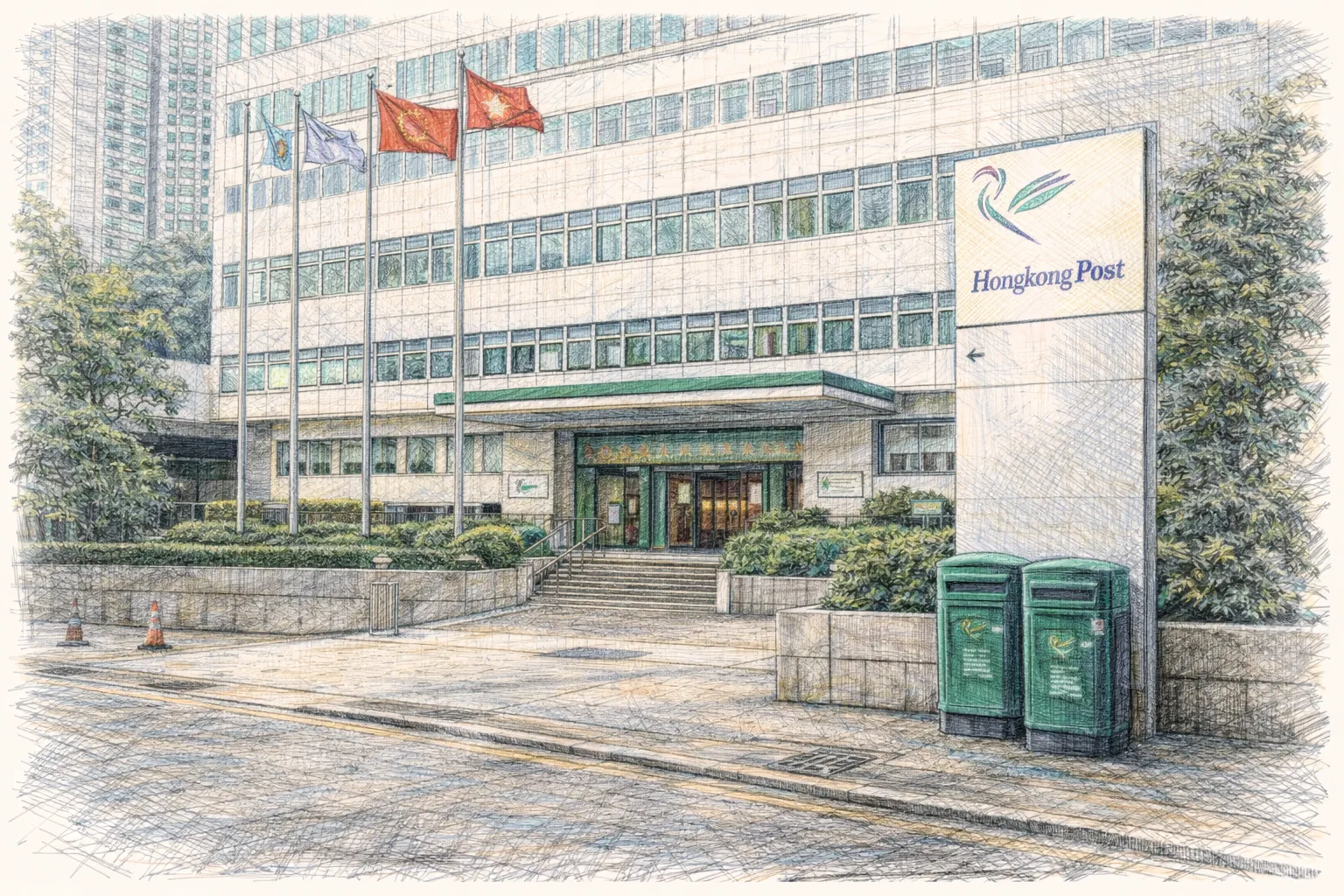
香港郵政|一個城市如何把信任交給制度 | Hong Kong Postal Service|How a City Carries Time Through Letters 【包羅萬有】第 8 章
香港郵政作為城市基礎設施的重要組成部分,其存在不僅是為了提供郵件投遞服務,更是城市信任體系的具體化表現。郵政系統的運作建立在高度精密的流程之上,從信件的收集、分揀、分類到路線規劃與最終投遞,每個環節都需要嚴格執行,確保郵件能準確無誤地送達目的地。這種穩定性和可靠性是長期制度建設與技術進步的成果,為城市居民提供了重要的溝通與連結功能。
在日常生活中,郵政系統的存在往往被視為理所當然,人們只是在需要寄送文件或物品時才會注意到它的作用。然而,正是這種低調而穩定的運作,讓郵政成為城市不可或缺的一部分。每一次信件的準時送達背後,都依賴於整個系統的高效協調與默契。而當系統出現任何失誤時,其影響往往會迅速波及整個社會,凸顯出郵政服務對城市運作的重要性。
香港郵政的特殊性還體現在其穩健的運作方式。在一個以創新與快速發展為導向的城市中,郵政系統並未因電子通信的普及而被取代。即便數位化已成主流,紙本信件仍然是正式文件、法律事務及重要記錄的首選媒介。其原因在於紙本信件所承載的信任與可靠性,是即時通信無法完全替代的。郵戳與手寫文字所帶來的正式感,賦予了郵政服務獨特的價值。
維持這樣一套穩定運作的制度需要大量資源和長期投入,但它所傳遞出的訊息是清晰且深遠的:在追求效率與速度之外,有些事情值得我們緩慢且謹慎地完成。香港郵政以其低調而持續的服務,展現了城市對穩定性與信任的重視。這不僅是一項服務,更是一種對制度可靠性的堅持,對城市價值觀與社會契約的具體詮釋。
總結而言,香港郵政不僅承載著信件,更承載著城市對穩定與信任的堅守。在快速變遷的時代中,它以穩健且低調的方式提醒我們,有些傳統值得被保留,有些價值需要被珍視。
English Version
In a city shaped by speed, immediacy, and constant digital communication, the postal system represents a quieter and more deliberate form of connection, where time is not compressed into instant exchange but extended through distance, anticipation, and physical movement, and the Hong Kong postal service stands as a living example of how communication once relied on patience, material presence, and structured networks that connected individuals across space. Unlike digital messages that appear and disappear within seconds, letters carry weight, texture, and permanence, transforming communication into an object that can be held, stored, and revisited, creating a different relationship between sender and receiver that is shaped by both intention and delay. The process of writing, sealing, sending, and waiting forms a sequence of actions that introduces time as an active element within communication, where the gap between sending and receiving becomes part of the experience rather than an inconvenience to be eliminated. Postboxes placed along streets and within neighborhoods serve as small but significant points within the urban landscape, quietly integrated into daily life, often unnoticed yet constantly available, marking the presence of a system that operates continuously in the background. These objects, with their recognizable form and color, function as interfaces between private thought and public infrastructure, where personal messages enter a broader network that carries them beyond immediate reach. Sorting centers, delivery routes, and postal workers together form an invisible system that sustains this flow, ensuring that messages move through the city and beyond with reliability and structure, even as the volume and nature of communication change over time. In contemporary Hong Kong, the role of the postal service has evolved, adapting to new demands such as parcel delivery driven by online commerce, while traditional letter writing becomes less frequent, shifting the system’s function without erasing its historical significance. This transition reflects a broader pattern within urban life, where older forms of practice are not abruptly replaced but gradually transformed, existing alongside newer systems in a layered and sometimes overlapping manner. The emotional dimension of postal communication remains particularly significant, as letters often carry meanings that extend beyond their content, representing effort, thoughtfulness, and a form of presence that is distinct from digital interaction. Handwriting, paper choice, and physical marks become part of the message itself, embedding individuality into the act of communication in ways that are difficult to replicate through standardized digital formats. At the same time, the slower pace of postal exchange introduces a different relationship with time, encouraging reflection and anticipation rather than immediacy, allowing moments to unfold rather than occur instantly. The persistence of the postal system within a highly connected digital city highlights the coexistence of different temporal experiences, where fast and slow modes of communication operate simultaneously, offering individuals a choice in how they engage with others. Post offices, often located within accessible areas of the city, function as points of interaction where the abstract system becomes tangible, allowing individuals to participate directly in processes that connect local and global networks. The continued presence of these spaces reinforces the idea that communication is not solely about speed, but also about connection, reliability, and the physical movement of objects through space. In a broader cultural sense, the Hong Kong postal service represents a form of continuity, linking past and present through practices that have adapted but not disappeared, reminding the city that not all forms of connection need to be immediate to be meaningful. Ultimately, it is through the combination of structure, materiality, and time that the postal system maintains its relevance, offering an alternative way of experiencing communication where the journey of a message becomes as significant as its arrival, and where the city carries not only information, but traces of human presence across distance and time.