
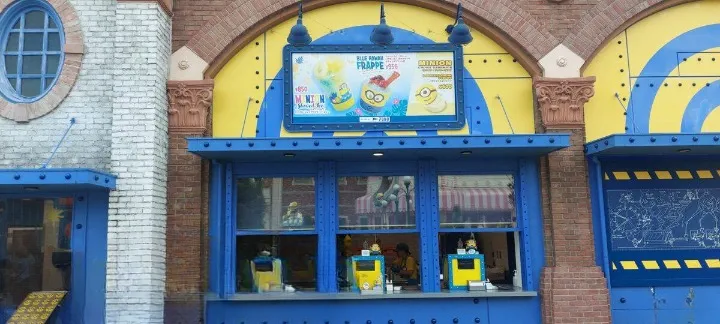
大阪環球影城小小兵園區:主題空間的構成與動線設計觀察 | Minion Park at Universal Studios Japan: A Study of Themed Space and Movement Design
在 日本環球影城 之中,小小兵園區並不只是娛樂區域,而是一個被完整設計的空間系統。從入口、建築到人流動線,每一個細節都圍繞著沉浸與節奏運作。
Within Universal Studios Japan, Minion Park is more than a themed area — it is a carefully constructed spatial system. From entry points to architecture and crowd flow, every element contributes to immersion and controlled movement.


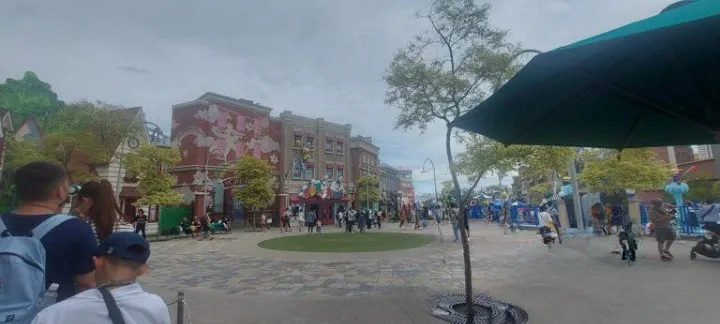
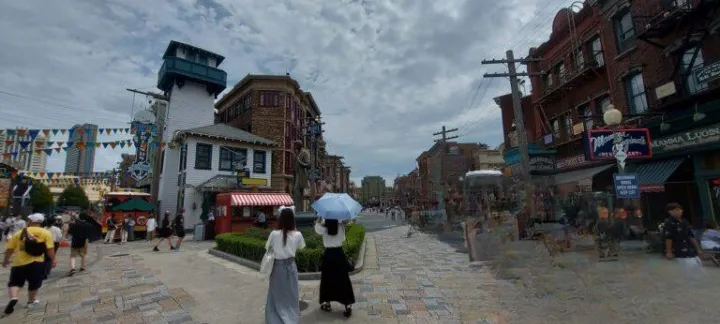
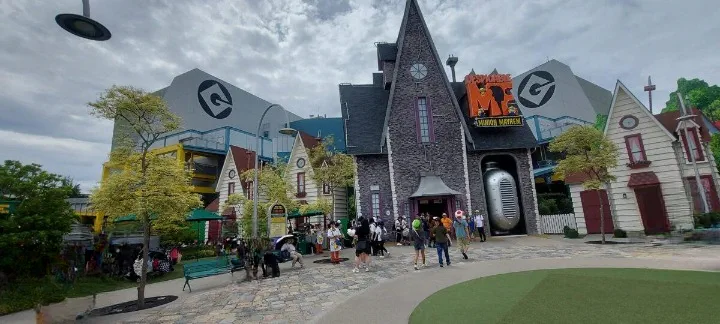
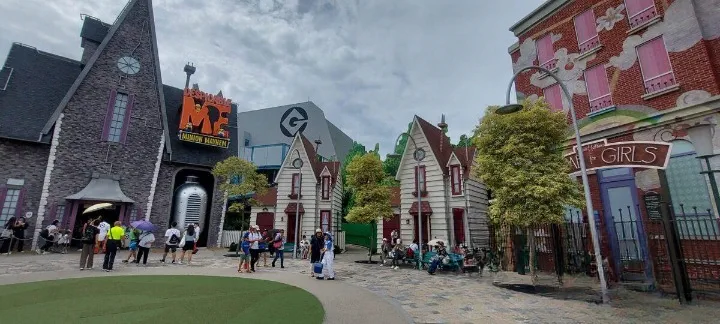
English Version
When space becomes smaller, design becomes more visible.
Minion Park is one of those spaces.
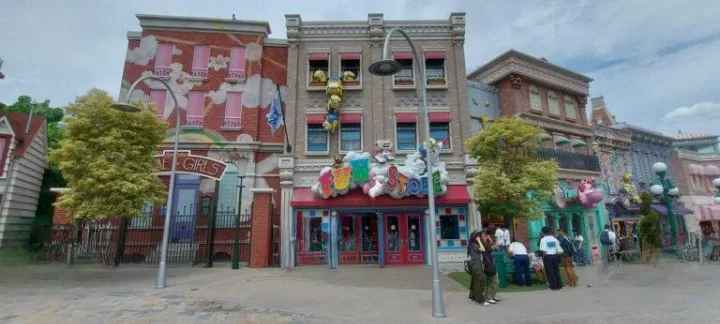
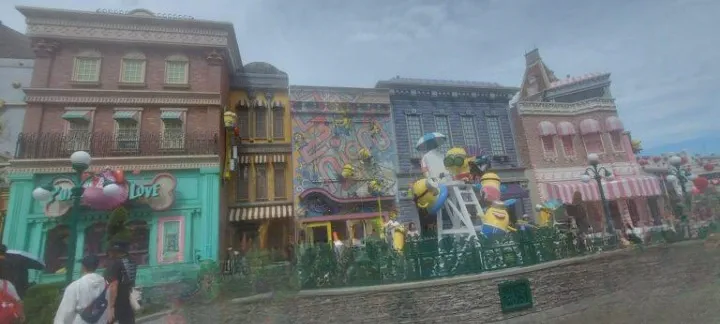
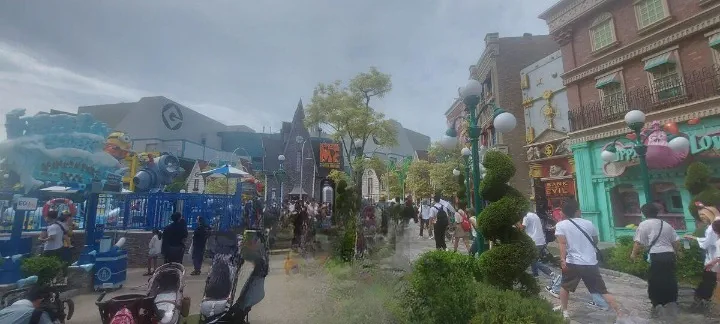
Compared to the openness of the larger park, this area feels concentrated — denser in color, form, and scale. The environment is amplified, making the transition immediate upon entry.
The entrance acts as a threshold.
You are not abruptly placed into the space — you are guided into it. Your field of vision narrows, buildings close in, and the outside world gradually fades.
This controlled isolation enables immersion.
Movement within the area is not entirely free.
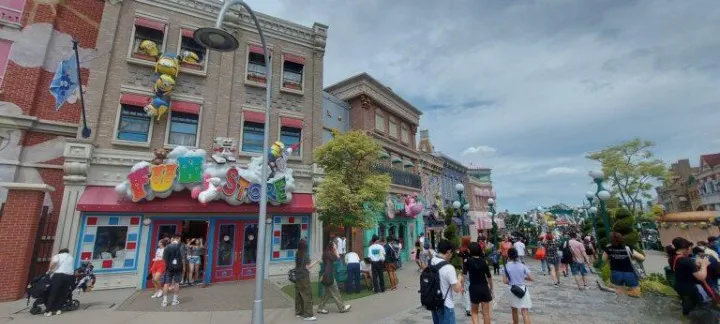
Paths appear open, but are subtly directed. Corners, expansions, and compressions regulate how people move and how quickly they do so.
You follow naturally.
Without instruction.
Architecture itself participates in this guidance.
Every facade, every color block attracts attention, pulling you toward certain directions. Movement is shaped not by signs, but by what you see.
This visual guidance is powerful.
Crowds become dense, yet remain manageable.
Because the space anticipates behavior. Points of pause, photo spots, and queue areas are positioned strategically to maintain flow.
Time is also designed.
Waiting is not interruption.
It becomes part of the environment. Queue spaces are themed, ensuring continuity of experience.
Immersion is preserved.
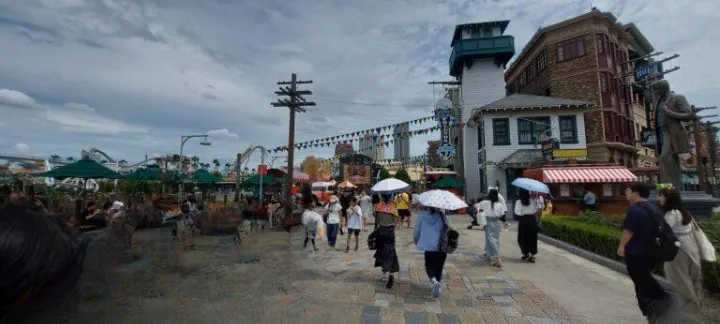
When you leave the area and return to a more open space, the shift is immediate.
Vision expands. Movement loosens. Flow becomes less controlled.
Only then do you realize —
The previous space was highly structured.
Minion Park is not just a themed attraction.
It is a concentrated design system.