桃園機場捷運:串聯城市與天空的快速軸線 | Taoyuan Airport MRT: The Fast Link Between City and Sky

臺灣桃園國際機場是亞洲重要的航空樞紐,每年接待來自世界各地的旅客。而作為機場與臺北市區之間的主要聯繫工具,桃園機場捷運(正式名稱為「桃園捷運機場線」)不僅提供高效的交通服務,也成為旅客體驗臺灣便利公共運輸的第一步。
The Taoyuan Airport MRT connects the airport with Taipei, offering a fast and efficient transit option that bridges urban life and international travel seamlessly.
捷運概覽
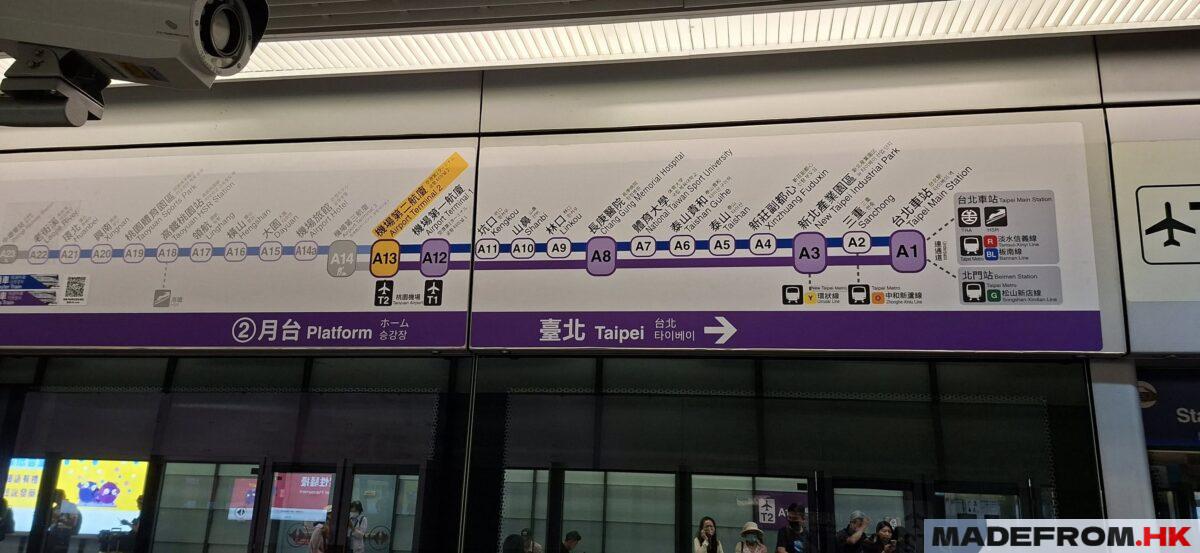
桃園機場捷運於2017年正式通車,全長51.03公里,連接臺北車站與桃園國際機場,並延伸至中壢地區。該線設有快速車和普通車兩種服務模式,滿足不同旅客的需求。快速車僅停靠主要站點,從臺北車站到機場僅需約35分鐘;普通車則停靠沿線所有車站,方便當地居民與旅客進出各區域。
便民設施與服務
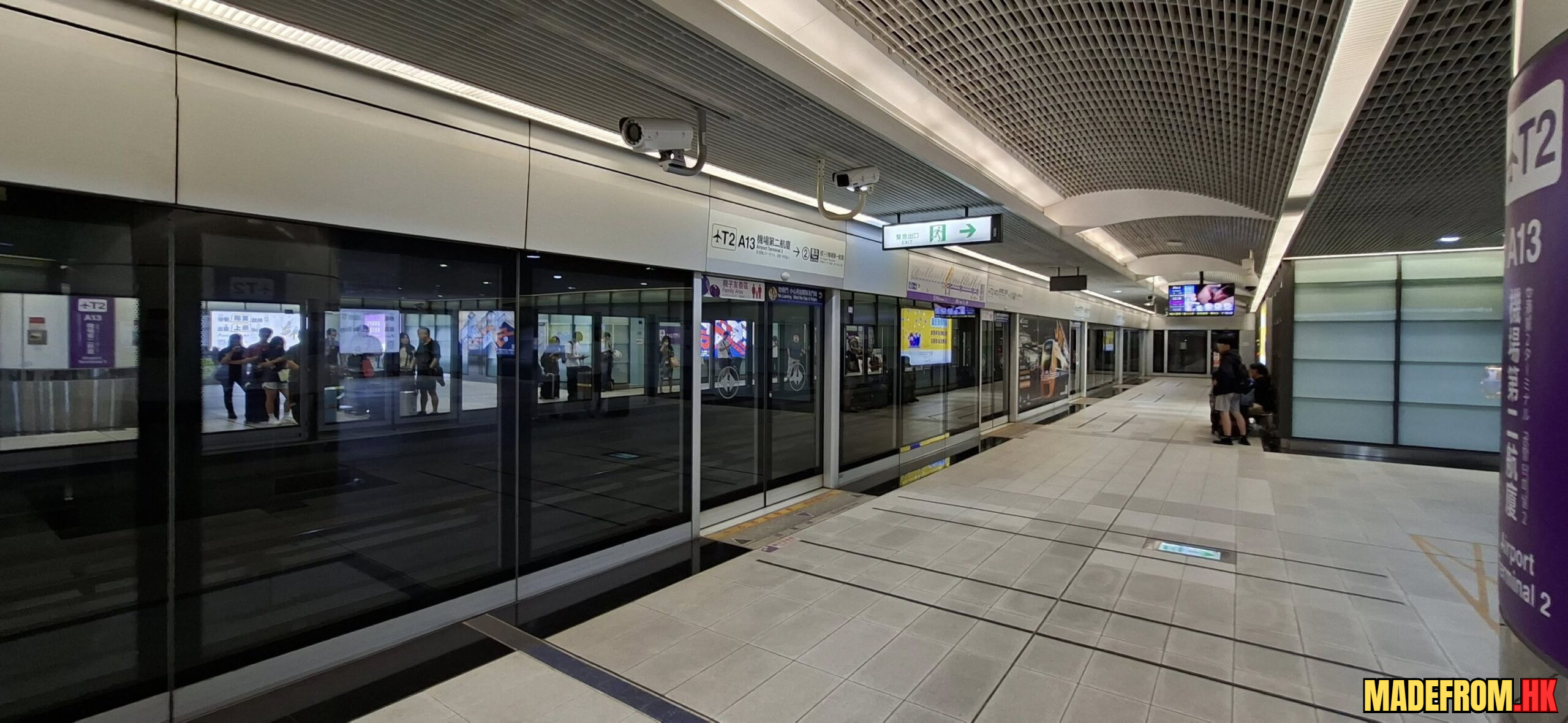
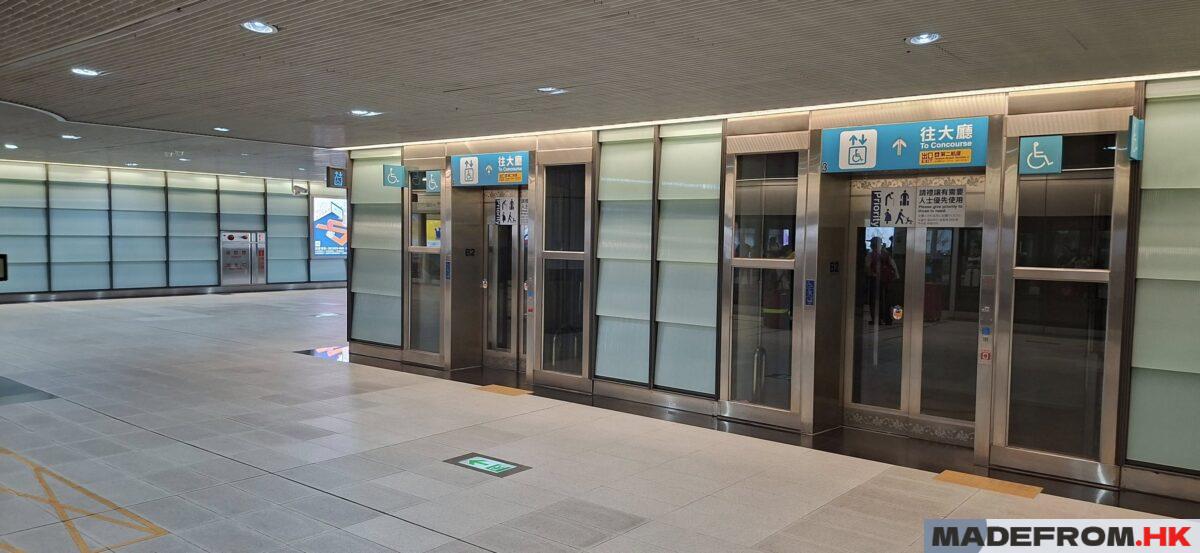
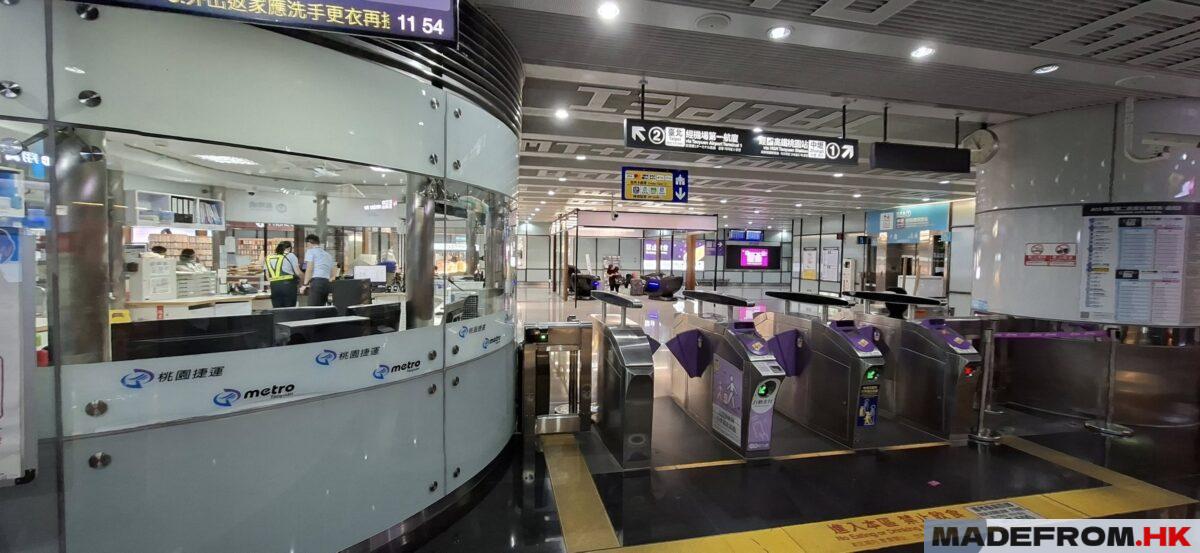
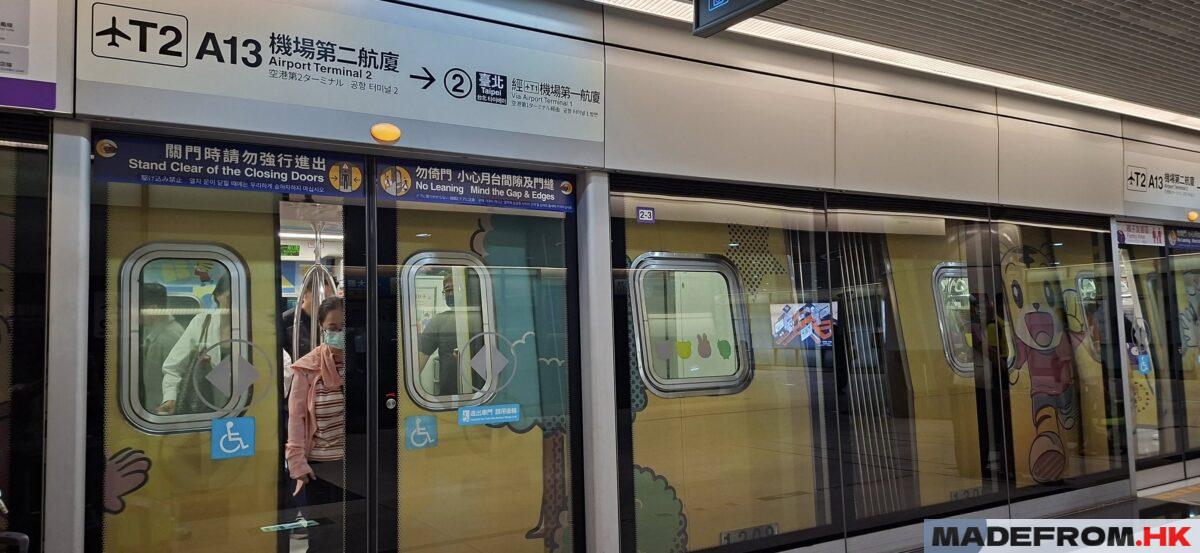
桃園機場捷運在設計上充分考慮了旅客的需求。車廂內設有行李置放區,方便攜帶大件行李的旅客。此外,每個車站均配備電梯、無障礙設施和清晰的多語言指示牌,讓外國旅客也能輕鬆找到方向。部分車站如A1臺北車站和A13機場第二航廈站,更設有直通航廈的接駁通道,大幅縮短步行時間。
時間與票價
桃園機場捷運的營運時間為每日06:00至23:00,班次頻密,快速車平均每15分鐘一班,普通車則為每7.5分鐘一班。票價合理,從臺北車站到機場單程票約需新臺幣160元,相比計程車或其他交通工具,性價比極高。
English Version
The Taoyuan Airport MRT is one of Taiwan’s most significant transportation projects, designed to connect Taoyuan International Airport with Taipei’s urban core through a fast, reliable, and modern rail system. Since its inauguration in 2017, the line has transformed how travelers move between the airport and the city, redefining convenience and efficiency in Taiwan’s public transportation network.
Stretching across multiple districts, the Airport MRT integrates seamlessly into the broader transit infrastructure, linking with the Taipei Metro and Taiwan High Speed Rail systems. This connectivity allows passengers to transition effortlessly between local and long-distance travel, making the journey from the airport to downtown Taipei both predictable and comfortable. The system offers both express and commuter services, catering to different travel needs. Express trains provide direct, limited-stop service for travelers in a hurry, while commuter trains serve local stations, supporting daily life along the route.
One of the defining features of the Airport MRT is its emphasis on user experience. Stations are designed with clarity and accessibility in mind, featuring multilingual signage, spacious platforms, and barrier-free facilities. For international visitors, this ease of navigation is particularly important, as it reduces the stress often associated with arriving in a new city. The trains themselves are equipped with luggage storage areas, recognizing the practical needs of airport travelers.
The line begins at Taipei Main Station, one of the city’s central transit hubs, and extends to Taoyuan International Airport, with further connections reaching into Taoyuan’s urban districts. This alignment not only serves tourists but also benefits commuters and residents, enhancing regional mobility and economic integration. By linking key urban and transportation nodes, the Airport MRT contributes to a more cohesive metropolitan structure.
Architecturally, the stations reflect a modern and functional design language. Clean lines, open spaces, and the use of natural light create an environment that feels both efficient and welcoming. Some stations incorporate local cultural elements, subtly referencing Taiwan’s identity while maintaining a contemporary aesthetic. This balance between form and function ensures that the system is not only practical but also visually coherent.
The introduction of the Airport MRT has also had a broader urban impact. It has stimulated development along its route, encouraging the growth of residential, commercial, and business areas. Improved accessibility has made previously less-connected districts more attractive, contributing to a more balanced distribution of urban activity. In this way, the railway is not just a transportation line but a catalyst for regional development.
From an environmental perspective, the Airport MRT supports more sustainable travel patterns. By providing a reliable alternative to private vehicles and taxis, it helps reduce traffic congestion and carbon emissions. This aligns with global trends toward greener urban mobility, positioning Taiwan as a forward-thinking participant in sustainable infrastructure development.
The system’s reliability and punctuality further enhance its appeal. Trains operate on consistent schedules, ensuring that passengers can plan their journeys with confidence. For travelers catching flights, this predictability is invaluable, offering peace of mind in time-sensitive situations.
Ultimately, the Taoyuan Airport MRT represents a modern vision of connectivity. It bridges the gap between city and airport, local life and global travel, efficiency and comfort. As Taiwan continues to develop its infrastructure, the Airport MRT stands as a model of how transportation systems can enhance both mobility and urban experience.
總結
桃園機場捷運以高效連接城市與機場,提升旅運便利與城市整合,成為台灣現代交通系統的重要象徵。
The Taoyuan Airport MRT enhances connectivity between city and airport, offering a fast, reliable, and integrated travel experience that defines modern transportation in Taiwan.