淡忘的戲院:一家人睇戲的年代,靜靜落幕 | Forgotten Cinemas of Hong Kong: Family Movie Nights and the Fading Age of Theatres | 今日回望 | 第三章
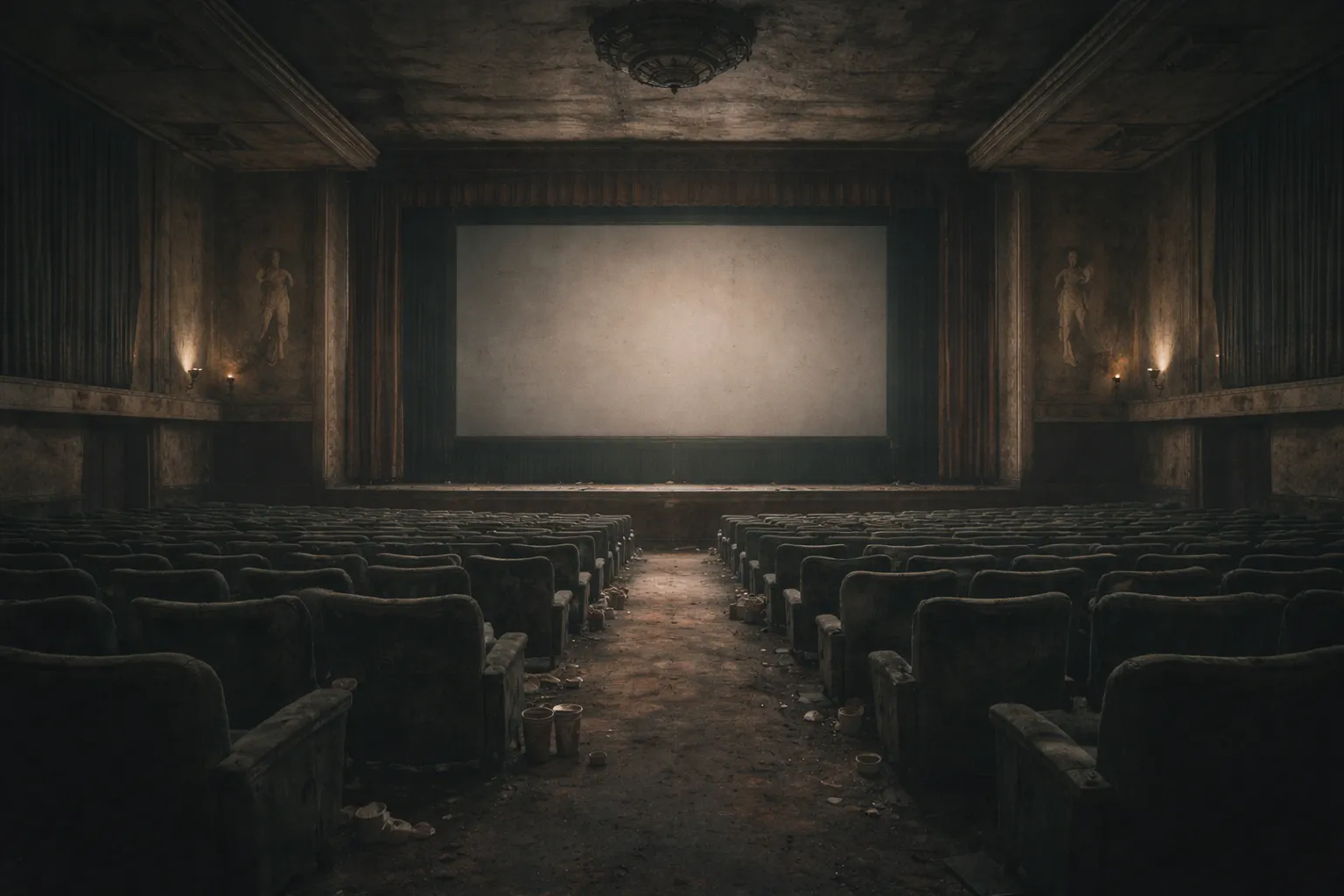
曾經的戲院是城市文化的一部分,也是家庭生活的重要場景。在過去,進戲院不僅僅是看電影,更是一種家庭活動。每到週末,許多家庭會一起出門,走到街坊戲院,買票、買飲料,然後一起坐下來,燈光暗下後,銀幕上的故事便成為全場的焦點。那時的戲院或許不豪華,設備不一定先進,但卻充滿了溫馨和親切感。一家人聚在一起觀看電影的氛圍,是任何其他形式的娛樂都無法取代的。
Once scattered across neighborhoods, Hong Kong’s cinemas were gathering places where families shared stories on the silver screen. From bustling ticket queues to the hush before a film began, these theatres held moments of collective joy. As they gradually disappeared, they left behind memories of a time when watching a movie was a shared, immersive experience.
然而,隨著時代的變遷,這樣的場景逐漸消失。如今,仍然存留的戲院越來越少,規模也越來越小。許多曾經熱鬧的街坊戲院悄然結業,被改建成藥房、便利商店,或者乾脆只剩下一個空置的商舖。這些變化背後,有著多重原因。
首先,租金的壓力是戲院消失的重要原因之一。戲院所需的空間較大,但回本速度卻相對較慢。當地租金上漲時,許多戲院難以負擔高昂的租金,最終只能選擇關閉。相比之下,快餐店、連鎖店等商業模式周轉速度快,盈利穩定,更受業主青睞。面對這樣的現實,許多戲院即使想要堅持,也難以維持下去。
其次,人們的觀影習慣也發生了巨大改變。隨著科技的進步,各類串流平台的興起讓人們可以隨時隨地在手機、平板或電視上欣賞電影。這種方便性讓越來越多人選擇在家觀看,而非特地前往戲院。觀看電影變得不再需要排隊、不再需要擔心遲到,也不再需要離開舒適的家。對許多人而言,到戲院看電影似乎成了一種可有可無的選擇。
然而,那些真正體驗過戲院觀影的人都明白,這種感受是無法完全被其他媒介取代的。在家中觀看電影時,人們可以隨時暫停影片,可以滑手機,也可以分心做其他事情。但在戲院中,人們被迫專注於銀幕上的故事。在黑暗中,所有人的目光都集中在銀幕上,那種沉浸感和專注力是家庭觀影無法提供的。此外,在戲院中,人們能夠感受到集體情緒的共鳴——笑聲、驚呼、沉默等,都是在一個共同空間中發生的。這種集體感是串流平台所無法複製的。
因此,戲院的消失並不僅僅意味著一個娛樂場所的關閉,更代表著城市生活節奏的一部分消失。當家庭不再相約一起去看電影,當街坊戲院不再亮燈,我們的城市夜晚就少了一分活力和溫度。回顧過去,我們會發現真正讓人懷念的不僅僅是那些播放過的電影內容,而是和親朋好友一起坐在戲院裡共享時光的那份情感。
雖然許多戲院已經消失,但它們留下的記憶依然存在於人們心中。那些屬於香港的光影時刻,是城市文化的一部分,也是許多人生命中的珍貴回憶。這些回憶提醒我們,那些曾經存在的事物並未完全消逝,它們仍然以另一種形式存在於我們的生活中。
English Version
In the cultural landscape of Hong Kong’s past, local cinemas occupied a central role in everyday entertainment and social life. Long before the rise of multiplexes and digital streaming, these theatres served as communal spaces where people from all walks of life gathered to experience stories together. Situated in residential districts as well as busy urban centers, cinemas were accessible, familiar, and deeply integrated into the rhythm of the city. For many families, going to the cinema was not merely an activity, but a ritual—an occasion that brought people together across generations. The experience of visiting a cinema began well before the film itself. Ticket booths, often positioned at the entrance, drew long queues as people waited patiently for their turn. Posters displayed upcoming films, offering glimpses into different worlds and sparking anticipation among passersby. The atmosphere outside was lively, filled with conversation and excitement, while inside, the environment shifted to one of focus and expectation. As the lights dimmed, a collective silence settled over the audience, marking the beginning of a shared journey into storytelling. What distinguished these cinemas was not only the films they screened, but the communal nature of the viewing experience. Audiences reacted together—laughing at comedic moments, gasping at dramatic turns, and falling into quiet reflection during emotional scenes. These shared responses created a sense of connection among strangers, uniting them through a common narrative. For children, the cinema was a place of wonder, where imagination came alive on a scale far beyond everyday life. For adults, it offered both escape and reflection, a temporary departure from routine. The physical environment of these theatres contributed significantly to their character. Interiors were often simple yet distinctive, with rows of seats, heavy curtains, and large projection screens that dominated the space. Some cinemas carried signs of age—slightly worn upholstery, faint echoes within the hall—but these details added to their authenticity. The sound of the projector, the flicker of light, and the gradual transition from brightness to darkness all formed part of an experience that felt immersive and tangible. Unlike modern viewing habits, which are often individual and portable, cinema-going was once a fully shared and location-bound activity. Historically, Hong Kong’s cinema culture grew alongside the development of its film industry, becoming a vital platform for both local and international productions. These theatres were not only places of entertainment but also cultural hubs that reflected the tastes and interests of the community. Over time, however, the landscape began to change. The emergence of large multiplex cinemas within shopping malls introduced new standards of comfort, technology, and convenience. At the same time, home entertainment systems and digital streaming services altered how people consumed films, making it possible to watch movies without leaving home. As a result, many traditional cinemas faced declining audiences and were eventually forced to close. The disappearance of these local theatres represents more than a shift in entertainment preferences. It marks a transformation in how people experience stories and interact with one another. The communal aspect of cinema-going—once defined by shared space and synchronized emotion—has been replaced by more individualized forms of viewing. While modern technology offers greater flexibility and accessibility, it often lacks the sense of occasion that once accompanied a trip to the cinema. The act of sitting among others, collectively immersed in a story, has become less common. Despite this, the memory of Hong Kong’s old cinemas remains vivid for those who experienced them. They are remembered not only for the films shown, but for the feelings they evoked—the excitement of anticipation, the comfort of familiarity, and the joy of shared experience. These memories continue to shape the cultural identity of the city, reminding people of a time when entertainment was as much about community as it was about content. Some efforts have been made to preserve or document these spaces, recognizing their historical and cultural significance. Whether through restoration projects or archival work, there is an understanding that these cinemas represent an important chapter in Hong Kong’s story. Reflecting on the era of these forgotten theatres allows for a deeper appreciation of how public spaces once brought people together, creating moments that were both ordinary and meaningful. Ultimately, the story of Hong Kong’s cinemas is one of connection—between people, between generations, and between reality and imagination. Though many of these theatres no longer exist, their legacy endures in the collective memory of the city. They remind us that storytelling is not only about what is seen on screen, but also about how it is experienced, and with whom those moments are shared.