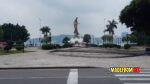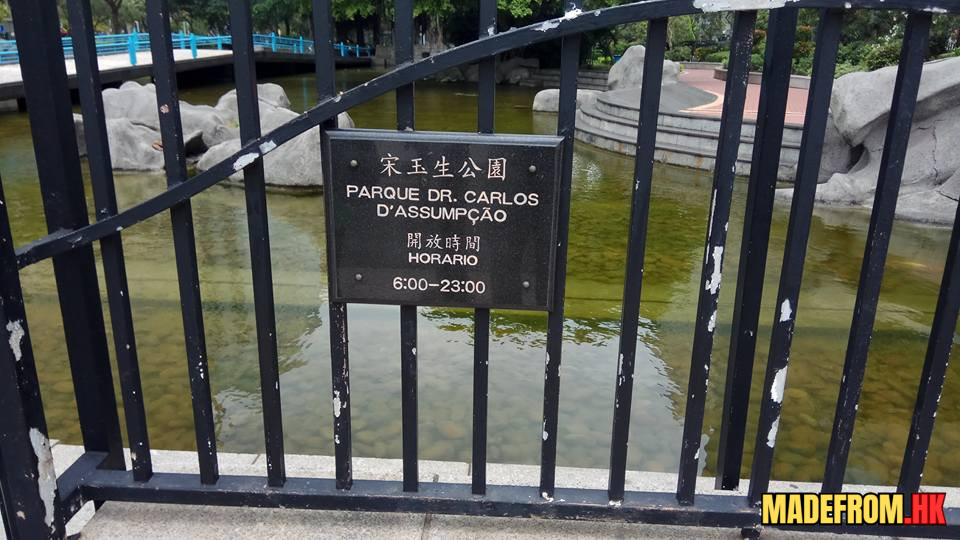
在澳門繁忙的都市節奏之中,有些地方並不張揚,卻悄悄承載著城市的情緒與文化記憶。位於宋玉生公園一帶、觀音像對面的空間,正是這樣一個容易被忽略的角落。沒有壯觀的建築,也沒有明顯的旅遊標記,但正因如此,它更顯得真實與純粹,像一段屬於城市居民的日常片段,靜靜地存在於高樓與街道之間。
In the fast-moving rhythm of Macau, some places do not demand attention, yet quietly hold layers of emotion and cultural memory. The area opposite the Guan Yin statue near Song Yuk Sing Park is one such overlooked corner. It lacks grand architecture or obvious tourist appeal, but that is precisely what makes it feel authentic. It exists like a subtle fragment of everyday life, tucked between buildings and streets, waiting to be noticed by those who slow down.
中文
澳門的城市形象,常常與娛樂、旅遊與繁華聯繫在一起,但當視線稍微偏離主要景點,便會發現另一種節奏。宋玉生公園附近的這尊觀音像,與周邊環境形成了一種微妙的對比——一邊是現代城市的秩序與速度,另一邊則是安靜、緩慢且帶有精神象徵的空間。
觀音像本身並非宏偉地標,但其存在卻帶有一種穩定的力量。她靜立於城市一角,面容平和,彷彿與來往的人群保持著某種距離,卻又默默注視著一切。這種不張揚的存在,使這個地方更接近一種「被忽略的風景」,而非刻意設計的景點。
從城市規劃的角度來看,這類小型公共空間往往被視為過渡地帶,但對居民而言,它們卻承擔著重要的日常功能。有人在這裡短暫停留,有人經過時放慢腳步,也有人只是習慣性地看一眼觀音像,像是一種無聲的儀式。這種行為並不刻意,但卻構成了城市生活的一部分。
在華人文化中,觀音象徵慈悲與守護,這樣的形象被放置在城市之中,某種程度上也反映了人們對平安與安定的期望。即使沒有宗教信仰的人,也能從這種氛圍中感受到一種安靜的力量。這不是強烈的情感,而是一種細微而持續的存在。
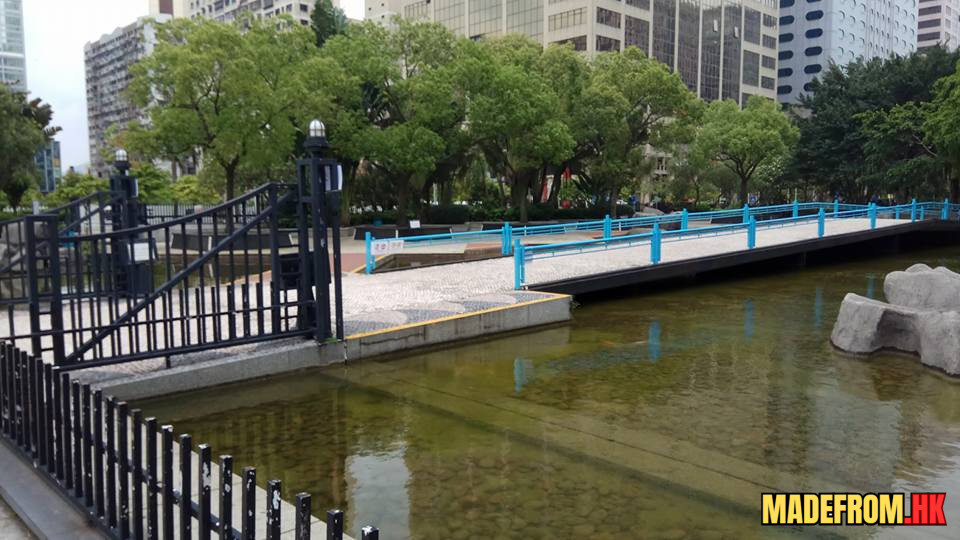
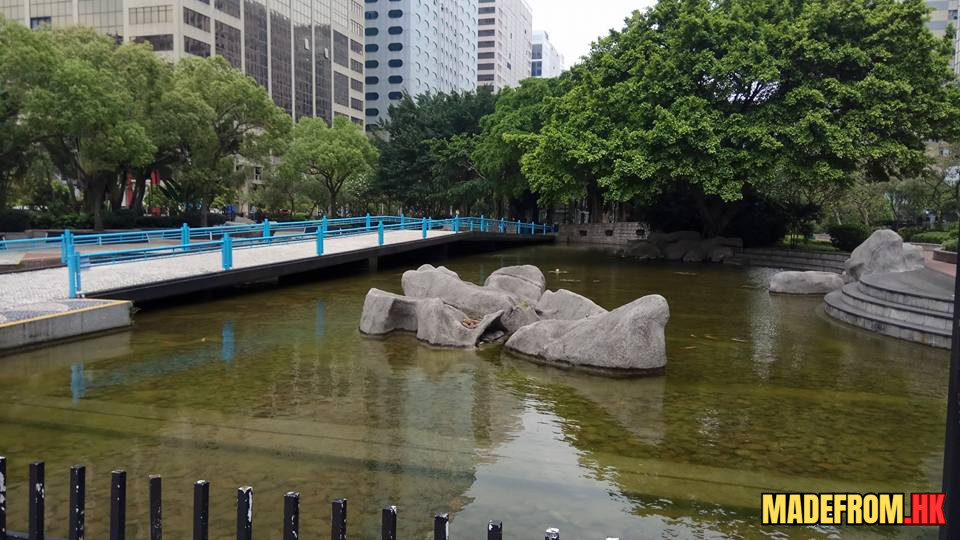
如果細心觀察,會發現這一帶的空間並非完全靜止。光影隨著時間變化,周圍的樹木與建築形成層次,而人流則為這個場景帶來輕微的流動感。這些元素共同構成了一種平衡——既不完全屬於自然,也不完全屬於城市,而是介於兩者之間。
與澳門其他著名地標相比,這裡缺乏明確的敘事與歷史標籤,但這並不代表它沒有價值。相反,它的意義正來自於日常性與可被忽略性。正因為沒有被過度包裝,它保留了一種更貼近真實生活的質感。
對於習慣快節奏旅遊的人而言,這樣的地方可能只是匆匆一瞥;但對於願意放慢步伐的人,它則是一種不同的體驗——不是觀看,而是感受。這種感受並不需要語言,也不需要解說,它來自於空間本身。
在內容創作的角度,這類地點具有獨特的價值。它們不依賴知名度,而是依賴觀察與詮釋。透過細節的描寫與氛圍的呈現,可以讓讀者重新看見那些原本被忽略的角落,從而建立一種新的城市理解方式。
這種寫作方式,也讓旅遊不再只是「到此一遊」,而是一種更深入的觀看與體驗。當讀者開始注意這些細微之處,城市本身也會變得更加立體與有層次。
English Version
Macau is often defined by its energy—casinos, tourism, and a skyline built for spectacle. Yet beyond the obvious attractions lies a quieter layer of the city, one that reveals itself only when attention shifts away from the main narrative. The Guan Yin statue area opposite Song Yuk Sing Park belongs to this subtle dimension, where stillness coexists with movement.
The statue itself is modest in scale, but its presence carries a quiet authority. It does not dominate the space; instead, it settles into it. The calm expression and composed posture create a visual pause within the urban environment. People pass by, often without stopping, yet the statue remains—unaffected, constant, and quietly observant.
This contrast between motion and stillness defines the character of the location. On one side, there is the structured rhythm of city life—vehicles, pedestrians, schedules. On the other, there is a space that resists urgency. It invites no performance, offers no spectacle, and asks for nothing in return. That restraint is precisely what gives it depth.
Small urban spaces like this are frequently overlooked in city planning discussions, yet they play a crucial role in everyday experience. They serve as informal pauses—moments where people recalibrate, even if only subconsciously. A brief glance at the statue, a slowed step, or a moment of stillness can subtly alter the pace of a day.
Culturally, Guan Yin represents compassion and protection, and placing such a figure within a modern city introduces a layer of symbolic continuity. It connects contemporary life with longstanding traditions, creating a bridge between past and present. Even for those without religious beliefs, the symbolism can be felt rather than understood—a quiet reassurance embedded in the environment.
The surrounding space enhances this effect. Light shifts throughout the day, casting different tones across the statue and nearby structures. Trees, shadows, and passing figures create a constantly evolving composition. It is not a static scene but a gentle interplay of elements that never becomes overwhelming.
Unlike major landmarks, this location does not rely on historical narratives or curated experiences. Its value lies in its ordinariness. It is not designed to impress but to exist. And in that existence, it reflects a more honest version of the city—one that is lived in rather than displayed.
For travelers accustomed to fast itineraries, such places might go unnoticed. But for those willing to pause, they offer something different: not an attraction, but an atmosphere. It is an experience that cannot be captured through checklists or photographs alone. It requires presence.
From a storytelling perspective, locations like this open up new possibilities. They shift the focus from iconic imagery to nuanced observation. By highlighting overlooked details, they encourage a deeper engagement with the city and redefine what it means to explore.
Ultimately, this kind of space challenges conventional travel narratives. It suggests that discovery is not always about finding something grand, but about recognizing what is already there. In doing so, it transforms the act of visiting into something more reflective and personal.
總結
這個不起眼的角落,沒有標誌性的吸引力,卻蘊含著城市最真實的一面。當視線從繁華移開,反而更容易看見澳門的細節與溫度。
This unassuming corner lacks spectacle, yet reveals a more genuine side of the city. By looking beyond the obvious, Macau becomes richer, quieter, and far more human.