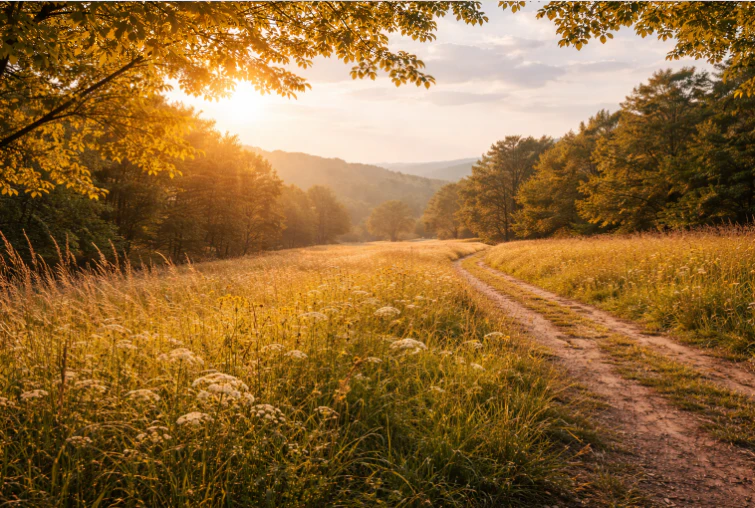
處暑,象徵炎熱逐漸退場,夏天開始鬆動。氣溫不再極端,空氣變得較為清爽,城市進入一種由熱轉涼的過渡狀態。
End of Heat marks the gradual retreat of summer’s intensity. The temperature softens, the air feels lighter, and the city enters a transitional phase between heat and coolness.
中文
處暑,是一個真正讓人感覺到「改變已經發生」的節氣,如果說立秋只是帶來一絲難以確定的變化,那麼處暑則是明確的轉折。炎熱不再佔據主導位置,氣溫開始下降,雖然白天仍然帶著夏天的餘溫,但已經不再那麼壓迫。清晨的空氣變得明顯清爽,走在街上時,呼吸變得輕快,身體不再被熱氣包圍。這種改變不是瞬間發生,而是逐日累積,讓人慢慢意識到季節的轉換。處暑的特點,在於「退」,不是突然消失,而是逐步減弱。白天的陽光依然存在,但強度有所收斂,影子重新變得清晰,光線不再刺眼。城市的節奏也隨之改變,人們不再急於躲避陽光,戶外活動逐漸增加,街道開始恢復活力。冷氣機的使用頻率開始降低,窗戶重新被打開,空氣流動帶來一種久違的自然感。處暑的風,是這個節氣最具代表性的存在,它不像盛夏的風那樣帶著熱,也不像深秋的風那樣帶著涼,而是一種中性的存在,既不壓迫,也不清冷,剛好讓人感到舒適。這種風,使人願意在戶外停留更長時間,也讓城市的夜晚變得更有層次。對學生而言,處暑往往意味著新學期即將開始,生活重新回到規律之中。炎熱的暑假逐漸遠去,取而代之的是一種準備與重新出發的心情。對上班族而言,處暑則是一種釋放,在長時間的高溫之後,身體與情緒終於得到舒緩,工作節奏變得更加穩定。這種變化雖然不劇烈,卻足以影響整體生活品質。處暑同時也帶著一種收尾的意味,夏天並未完全結束,但已經進入尾聲。這種「還在,但即將結束」的狀態,使人開始回顧過去的季節,記憶在此時變得清晰。夜晚的變化尤為明顯,氣溫下降,空氣變得乾爽,街道上的人流增加,人們更願意外出活動。晚風帶來舒適的觸感,使整個城市呈現出一種輕鬆的氛圍。這種夜晚,不再是大暑時的悶熱,也不再是立秋時的模糊,而是一種明確的轉變。處暑的記憶,往往帶著一種釋放與平衡,它不是極端,也不是開始,而是一種從高峰回落的過程。在這個節氣裡,人們重新找回與環境的和諧關係,不再對抗炎熱,而是開始享受變化。這種轉變,使處暑成為一年之中最舒適的節氣之一,它提醒人們,所有的強烈最終都會變得溫和,所有的高峰都會走向平衡。
English Version
End of Heat is a seasonal moment where change becomes undeniably perceptible. If the Beginning of Autumn introduces a subtle shift that is easy to overlook, this period makes the transition clear and tangible. Heat no longer dominates the environment. Temperatures begin to decline, and although daytime still carries traces of summer warmth, the oppressive intensity has eased. Mornings feel noticeably fresher, and walking through the streets, breathing becomes easier as the body is no longer enveloped by heavy heat. This transformation does not occur suddenly but unfolds gradually, allowing people to recognize the passage of time through lived experience. The defining characteristic of this period is retreat. Heat does not vanish; it withdraws step by step. Sunlight remains present, but its sharpness softens, shadows regain clarity, and brightness becomes more comfortable to the eyes. The rhythm of the city adjusts accordingly. People no longer rush to avoid the sun, and outdoor activities begin to increase. Streets regain a sense of vitality, and the reliance on artificial cooling decreases. Windows open once again, and natural airflow reenters daily life, bringing a sense of reconnection with the environment. The wind during this period is particularly distinctive. Unlike the hot winds of peak summer or the cool breezes of late autumn, it exists in a balanced state, neither oppressive nor cold, offering a sense of ease. This quality encourages people to spend more time outdoors and gives the evenings a richer atmosphere. For students, this period often signals the approach of a new academic term, marking a return to structure after the looseness of summer. The fading heat parallels a psychological shift toward readiness and renewal. For working adults, it brings relief after prolonged exposure to high temperatures, allowing both physical and emotional recovery. Even though the change is subtle, it significantly improves overall well-being. This period also carries a sense of closure. Summer has not completely ended, but it is clearly nearing its conclusion. This “still present, yet ending” condition invites reflection, making memories of the season feel more vivid. The transformation becomes especially noticeable at night. Temperatures drop further, the air grows drier, and the streets become more active as people venture outside. Evening breezes provide comfort, creating a relaxed urban atmosphere. These nights differ greatly from the heavy heat of peak summer or the ambiguous transition of early autumn. They represent a clear and tangible shift. The memory of this season is often associated with release and balance. It is not defined by extremes or beginnings, but by the process of returning from intensity to equilibrium. During this time, people rediscover harmony with their surroundings. Instead of resisting the heat, they begin to appreciate change. This transition makes End of Heat one of the most comfortable periods of the year, reminding us that intensity inevitably softens, and every peak eventually moves toward balance.