小寒|寒冷開始與冬日加深 | Minor Cold | The Onset of Deep Winter Chill | 24節氣記憶系列 第23章

小寒,標誌著寒冷真正開始加深。氣溫持續下降,冷空氣變得穩定而明顯,冬天進入更深層次。
Minor Cold marks the true intensification of winter chill. Temperatures continue to fall, and cold air becomes steady and unmistakable.
中文
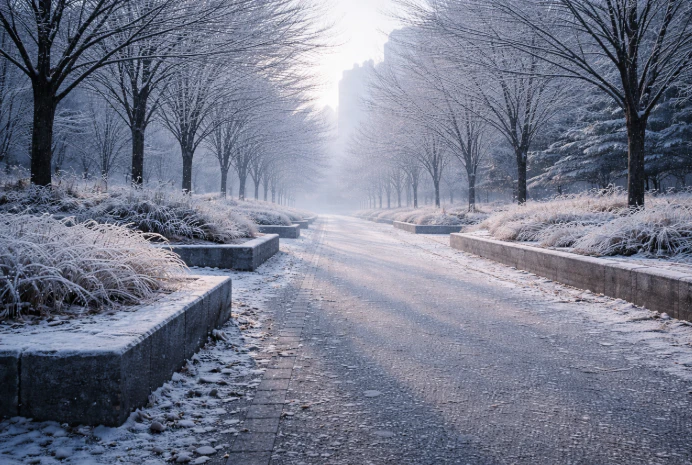
小寒,是冬天逐漸走向最深處的開始,如果說立冬是宣告,冬至是轉折,那麼小寒則是寒冷真正落實的時刻。氣溫在這個節氣中持續下降,冷不再只是感覺,而成為日常的一部分。清晨出門時,空氣帶著明顯的刺感,呼吸之間可以看到白霧,這種視覺上的變化,使寒冷變得具體而可見。風在這個時候變得更加銳利,吹過臉部與手部時帶來直接的刺激,讓人不自覺加快腳步或收緊身體。小寒的光線,也帶著一種特殊的質感,陽光雖然存在,但力量微弱,顏色偏冷,照在地面上時顯得清晰卻缺乏溫度。影子依然很長,但邊界變得更加銳利,使整個空間呈現出一種冷靜而分明的結構。城市在小寒之中運作,呈現出一種節奏上的收縮,人們減少不必要的外出,更多時間停留在室內,尋找溫暖的空間。街道上的行人步伐變快,停留時間縮短,整體活動變得更有效率。這種變化,使城市呈現出一種緊湊而內向的狀態。對學生而言,小寒通常已經進入假期或接近假期,寒冷的天氣與時間的空白形成對比,生活節奏變得不那麼固定,但活動範圍縮小。對上班族而言,小寒則是一種年度初期的適應,在新的一年開始之際,人們在寒冷中重新建立節奏,將生活與工作重新安排。小寒同時帶著一種積累的意味,寒冷在這個階段不斷加深,逐步接近極致,但仍然保留一點未達頂峰的空間。這種「尚未最冷」的狀態,使人對接下來的節氣產生預期。自然界在小寒之中顯得更加靜止,植物完全進入休眠,動物活動減少,整個環境呈現出一種低動態的狀態。這種靜止,使聲音變得更加突出,腳步聲、風聲、甚至呼吸聲,都變得清晰。夜晚的小寒更加深刻,氣溫下降到一天之中最低點,空氣乾冷而透明,天空顯得深邃,星光更加明亮。這種夜晚帶著一種純粹的冷,使人感受到冬天的本質。小寒的記憶,往往來自於這些直接的感受,是空氣中的刺冷,是呼吸的白霧,是光線的冷色,也是節奏的收縮。在這個節氣裡,人們開始真正面對寒冷,並在其中找到適應的方式。小寒提醒我們,極端的到來並非突然,而是透過一層一層的累積逐漸形成,當寒冷開始穩定,冬天也真正進入它最深的狀態。
English Version
Minor Cold represents the stage where winter begins to move toward its deepest intensity. If the Beginning of Winter marks the arrival and the Winter Solstice marks the turning point, Minor Cold is where cold becomes fully integrated into daily life. Temperatures continue to fall, and the sensation of cold is no longer occasional but constant. Stepping outside in the morning, the air carries a sharp edge, and each breath produces visible condensation, making the cold both tangible and visible. The wind becomes more piercing, brushing against the face and hands with a direct intensity that prompts immediate physical reactions. Light during this period takes on a distinct quality. Although the sun remains present, its warmth is minimal, and its tone is cooler, illuminating the environment with clarity rather than heat. Shadows remain long, with sharper edges that define the structure of space more distinctly. Urban rhythms contract during this time. People reduce unnecessary outdoor activities and spend more time indoors, seeking warmth. Movements become more efficient, with shorter pauses and quicker steps. The city feels more compact and inward-focused. For students, this period often coincides with holidays or the transition into them, where the cold contrasts with a more flexible schedule, yet limits outdoor movement. For working adults, Minor Cold represents an early phase of the new year, requiring adjustment and the reestablishment of routines within a colder environment. This season also carries a sense of accumulation. Cold continues to intensify, approaching its peak but not yet reaching it. This “not yet the coldest” condition creates anticipation for what is to come. Nature during this time appears nearly motionless. Plants are fully dormant, and animal activity is minimal, creating an environment of low movement. In this stillness, sounds become more pronounced. Footsteps, wind, and even breathing are more noticeable. Nights during Minor Cold are particularly striking. Temperatures reach their lowest point of the day, and the air becomes dry and clear, revealing a deeper sky and brighter stars. This kind of night expresses the essence of winter—a pure, unfiltered cold. The memory of Minor Cold is shaped by these immediate sensations: the sharpness of the air, the visibility of breath, the cool tone of light, and the contraction of rhythm. During this time, people confront the reality of cold and learn to adapt within it. Minor Cold reminds us that extremes do not arrive suddenly, but through gradual accumulation. When cold becomes steady, winter reaches a deeper level of presence.