
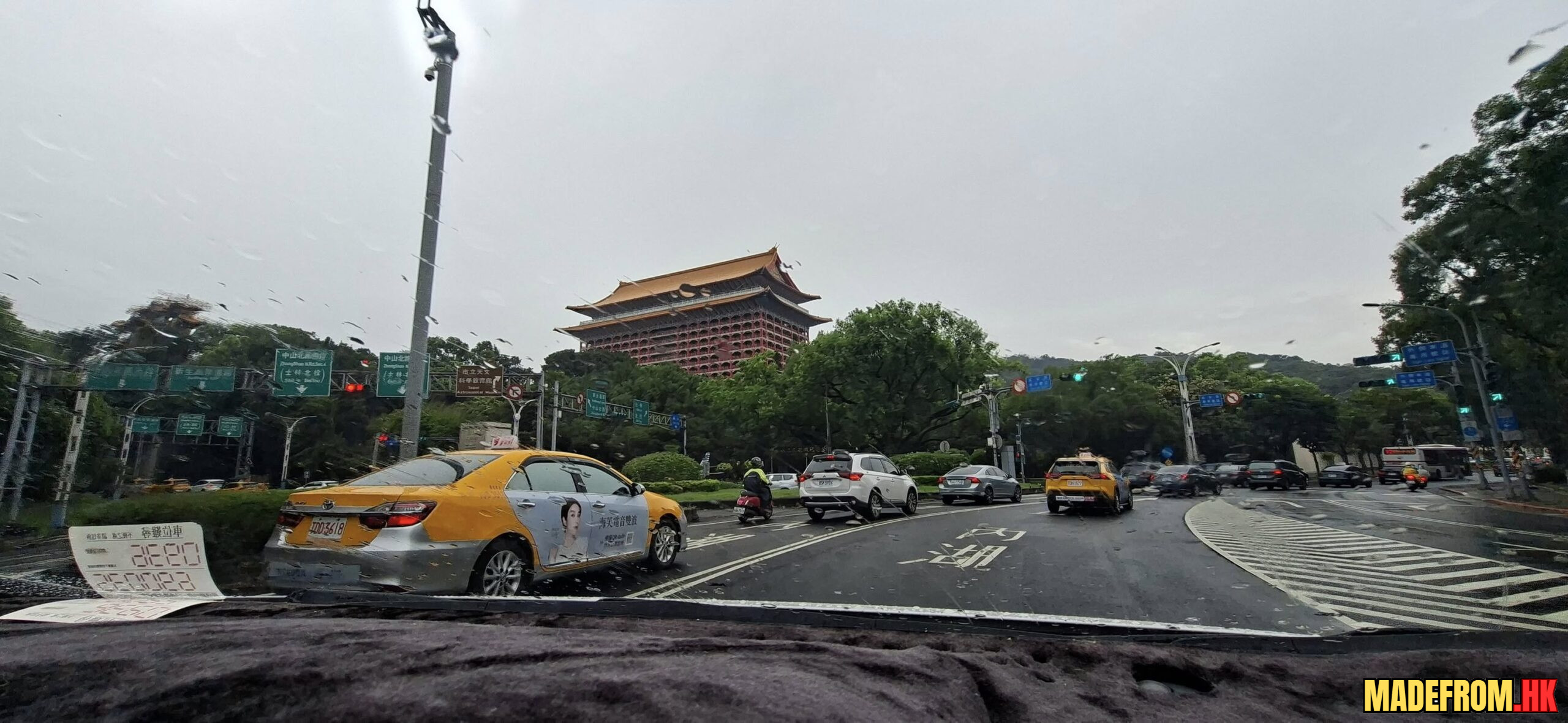
台灣故宮博物院文化瑰寶殿堂|National Palace Museum Taiwan Cultural Treasures

台灣故宮博物院收藏跨越千年的文物珍品,承載中華文明的深厚底蘊。從器物到書畫,每一件展品都訴說歷史與藝術交織的文化故事。
The National Palace Museum in Taiwan houses an extraordinary collection spanning thousands of years. Each artifact, from delicate ceramics to masterful paintings, reflects the depth and continuity of Chinese cultural heritage.
作為中華文化的寶庫,故宮博物館收藏了超過70萬件珍貴文物,涵蓋了數千年的歷史與藝術成就,每一件展品都訴說著中華文明的輝煌篇章。
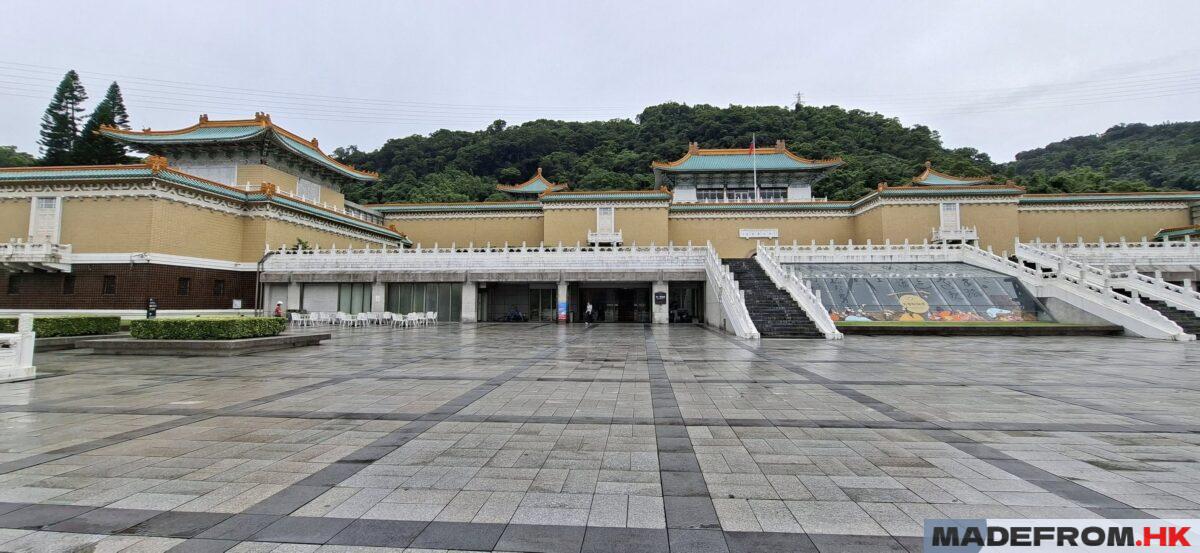
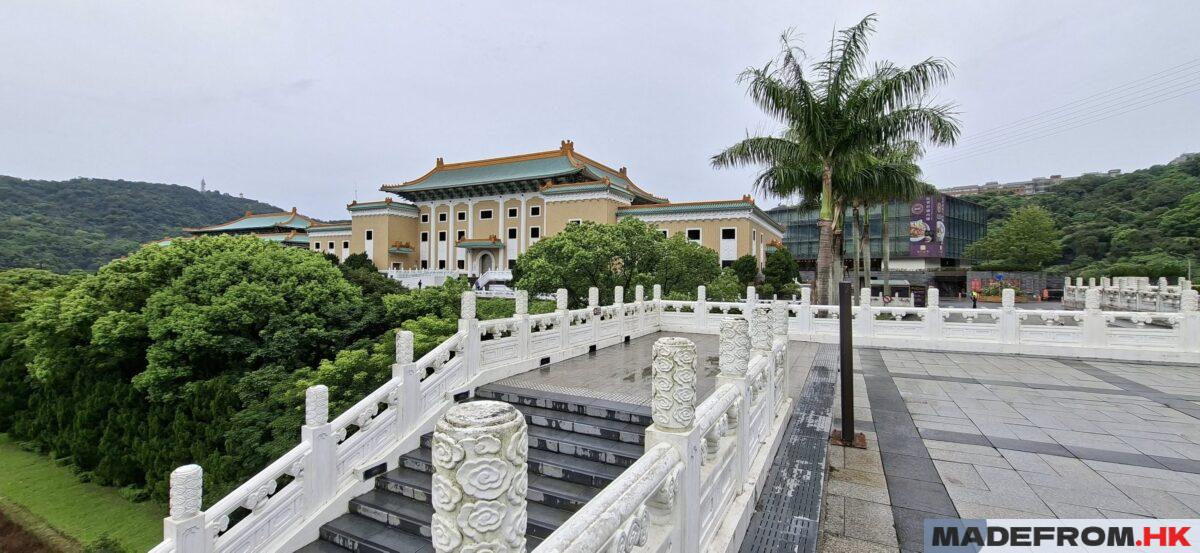
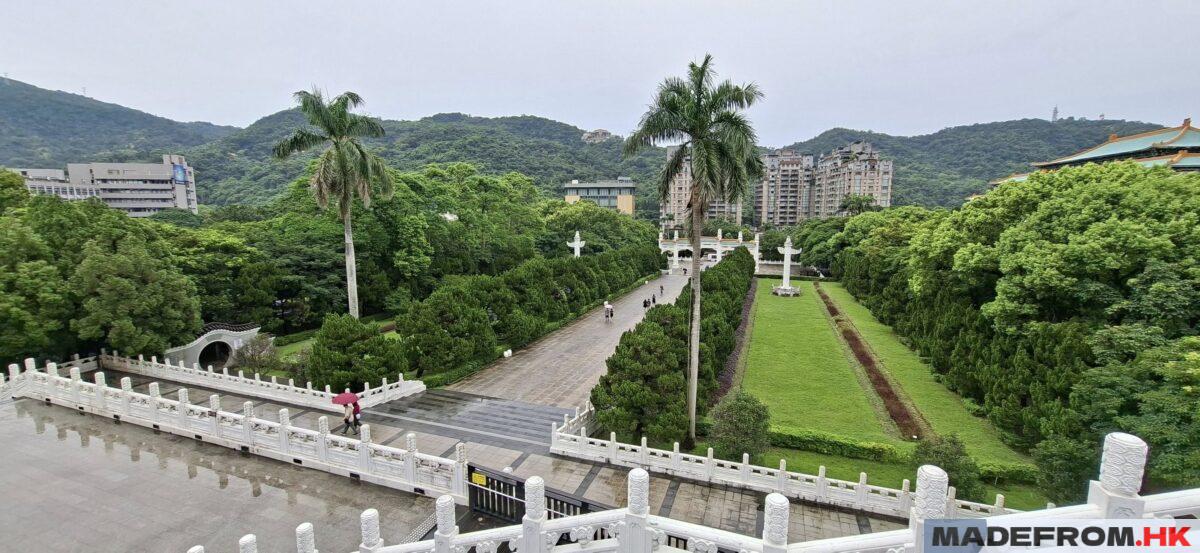
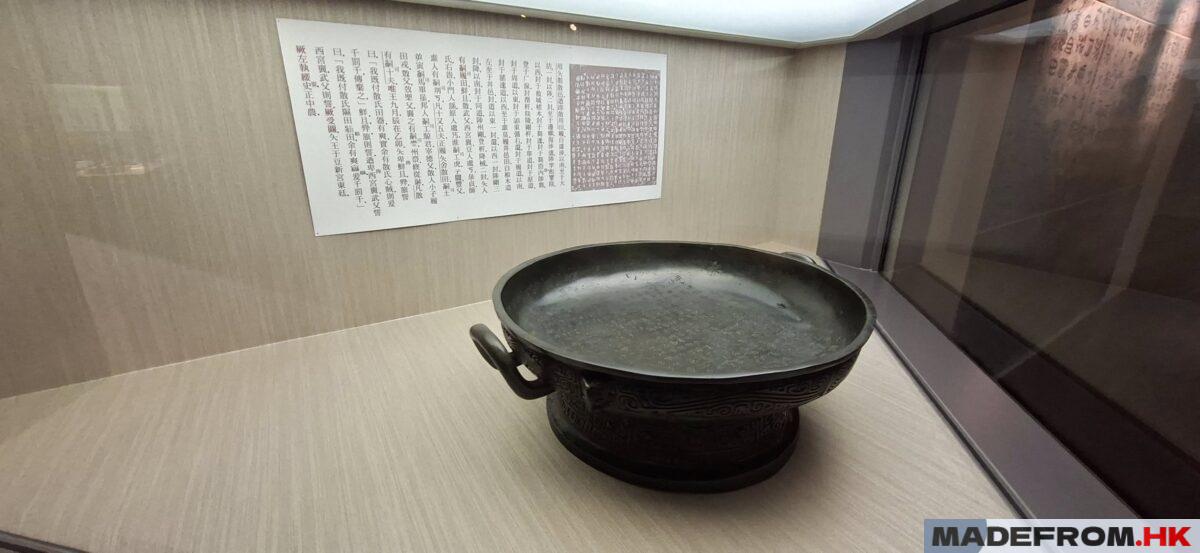
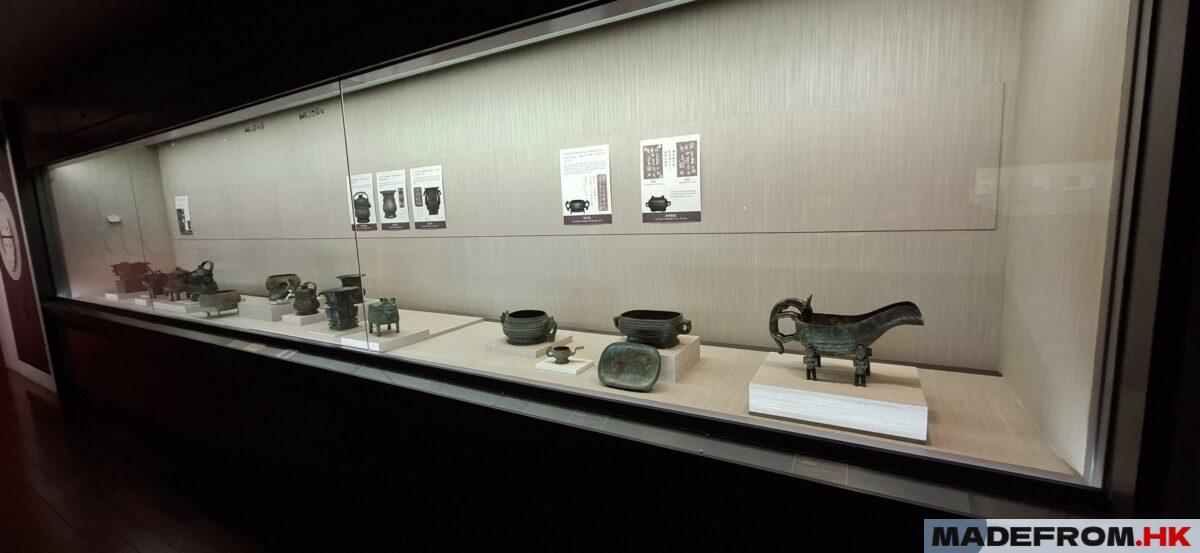
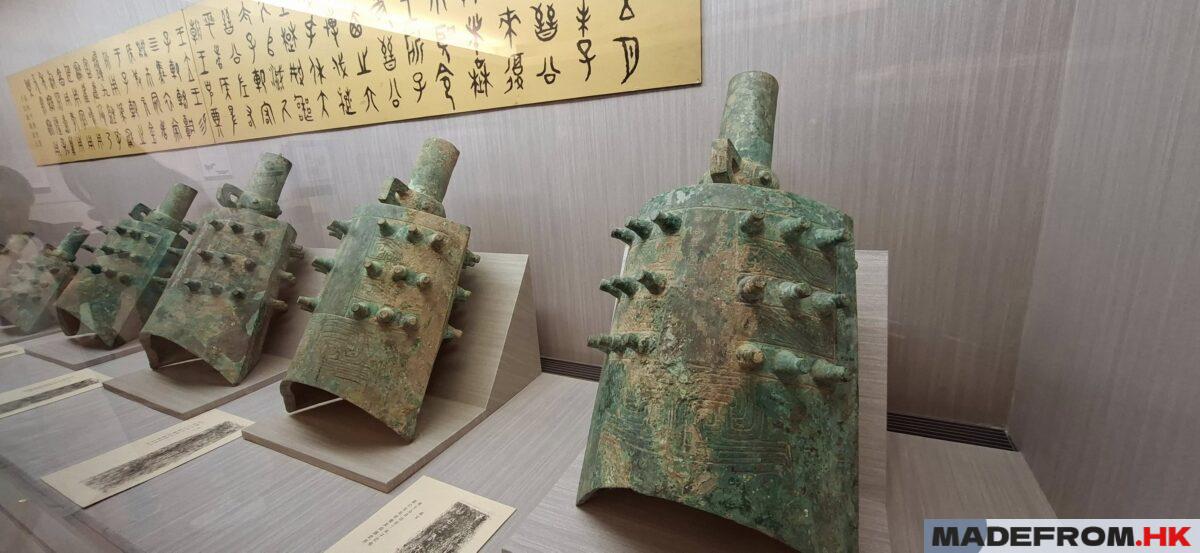
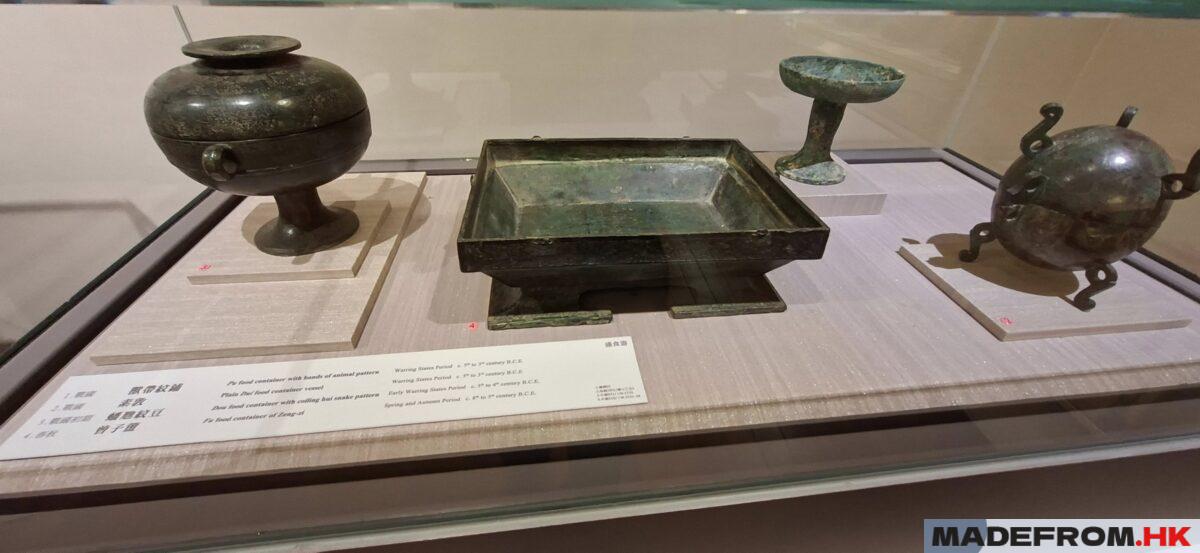
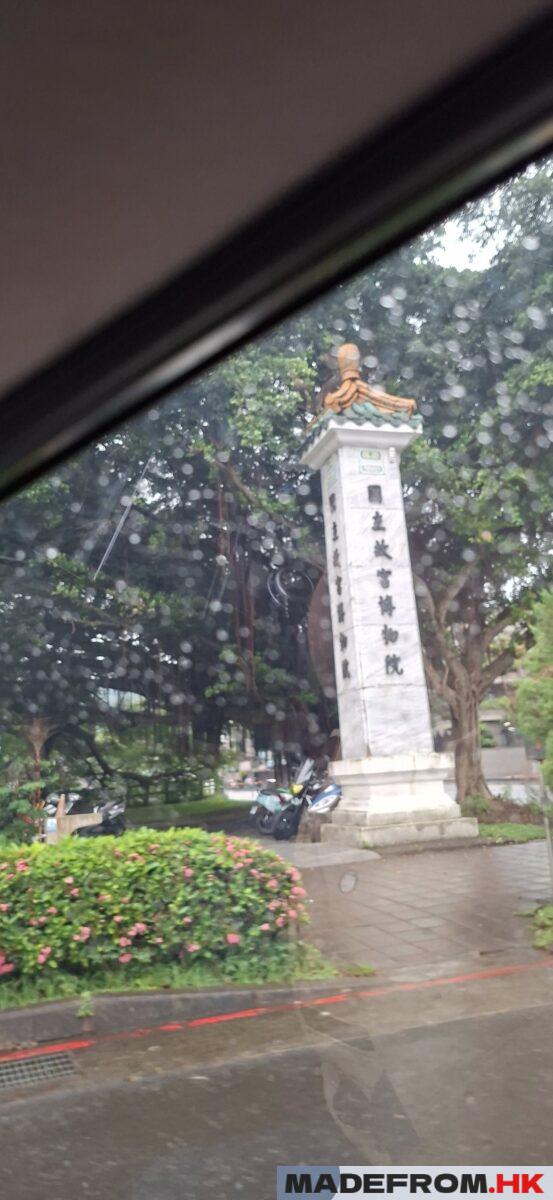
故宮博物館的建築設計融合了傳統與現代元素,其外觀仿照中國宮殿建築,氣勢恢宏,內部則以現代化設施呈現展覽,給予觀眾最佳的觀賞體驗。博物館內部分為常設展與特展區域,常設展展示了書畫、陶瓷、青銅器、玉器等多種藝術品,而特展則定期更換主題,讓人每次造訪都能有全新的體驗。
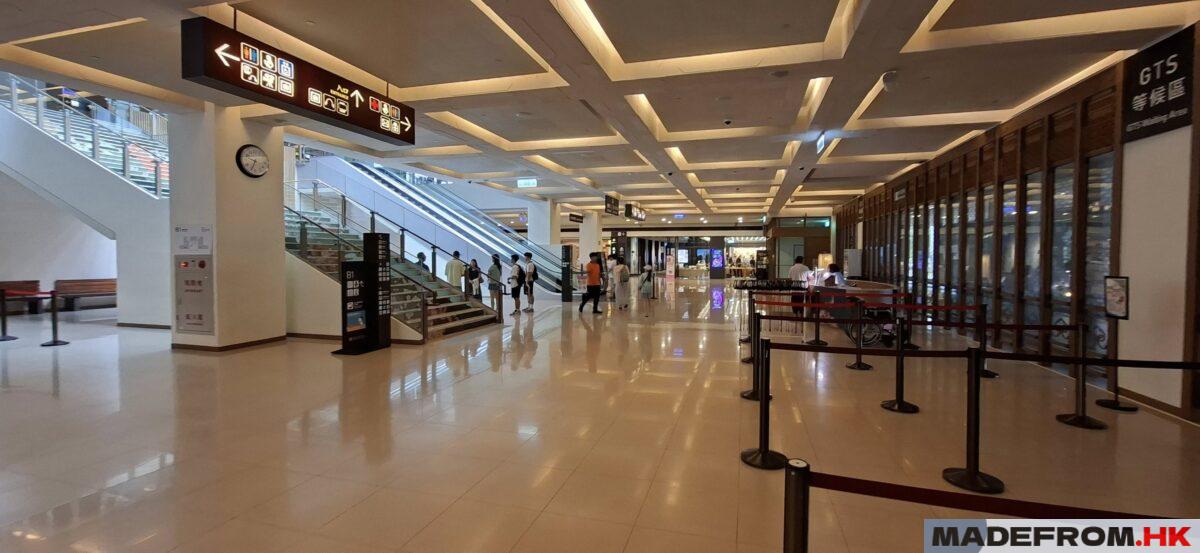
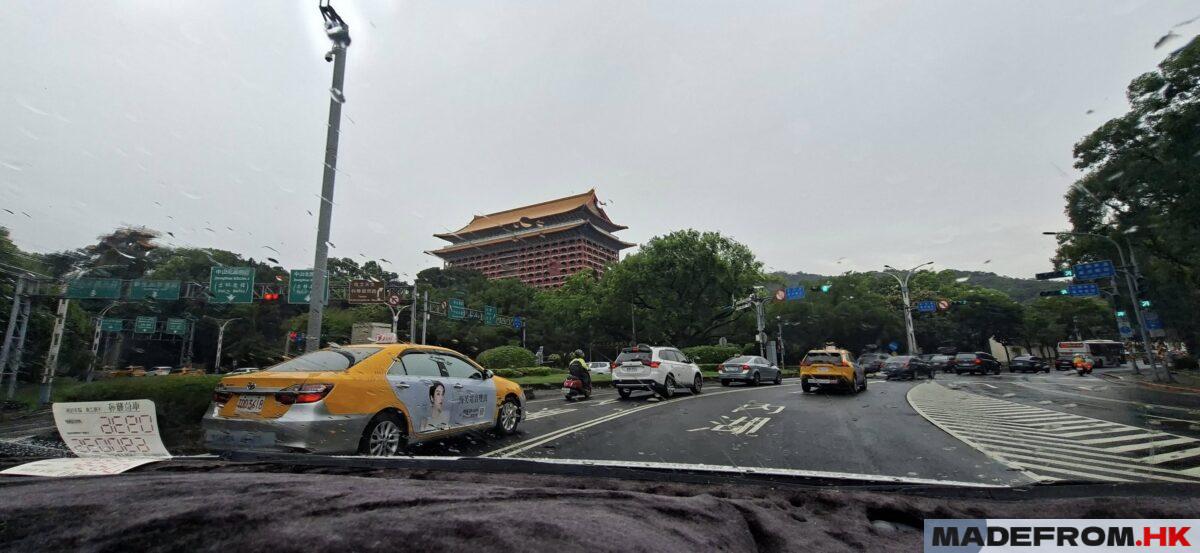
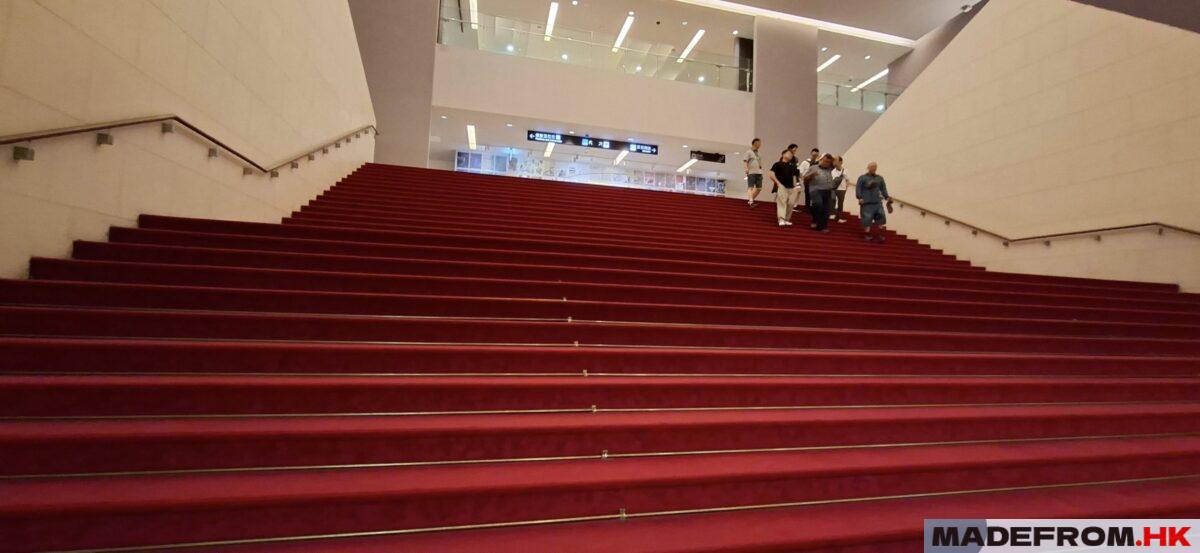
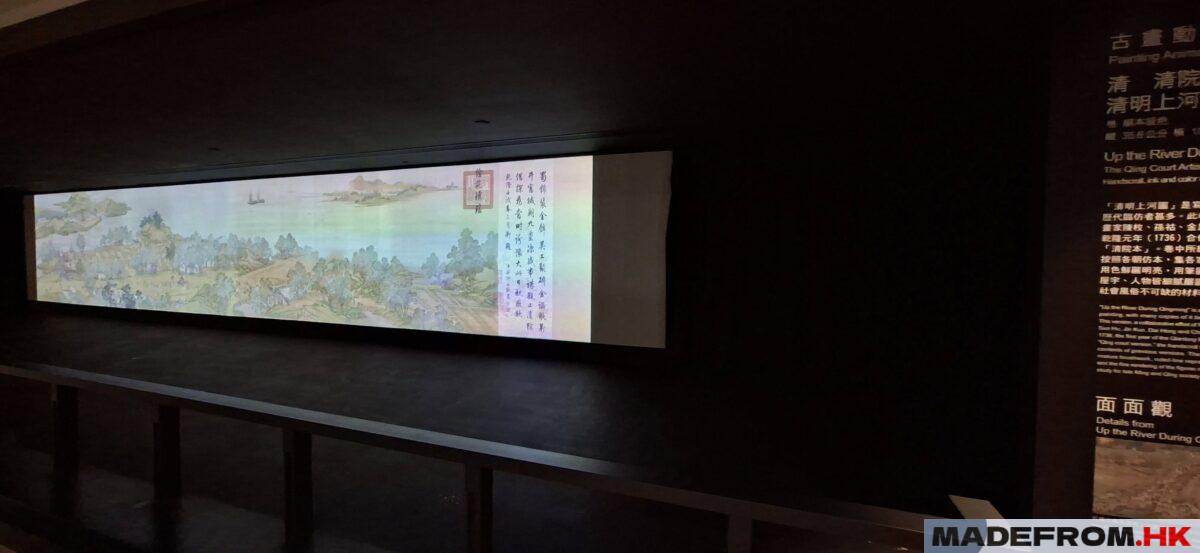
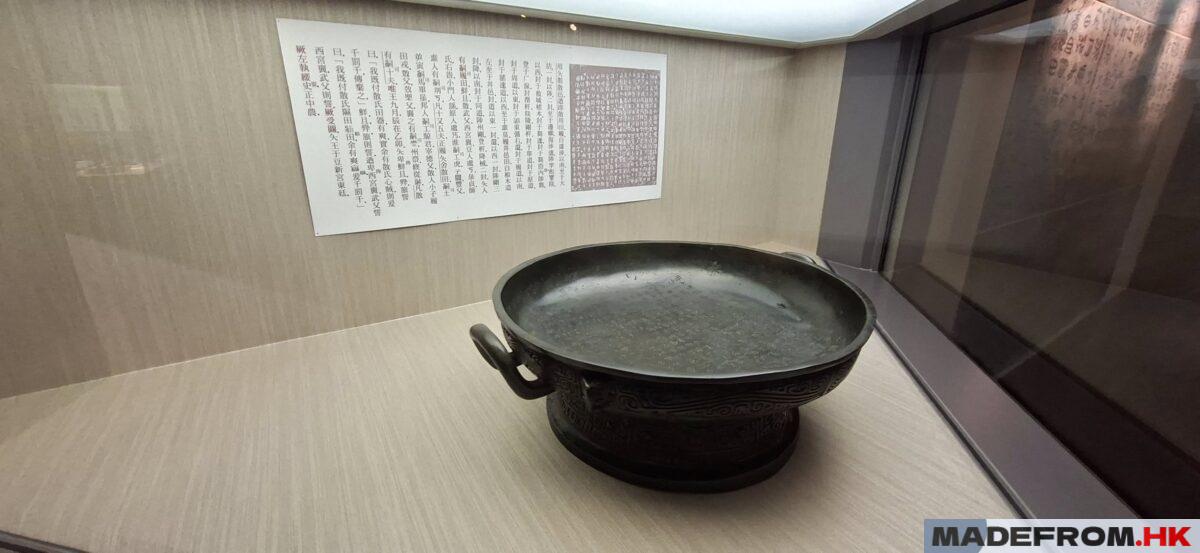
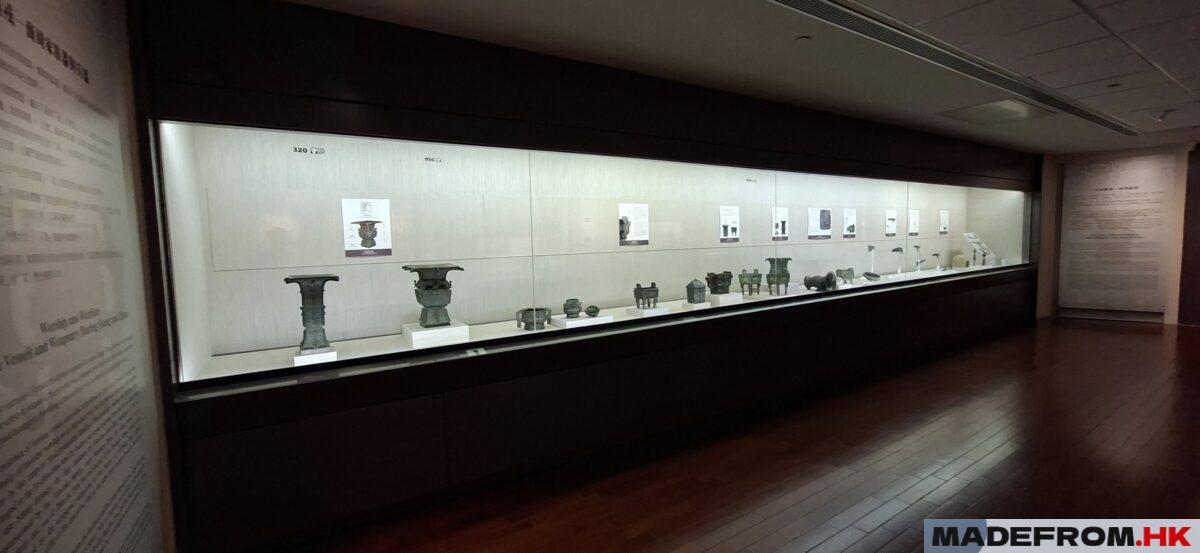
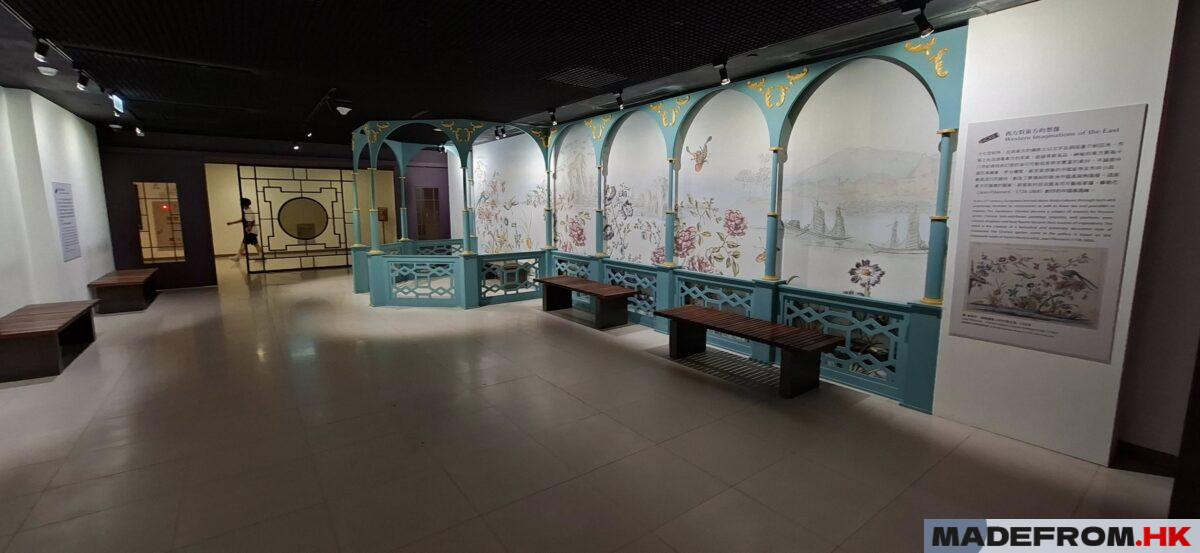
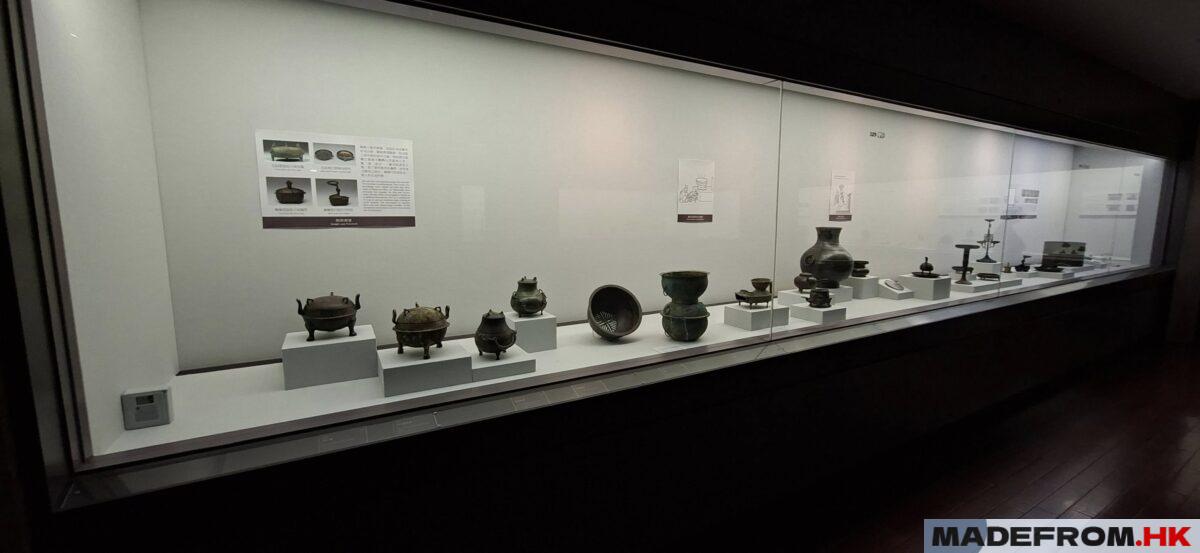
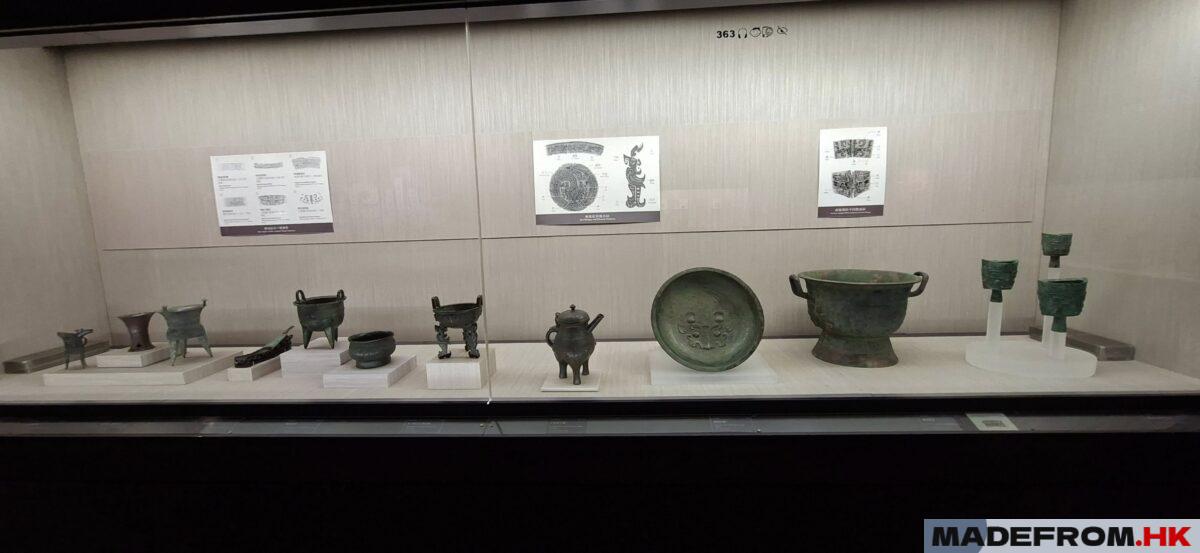
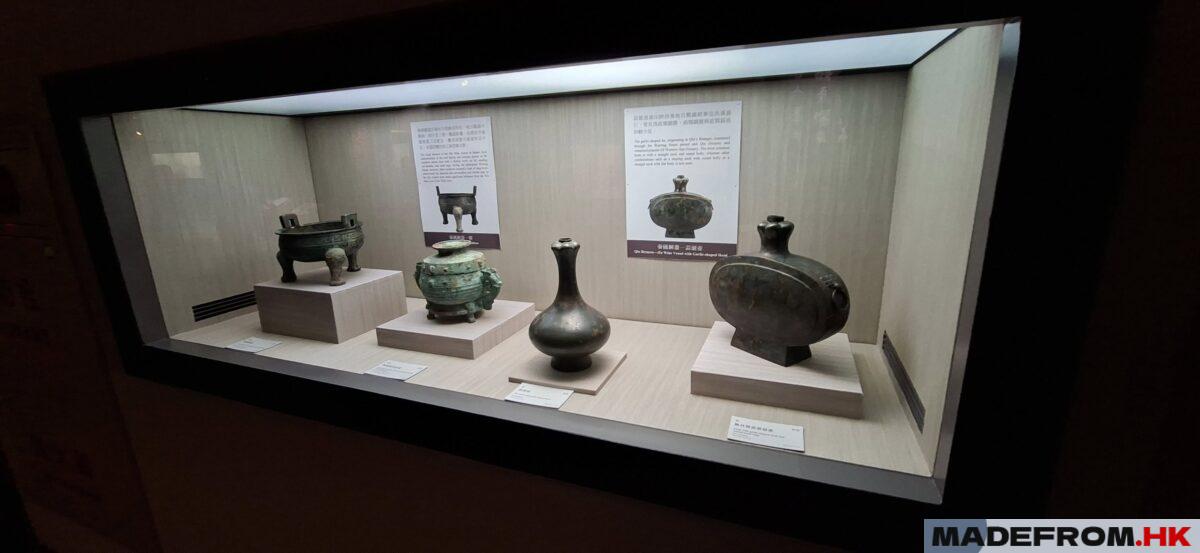
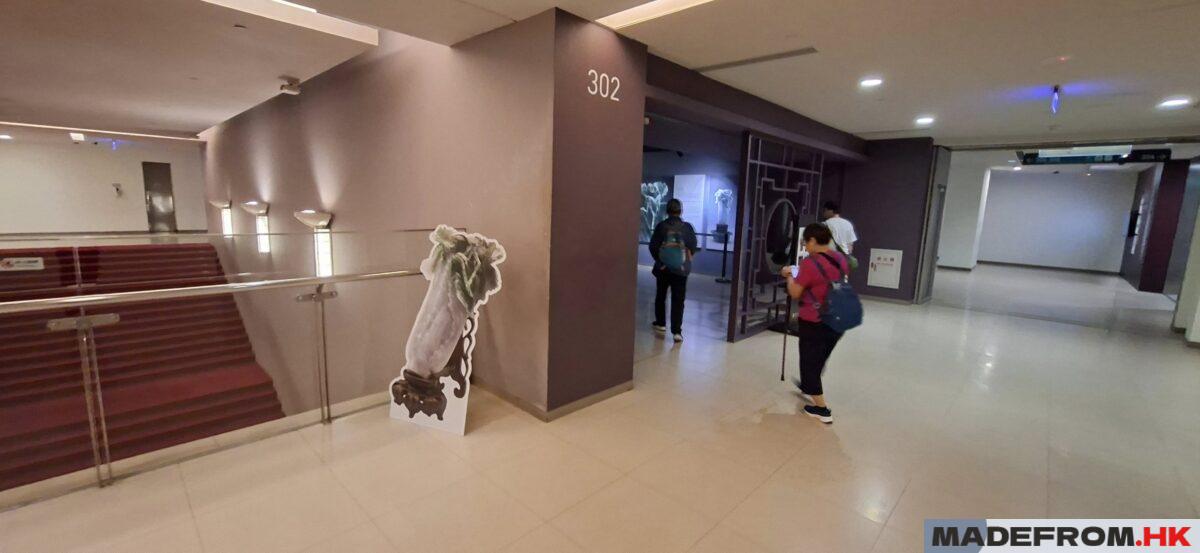
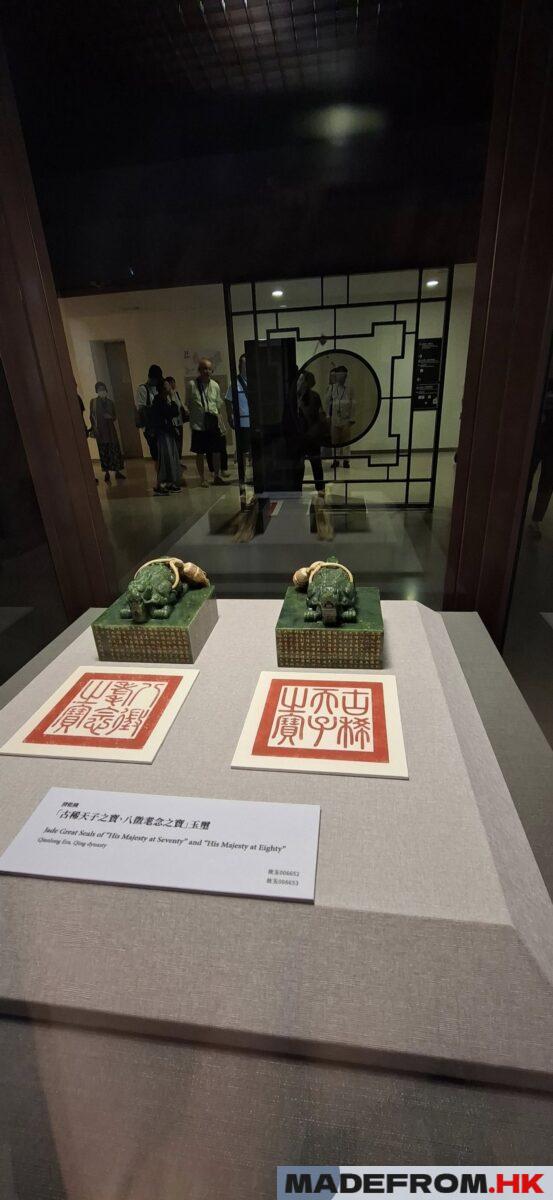
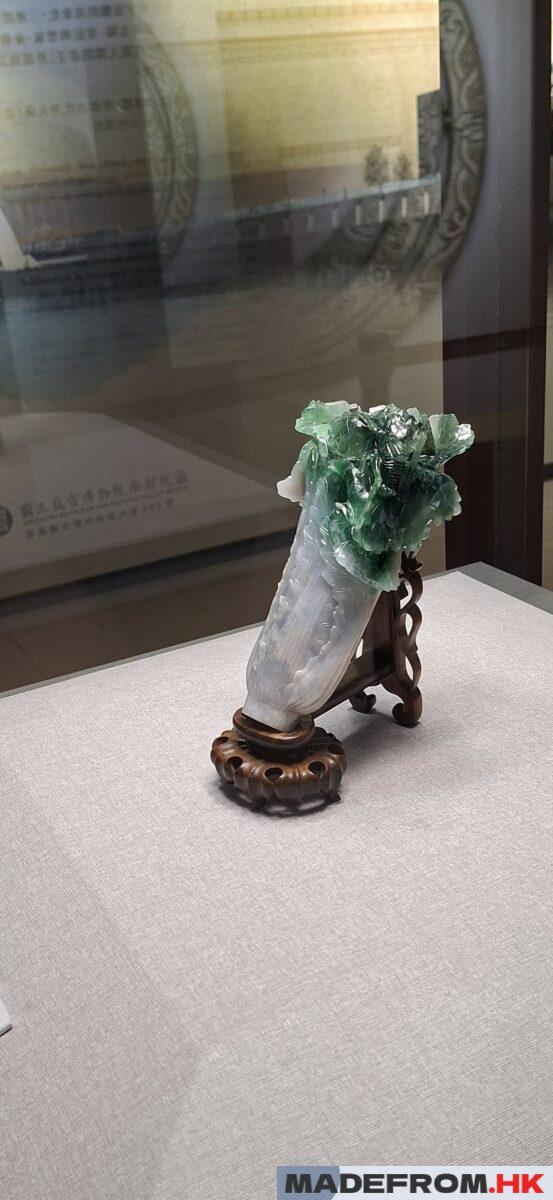
其中最廣為人知的展品莫過於「翠玉白菜」和「肉形石」。翠玉白菜以一塊天然翡翠雕琢而成,細膩的工藝將白菜葉脈與昆蟲栩栩如生地呈現;而肉形石則以其逼真的豬肉外觀而聞名,令人嘆為觀止。此外,故宮還收藏了大量宋元明清的書畫精品,如王羲之的書法拓本和范寬的山水畫,都是不容錯過的國寶級文物。
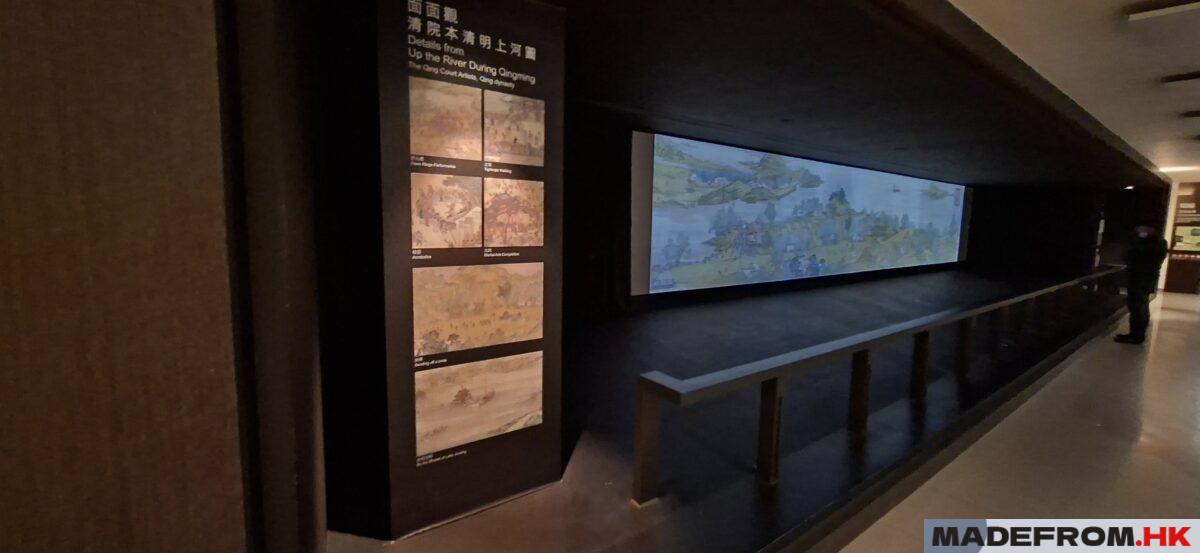
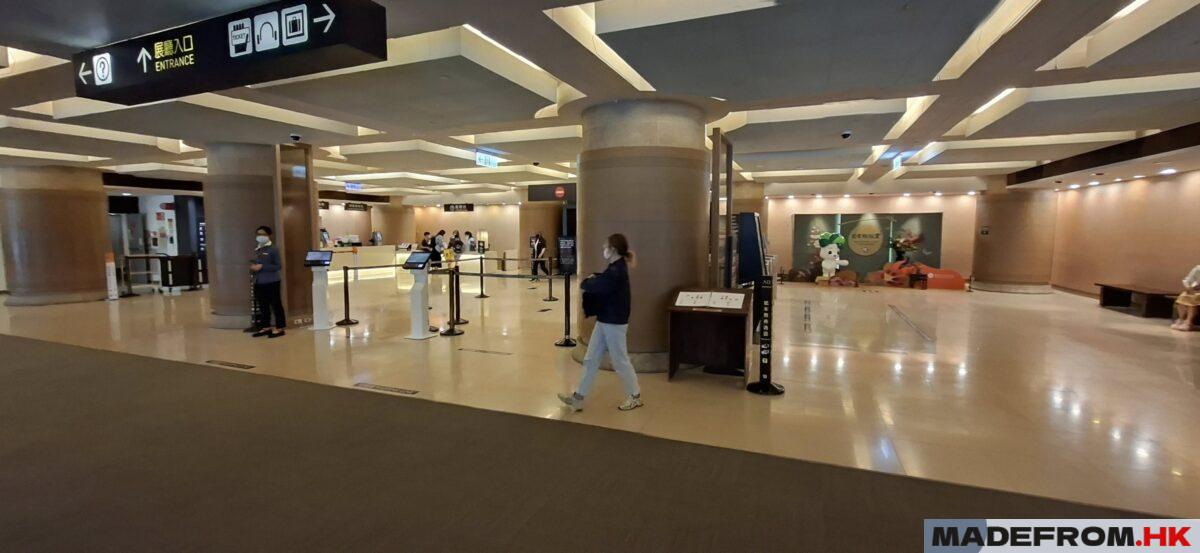

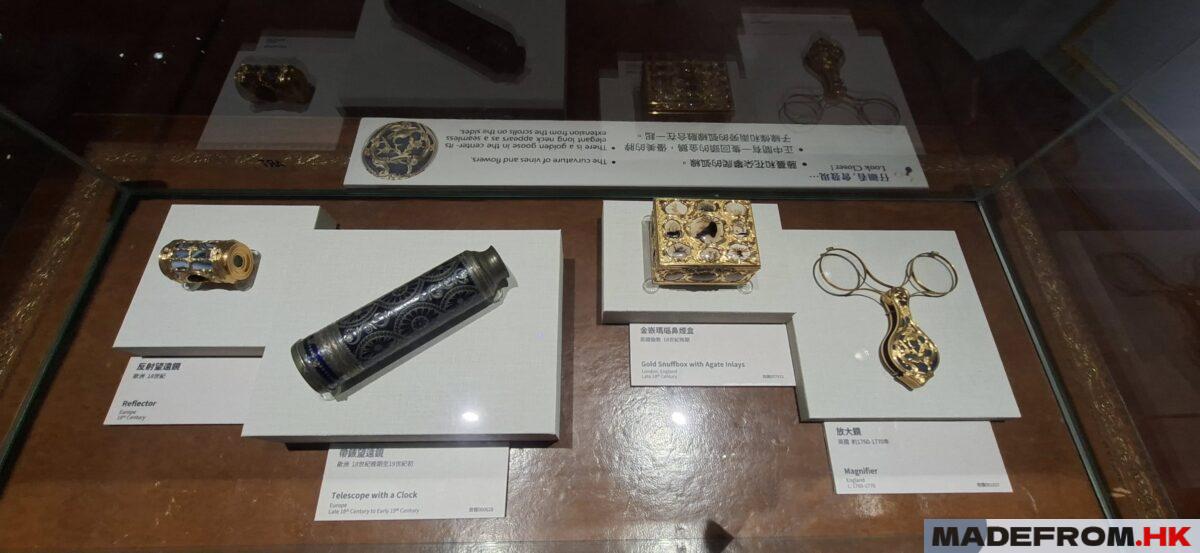
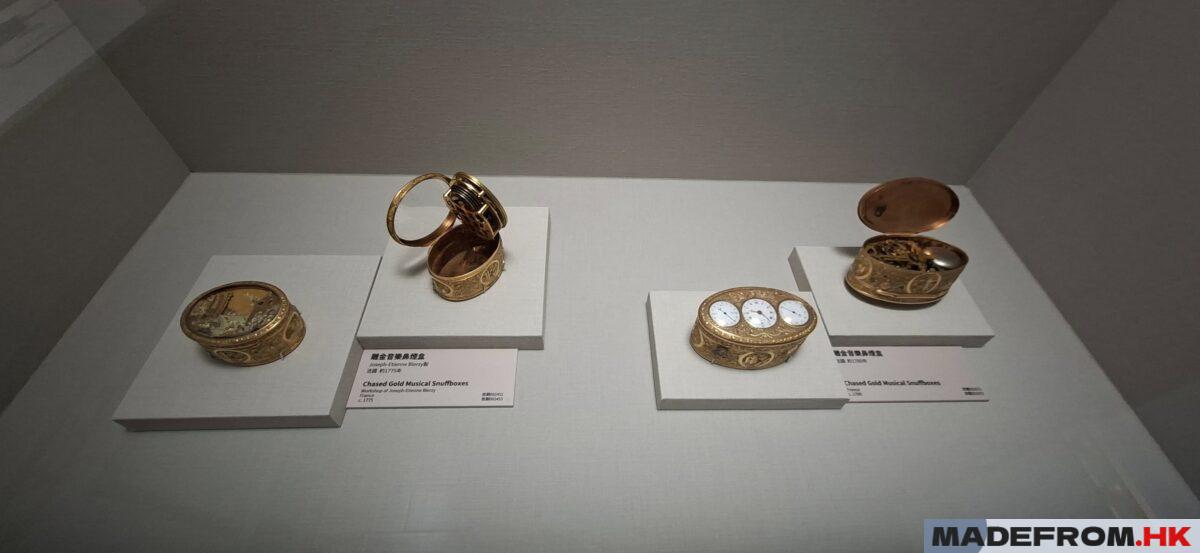
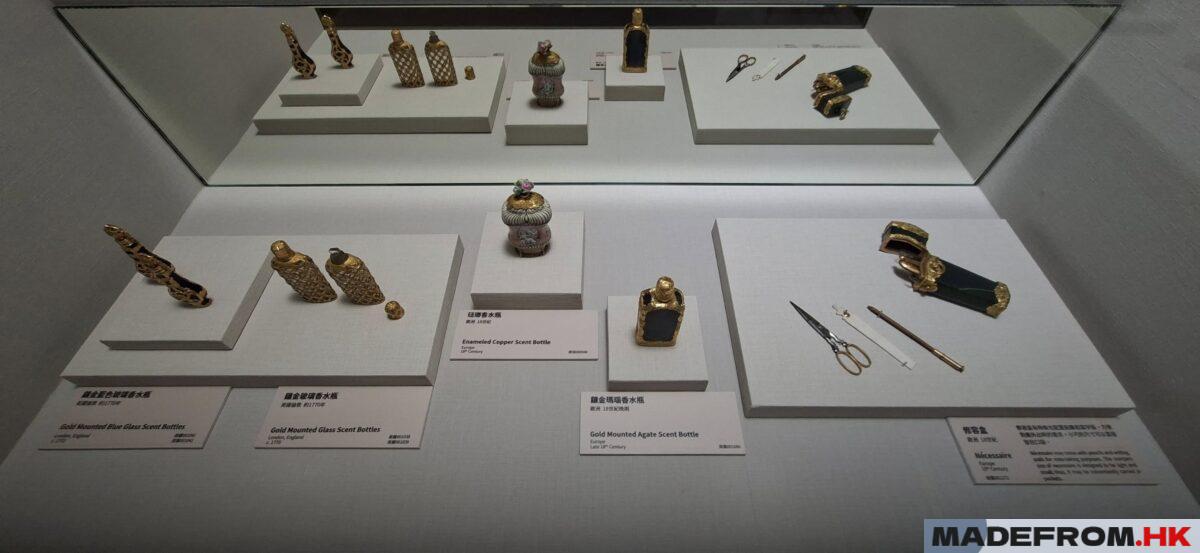
除了靜態展覽,故宮博物館亦積極推動數碼化與教育活動。透過虛擬實境(VR)和多媒體互動技術,觀眾可以更深入了解文物背後的故事。同時,博物館定期舉辦講座、工作坊及兒童活動,以推廣文化知識並吸引不同年齡層的參與。


English Version
The National Palace Museum, located in Taipei, stands as one of the most significant repositories of Chinese art and history in the world. Its collection, comprising hundreds of thousands of artifacts, spans millennia—from ancient bronzes and jade carvings to imperial paintings and calligraphy. More than a museum, it is a cultural archive that preserves the artistic and intellectual legacy of dynasties long past.
The origins of the museum trace back to the early 20th century, when imperial collections from Beijing’s Forbidden City were relocated during times of political upheaval. Eventually, a substantial portion of these treasures found their home in Taiwan. This journey itself forms part of the museum’s historical narrative, reflecting a period of transition and preservation under uncertain circumstances.
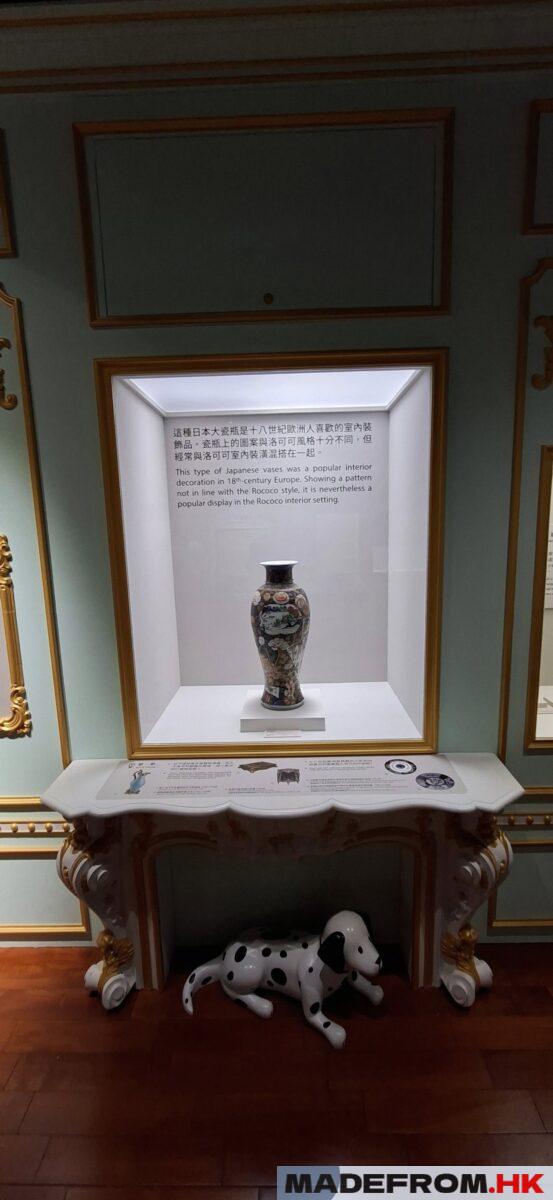
Inside the museum, visitors encounter an extraordinary diversity of objects. Intricately carved jade pieces demonstrate the technical mastery and symbolic significance attributed to this material in Chinese culture. Porcelain works, especially those from the Song and Qing dynasties, reveal evolving aesthetic preferences and technological advancements in kiln production. Each glaze, color, and form tells a story of innovation and refinement.
Calligraphy and painting hold a central place within the collection. These works are not merely visual art but expressions of philosophy, emotion, and scholarly pursuit. Brushstrokes capture the rhythm of thought, while compositions reflect harmony between nature and human perception. Through these works, visitors gain insight into the intellectual traditions that shaped Chinese society.
One of the defining characteristics of the museum is its approach to exhibition. Rather than displaying all items at once, the museum rotates its exhibits regularly. This practice not only preserves delicate artifacts but also ensures that returning visitors can experience different pieces over time. It transforms each visit into a unique encounter with history.
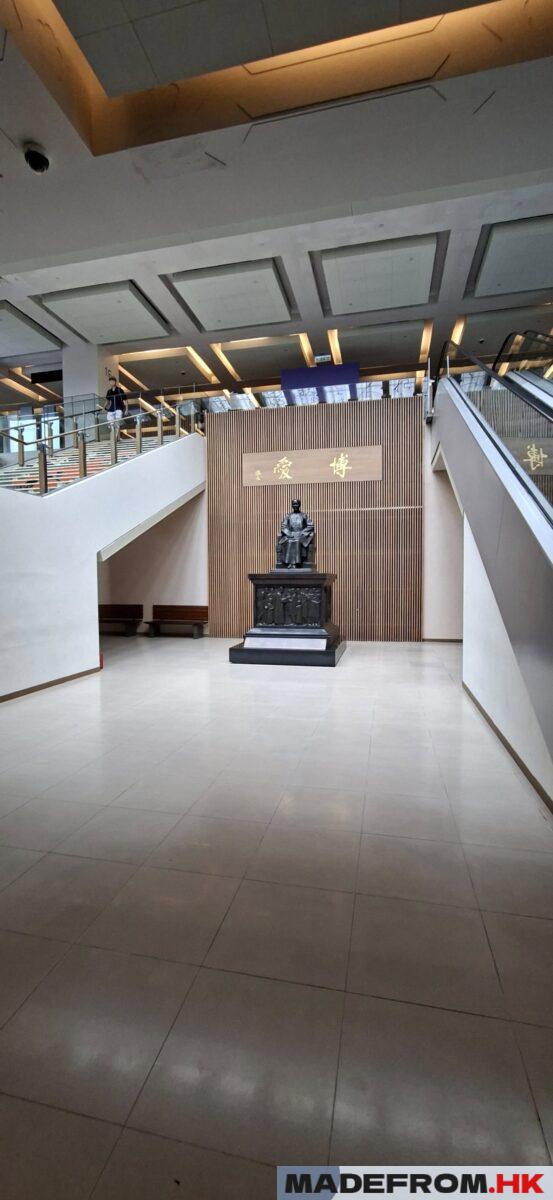
Architecturally, the museum building itself reflects traditional Chinese design elements blended with modern functionality. Its grand halls, symmetrical layout, and carefully curated spaces create an वातावरण that complements the artifacts within. The setting enhances the sense of entering a place where time is layered and preserved.
Beyond its physical collection, the National Palace Museum plays a vital role in education and research. Scholars from around the world study its artifacts to better understand historical craftsmanship, cultural exchange, and artistic development. Digital initiatives have also expanded access, allowing global audiences to explore the collection virtually.
The museum’s significance extends beyond national identity. It serves as a bridge connecting past and present, offering a deeper understanding of cultural continuity. In a rapidly changing world, such institutions provide a sense of grounding, reminding visitors of the enduring value of art, history, and knowledge.
Visiting the National Palace Museum is not simply about viewing objects—it is about engaging with a long and evolving cultural narrative. Each artifact carries layers of meaning, shaped by the people who created, used, and preserved it. Together, they form a collective memory that continues to inspire curiosity and reflection.
總結
台灣故宮博物館不僅是中華文化的重要象徵,更是一座連結歷史與現代的橋樑。無論您是藝術愛好者、歷史研究者,還是單純對文化懷有好奇心的人,都能在這裡找到屬於自己的感動。下次來到台北,不妨抽空一探這座文化瑰寶的風采,相信這將會是一場充滿啟發的文化之旅。
English Summary
The National Palace Museum preserves a vast cultural legacy through its unparalleled collection. It offers a meaningful journey through time, revealing the richness and continuity of artistic and historical traditions.