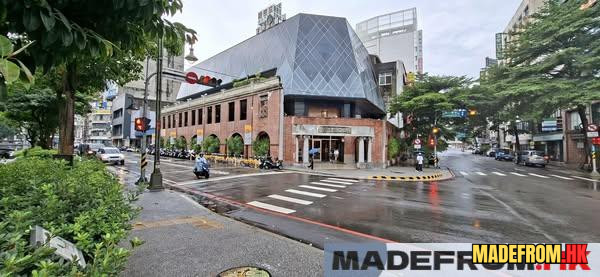
台灣一直以來都是旅遊愛好者的熱門目的地,擁有豐富的文化、自然景觀以及美食。而在台中市,有一個地方不僅充滿歷史故事,更融合了現代設計與獨特風格,那就是宮原眼科。
Miyahara, a former Japanese-era clinic, has been transformed into a unique dessert destination, blending heritage architecture with creative culinary experiences in Taichung.
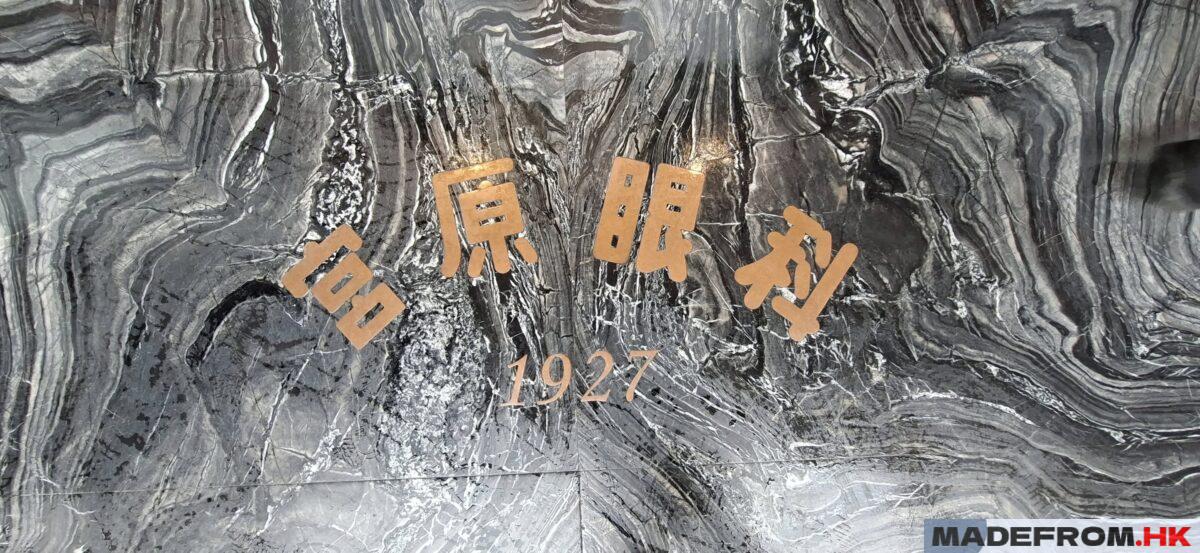
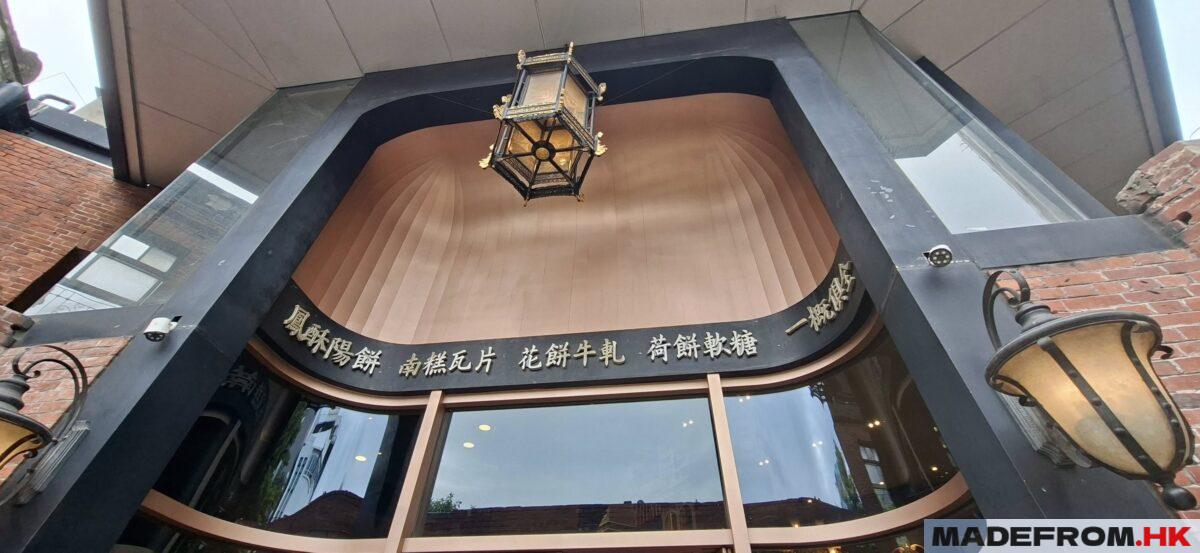
宮原眼科的名字可能會讓人誤以為這是一間眼科診所,但事實上,它是一個結合了文創、甜品以及歷史建築的複合式商店。宮原眼科的前身確實是一間眼科診所,建於1927年,日治時期由日本醫生宮原武熊創立。然而,隨著時代變遷,這座建築逐漸荒廢。直到2010年,台灣知名食品品牌日出集團接手並進行改造,才讓這個地方重新煥發光彩。
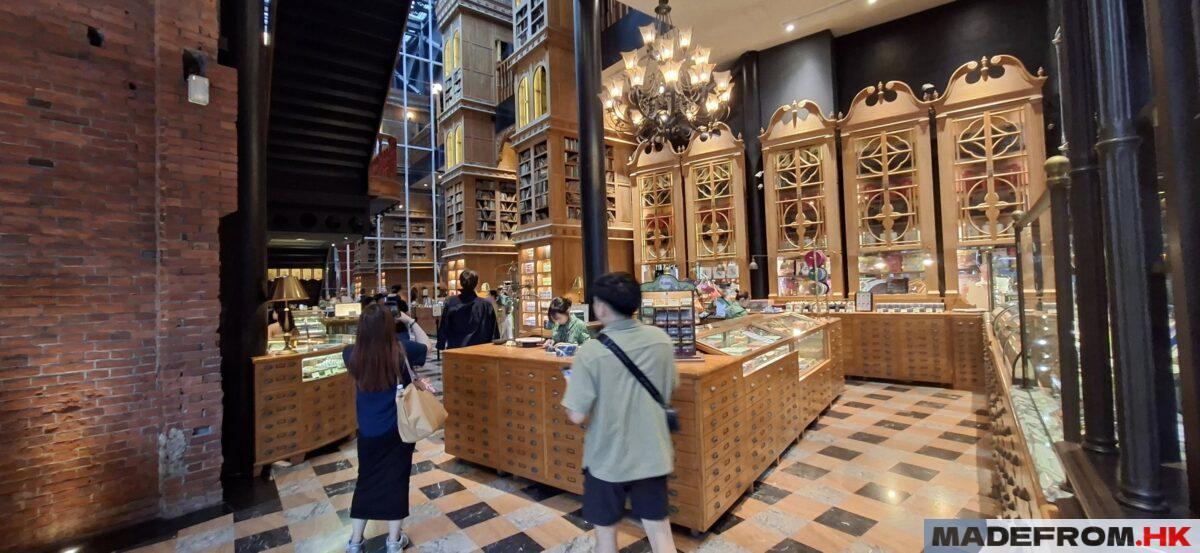
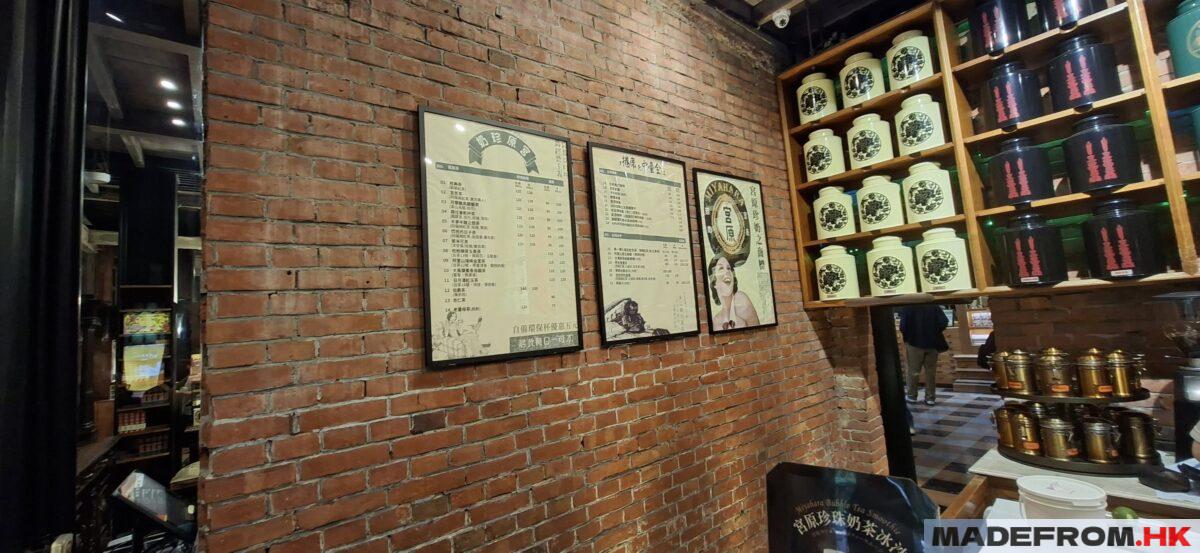
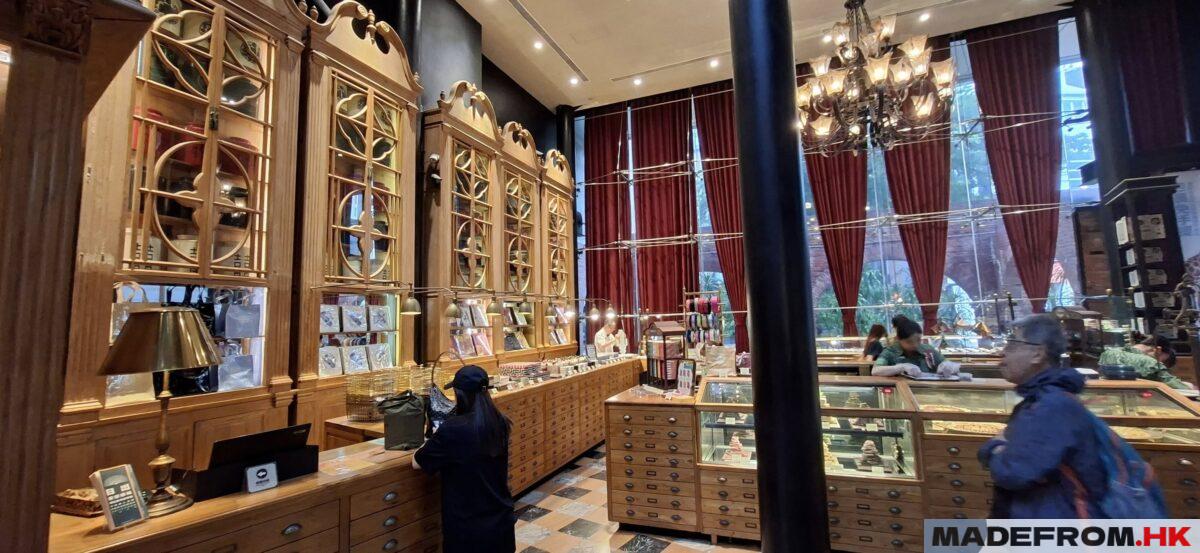
走進宮原眼科,你會立刻被其華麗的室內設計所吸引。高挑的天花板、復古的木質書架,以及充滿文藝氣息的裝飾,讓人彷彿置身於一座古老的圖書館。這裡的每一個細節都經過精心設計,既保留了建築的歷史韻味,又展現了現代美學。
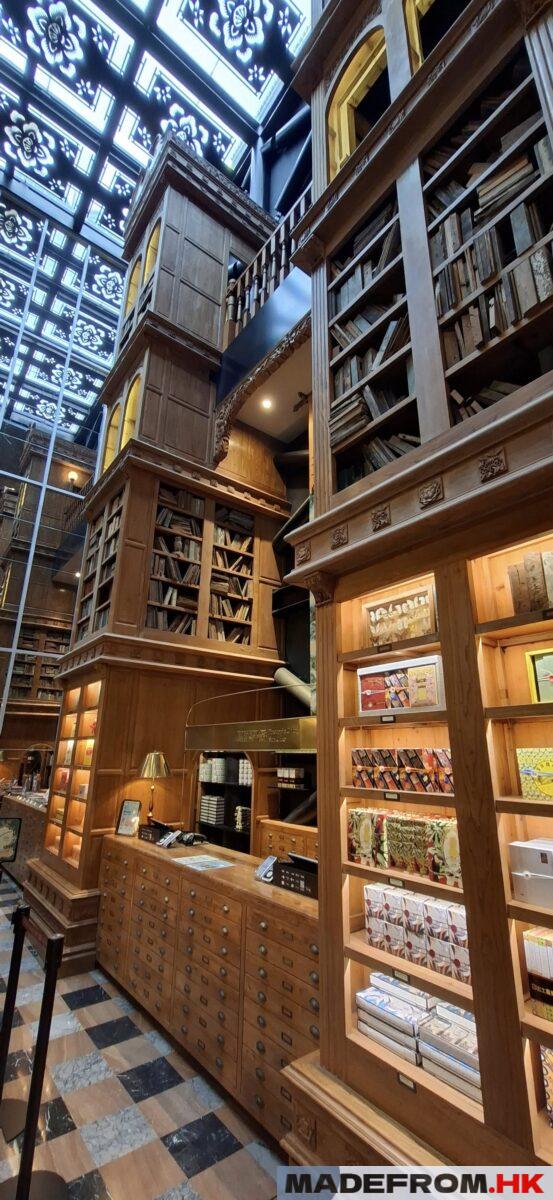
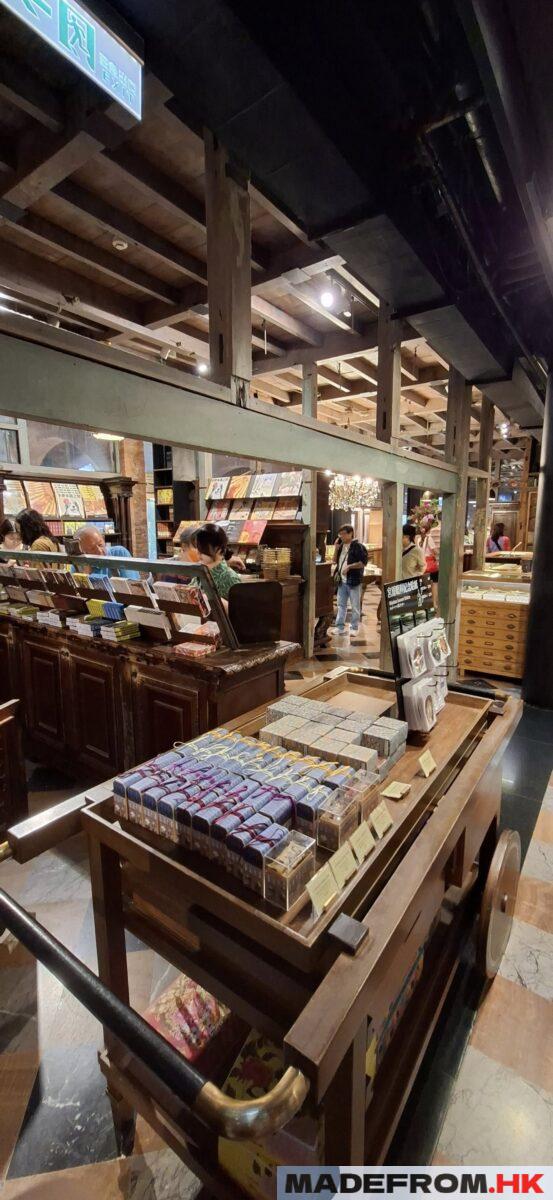
宮原眼科最受歡迎的,莫過於其冰品和甜點。店內提供多種口味的手工冰淇淋,包括台灣特色水果如荔枝、芒果,以及更具創意的口味如烏龍茶和芝麻。每一款冰淇淋都使用高品質原料製作,口感滑順且層次豐富。此外,宮原眼科還有精美的鳳梨酥、巧克力和茶葉禮盒,非常適合作為伴手禮。
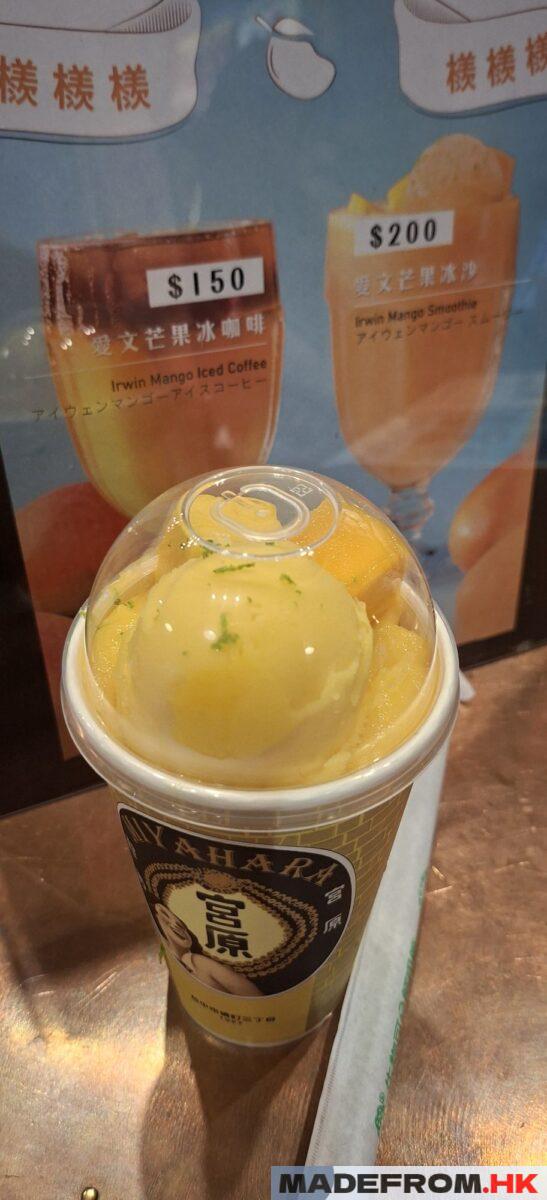
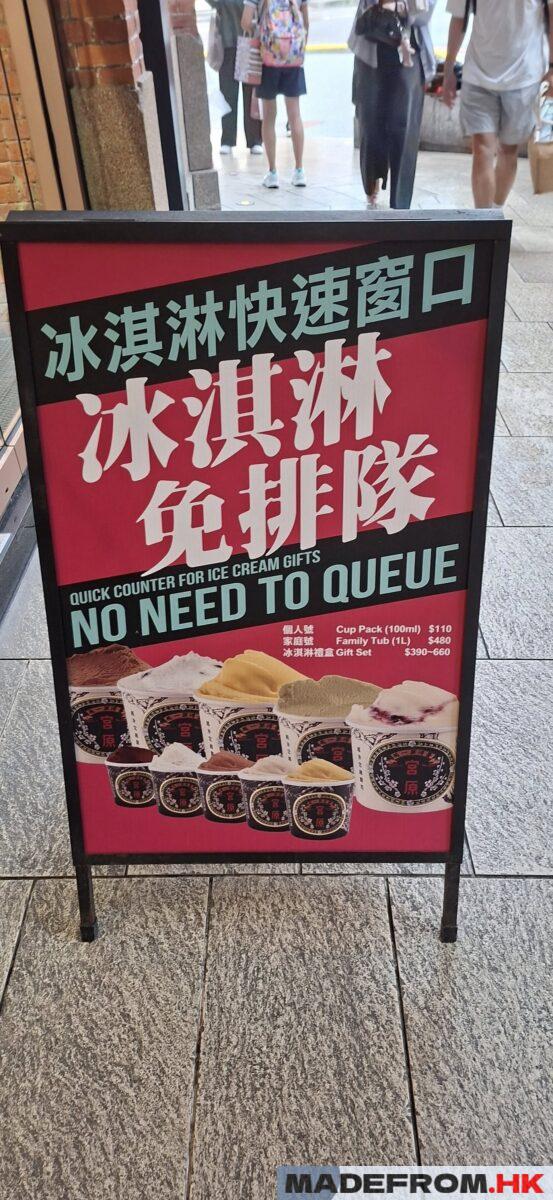
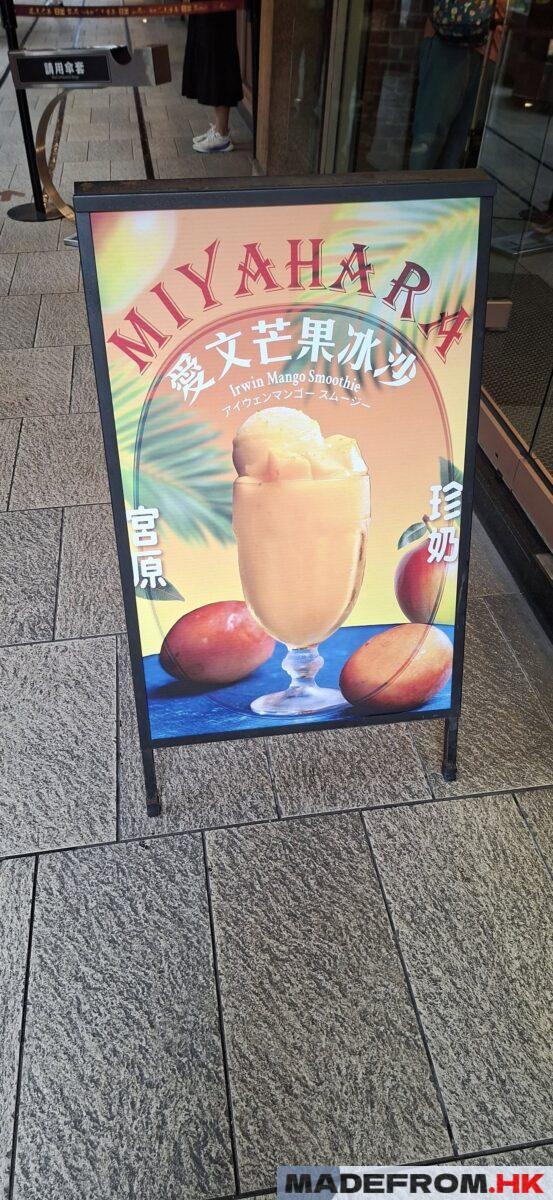
除了美食,宮原眼科也致力於推廣台灣文化。店內的包裝設計充滿創意,融合了台灣傳統元素與現代藝術,彰顯了文化與商業的完美結合。每一件產品都像是一件藝術品,讓人愛不釋手。
如果你計劃造訪台中,宮原眼科絕對是一個不可錯過的地方。無論是品嘗美味甜點、欣賞獨特建築,還是選購精緻伴手禮,都能讓你感受到台灣的創意與熱情。
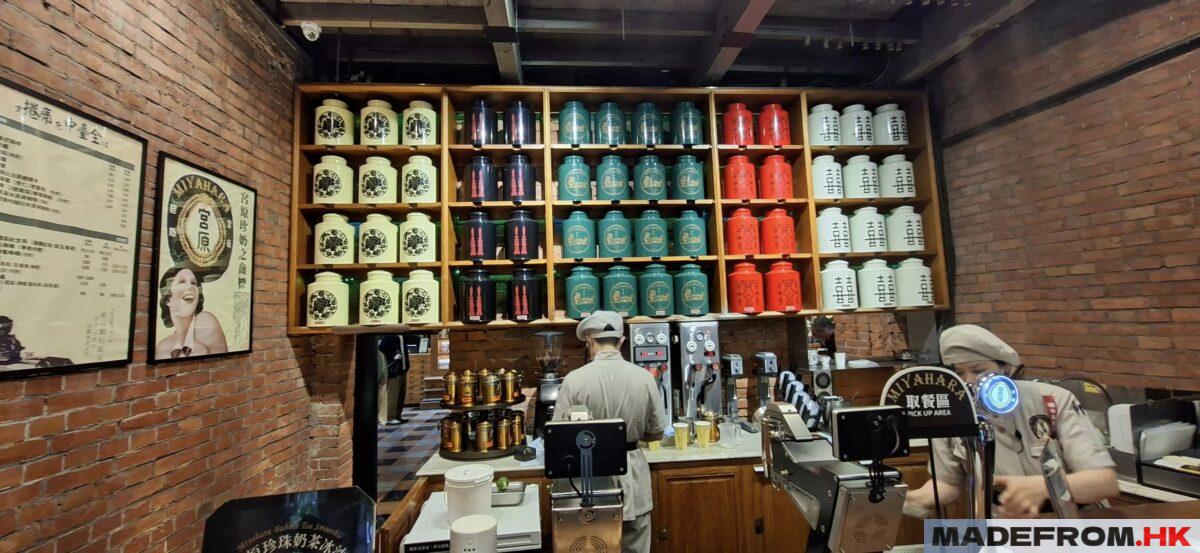
宮原眼科,不僅是一個商店,更是一個承載著歷史與文化的空間。透過它,我們得以重新認識台灣的美好。下一次旅程,不妨安排時間來這裡探索一番,相信你會留下深刻的印象。
English Version
Miyahara is one of Taichung’s most distinctive cultural landmarks, where history, architecture, and gastronomy intersect in a space that feels both nostalgic and imaginative. Originally built during the Japanese colonial period as an ophthalmology clinic, the building has undergone a remarkable transformation, evolving from a place of medical care into a celebrated destination for desserts and cultural exploration.
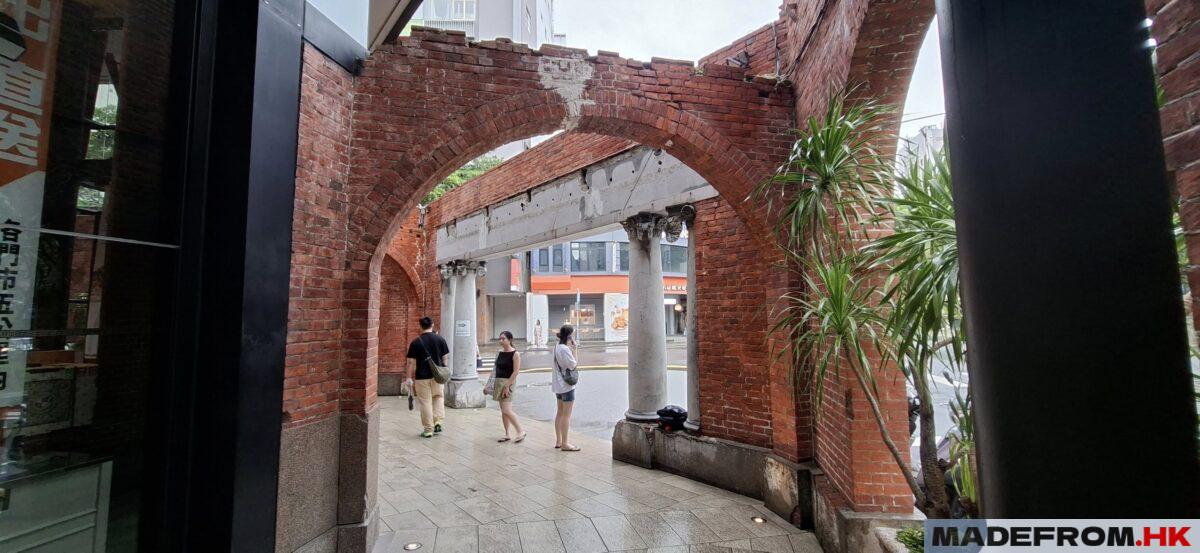
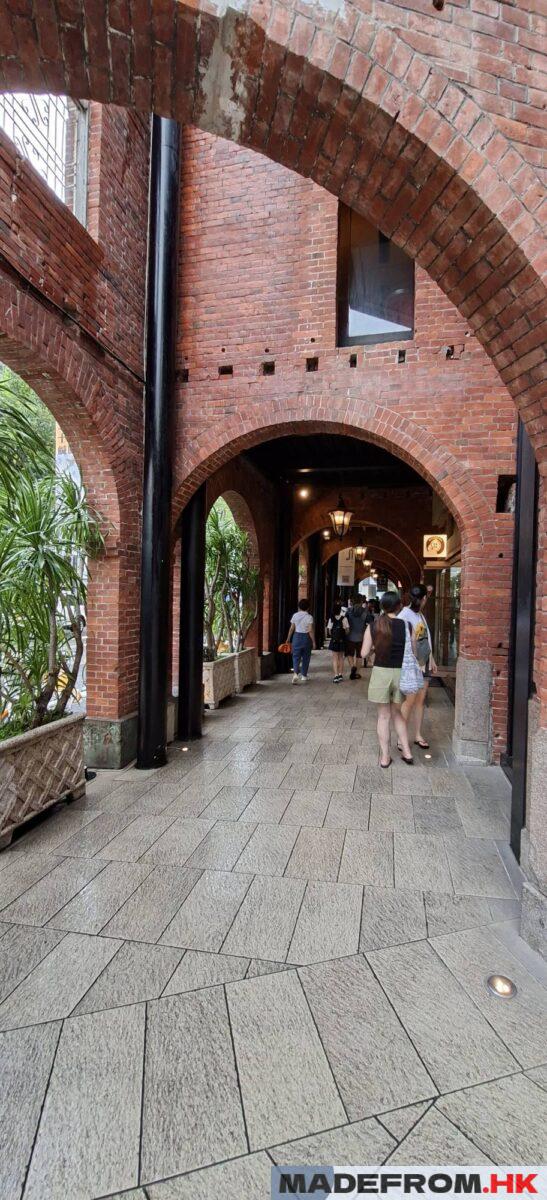
The structure itself reflects early 20th-century architectural influences, characterized by red brick walls, arched openings, and a sense of solidity that speaks to its original purpose. During its time as a medical facility, it served the local community, standing as a symbol of modernization and public health under colonial administration. Over time, however, the building fell into disuse, its historical significance at risk of being forgotten amid rapid urban development.
The revival of Miyahara represents a thoughtful approach to adaptive reuse. Rather than demolishing the structure, developers chose to preserve its architectural integrity while reimagining its function. The interior design draws inspiration from classical libraries and old apothecaries, with towering bookshelves, warm lighting, and intricate details that create an immersive atmosphere. This deliberate aesthetic choice connects the building’s past with its present, allowing visitors to experience history in a sensory and engaging way.
One of the most striking aspects of Miyahara is how it transforms the act of purchasing desserts into a curated experience. The display of products—particularly its famous ice cream and pastries—is arranged with a level of theatricality that evokes both luxury and playfulness. Packaging design, product naming, and presentation all contribute to a cohesive narrative that elevates everyday indulgence into something memorable.
Beyond its commercial success, Miyahara highlights the broader cultural value of preserving historical architecture. It demonstrates how heritage sites can be revitalized without losing their original character, offering a model for sustainable urban development. By maintaining the building’s exterior and integrating its historical elements into the interior design, the project creates continuity between past and present.
The location of Miyahara also adds to its significance. Situated near Taichung Railway Station, it forms part of a historical urban fabric that includes other early 20th-century structures. This proximity reinforces the sense of place, allowing visitors to explore a wider narrative of the city’s development. The surrounding area, once a center of transportation and commerce, continues to evolve while retaining traces of its historical identity.
Culturally, Miyahara represents a shift in how spaces are experienced. It blurs the boundaries between retail, museum, and architectural site, offering visitors multiple layers of engagement. People come not only for the desserts but also for the atmosphere—the feeling of stepping into a space where time seems to slow down, and where every detail invites closer observation.
The popularity of Miyahara also reflects broader trends in tourism and urban culture. Travelers increasingly seek experiences that combine authenticity with creativity, and Miyahara delivers both. It offers a narrative that is rooted in history yet expressed through contemporary design, making it accessible to a wide audience while maintaining depth and meaning.
Ultimately, Miyahara is more than a dessert shop—it is a testament to the potential of adaptive reuse and the enduring appeal of well-preserved heritage. It shows how spaces can be transformed in ways that honor their origins while embracing new possibilities. In doing so, it enriches the cultural landscape of Taichung and offers a compelling example of how the past can continue to inspire the present.
總結
宮原眼科融合歷史建築與創意設計,從醫療空間轉化為文化甜點地標,展現保存與再生的城市魅力。
Miyahara stands as a creative fusion of heritage and modern experience, transforming a historic clinic into a vibrant cultural destination that celebrates both past and present.