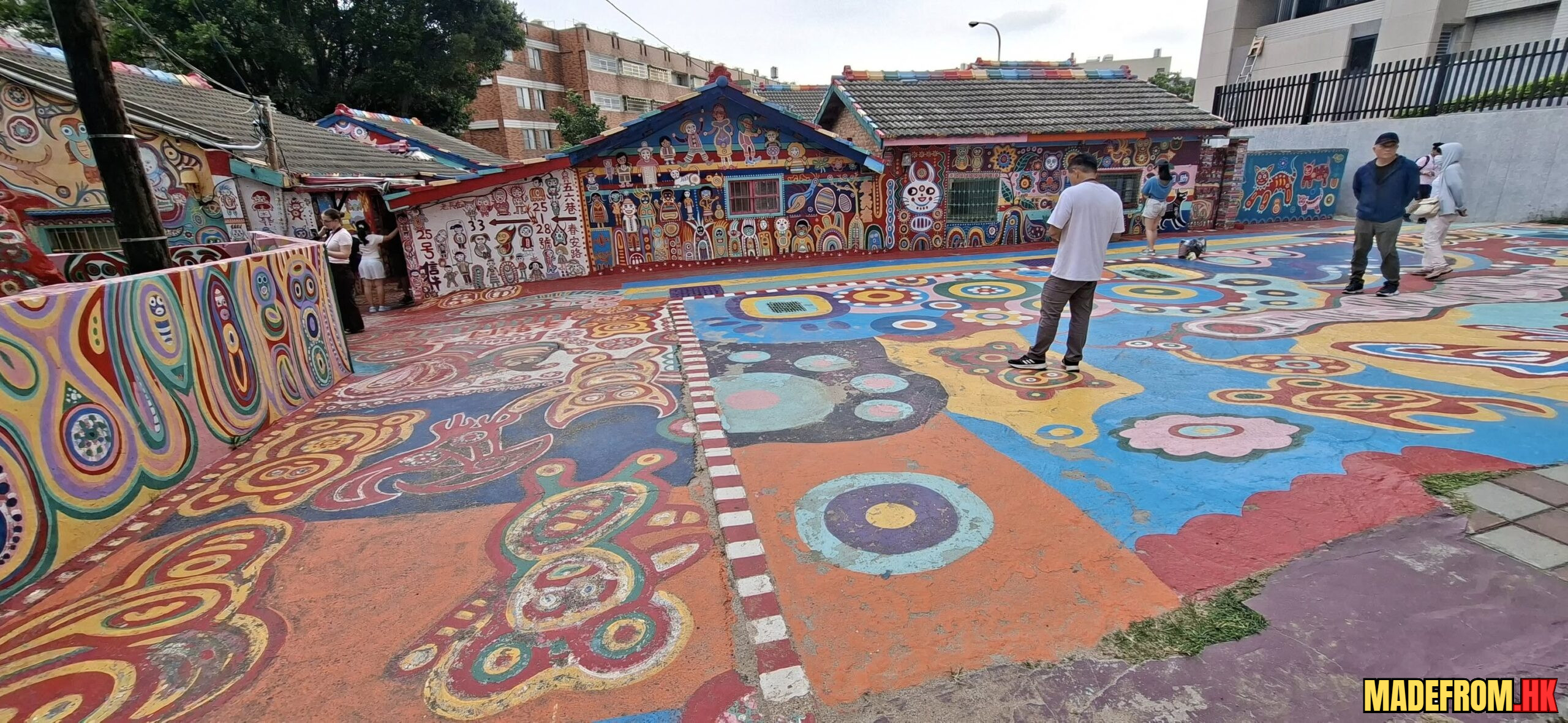
彩虹村由退役老兵以雙手繪出繽紛世界,將原本平凡的眷村轉化為充滿生命力的藝術空間,成為台中最具代表性的文化景點之一。
Rainbow Village is a vibrant transformation of a former military dependents’ village, where colorful murals turned an ordinary space into one of Taichung’s most iconic cultural attractions.
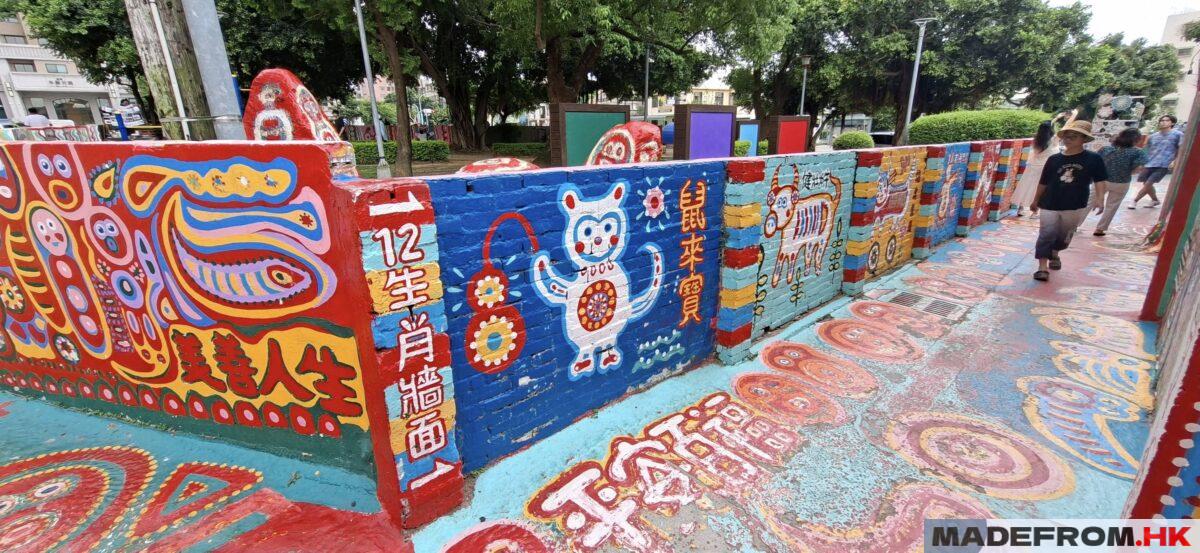
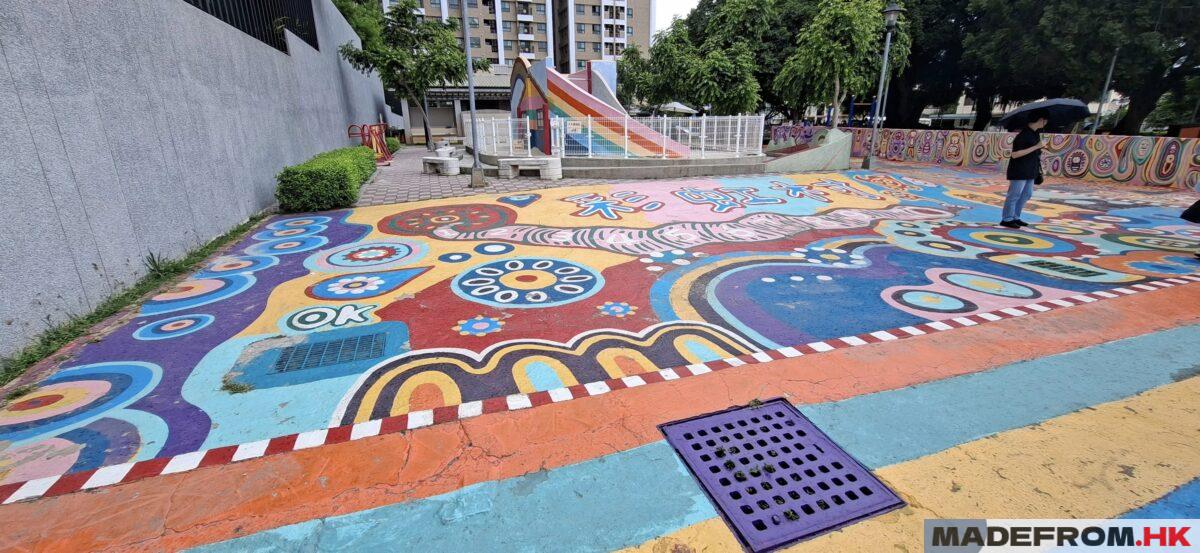
彩虹村的誕生源於一位名叫黃永阜的退伍老兵,他被大家親切地稱為「彩虹爺爺」。這位年逾九十的老人,為了挽救即將被拆遷的村莊,拿起畫筆,在牆壁、地面和屋頂上創作出五彩繽紛的圖案與畫作。他的作品充滿童趣,描繪了動物、人物和各種抽象圖案,色彩鮮豔且生動,讓整個村莊彷如童話世界。
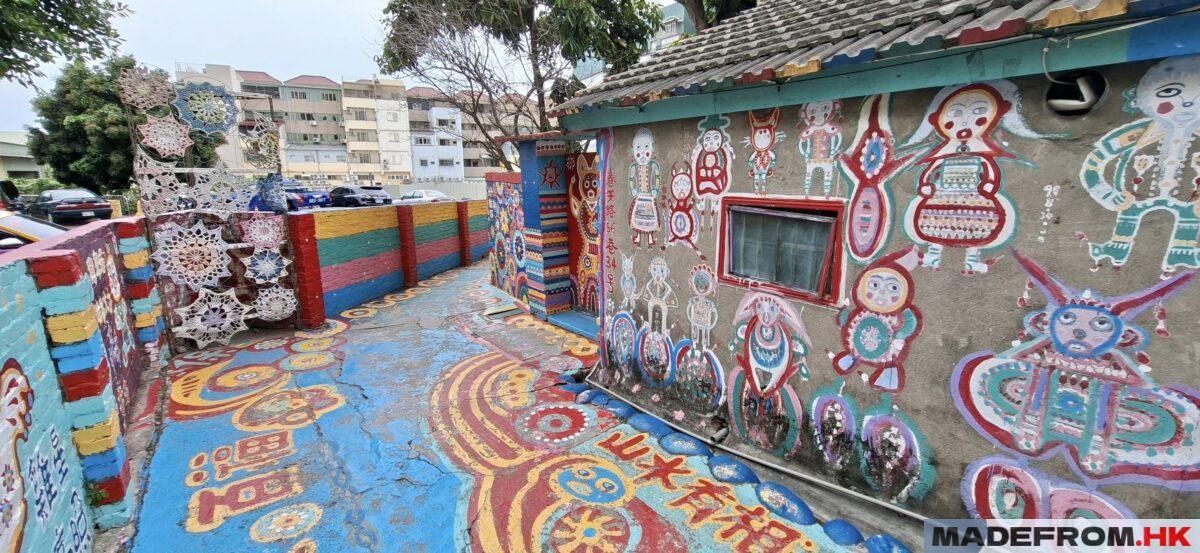
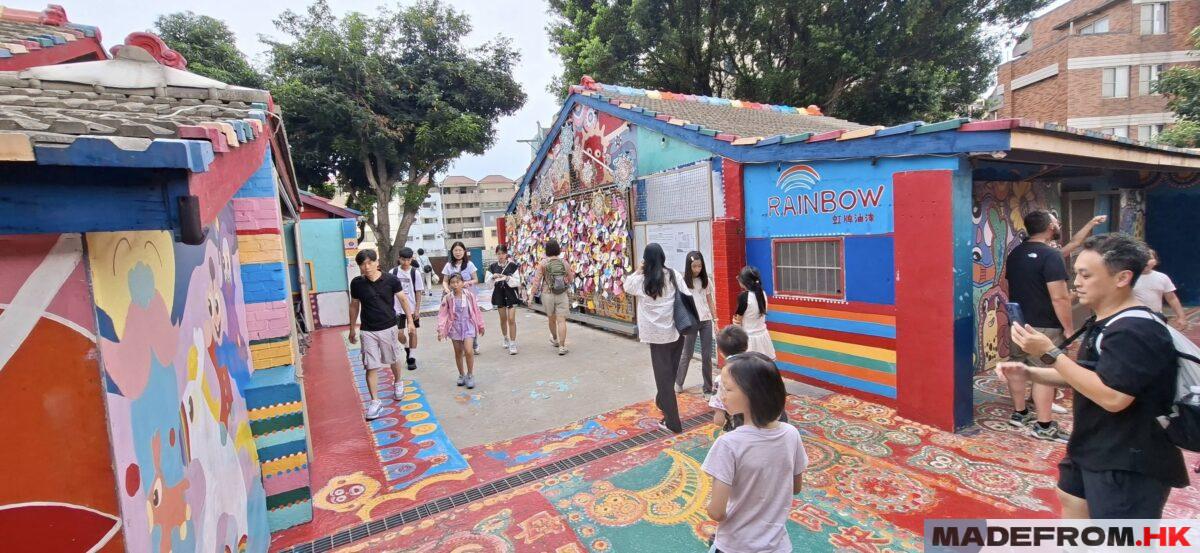
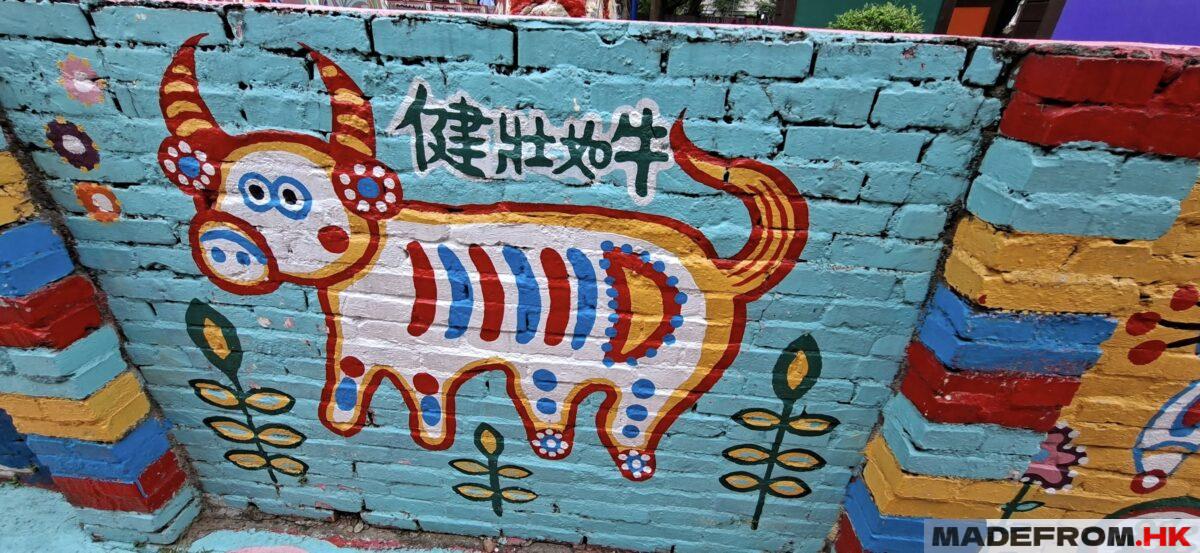
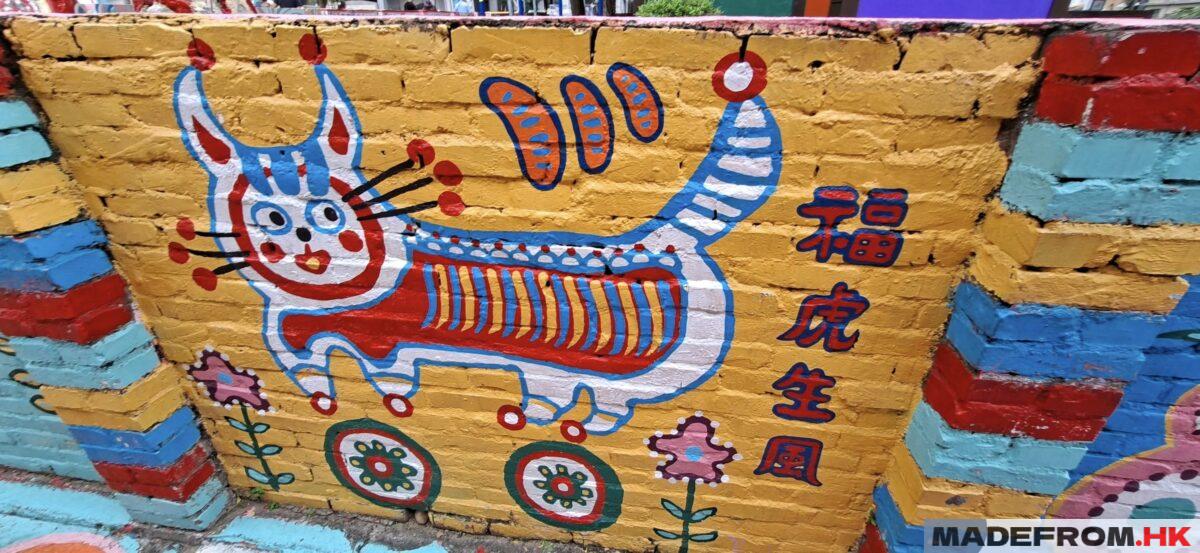
彩虹村不僅是視覺上的享受,更是一個文化傳承與社區凝聚力的象徵。黃爺爺的創作喚起了人們對這片土地的關注,吸引了大量遊客和媒體報導。最終,政府決定保留這個村莊,使其成為一個永久性的藝術地標。
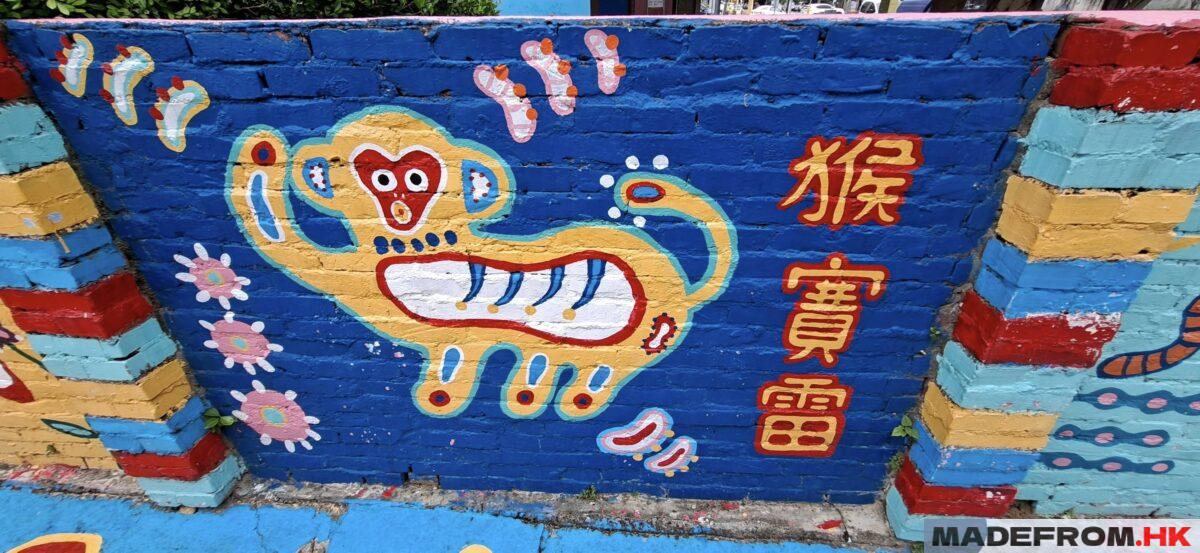
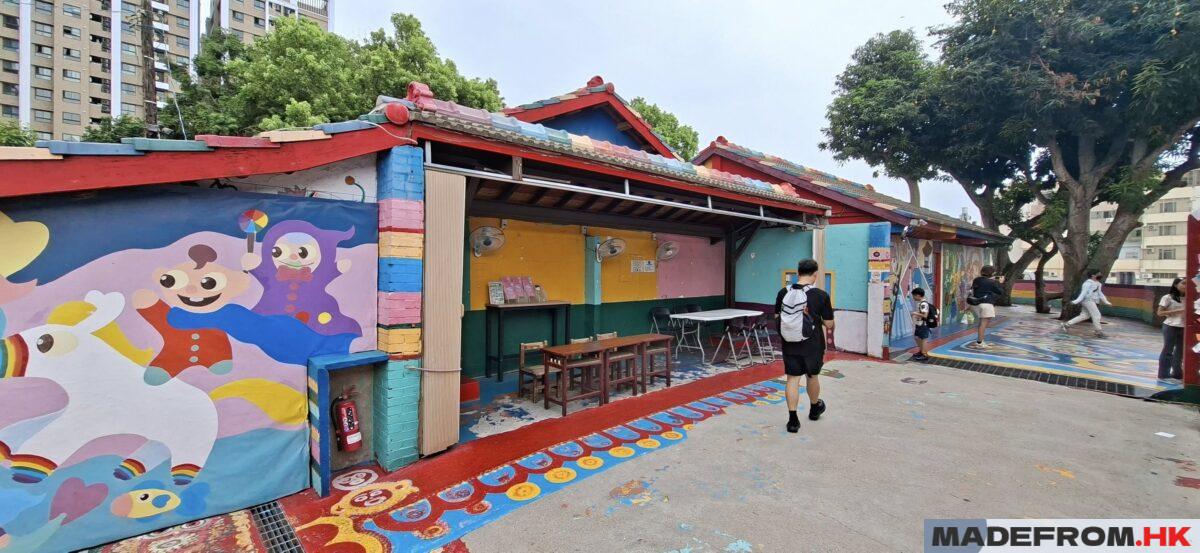
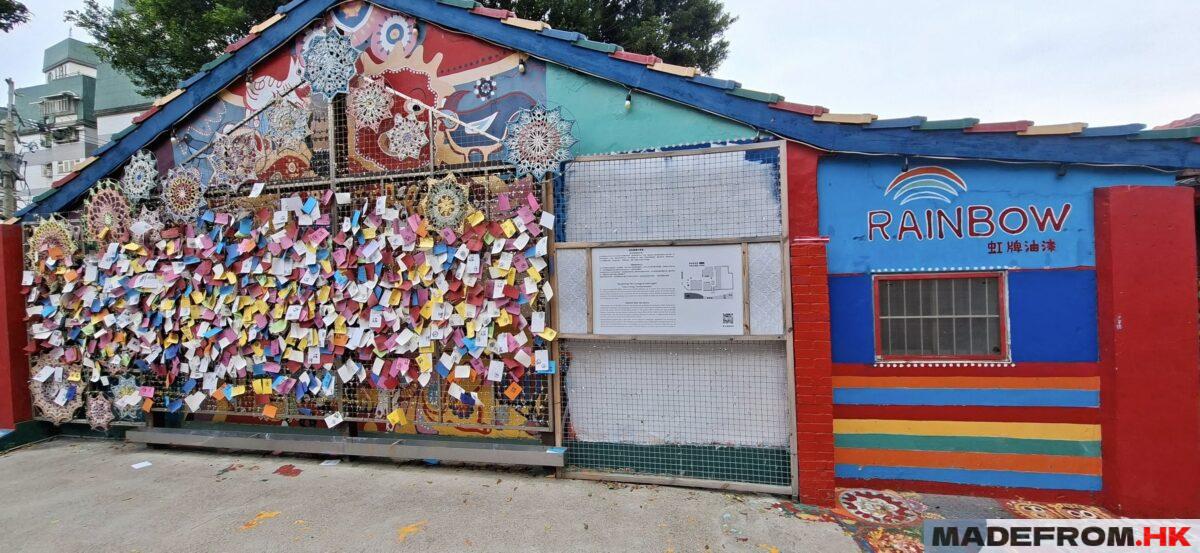
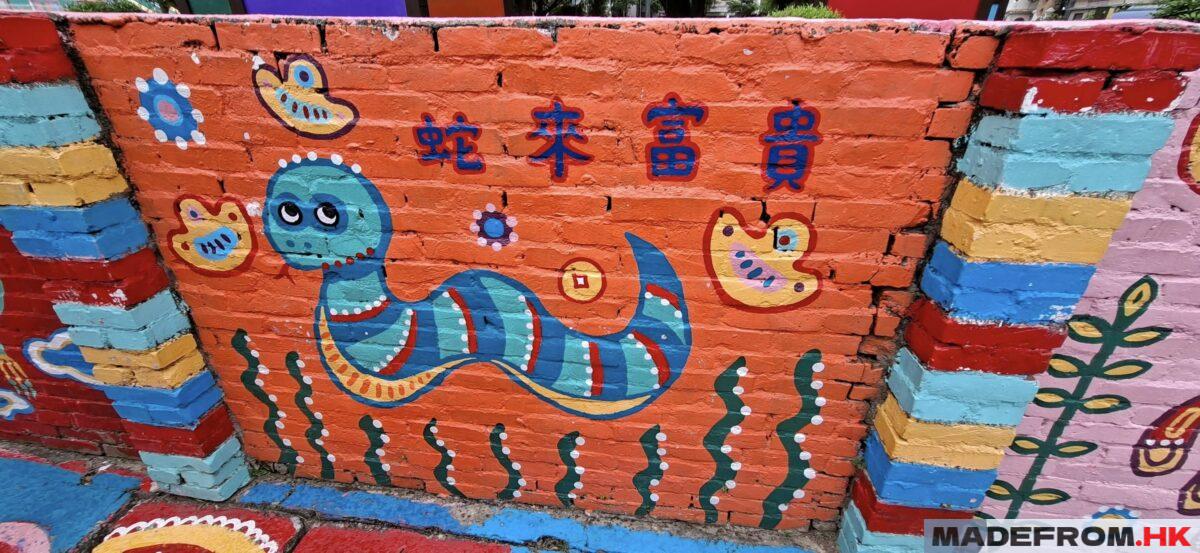
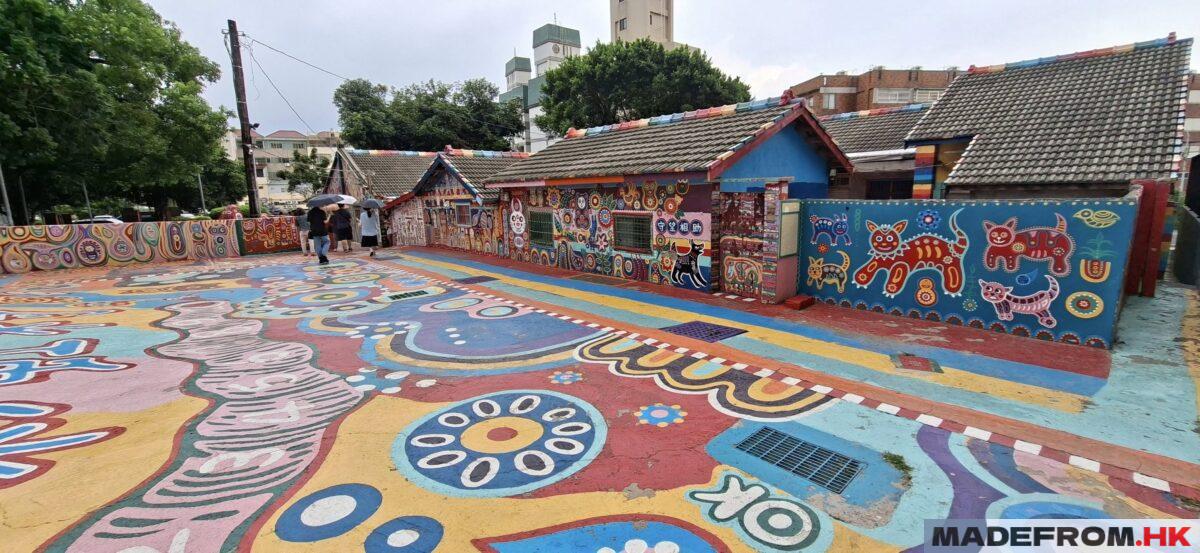
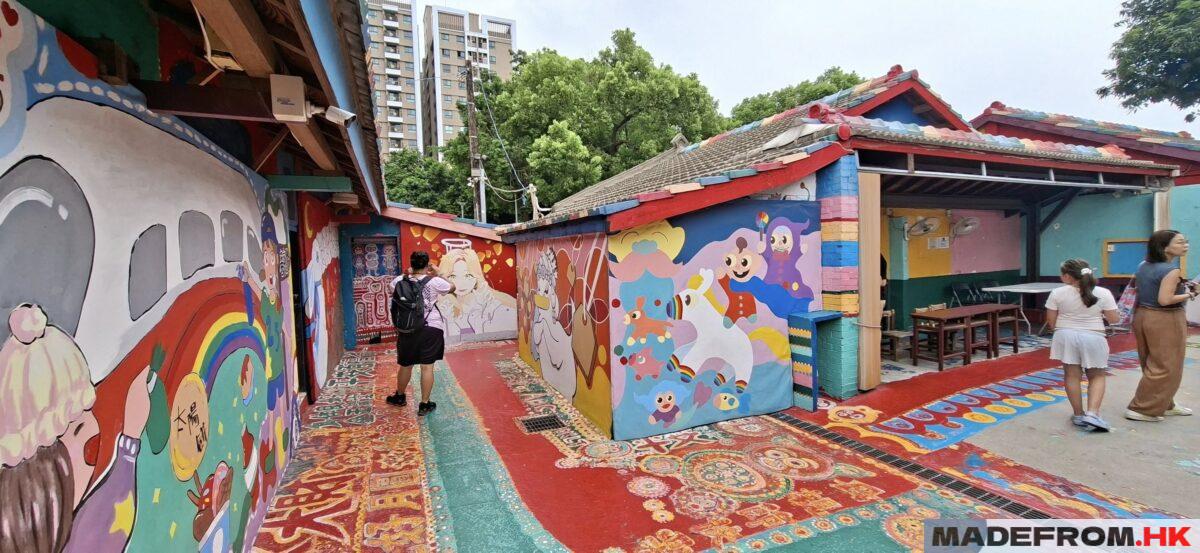
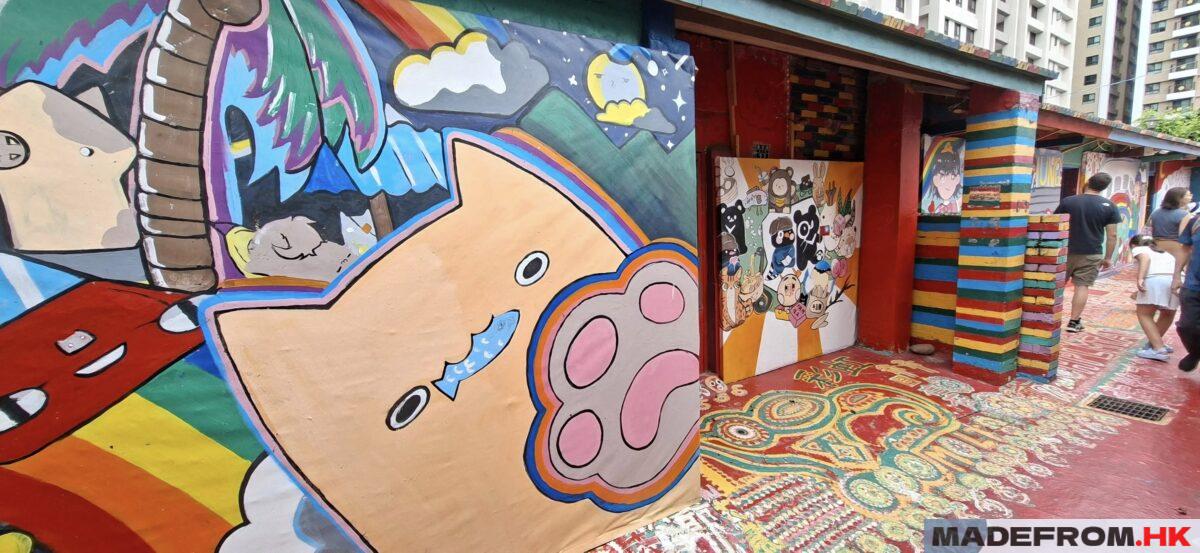
今天的彩虹村已經成為台灣著名的旅遊景點,每年吸引無數國內外遊客前來參觀。無論是藝術愛好者、攝影師還是家庭旅客,都能在這裡找到靈感與樂趣。同時,彩虹村也提醒我們,藝術不僅僅是美學的表達,更是一種力量,可以改變命運、凝聚人心。
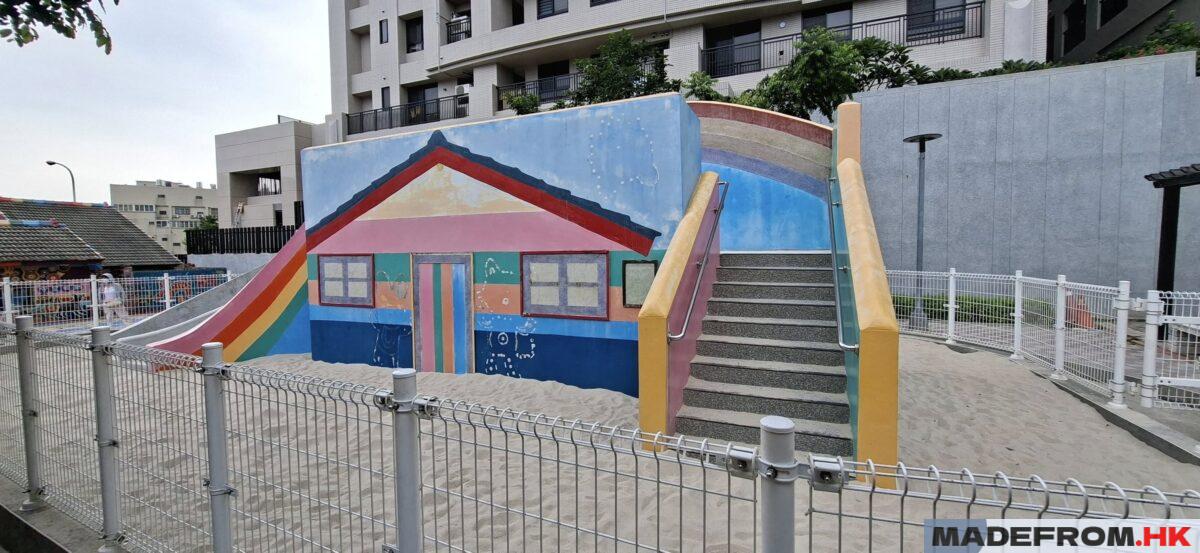
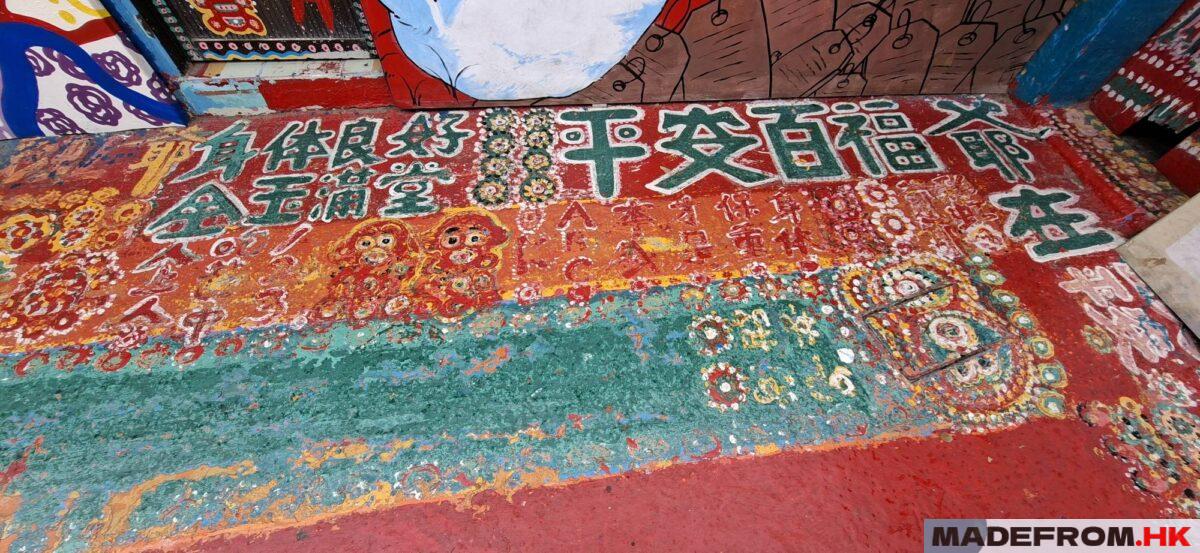
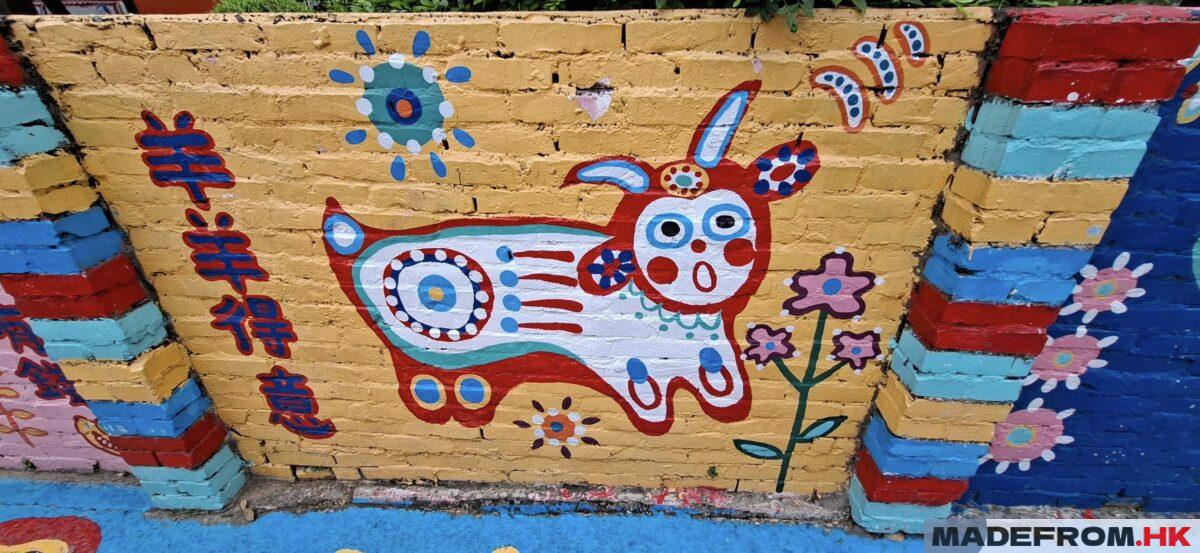
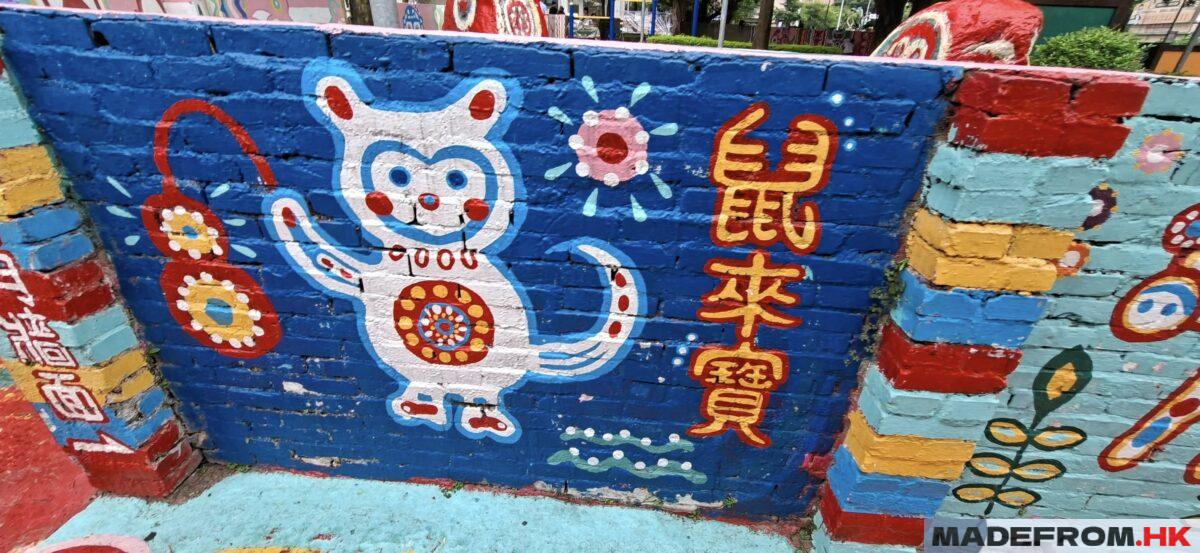
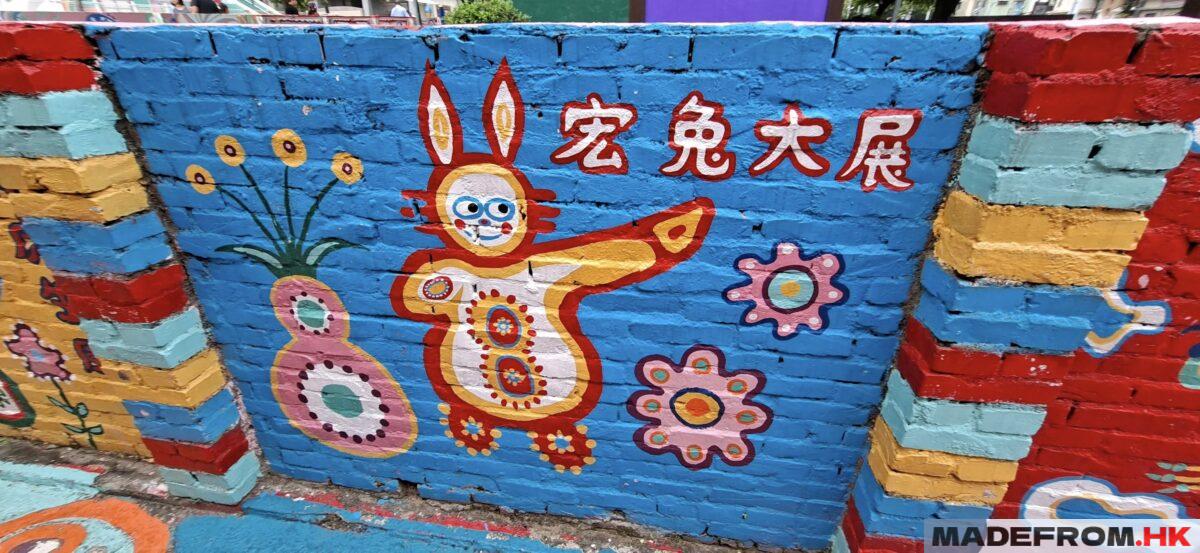
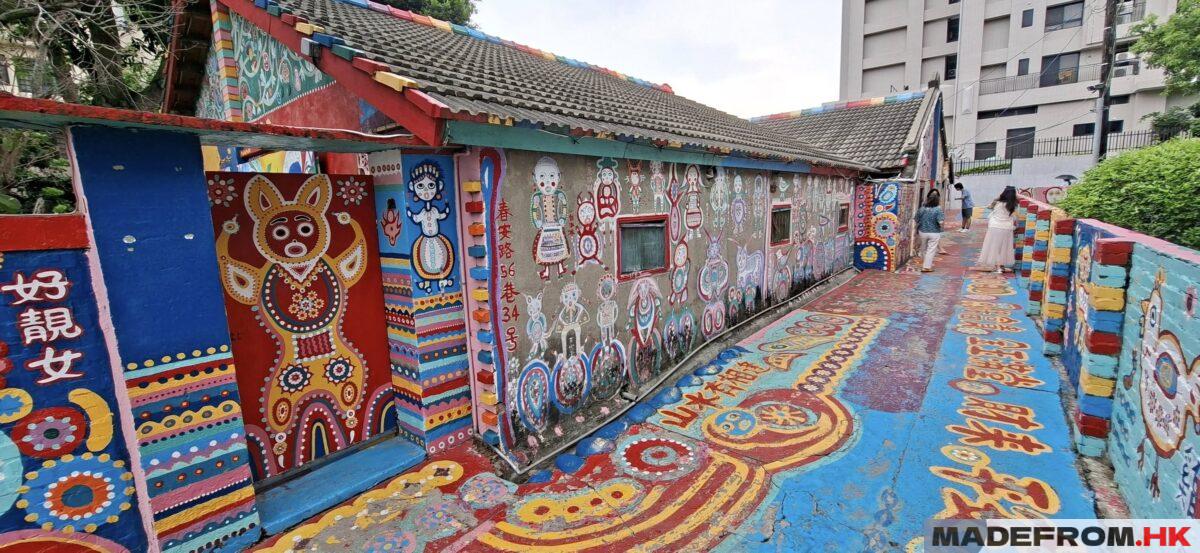
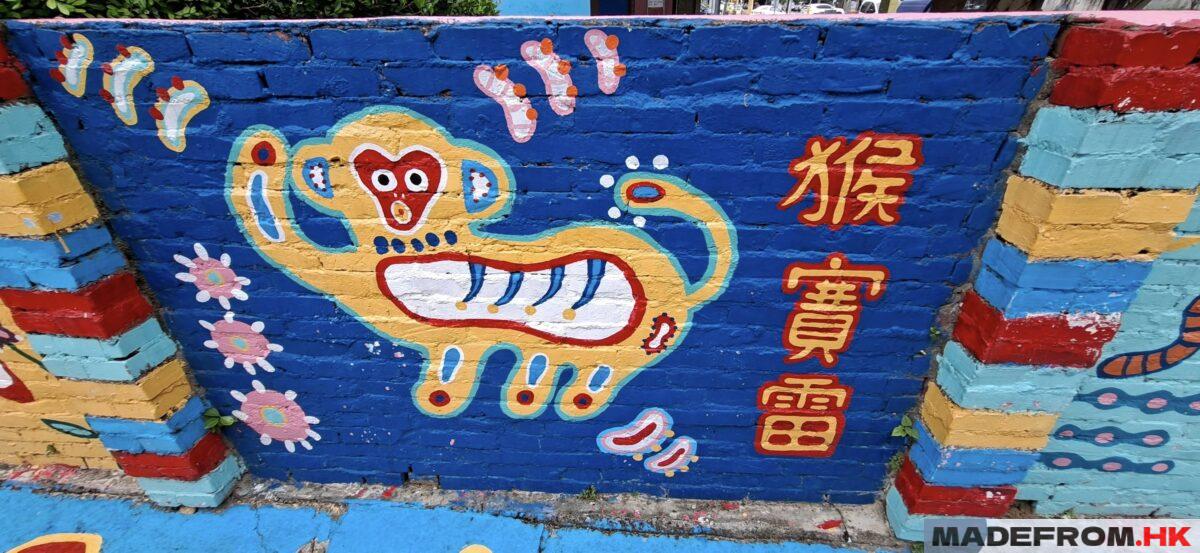
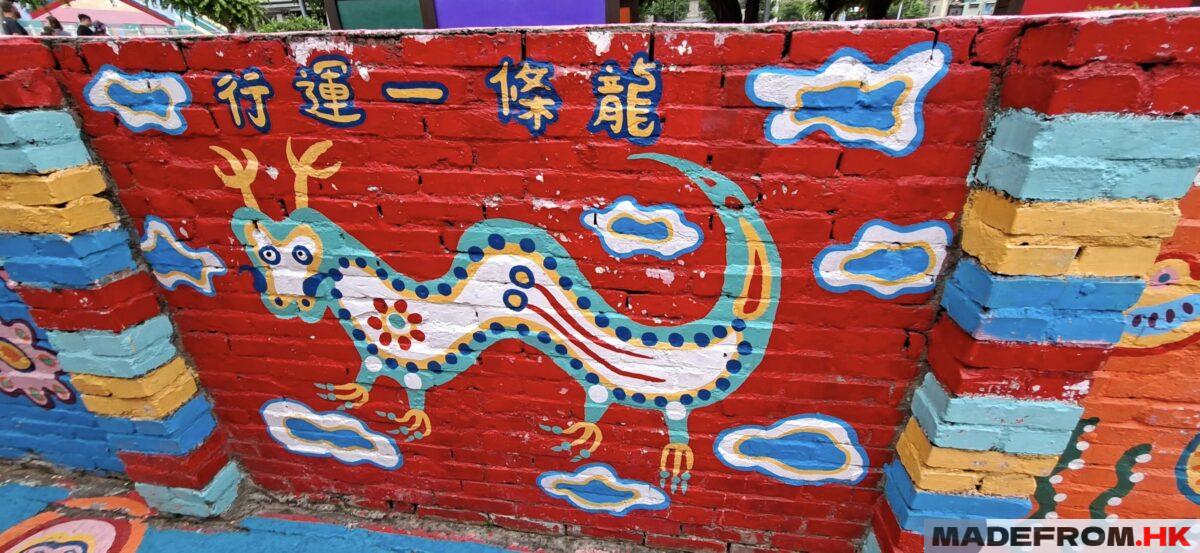
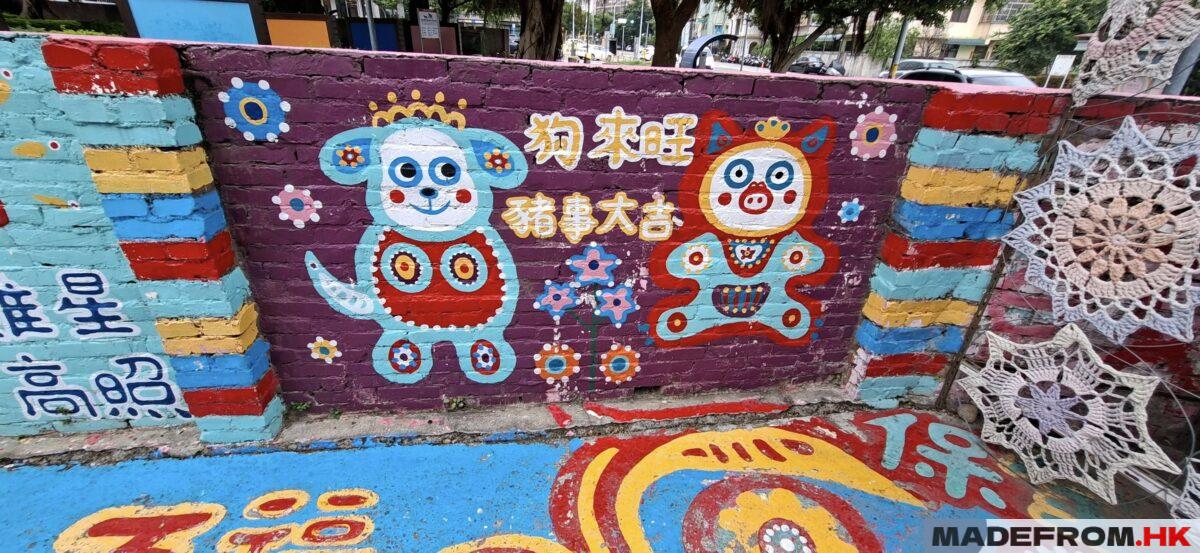
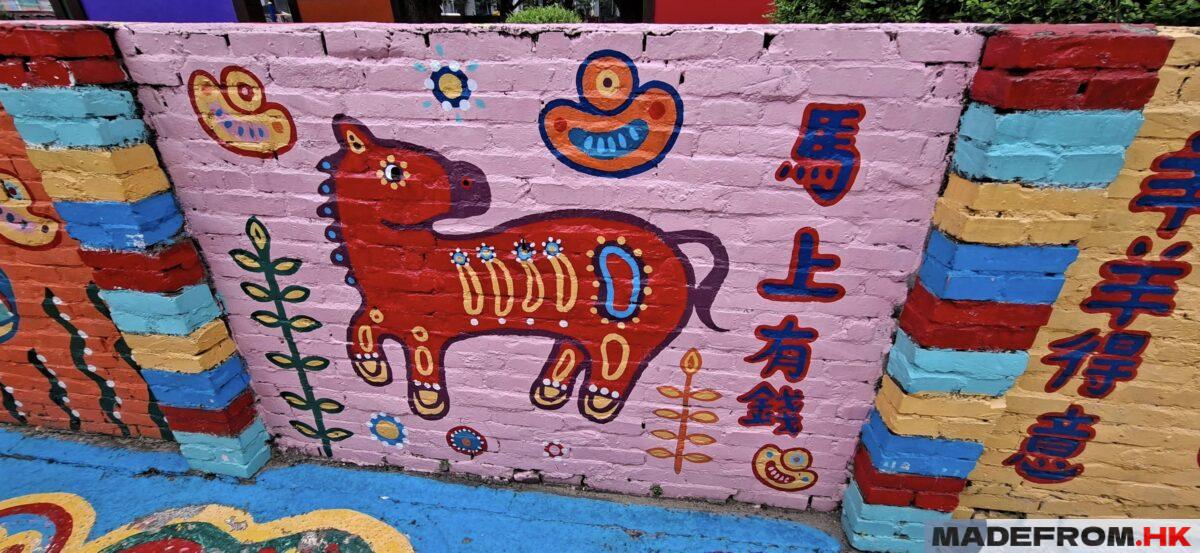
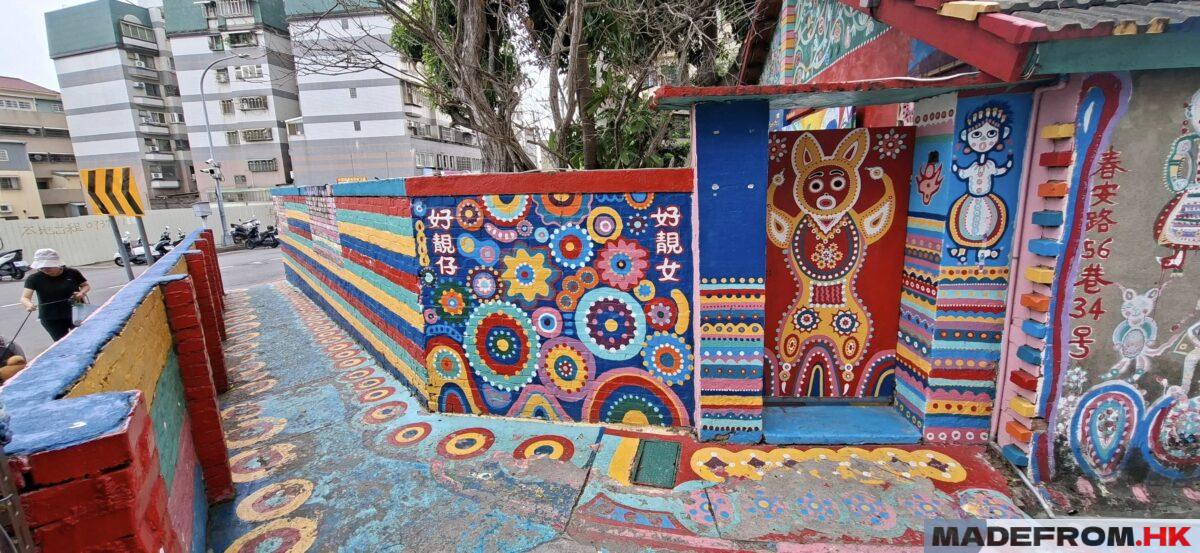
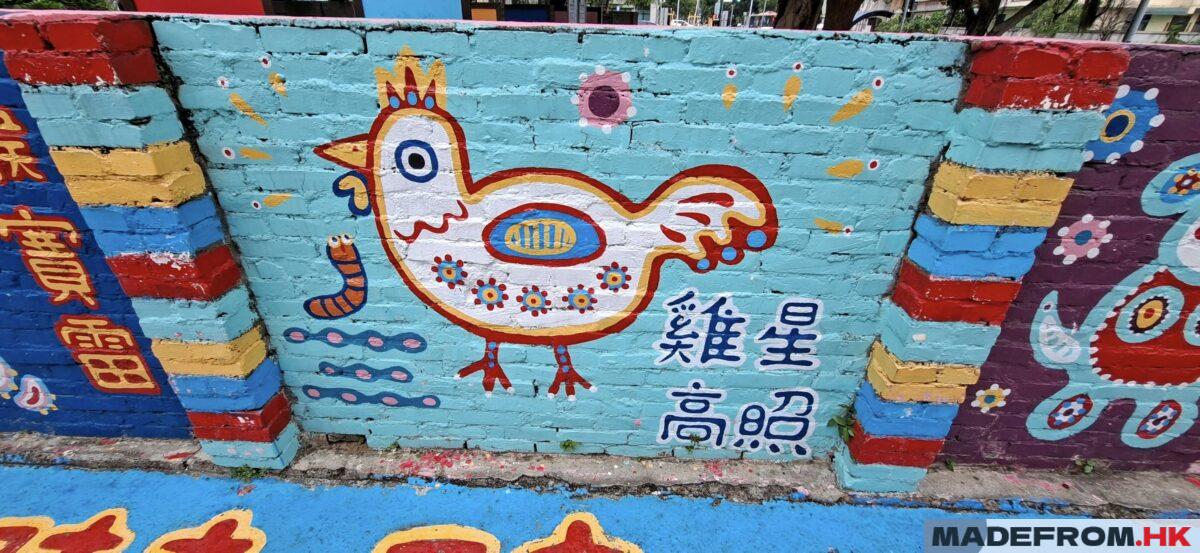
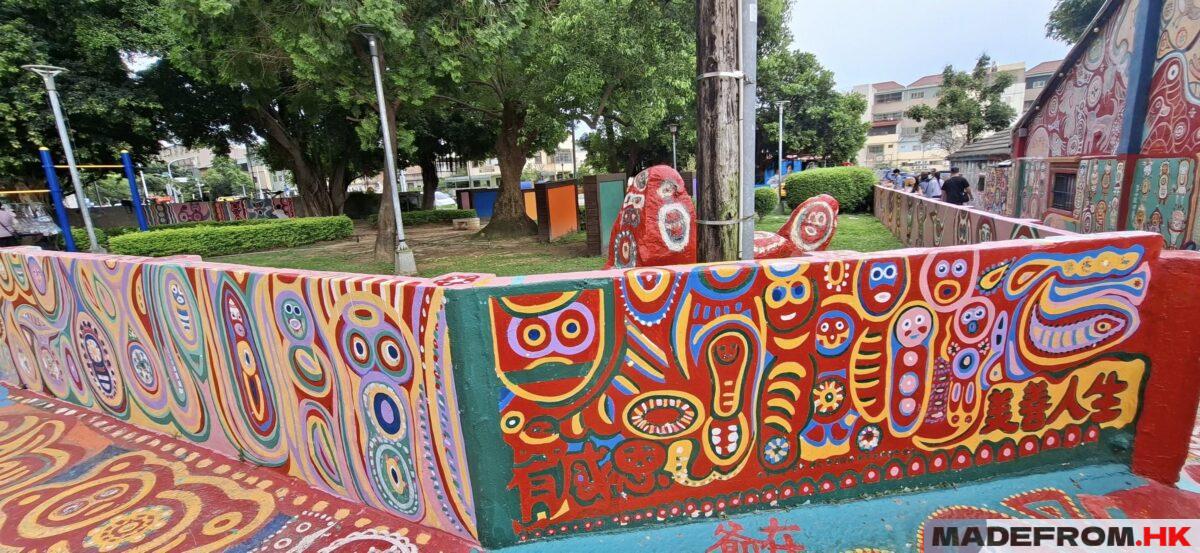
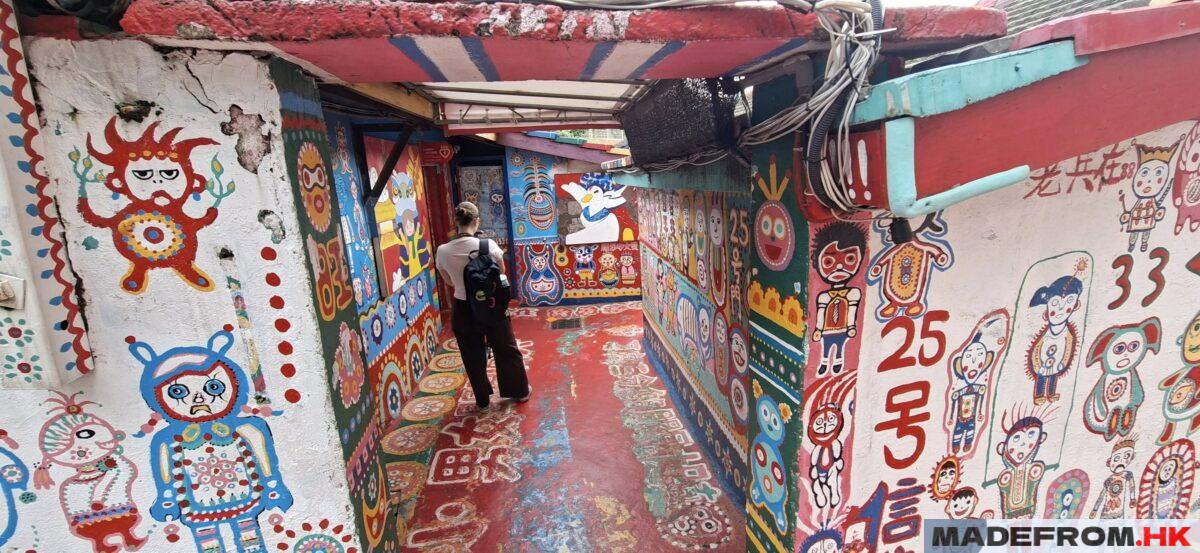
如果你計劃到訪台中,不妨抽空走進這個小而美的村莊。透過這些色彩斑斕的畫作,你不僅能感受到藝術的魅力,更能體會到一位老人對家園深深的熱愛與執著。
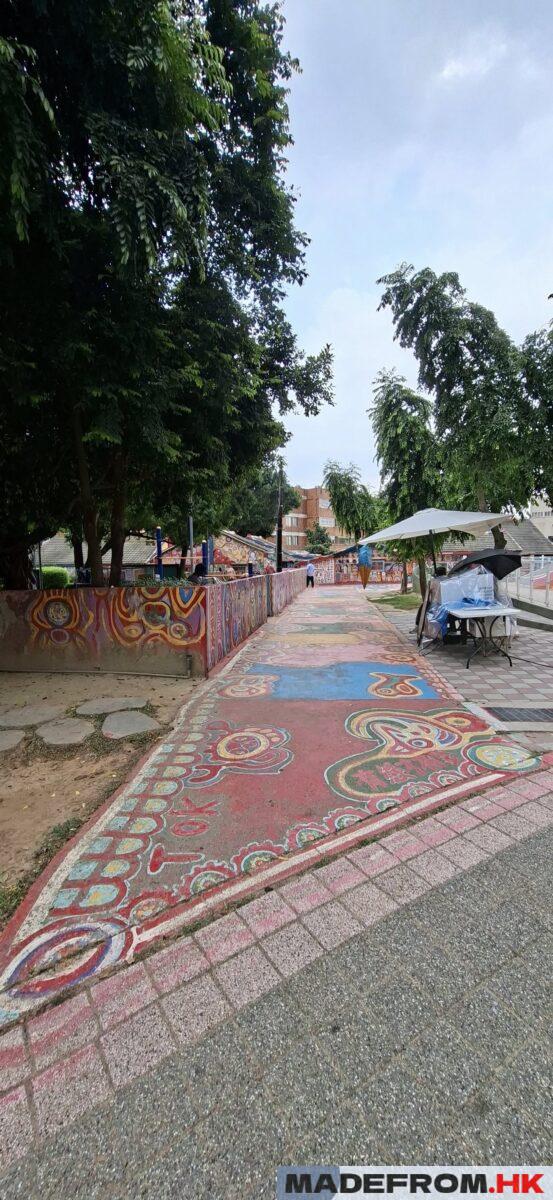
台灣彩虹村不僅是一個觀光景點,更是一個充滿啟發性的故事。它教會我們,只要有心,任何人都可以用自己的方式創造奇蹟。
English Version
Rainbow Village is one of Taiwan’s most remarkable examples of how individual creativity can reshape a place and redefine its meaning. Located in Taichung, this once-overlooked military dependents’ village has been transformed into a vivid open-air gallery, attracting visitors from around the world. What makes Rainbow Village unique is not just its visual appeal, but the deeply personal story behind its creation.
The village’s transformation began with a single resident, a retired soldier who found himself living in a rapidly disappearing community. As urban redevelopment plans threatened to demolish the remaining houses, he began painting the walls, doors, and pathways around him. Using bright colors and playful figures, he filled the space with characters, animals, and patterns that reflected both imagination and memory. What started as a personal pastime gradually evolved into a powerful act of preservation.
The artwork itself is distinctive for its simplicity and emotional warmth. Figures are often outlined boldly, with expressive faces and childlike proportions. The use of saturated colors—reds, yellows, blues, and greens—creates an immersive environment where every surface seems alive. Rather than following formal artistic conventions, the paintings convey spontaneity and sincerity, making them accessible and engaging to people of all ages.
As word spread, Rainbow Village began to attract attention from students, photographers, and cultural advocates. The growing interest eventually led to preservation efforts that saved the village from demolition. This turning point highlights the role of community and public awareness in protecting cultural spaces. What was once at risk of disappearing became a celebrated landmark, demonstrating how grassroots creativity can influence urban policy and heritage conservation.
Today, Rainbow Village functions as both an art site and a cultural symbol. Visitors walk through narrow lanes filled with murals, experiencing a space that feels both intimate and expansive. Each corner reveals new details—smiling faces, symbolic motifs, and unexpected compositions—encouraging exploration and interaction. The village has also become a popular destination for photography, with its vivid colors providing a striking visual backdrop.
Beyond its aesthetic value, Rainbow Village represents a deeper narrative about memory, identity, and resilience. It reflects the history of Taiwan’s military dependents’ villages, communities that played a significant role in the island’s social fabric during the 20th century. As many of these villages have disappeared, Rainbow Village stands as a rare surviving example, enriched by its artistic transformation.
The site also raises questions about the relationship between art and space. It challenges conventional definitions of galleries and museums by demonstrating that meaningful art can emerge in everyday environments. The village is not separated from life—it is embedded within it, shaped by personal experience and shared history.
In recent years, efforts have been made to maintain and restore the paintings, ensuring that the village continues to thrive as a cultural destination. While tourism has brought increased visibility, it also presents challenges in balancing preservation with accessibility. Managing visitor flow and protecting the artwork are ongoing concerns, requiring thoughtful approaches to sustainability.
Ultimately, Rainbow Village is more than a collection of murals—it is a testament to the power of human expression. It shows how creativity can transform not only physical spaces but also perceptions, turning an overlooked corner into a place of wonder and meaning. Through color, imagination, and persistence, Rainbow Village continues to inspire, reminding visitors that even the smallest acts of creation can leave a lasting impact.
總結
彩虹村以個人創作轉化空間,從老眷村蛻變為藝術地標,展現記憶、創意與文化保存的深刻意義。
Rainbow Village stands as a powerful example of how creativity can preserve history, transforming a fading community into a vibrant cultural landmark filled with color and meaning.