台灣總統府歷史與現代意義|Presidential Office Building Taiwan History and Significance

台灣總統府位於台北市中正區,是台灣的政治中樞,也是國家元首辦公的地方。作為一個歷史悠久的建築,它不僅是政治權力的象徵,更是台灣歷史與文化的重要見證。
The Presidential Office Building in Taiwan is more than a seat of power. It carries layers of history, reflecting transformation from a colonial structure into a modern symbol of democracy.
總統府的建築風格帶有濃厚的殖民時期特色,最初於1919年由日本殖民政府建成,當時被稱為「台灣總督府」。建築由日本建築師森山松之助設計,採用文藝復興式風格,結構宏偉,細節精緻。隨著1945年第二次世界大戰結束,台灣回歸中華民國,這座建築被改為總統府,成為國家治理的重要場所。
如今,總統府不僅是行政運作的核心,也是一個開放給公眾參觀的文化地標。每年都有大量遊客前來參觀,了解台灣的歷史與政治發展。總統府內部設有展覽區,展示台灣的民主進程與歷屆總統的事蹟,讓人們更加了解這座建築背後的故事。
總統府的現代意義不僅限於其歷史價值,它還象徵著台灣民主制度的成熟。作為一個民主國家,總統府見證了多次政黨輪替與政策改革,是人民選舉權力的直接體現。此外,它也承載了對外展示台灣形象的重要角色,接待國際貴賓與進行外交活動。
總結而言,台灣總統府是一座融合歷史、文化與現代政治意義的建築。它既是過去的見證者,也是未來的開拓者,繼續在國家治理與文化傳承中發揮重要作用。對於任何對台灣歷史或政治感興趣的人士,參觀總統府無疑是一個不可錯過的體驗。
English Version
The Presidential Office Building (Taipei) stands prominently in the heart of Taipei as both a political center and a historical landmark. Its presence reflects the layered history of Taiwan, embodying transitions in governance, identity, and architectural expression over more than a century.
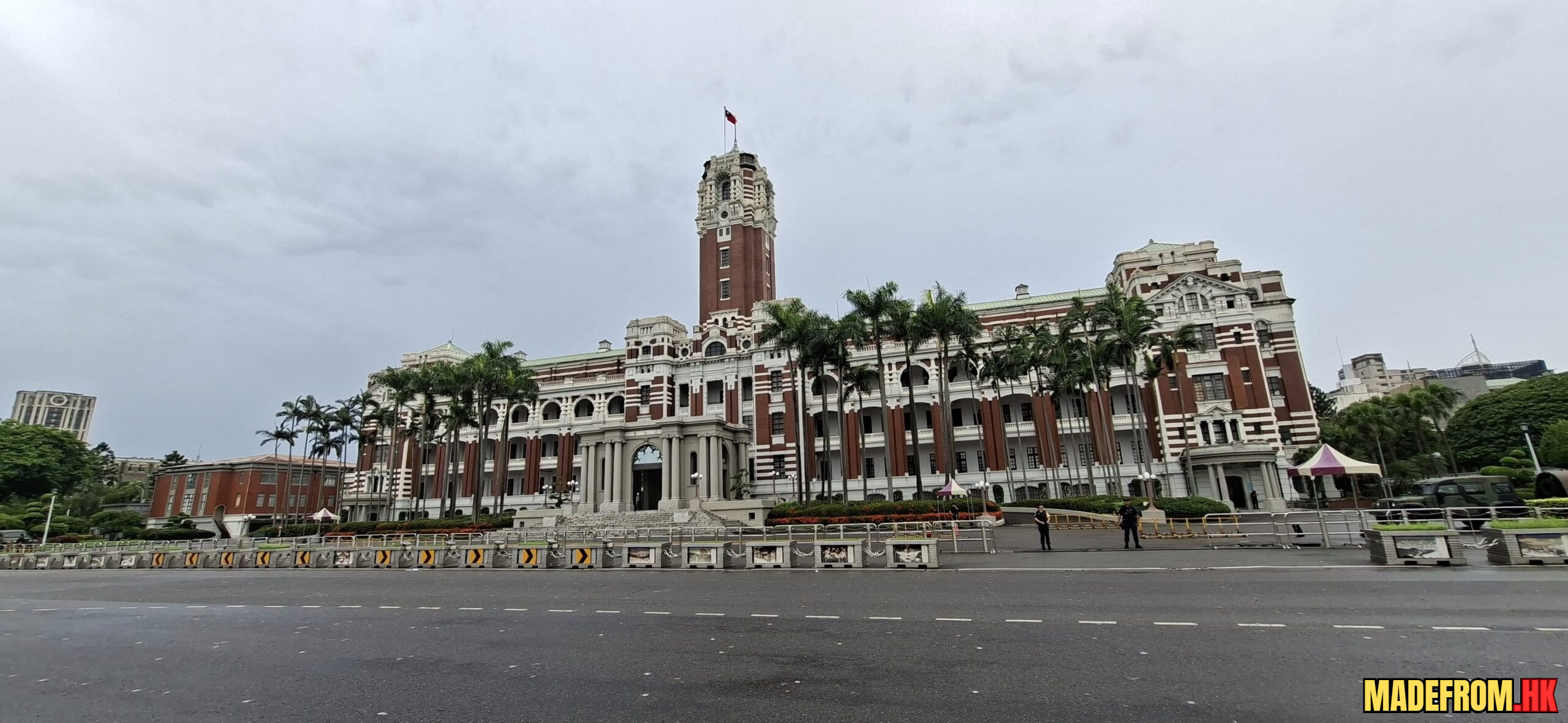
Constructed during the Japanese colonial period in the early 20th century, the building was originally designed to serve as the office of the Governor-General of Taiwan. Its architectural style combines European classical influences with local adaptations, resulting in a structure that conveys authority and order. The use of symmetry, brickwork, and a central tower creates a commanding visual presence, reinforcing its original administrative purpose.
Following the end of World War II and the transfer of Taiwan’s governance, the building was repurposed as the seat of the Republic of China’s government. This transformation marked a significant shift—not only in political function but also in symbolic meaning. What was once a colonial administrative center became a focal point of national governance.
Over the decades, the Presidential Office Building has witnessed numerous pivotal moments in Taiwan’s modern history. It has stood through periods of political change, economic development, and social transformation. As Taiwan transitioned toward a democratic system, the building’s role evolved accordingly, becoming associated with democratic leadership and civic identity.
Architecturally, the building remains a compelling example of early 20th-century design. Its red-brick façade, arched corridors, and detailed ornamentation reflect a blend of Western and regional styles. Despite modernization efforts and urban development surrounding it, the structure retains its historical character, offering a visual contrast to Taipei’s contemporary skyline.
The building’s location further enhances its significance. Positioned within a central district, it is accessible and visible, reinforcing its role as a public symbol rather than an isolated seat of power. Open spaces and surrounding streets allow visitors to view the structure from multiple perspectives, emphasizing transparency and accessibility—qualities aligned with democratic values.
In recent years, the Presidential Office Building has also become a site of public engagement. Guided tours and open events allow citizens and visitors to explore its interior spaces, bridging the gap between government and the public. This openness reflects a broader shift toward participatory governance and civic inclusion.
Beyond politics, the building serves as a cultural landmark. It is frequently featured in visual media, educational materials, and tourism narratives, representing Taiwan’s historical depth and modern identity. Its enduring presence highlights how architecture can carry meaning beyond its original function, adapting to new contexts while preserving its past.
Today, the Presidential Office Building stands as a testament to continuity and change. It is a place where history is not erased but reinterpreted, where past structures support present values. As Taiwan continues to evolve, the building remains a central symbol of governance, resilience, and identity.
總結
台灣總統府融合歷史與現代意義,從殖民建築轉變為民主象徵。它不僅代表政治中心,更承載社會變遷與文化記憶。
English
The Presidential Office Building reflects Taiwan’s journey from colonial past to democratic present. It stands as both a historical monument and a living symbol of governance and identity.