
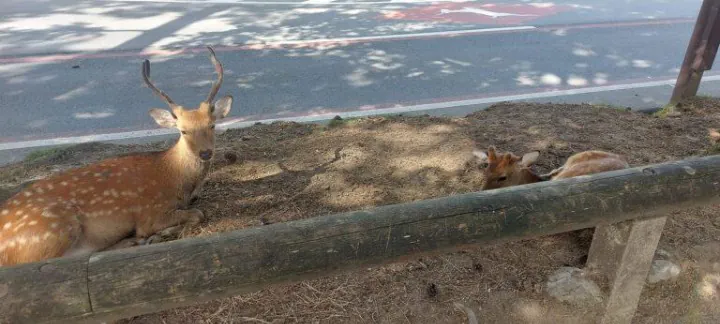
[奈良公園]與小鹿的午後時光:在自然與城市之間的緩慢相遇 | Nara Park and the Deer: A Slow Afternoon Between Nature and Memory in Japan | 【內附短片】
在 奈良公園,鹿並不是景點的一部分,而是這個空間的主體。牠們自由穿梭於草地與步道之間,與人保持著一種微妙的距離。這裡沒有刻意安排的互動,只有一種自然形成的節奏,讓人慢慢放下城市的步伐。
At Nara Park, the deer are not an attraction — they are part of the landscape itself. Moving freely between open fields and shaded paths, they create a quiet rhythm that shapes the entire space. There is no need for structured interaction; the experience unfolds naturally, at its own pace.
中文版
在 奈良公園,鹿並不是景點的一部分,而是這個空間的主體。牠們自由穿梭於草地與步道之間,與人保持著一種微妙的距離。這裡沒有刻意安排的互動,只有一種自然形成的節奏,讓人慢慢放下城市的步伐。
At Nara Park, the deer are not an attraction — they are part of the landscape itself. Moving freely between open fields and shaded paths, they create a quiet rhythm that shapes the entire space. There is no need for structured interaction; the experience unfolds naturally, at its own pace.




English Version
Time moves differently in Nara Park.
Not slower by design, but by nature. As you step into the space, the edges of the city begin to dissolve. Roads remain, people pass by, but everything feels softened, as if filtered through a quieter layer of experience.
Then, you notice the deer.
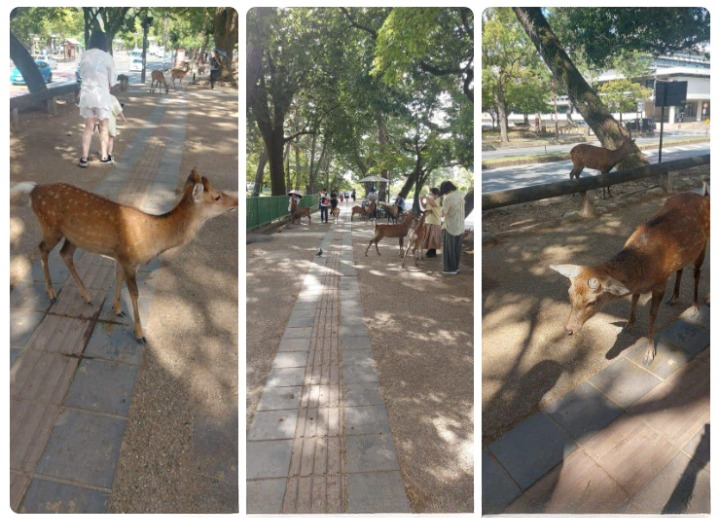
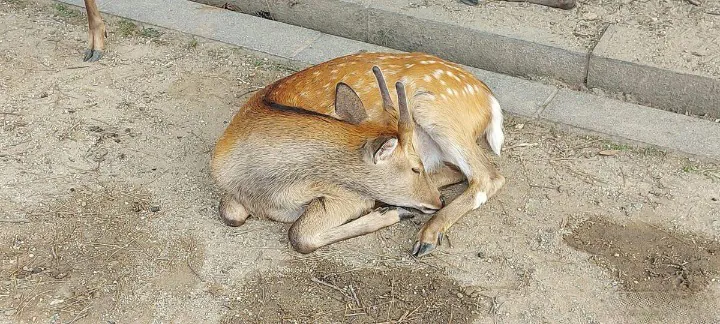
They are not gathered in one place, nor presented as a single attraction. Instead, they exist throughout the park — scattered, resting, wandering. Some stand in open fields, others lie beneath the shade of trees, while a few move calmly among people.
They do not rush.
In fact, they seem entirely unaffected by time.
The distance between humans and deer becomes the most delicate part of the experience.
You can approach, but never fully control the interaction. Sometimes they come closer on their own. Other times, they turn away without warning. This unpredictability makes every moment feel genuine, rather than staged.
In the afternoon light, the park changes again.
Sunlight filters through the trees, settling gently on grass, paths, and the deer themselves. The scene becomes less about observation and more about presence. You are no longer just looking — you are part of the atmosphere.
People move differently here.
Some stop to take photos. Others sit quietly. Some walk without a clear destination. These different rhythms coexist without interruption, creating a space that feels open and unstructured.
There is no fixed route, no essential checklist.
You are free to stay, or to leave.
Time becomes difficult to measure.
You may not remember how long you spent there, but you will remember the feeling — a moment untouched by urgency, a brief alignment with something slower and more natural.
And when you return to the city, the contrast becomes clear.
Because what you experienced was not part of your routine.
It was a quiet departure from it.