
錄影帶店的年代:那些週末租片回家的香港記憶 | The Era of Video Rental Stores: Weekend Rituals and the Warm Glow of Shared Screens | 今日回望 | 第十五章
在串流平台與網絡影片出現之前,看電影並不像今天這樣簡單。
對許多香港人而言,曾經有一段時期,想在家裡看電影,就必須走到街角的一間錄影帶店。
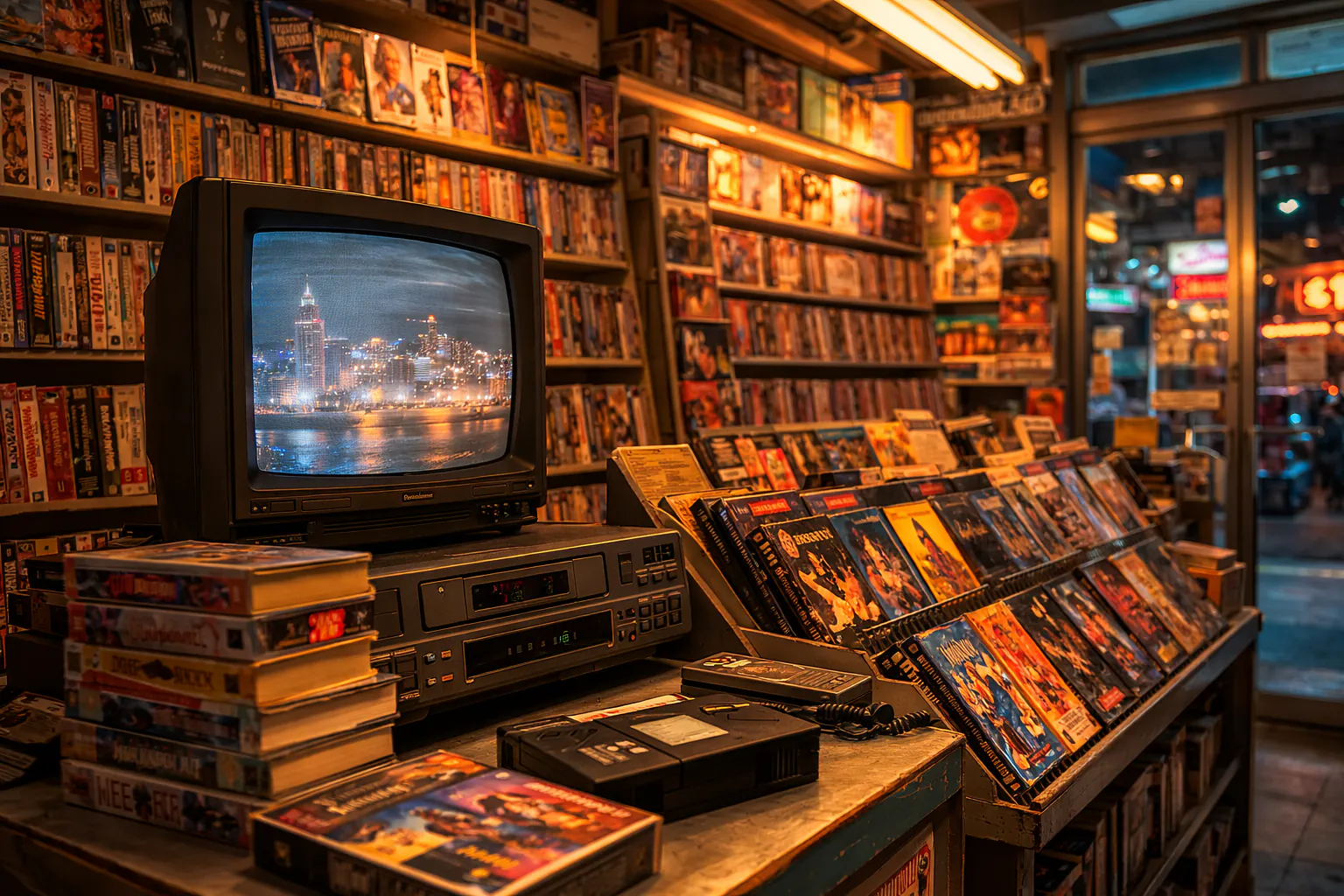
Before streaming and instant access, weekends carried a familiar rhythm—walking into a video rental store, browsing shelves, and choosing films to bring home. These spaces were more than retail shops; they were cultural hubs filled with anticipation, conversation, and discovery. As they gradually disappeared, they left behind not just a shift in technology, but a quiet change in how people experienced stories together.
那些店舖通常不大,但貨架上整齊排列著一盒盒錄影帶與影碟。封面色彩鮮明,上面印著電影海報與演員照片。走進店裡,就像走進一個小型電影世界。
對於在八十年代至九十年代成長的一代人來說,錄影帶店是週末生活的重要部分。
在當時,家用錄影機逐漸普及。許多家庭開始購買 VHS 錄影機,可以在家中播放電影。這種技術改變了人們的娛樂方式,也讓錄影帶租借店迅速出現。
香港的許多住宅區、商場與街角,都可以看到錄影帶店。
店內通常有幾排長長的貨架,按照不同類型排列影片。例如動作片、喜劇片、愛情片、恐怖片與動畫片。
每一個分類都有數十甚至數百部電影。
顧客走進店裡,會慢慢在貨架之間瀏覽,看看哪一部電影值得租回家。
這個選片的過程,往往充滿樂趣。
很多人會先看看電影封面,再閱讀背面的簡短介紹。有些影片因為封面設計特別吸引人,即使沒有看過,也會讓人想租回家試試。
對電影愛好者而言,錄影帶店是一個充滿探索感的地方。
在一些比較大的錄影帶店,甚至會有專門的「新片區」。那裡擺放著最新上映不久的電影,因此經常成為顧客最先查看的地方。
週末晚上,錄影帶店往往十分熱鬧。
家庭會一起到店裡選電影,小朋友希望租動畫片,大人則可能想看動作片或喜劇。最後選定一兩部電影,帶回家一起觀看。
這些簡單的週末活動,成為很多家庭的共同記憶。
錄影帶店的店員通常對電影非常熟悉。
有些顧客如果不知道要租什麼片,會向店員詢問推薦。店員可能會說某部新片很好看,或者某部電影最近很受歡迎。
這樣的交流,使錄影帶店多了一種人情味。
除了電影,錄影帶店還會出租卡通與電視劇。
很多小朋友第一次完整看完一套動畫,就是透過租錄影帶完成。每週租幾盒回家,一集一集慢慢看。
這種等待與期待,也是那個年代的樂趣之一。
然而,錄影帶店的興盛並沒有持續太久。
隨著科技進步,影像媒體逐漸從 VHS 錄影帶轉變為 VCD、DVD,再到後來的數碼格式。新的播放技術出現,錄影帶逐漸被淘汰。
一些錄影帶店開始轉型出租 DVD,但整體市場已經開始改變。
進入二十一世紀後,互聯網速度提高,網絡影片平台逐漸出現。人們可以在電腦甚至手機上觀看電影與電視劇。
在這樣的環境下,傳統的租片模式變得越來越少見。
曾經遍佈街頭的錄影帶店,慢慢消失。
有些店舖關門,有些轉為其他生意。那些曾經排列整齊的錄影帶盒,也逐漸從日常生活中消失。
對今天的年輕人而言,租錄影帶可能已經是一件陌生的事情。
但對許多曾經經歷過那個年代的人來說,錄影帶店代表著一段特別的娛樂文化。
那是一個需要走出家門、親自選片、再把影片帶回家的年代。
當播放機開始運作,畫面出現在電視上時,整個家庭都會一起坐在沙發前觀看。
這種集體觀看電影的感覺,是很多人難忘的回憶。
今天,雖然科技讓觀看電影變得更加方便,但那些曾經出現在街角的錄影帶店,仍然存在於很多人的記憶裡。
那是一個屬於錄影帶的年代。
也是香港娛樂文化曾經的一段重要歷史。
English Version
There was a time when watching a movie required more than pressing a button. It began with a trip—often on a Friday evening or a lazy Saturday afternoon—to a neighborhood video rental store. These shops were small yet full of possibility, their shelves lined with colorful boxes that hinted at worlds waiting to be explored. Stepping inside, you were immediately surrounded by a unique atmosphere: the soft hum of fluorescent lights, the faint scent of plastic cases, and the quiet murmur of people debating what to watch. It was a ritual that blended anticipation with discovery, turning the simple act of choosing a film into an experience of its own. The layout of these stores was both familiar and inviting. New releases were prominently displayed at the front, often with limited copies that made them highly sought after. Regular customers knew that timing mattered—arrive too late, and the most popular titles would already be gone. Further inside, the shelves were organized by genre: action, romance, comedy, horror, each section offering its own mood and promise. Browsing was never rushed. People lingered, reading the backs of cases, studying cover art, and occasionally picking up something unexpected. In this process, choice was not dictated by algorithms but guided by curiosity and instinct. The human element was central to the experience. Store clerks were not just employees; they were informal curators who knew their inventory and often recommended hidden gems. Conversations between strangers were not uncommon, sparked by shared interests or spontaneous suggestions. Families negotiated their selections together, balancing different tastes and preferences. These interactions created a sense of community, transforming the store into a social space where stories were exchanged even before the film began. Bringing the rented tapes home marked the beginning of another ritual. There was a tangible sense of occasion—placing the cassette into the player, adjusting tracking if needed, and settling in for the viewing. Unlike today’s endless streaming options, the choice felt deliberate and finite. You had what you had chosen, and that made the experience more focused. Watching a movie became a shared event, often accompanied by snacks and conversation, with fewer distractions and a greater sense of presence. The limitations of the format also shaped the experience in subtle ways. Late fees encouraged timely returns, adding a layer of responsibility to the process. Rewinding tapes became a small but necessary task, a gesture that acknowledged the next viewer. Even imperfections—static lines, worn-out tapes—became part of the memory, reminding viewers that this was a physical medium with its own character. As digital technology advanced, the convenience of online streaming gradually replaced these rituals. Films became instantly accessible, and the need for physical stores diminished. While this shift brought undeniable benefits, it also changed the nature of engagement. The abundance of choice can lead to indecision, and the ease of access can make the experience feel less intentional. The communal aspect of visiting a store, of sharing recommendations and browsing together, has largely faded. Yet, the memory of video rental stores endures because it represents more than a technological phase—it reflects a particular way of connecting with stories and with each other. It was a time when anticipation was part of enjoyment, when discovery required effort, and when watching a film was an event rather than background activity. These stores served as gateways to imagination, shaping how people experienced cinema in a more tactile and communal way. The era of video rental stores may have passed, but its influence lingers in the way people still seek meaningful, shared experiences in an increasingly digital world. It reminds us that sometimes, the journey toward a story can be just as important as the story itself.