
京都嵐山散策:竹林、山寺與展望之間的靜謐旅程| Arashiyama, Kyoto: A Quiet Journey Through Bamboo Groves, Temples, and Mountain Views| 旅行誌
在 嵐山,路徑並不只是連接景點,而是帶領你在不同高度與視野之間移動。從竹林的包圍,到山寺的靜謐,再到開闊的展望景色,每一步都像在改變觀看世界的方式。
In Arashiyama, paths are not just connections — they are transitions between perspectives. From the enclosed stillness of bamboo groves to the quiet presence of hillside temples, and finally to open panoramic views, each step reshapes how you see the landscape.
中文版本
嵐山的旅程,並不是一條直線。
它更像是一段不斷改變視角的過程。
從竹林開始,是一種被包圍的感覺。
高聳的竹子向上延伸,幾乎遮住天空。光線被切割成細碎的片段,隨著風的移動在地面上流動。聲音也變得不同——腳步聲被吸收,只剩下竹葉輕微的摩擦。
在這樣的空間裡,你會自然地放慢。
不是因為需要,而是因為環境本身帶來這種節奏。人群雖然存在,但彼此之間保持距離,每個人都像在自己的節奏之中行走。
離開竹林,路徑開始出現變化。
空間逐漸打開,視線不再被垂直的線條限制。你開始看見遠方的山,聽見更多來自環境的聲音。這是一種從「被包圍」轉向「開始觀看」的轉換。
再往上走,是另一層空間。
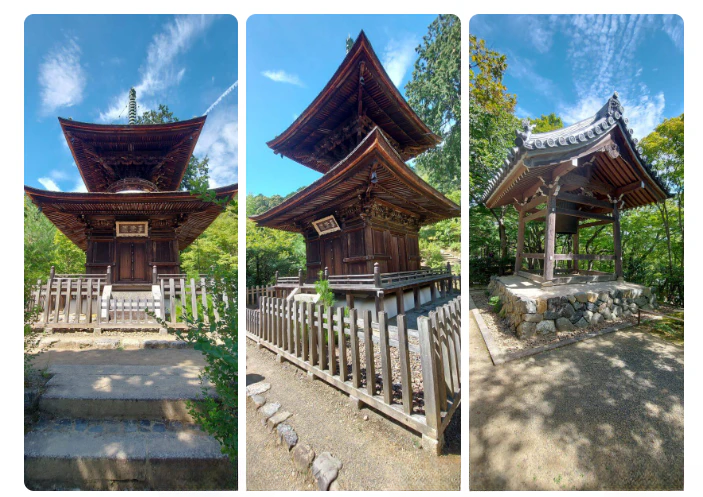
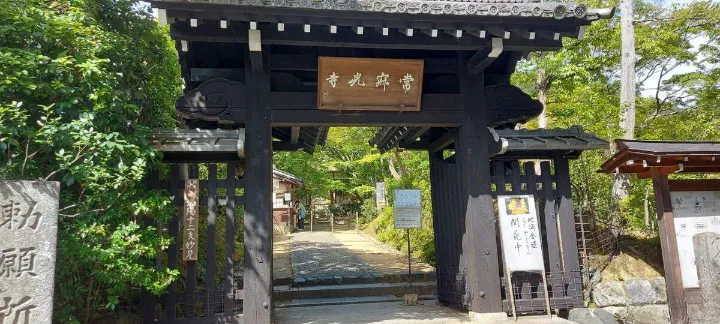
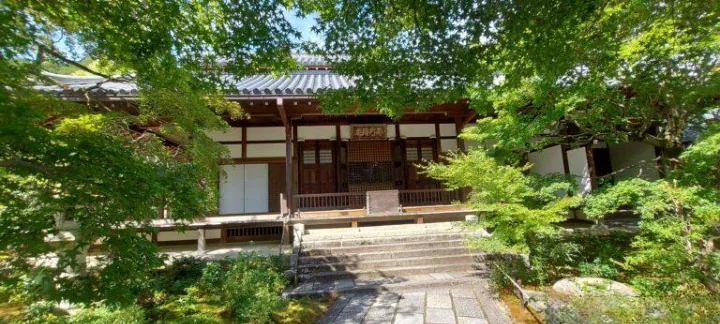
山寺隱藏在較高的位置,沒有明顯的喧囂,也沒有刻意吸引注意的設計。你需要走上去,才能進入那個安靜的範圍。
那裡的時間,是更慢的。
空氣似乎停留得更久,聲音變得稀薄。你會開始注意到風的方向、光線的角度,甚至是腳步與地面的接觸。
這不是一個需要停留很久的地方。
但卻讓人短暫地離開原本的節奏。
當你繼續前行,視野再次改變。
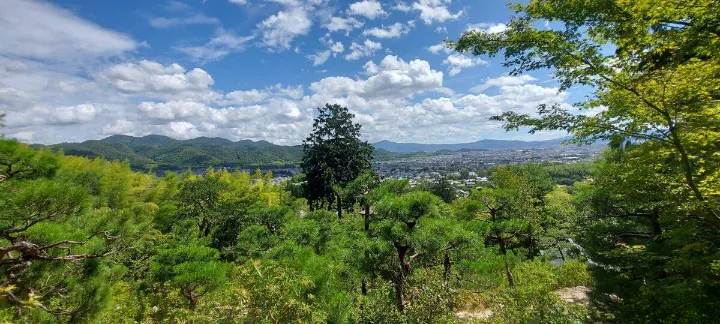
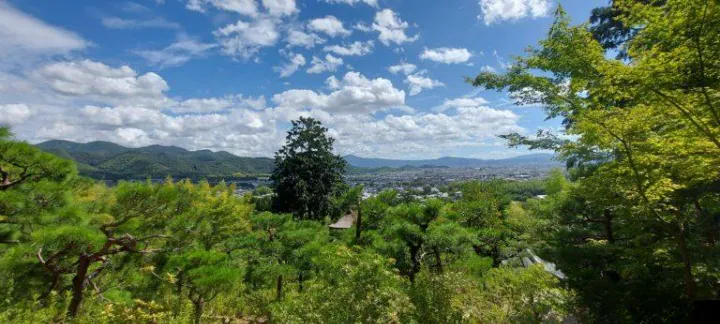
路徑開始下降,空間重新打開,遠方的景色逐漸出現。山與河流、建築與天空,重新組合成一個完整的畫面。
這一刻,你不再只是行走其中。
而是開始觀看整體。
嵐山的旅程,不是由單一景點構成。
而是由這些「視角的轉換」所組成。
從被包圍,到抬頭;從接近,到遠望。
這些變化,讓整段旅程變得完整。
English Version
A journey through Arashiyama is not linear.
It is a gradual shift in perspective.
It begins within the bamboo grove — a space defined by enclosure. Tall stalks rise upward, narrowing the sky into fragments of light. The ground becomes patterned with moving shadows, and sound softens into something almost indistinct.
You don’t slow down because you decide to.
You slow down because the space asks you to.
Even with others around, there is a sense of separation — each person moving within their own rhythm, held gently by the environment.
As you leave the grove, the structure begins to loosen.
The space opens. Your line of sight extends. Distant hills appear, and the soundscape expands. It is a subtle transition — from being surrounded to beginning to observe.
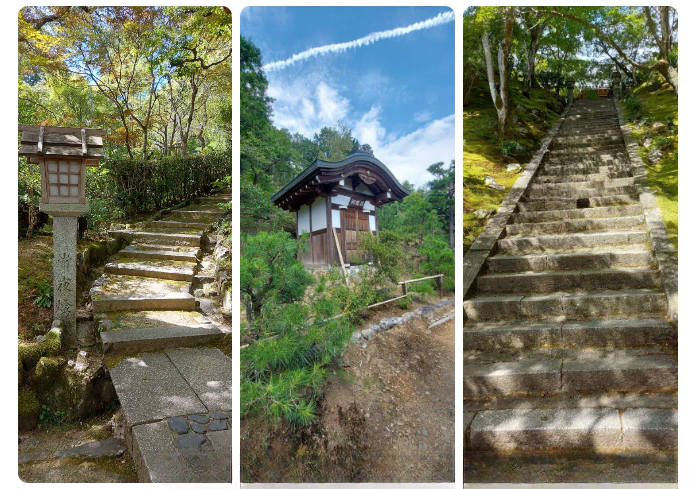
Then, the path rises.
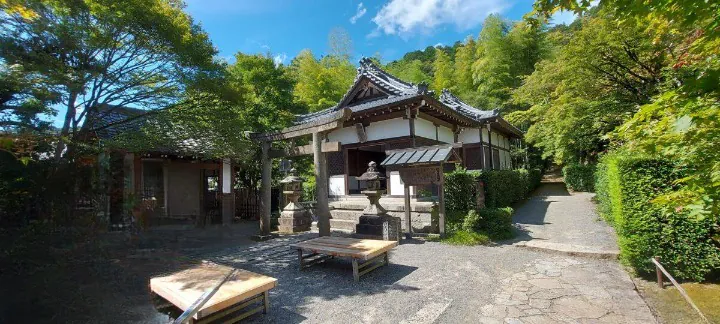
Higher up, the presence of temples emerges, not through scale or spectacle, but through stillness. These spaces are quieter, removed from the main flow, requiring a slight effort to reach.
And once there, the atmosphere shifts again.
Time feels slower. Air feels more still. Details become sharper — the direction of wind, the angle of light, the texture beneath your steps.
It is not a place that demands long attention.
Yet it gently alters your pace.
As the path continues, elevation changes once more.
The descent brings openness. The landscape unfolds — mountains, water, structures, sky — forming a wider composition. What was once experienced in fragments now appears as a whole.
You are no longer inside the scene.
You are looking at it.
Arashiyama is not defined by a single location.
It is shaped by these transitions — from enclosure to openness, from immersion to perspective.
And in those shifts, the journey becomes complete.