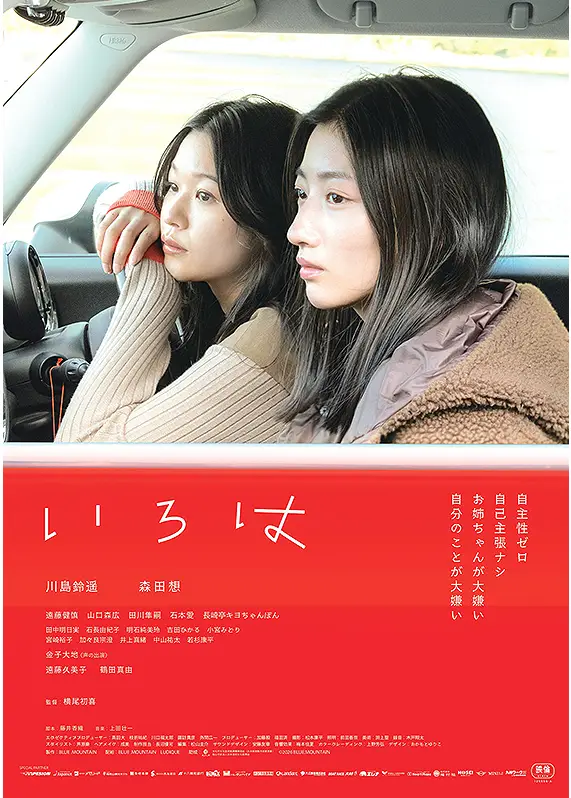
《いろは》是由横尾初喜執導的日本公路電影,以長崎為舞台,描繪兩姊妹在旅途中重新理解彼此與自我的過程。電影透過看似輕鬆的「尋找孩子父親之旅」,深入探討愛情、孤獨、承認欲求與家庭情感。作品延續導演過去對地方風景與人性細節的細膩描寫,在長崎溫柔而帶有海風氣息的景色中,呈現年輕女性對愛與人生方向的迷惘。
Directed by 横尾初喜, Iroha is a Japanese road movie set against the landscapes of Nagasaki. Through the journey of two sisters traveling across the region in search of the possible father of an unborn child, the film quietly explores loneliness, emotional vulnerability, family bonds, and the desire to be loved. Combining gentle realism with emotional intimacy, the movie transforms a seemingly unusual road trip into a deeply human story about self-discovery and sisterhood.
電影內容
《いろは》的主角伊呂波是一名22歲年輕女性,目前在家鄉協助家裡經營茶舖。她性格內向安靜,對未來缺乏明確方向,也始終對現在的自己感到不滿。她的人生像被困在某種停滯狀態之中,既沒有真正追求夢想,也沒有勇氣離開熟悉生活。某天,已經五年未回家的姊姊花蓮突然回到長崎。與伊呂波不同,花蓮自由奔放、情感強烈,總是憑直覺選擇人生與戀愛。然而這次回來的她,卻帶著「懷孕了,但不知道孩子父親是誰」的問題。她懷疑的對象包括富家子弟、有暴力傾向的年長男人,以及背負債務的前男友。半強迫之下,伊呂波被拉著一起踏上尋找父親的旅程。兩姊妹於是穿梭於長崎各地,在海港、鄉間道路與小城鎮之間移動。電影最大的魅力,在於它並不把重點放在「孩子父親究竟是誰」這個答案,而是透過旅途慢慢揭開兩姊妹內心深處的傷痕。伊呂波原本一直認為花蓮活得自由灑脫,似乎從不害怕受傷。然而隨著旅程推進,她逐漸看見姊姊戀愛背後其實隱藏強烈孤獨感與對愛的渴望。花蓮看似總在追求刺激與感情,但真正想得到的,其實只是被某個人真正需要與愛著。這種承認欲求令角色顯得既脆弱又真實。電影同時讓伊呂波開始重新面對自己。她一直認為自己比姊姊理性穩定,但其實她只是透過逃避戀愛與冒險,避免自己受到傷害。她不去愛,也不真正投入人生,因此始終停留在安全卻空虛的位置。與姊姊同行的旅程,讓她第一次真正思考自己究竟害怕什麼。作品透過兩姊妹形成鮮明對比:一人不斷追逐愛情卻傷痕累累,一人拒絕冒險因此停滯不前。這種對比使電影不只是家庭故事,更像兩種人生態度的碰撞。長崎在電影中扮演重要角色。導演横尾初喜長年拍攝長崎題材作品,因此非常擅長利用當地海港、坡道與街景營造柔和而帶點寂寞的氣氛。城市與海洋景色不只是背景,更像角色內心情感的延伸。旅途中的風景與停留,讓角色慢慢釋放壓抑已久的情緒。川島鈴遥細膩演出伊呂波壓抑而動搖的內心,而森田想則成功表現花蓮外表自由卻充滿不安的矛盾感。兩人的互動充滿真實姐妹氣息,有爭吵、有嘲笑,也有無法輕易說出口的依賴與愛。《いろは》不只是青春公路電影,更是一部關於女性如何面對孤獨與愛情的人性作品。電影透過兩姊妹在旅途中逐漸靠近彼此,也讓她們開始理解:人並不是因為完美才值得被愛,而是即使帶著傷痕與不安,仍然渴望與他人建立連結。
English Version
Iroha follows 22-year-old Iroha, a quiet and introverted young woman helping her family run a tea shop in her hometown in Nagasaki. Although she continues her daily routine without complaint, she feels trapped in an uncertain future and quietly dissatisfied with the person she has become. She lacks confidence, avoids emotional risk, and remains emotionally suspended between youth and adulthood. Her stagnant life changes suddenly when her older sister Karen unexpectedly returns home after five years away. Unlike Iroha, Karen has always lived impulsively and passionately. Openly emotional and driven by romance, she constantly throws herself into relationships and dramatic life choices. This time, however, Karen arrives carrying a serious problem: she is pregnant but does not know who the father is. The possible candidates include a wealthy heir, an older man with abusive tendencies, and an indebted former boyfriend. Almost by force, Karen drags Iroha into a road trip across Nagasaki to search for the truth. As the sisters travel through coastal towns, rural roads, and quiet city streets, the movie gradually shifts focus away from the mystery of the father’s identity and toward the emotional wounds hidden within both women. Iroha initially believes Karen lives freely and fearlessly, but the journey slowly reveals the loneliness and emotional desperation beneath her sister’s reckless romances. Karen’s constant pursuit of love is ultimately driven by an overwhelming need for recognition, intimacy, and reassurance that she matters to someone. Her emotional vulnerability transforms her from a chaotic figure into a deeply human and fragile character. At the same time, Iroha begins confronting uncomfortable truths about herself. While she once considered herself more rational and stable than Karen, she gradually realizes she has simply avoided emotional pain by refusing to fully engage with life or romance. By staying emotionally distant, she has protected herself from heartbreak but also trapped herself in emotional emptiness. Traveling alongside her sister forces her to ask what she is truly afraid of. The contrast between the two sisters forms the emotional center of the film. One constantly seeks love despite repeated emotional damage, while the other avoids risk entirely and remains emotionally frozen. Through this contrast, the movie explores two different responses to loneliness and vulnerability. Nagasaki itself becomes an essential emotional presence within the story. Director Hatsuki Yokoo, who has repeatedly used Nagasaki as the setting for his films, captures the city’s harbors, hills, and quiet streets with warmth and melancholy. The landscapes mirror the emotional state of the characters, creating an atmosphere where sadness and comfort coexist. The road trip structure allows buried feelings to surface gradually through shared conversations, silence, and movement. 川島鈴遥 gives a restrained and emotionally sensitive performance as Iroha, while 森田想 portrays Karen with a convincing mixture of confidence, insecurity, recklessness, and emotional hunger. Their chemistry captures the realism of sisterhood — filled with arguments, teasing, resentment, dependence, and unspoken affection. Iroha ultimately becomes more than a road movie or family drama. It is a deeply human story about women learning how to face loneliness, emotional vulnerability, and the fear of rejection. Through the sisters’ journey, the film gently suggests that people do not need to be perfect in order to deserve love and connection.
影片簡介(預告片/片段)
兩姊妹在長崎旅途中重新面對愛與孤獨。
A heartfelt road movie about sisterhood, loneliness, and the search for love.
電影資料
導演:横尾初喜
類型:劇情、公路電影、家庭、日本電影
製片公司:日本電影製作
上映年份:2020年代
主要演員
川島鈴遥
森田想
鶴田真由
遠藤久美子
總結
《いろは》透過一場尋找孩子父親的旅程,描繪兩姊妹面對愛情、孤獨與自我認同的過程。電影以細膩情感與長崎溫柔風景,呈現女性在人生迷惘之中重新理解彼此與自己的成長故事。
Iroha is a tender and emotionally intimate road movie about sisterhood, loneliness, and emotional healing. Through the contrasting lives of two sisters traveling across Nagasaki, the film explores the fragile human desire to love, be loved, and find meaning within imperfect relationships.