
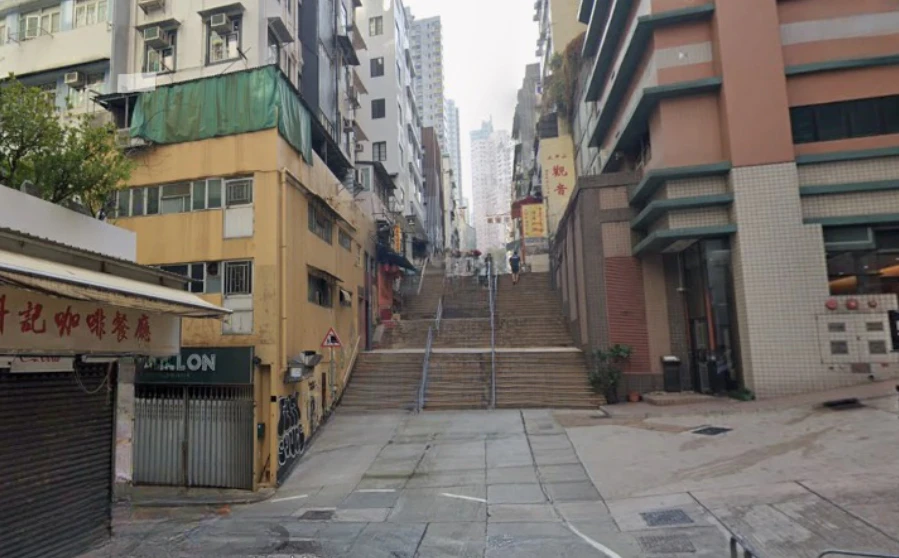
【街道筆錄】太平山街:從疫症歷史到文創街區的轉變之路 | Tai Ping Shan Street: From Plague History to a Creative Cultural Lane
太平山街曾是香港最沉重的記憶之一,疫症與擁擠交織,但今日卻轉化為安靜而富有創意的街道,在歷史陰影之上長出新的城市氣息。
Once marked by disease and density, Tai Ping Shan Street has transformed into a calm, creative corner—where echoes of hardship quietly coexist with new cultural life.
中文
太平山街(Tai Ping Shan Street)位於上環一帶,是香港歷史上極具象徵性的街道之一,其名稱「太平山」原意帶有平安之意,但實際上這個地區在19世紀末卻曾經歷香港最嚴重的公共衛生危機之一——1894年香港鼠疫。當時太平山區人口密集、衛生環境惡劣,成為疫症爆發的核心地帶,造成大量死亡,也震動了殖民政府對城市規劃與公共衛生的認知。疫症之後,政府展開大規模清拆與重建,改善排水與居住環境,這一帶亦逐漸被重新規劃,形成較有秩序的街區結構。太平山街正是在這樣的背景下,從一個充滿危機的地方,轉變為新的城市生活空間。隨着20世紀發展,上環逐步由華人聚居地演變為商住混合區,太平山街亦融入這種變化之中,成為一條相對安靜但持續存在的街道。進入21世紀後,隨着中上環文創氛圍的興起,特別是鄰近的PMQ元創方發展為創意產業地標,太平山街開始吸引咖啡店、設計店與小型畫廊進駐,逐漸形成一種低調而具有個性的文化街區。從城市變化角度來看,太平山街是一個典型的「再生空間」,它並非完全重建,而是在舊有歷史基礎上逐步轉型,保留部分街區肌理,同時引入新的生活方式與文化元素。街道特色方面,太平山街以其相對寬敞的街道比例、較為寧靜的氛圍,以及融合舊建築與現代設計的小店而聞名,與中環繁忙街區形成鮮明對比,提供一種可以慢下來的城市節奏。今日的太平山街,不再只是歷史的承載者,更是一個讓人重新理解香港的地方——它告訴人們,即使曾經承受過最沉重的過去,城市仍然可以在時間之中找到新的方向,讓記憶與生活共存。
English Version
Tai Ping Shan Street, located in Sheung Wan Hong Kong, stands as one of the most historically significant streets in Hong Kong, embodying a powerful narrative of transformation shaped by crisis and renewal. Despite its name, which conveys a sense of peace and stability, the area was once at the center of one of the city’s most devastating public health disasters—the Hong Kong plague of 1894. During that time, the Tai Ping Shan district was densely populated, with poor sanitation and overcrowded housing conditions, making it particularly vulnerable to the outbreak. The epidemic resulted in significant loss of life and prompted the colonial government to reassess urban planning and public health infrastructure. In the aftermath, large-scale clearance and redevelopment efforts were undertaken, improving drainage systems and living conditions, and reshaping the urban landscape of the area. Tai Ping Shan Street emerged within this context as part of a restructured neighborhood that sought to address the shortcomings of the past. Over the course of the 20th century, Sheung Wan evolved from a predominantly residential Chinese district into a mixed-use area, and the street became integrated into this gradual transformation, maintaining a quieter presence compared to the bustling commercial zones nearby. In the 21st century, a new phase of change began as the cultural and creative identity of the Central and Sheung Wan districts expanded, particularly with the development of nearby landmarks such as the PMQ. This shift attracted independent cafes, design studios, and small galleries to Tai Ping Shan Street, redefining it as a subtle yet distinctive cultural enclave. From an urban perspective, the street exemplifies adaptive regeneration, where historical layers are not erased but reinterpreted, allowing the physical and cultural fabric to evolve organically. Its defining features include a relatively open streetscape, a calm atmosphere, and a blend of old structures with contemporary creative spaces, offering a contrast to the intensity of Central’s commercial environment. Today, Tai Ping Shan Street is more than a historical site; it is a space where past and present coexist, illustrating how a city can confront its darkest chapters while continuing to reinvent itself through culture, memory, and everyday life.