
霓虹之下:1980年代的動畫黃金期 | Under the Neon Glow: The Golden Age of Anime in the 1980s【動漫遊】005
1970年代的動畫產業逐漸崛起,為後來的發展奠定了基礎,而1980年代則是動畫真正站穩腳步、展現全面突破的黃金時期。隨著經濟的快速成長,社會氛圍充滿活力與創新,這個時代的動畫不僅在技術上取得了顯著進步,更在敘事、風格與市場運作上達到前所未有的高度,形成了一個獨具特色的文化現象。
The 1980s are often remembered as the golden age of anime—a decade where creativity, technology, and ambition converged. Under the glow of neon-lit cities and rapid economic growth, anime evolved into a bold and diverse medium, producing works that continue to influence global storytelling today.
80年代正值日本經濟泡沫時期,整體社會充滿對未來的樂觀情緒,同時也伴隨著對科技迅猛發展的期待與不安。這樣的時代背景深刻地影響了動畫的創作方向,使得科幻題材成為當時的主流之一。賽博朋克風格的城市景觀、高速公路、太空戰艦以及人工智慧等元素頻繁出現在動畫作品中,這些作品不僅描繪了未來世界的可能性,也探討了人類與科技之間的複雜關係。這種對未來的想像與反思,為當時的動畫注入了一種深刻而獨特的哲學意涵。
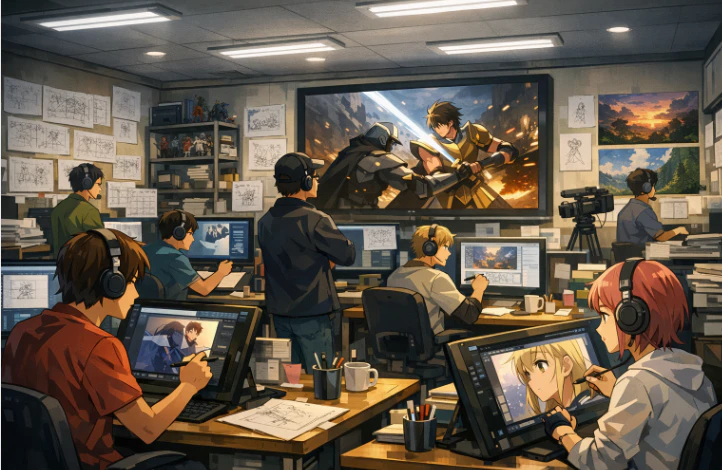
技術層面上,1980年代是動畫製作質量大幅提升的一個重要時期。隨著賽璐珞技術的不斷精進,畫面的細膩程度顯著提高。色彩運用更加豐富,光影效果也更加立體,為作品增添了豐富的視覺層次感。人物造型方面,線條逐漸變得銳利而富有個性,背景設計則更加精緻和細膩,尤其是在城市場景中,霓虹燈光與建築細節被描繪得栩栩如生,充分展現了創作者對未來城市的想像力與美學追求。
此外,錄影帶市場的興起對動畫產業產生了深遠影響。OVA(Original Video Animation)的誕生使動畫作品不再局限於固定的電視播放時段,創作者有了更多自由去探索不同題材和表現形式。這一變化讓動畫內容變得更加多元化,也促使不少大膽且實驗性的作品得以問世。錄影帶的普及還改變了觀眾與動畫之間的互動方式。觀眾不僅可以隨時重溫喜愛的作品,還能通過收藏和反覆觀看來深入研究其中的細節。這種新型態的觀看行為促成了迷文化的萌芽,使動畫逐漸成為一種可以被「擁有」和珍藏的文化產品。
在敘事層面上,1980年代的動畫逐漸擺脫了以往單純針對兒童受眾的限制,開始吸引更多成年觀眾的關注。這一時期的角色塑造更加立體,不再局限於傳統的英雄與反派對立模式。角色的動機和情感變得更為複雜,呈現出一種灰色地帶般的道德模糊性。例如英雄可能並非絕對正義,而反派也不再只是單純邪惡。這樣的人物設計使得故事更加貼近現實,也更容易引發觀眾共鳴。同時,許多動畫開始探討成熟且深刻的社會議題,如戰爭、環境破壞、道德選擇等,使其超越了娛樂媒介的範疇,成為一種能夠承載思想深度的藝術形式。
1980年代被稱為動畫黃金期,不僅僅是因為資金充足或技術進步,更重要的是創作者、觀眾與市場需求之間形成了一種難得的共鳴。在這個時代,創作者懷抱著巨大的熱情與野心,致力於突破傳統框架,以全新的方式講述故事,同時也不斷挑戰技術極限。而觀眾則以高度熱情支持這些創新之舉,使得動畫市場呈現出蓬勃發展的態勢。
回顧這段歷史,我們可以清楚地看到1980年代動畫產業所取得的不凡成就。它不僅在視覺呈現與敘事深度上達到了一個全新的高度,也成功地將動畫從單純的娛樂產品轉化為一種具有文化、藝術與思想價值的重要媒介。在霓虹燈光照耀下,那些充滿未來感與哲思的畫面,不僅描繪了創作者對未來世界的想像,更反映了一個相信未來可以被創造與描繪出來的時代精神。這段黃金歲月所留下的遺產,不僅影響了後續數十年的動畫發展,也成為全球影視文化中不可忽視的一部分。
English Version
The 1980s represent a defining era in the history of anime, often referred to as its golden age. During this decade, the industry reached a level of creative and technical maturity that allowed it to explore new artistic directions while expanding its audience. This period was shaped by a unique combination of economic prosperity, technological advancement, and cultural confidence in Japan. As the country experienced rapid growth, the anime industry benefited from increased investment, enabling studios to take greater risks and pursue more ambitious projects. The result was a surge of innovation that transformed anime into a versatile and expressive medium. One of the most notable developments of the 1980s was the rise of original video animation, commonly known as OVA. This format allowed creators to bypass traditional television constraints and produce content directly for home video. OVAs provided greater creative freedom, enabling more experimental storytelling, higher production values, and themes that could target older audiences. This shift expanded the scope of anime, demonstrating that it could cater to a wide range of viewers beyond children and teenagers. At the same time, theatrical anime reached new heights, with films that combined artistic vision and technical excellence. Directors pushed the boundaries of animation, exploring complex narratives and sophisticated visual styles. Works from this era showcased a willingness to tackle philosophical, psychological, and social themes, elevating anime into a form of cinema capable of engaging with profound ideas. This period also saw the continued evolution of genres established in previous decades. The mecha genre, influenced by earlier works such as Mobile Suit Gundam, became more nuanced and grounded, incorporating political intrigue and realistic conflict. Science fiction, fantasy, and cyberpunk themes gained prominence, reflecting the technological optimism and underlying anxieties of the time. Anime began to engage more directly with questions about humanity’s relationship with technology, identity, and the future. Character design and visual aesthetics also underwent significant development during the 1980s. Artists refined their styles, creating more detailed and expressive characters while maintaining the efficiency required for animation production. The use of color, lighting, and composition became more sophisticated, contributing to a distinctive visual identity that set anime apart from other forms of animation. These advancements were supported by improvements in animation techniques and the increasing availability of new production tools. Another important factor in the golden age of anime was the diversification of its audience. As anime explored more mature themes and complex narratives, it began to attract viewers across different age groups. This broadened appeal encouraged the development of a wider range of genres and storytelling approaches, from action and adventure to romance, horror, and psychological drama. The industry’s ability to cater to diverse audiences became one of its defining strengths. The cultural context of the 1980s played a crucial role in shaping the themes and tone of anime. Japan’s economic boom created a sense of optimism and possibility, but it was also accompanied by concerns about rapid technological change and social transformation. These contrasting perspectives were reflected in the stories of the time, which often balanced hope and uncertainty. Anime became a medium through which creators could explore both the promises and the challenges of a rapidly evolving world. The influence of this era extends far beyond its own time. Many of the techniques, themes, and storytelling approaches developed in the 1980s continue to shape modern anime. The emphasis on creative freedom, genre diversity, and narrative depth established during this period laid the foundation for future innovation. In the contemporary landscape, platforms such as Netflix and Crunchyroll have brought anime to a global audience, but the spirit of experimentation and ambition that defined the 1980s remains a core part of its identity. Ultimately, the golden age of anime was not simply a period of success—it was a moment of transformation. It demonstrated what the medium could achieve when creativity and opportunity aligned, setting a standard that continues to inspire creators and audiences alike. Under the neon glow of that era, anime found its voice, and its echoes can still be felt in the stories we watch today.