
Skip to content
madefrom.hk madefrom.hk madefrom.hk

Rewriting culture, history and memories beyond language and borders.

madefrom.hk madefrom.hk madefrom.hk

Rewriting culture, history and memories beyond language and borders.

  • Comics
    • Strange Tales
    • Myths of the Constellations
  • Column
    • Knowledge Hub
      • 生活篇
      • 食品篇
      • 科技篇
      • 超市篇
    • Life & Technology
    • Hong Kong Guide
    • Today in History
    • City Stories
    • Anime & Manga
    • Game Magazine
    • Toy Club
    • Language of Flowers
    • Street Notes
    • All Things
    • Music Memories
    • Chinese Idioms
    • Cantonese Sayings
    • Movie Magazine
  • Original Stories
    • 不可思議故事
    • 十三號的約定
    • 星座宮神話
    • 香港山怪談
    • 香港都市靈異傳說
  • Adapted Stories
    • romance of the three kingdoms
    • hong kong places
    • dream of the red chamber
    • strange tales
    • The house on the borderland
    • usherhouse
    • Theblackcat
  • History
    • History in 80 Seconds
    • 當年報章摘要
    • 香港歷史
    • 世界名作家
    • World Biographies
  • Movies
    • USA
    • japan
    • Korea
    • Taiwan
    • HONGKONG
    • India
    • china
    • france
    • Tunisia
    • Germany
    • Jordan
    • Switzerland
    • sweden
    • Spain
    • Palestine
    • Norway
    • Argentina
    • Brazil
  • ACG
    • Winter 2026 Anime
    • Summer 2026 Anime
    • ACGHK
      • 2016
      • 2018
      • 2019
      • 2023
      • 2024
    • 創天綜合同人祭
      • 同人表演
    • 音樂
    • 電玩
      • 玩具資訊
      • 遊戲資訊
    • 遊戲
      • SNK Neo Geo
      • PlayStation 2
      • Arcade
      • NEWS
  • 旅行
    • Hong Kong Travel
      • 土瓜灣
      • 舊建築
      • 街道
      • 單車
      • 文化
      • 交通
      • 香港書展
      • 表演
      • 廟宇
      • 教堂
      • 香港書展
      • 分享會
      • 紀念活動
      • 文化活動
      • 活動
      • 寵物
      • 巴士
      • 電車
      • 機場
      • 飲食
        • 上環
        • 中環
        • 筲箕灣
        • 西環
        • 天后
        • 旺角
        • 荔枝角
        • 佐敦道
        • 太子
        • 大角咀
        • 深水埗
        • 油麻地
        • 長沙灣
        • 黃大仙
        • 尖沙咀
        • 油塘
        • 葵芳
        • 屯門
        • 元朗
        • 上水
        • 粉嶺
        • 荃灣
        • 渡輪
      • 心理測驗
    • Macau Travel
    • International Travel
    • 日本旅遊
    • Taiwan Travel
    • Thailand Travel
  • Archive
    • 文化生活
    • 莎拉有約
  • Comics
    • Strange Tales
    • Myths of the Constellations
  • Column
    • Knowledge Hub
      • 生活篇
      • 食品篇
      • 科技篇
      • 超市篇
    • Life & Technology
    • Hong Kong Guide
    • Today in History
    • City Stories
    • Anime & Manga
    • Game Magazine
    • Toy Club
    • Language of Flowers
    • Street Notes
    • All Things
    • Music Memories
    • Chinese Idioms
    • Cantonese Sayings
    • Movie Magazine
  • Original Stories
    • 不可思議故事
    • 十三號的約定
    • 星座宮神話
    • 香港山怪談
    • 香港都市靈異傳說
  • Adapted Stories
    • romance of the three kingdoms
    • hong kong places
    • dream of the red chamber
    • strange tales
    • The house on the borderland
    • usherhouse
    • Theblackcat
  • History
    • History in 80 Seconds
    • 當年報章摘要
    • 香港歷史
    • 世界名作家
    • World Biographies
  • Movies
    • USA
    • japan
    • Korea
    • Taiwan
    • HONGKONG
    • India
    • china
    • france
    • Tunisia
    • Germany
    • Jordan
    • Switzerland
    • sweden
    • Spain
    • Palestine
    • Norway
    • Argentina
    • Brazil
  • ACG
    • Winter 2026 Anime
    • Summer 2026 Anime
    • ACGHK
      • 2016
      • 2018
      • 2019
      • 2023
      • 2024
    • 創天綜合同人祭
      • 同人表演
    • 音樂
    • 電玩
      • 玩具資訊
      • 遊戲資訊
    • 遊戲
      • SNK Neo Geo
      • PlayStation 2
      • Arcade
      • NEWS
  • 旅行
    • Hong Kong Travel
      • 土瓜灣
      • 舊建築
      • 街道
      • 單車
      • 文化
      • 交通
      • 香港書展
      • 表演
      • 廟宇
      • 教堂
      • 香港書展
      • 分享會
      • 紀念活動
      • 文化活動
      • 活動
      • 寵物
      • 巴士
      • 電車
      • 機場
      • 飲食
        • 上環
        • 中環
        • 筲箕灣
        • 西環
        • 天后
        • 旺角
        • 荔枝角
        • 佐敦道
        • 太子
        • 大角咀
        • 深水埗
        • 油麻地
        • 長沙灣
        • 黃大仙
        • 尖沙咀
        • 油塘
        • 葵芳
        • 屯門
        • 元朗
        • 上水
        • 粉嶺
        • 荃灣
        • 渡輪
      • 心理測驗
    • Macau Travel
    • International Travel
    • 日本旅遊
    • Taiwan Travel
    • Thailand Travel
  • Archive
    • 文化生活
    • 莎拉有約
Close

Search

繁體中文
Anime & MangaColumn

電視亮起之前:1950、60年代的動畫年代 | Before Television Lit Up: Anime in the 1950s and 1960s【動漫遊】003

2026-03-05

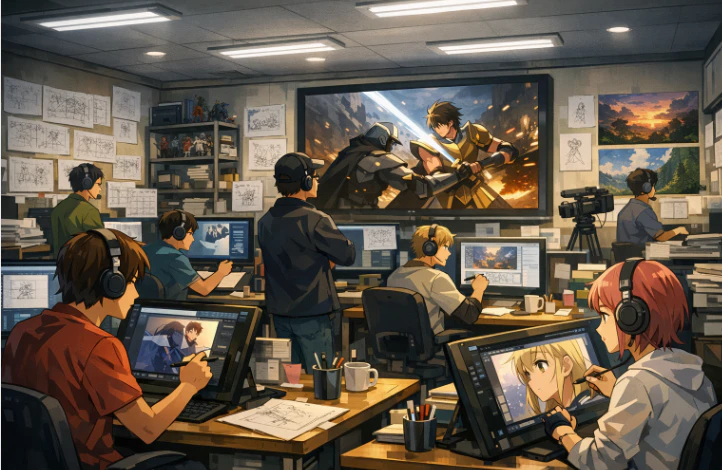
日本動畫的發展歷史充滿了探索與革新,尤其在1950年代至1960年代之間,奠定了產業的基礎。1950年代,日本動畫尚處於摸索階段,當時的社會正從戰後的陰霾中逐漸復甦,影像技術也開始在民間普及。然而,動畫仍然是一種實驗性質的媒介,其形式以短片為主,製作成本高昂且市場尚未成熟。創作者主要依靠個人熱情投入,而非依賴完善的產業體系。這一時期的作品雖然數量有限,但為後來的發展提供了重要的技術與創意基礎。
Before anime became a television staple, its foundations were built in the 1950s and 1960s through experimentation and persistence. This era marked the transition from short theatrical works to serialized storytelling, shaping the visual language and production methods that would define anime for generations.

進入1960年代,日本動畫迎來了關鍵性的轉折點,而這一轉折並非源於畫風或技術革新,而是電視的普及。隨著電視逐漸成為家庭中的日常設備,觀眾開始習慣於在固定的時段收看節目。這種媒介的變化使得動畫從原本僅限於影院播放的短暫奇觀,轉變為一種可以定期陪伴觀眾的形式。週播制度的引入意味著動畫製作需要更加注重故事的連續性和角色的長期性,而不再僅僅是單一作品的呈現。製作流程因此被迫壓縮,促使有限動畫技術逐步成熟。

有限動畫技術的核心在於如何用有限資源達到最佳效果。相比於早期追求每個畫面都流暢自然的全動畫技術,有限動畫選擇了另一種方式:通過鏡頭調度、節奏控制以及視覺構圖來彌補動作流暢度的不足。角色設計趨向簡潔化,背景則重複使用以降低成本;而構圖則成為敘事的重要工具。這些技術上的選擇逐漸形成了「日本動畫風格」,並成為日後全球範圍內具有辨識度的一種藝術形式。

在此期間,雖然日本動畫的畫面表現仍然相對粗糙,但它們卻成功地建立了產業化的基礎。製作公司開始形成分工體系,動畫師、分鏡師、配音員等職業逐漸專業化,動畫製作不再僅僅是個人創作,而是演變為可以規模化運作的工業模式。這種模式不僅提高了作品的生產效率,也促使更多資源流入動畫領域,進一步鞏固了產業發展的基礎。

更重要的是,觀眾對動畫的接受方式也發生了改變。隨著電視成為家庭生活的一部分,人們開始習慣於與動畫進行長期互動。孩子們會追隨角色的成長,大人則可能因某個播放時段而記住某部作品。動畫不再僅僅是一種一次性的娛樂形式,而是逐漸融入日常生活,成為人們情感連結的一部分。

回顧這段歷史,我們可以發現,日本動畫在資源有限、條件受限的情況下,通過不斷嘗試與創新,找到了屬於自己的語言。這些限制並未阻礙其發展,反而激發了創作者的潛力,使得作品在技術與藝術層面上都呈現出獨特的風格。尤其是電視媒介的興起,促使動畫從一種孤立的藝術形式轉變為陪伴一代人成長的重要文化現象。

1960年代之後,日本動畫逐漸走向成熟,不僅在國內市場占據重要地位,也開始向海外輸出作品,影響力迅速擴大。然而,這一切都要歸功於早期創作者們在資源匱乏時期所做出的努力,以及電視媒介所帶來的巨大契機。正是在這些因素的共同作用下,日本動畫得以突破局限,成為今天全球文化的重要組成部分。

English Version
The 1950s and 1960s represent a formative period in the history of anime, a time when Japanese animation was still searching for its identity while navigating technological limitations and cultural transformation. Before television became the dominant platform, animation in Japan existed primarily in the form of short films shown in cinemas. These early works were influenced by Western animation, particularly the films of Walt Disney, which demonstrated the possibilities of animated storytelling on a large scale. However, Japanese creators faced significant resource constraints, prompting them to develop alternative approaches that emphasized efficiency and creativity. One of the key developments of this era was the gradual shift from theatrical animation to television broadcasting. This transition fundamentally changed the nature of anime production. Unlike theatrical releases, which allowed for higher budgets and longer production times, television required a steady output of content on a weekly basis. This demand led to the adoption of limited animation techniques, where fewer frames were used and visual elements were reused to maintain consistency while reducing production costs. While this approach was initially driven by necessity, it became a defining characteristic of anime’s visual style. A central figure in this transformation was Osamu Tezuka, whose work bridged the gap between manga and animation. Through the creation of Astro Boy, Tezuka introduced a new model for animated storytelling. Astro Boy was one of the first anime series to be broadcast on television in Japan, and its success demonstrated that serialized animation could reach a wide audience. By combining cinematic techniques with cost-effective production methods, Tezuka established a framework that would influence the anime industry for decades. The significance of Astro Boy extends beyond its technical innovations. It also introduced narrative structures that allowed for ongoing character development and thematic exploration. Unlike short films, which were often self-contained, television anime could tell longer, more complex stories. This shift opened new possibilities for the medium, enabling it to explore a wider range of genres and emotional experiences. Characters could evolve over time, and audiences could form deeper connections with them, transforming anime into a more immersive and engaging form of storytelling. During this period, the relationship between manga and anime became increasingly important. Many early anime series were adapted from popular manga, providing a ready source of stories and visual inspiration. This synergy between the two mediums allowed for rapid expansion, as successful manga could be translated into animated form with an existing audience. It also contributed to the development of a shared visual language, where character designs and narrative conventions flowed between print and screen. Technological advancements in the 1950s and 1960s further supported the growth of anime. The introduction of color television, improvements in camera techniques, and the refinement of animation processes all contributed to a more sophisticated production environment. While these advancements did not eliminate the challenges of limited budgets, they provided new tools for creative expression. Animators learned to maximize the impact of each frame, focusing on composition, timing, and emotional resonance rather than sheer quantity of movement. The cultural context of post-war Japan also played a crucial role in shaping anime during this era. As the country rebuilt and modernized, animation became a medium through which new ideas and aspirations could be explored. Themes of technology, progress, and identity were reflected in many works, mirroring the broader societal changes taking place. Anime became not only a form of entertainment but also a reflection of a society in transition, capturing both its hopes and uncertainties. By the end of the 1960s, anime had established itself as a viable and influential medium, laying the groundwork for the industry’s future expansion. The techniques and storytelling approaches विकसित during this period would continue to evolve, influencing subsequent generations of creators. In the modern era, platforms such as Netflix and Crunchyroll have brought anime to a global audience, but the foundations of this global success can be traced back to the innovations of the 1950s and 1960s. Ultimately, the era before television fully lit up the anime industry was one of experimentation, adaptation, and discovery. It was a time when creators worked within constraints to build something new, establishing the principles that would define anime as a unique and enduring form of storytelling.
Views: 11
延伸閱讀
最終楽章 響け!ユーフォニアム 前編:青春與音樂交織的最終篇章 | Sound! Euphonium Final Movement Part 1: A Crescendo of Youth and Music | JAPAN Film | Trailer | 電影資料庫 | 2026 
當一段青春走向終章,音樂往往成為最深刻的記憶。《最終楽章 響け!ユーフォニアム 前編》作為系列集大成的開端,不僅延續過去的情感累積,也為…
日本動畫黃金年代的誕生:從手塚治虫到機械人時代 | The Birth of Japan’s Anime Golden Age: From Osamu Tezuka to the Mecha Era | 動漫遊 033
日本動畫的黃金年代起源於1960至1980年代,從手塚治虫開創電視動畫模式,到Mazinger Z帶動機械人熱潮,逐步形成完整產業鏈。這…
機械人動畫為何風靡亞洲:文化共鳴與市場力量的結合 | Why Mecha Anime Conquered Asia: Cultural Resonance and Market Power | 動漫遊 032
從Mazinger Z到UFO Robo Grendizer,機械人動畫在亞洲迅速走紅,成為跨世代的文化記憶。其成功不僅來自熱血戰鬥與巨…
日本70年代超級機械人動畫文化:鋼鐵英雄與時代精神 | Super Robot Anime Culture of 1970s Japan: Steel Heroes and the Spirit of an Era   | 動漫遊 031
1970年代是日本超級機械人動畫的黃金時期,從Mazinger Z到UFO Robo Grendizer,作品塑造了駕駛巨大機械人對抗邪…

Tags:

1950s Anime1950年代動畫1960s Anime1960年代動漫anime historyanime industryAstro BoyEarly AnimeJapanese animationOsamu TezukaTelevision Anime動漫發展史動漫起源動畫產業發展動畫製作史日本動畫歷史日本電視動畫
Other Articles
Previous

【街道筆錄】香港雪廠街:從製冰工業到中環核心的城市轉變Ice House Street Hong Kong: From Ice Storage to Central’s Urban Core

Traditional Hong Kong shipyard with workers building wooden boats along the coast
Next

香港造船業 | The Shipbuilding Industry of Hong Kong: Craftsmanship, Industry, and a Vanished Maritime Era | 今日回望 | 第五章

No Comment! Be the first one.

Leave a Reply Cancel reply

You must be logged in to post a comment.

  • Patreon
  • Facebook
  • Instagram
  • YouTube
  • Bluesky
  • Tumblr
  • LinkedIn

Register|Lost your password?

  • Terms of Service
  • Privacy Policy
  • Contact
  • About Us
  • Register
  • Login
  • Password Reset
  • Advertising
  • Column Sponsorship
  • plus member

Content & Corrections

This website covers films, animation, games, cultural columns, and other related content and information. Our information is primarily based on publicly available sources, official announcements, and editorial research. Content may be revised or updated when new information becomes available.
If you notice any errors, believe that information needs to be corrected, or have updated official information that may be added, please contact us by email:
📧 [email protected]
We will review the information and make updates as soon as possible after verification.
Thank you for your help and understanding.

  • Myths of the Constellations | Episode 7 | The Cost of Fire |English Comic Edition 
  • Strange Tales | The Monster in the Buckwheat  | English Comic Edition 
  • Strange Tales|Hunting a Fox | English Comic Edition
  • Myths of the Constellations|Episode 6|After the Fracture|English Comic Edition
  • Strange Tales|Biting a Ghost | English Comic Edition

ACG HK anime Chinese Mythology Dream of the Red Chamber Hong Kong History On This Day Romance of the Three Kingdoms Silent film world history 三國演義 世界歷史 中國古典小說 中國神話 今日歷史 劉備 動畫 動畫電影 古典文學 台灣旅遊 專欄 小說連載 山海經 廣東話歇後語 影評 恐怖電影 推薦 日本動畫 日本電影 曹操 林黛玉 歷史上的今天 澳門 紅樓夢 經典電影 美國電影 聊齋志異 賈寶玉 電影 電影劇情介紹 飲食 香港文化 香港旅遊 香港歷史 香港都市傳說 香港電影

Copyright 2021 - 2026 — 0studiohk.com | madefrom.hk. All rights reserved.