
Skip to content
madefrom.hk madefrom.hk madefrom.hk

Rewriting culture, history and memories beyond language and borders.

madefrom.hk madefrom.hk madefrom.hk

Rewriting culture, history and memories beyond language and borders.

  • Comics
    • Strange Tales
    • Myths of the Constellations
  • 繁體中文漫畫
    • 碧廬冤孽
  • Column
    • Knowledge Hub
      • 生活篇
      • 食品篇
      • 科技篇
      • 超市篇
    • Life & Technology
    • Hong Kong Guide
    • Today in History
    • City Stories
    • Anime & Manga
    • Game Magazine
    • Toy Club
    • Language of Flowers
    • Street Notes
    • All Things
    • Music Memories
    • Chinese Idioms
    • Cantonese Sayings
    • Movie Magazine
  • Original Stories
    • 不可思議故事
    • 十三號的約定
    • 星座宮神話
    • 香港山怪談
    • 香港都市靈異傳說
  • Adapted Stories
    • romance of the three kingdoms
    • hong kong places
    • dream of the red chamber
    • strange tales
    • The house on the borderland
    • usherhouse
    • Theblackcat
  • History
    • History in 80 Seconds
    • 當年報章摘要
    • 香港歷史
    • 世界名作家
    • World Biographies
  • Movies
    • USA
    • japan
    • Korea
    • Taiwan
    • HONGKONG
    • India
    • china
    • france
    • Tunisia
    • Germany
    • Jordan
    • Switzerland
    • sweden
    • Spain
    • Palestine
    • Norway
    • Argentina
    • Brazil
  • ACG
    • Winter 2026 Anime
    • Summer 2026 Anime
    • ACGHK
      • 2016
      • 2018
      • 2019
      • 2023
      • 2024
    • 創天綜合同人祭
      • 同人表演
    • 音樂
    • 電玩
      • 玩具資訊
      • 遊戲資訊
    • 遊戲
      • SNK Neo Geo
      • PlayStation 2
      • Arcade
      • NEWS
  • 旅行
    • Hong Kong Travel
      • 土瓜灣
      • 舊建築
      • 街道
      • 單車
      • 文化
      • 交通
      • 香港書展
      • 表演
      • 廟宇
      • 教堂
      • 香港書展
      • 分享會
      • 紀念活動
      • 文化活動
      • 活動
      • 寵物
      • 巴士
      • 電車
      • 機場
      • 飲食
        • 上環
        • 中環
        • 筲箕灣
        • 西環
        • 天后
        • 旺角
        • 荔枝角
        • 佐敦道
        • 太子
        • 大角咀
        • 深水埗
        • 油麻地
        • 長沙灣
        • 黃大仙
        • 尖沙咀
        • 油塘
        • 葵芳
        • 屯門
        • 元朗
        • 上水
        • 粉嶺
        • 荃灣
        • 渡輪
      • 心理測驗
    • Macau Travel
    • International Travel
    • 日本旅遊
    • Taiwan Travel
    • Thailand Travel
  • Archive
    • 文化生活
    • 莎拉有約
  • Comics
    • Strange Tales
    • Myths of the Constellations
  • 繁體中文漫畫
    • 碧廬冤孽
  • Column
    • Knowledge Hub
      • 生活篇
      • 食品篇
      • 科技篇
      • 超市篇
    • Life & Technology
    • Hong Kong Guide
    • Today in History
    • City Stories
    • Anime & Manga
    • Game Magazine
    • Toy Club
    • Language of Flowers
    • Street Notes
    • All Things
    • Music Memories
    • Chinese Idioms
    • Cantonese Sayings
    • Movie Magazine
  • Original Stories
    • 不可思議故事
    • 十三號的約定
    • 星座宮神話
    • 香港山怪談
    • 香港都市靈異傳說
  • Adapted Stories
    • romance of the three kingdoms
    • hong kong places
    • dream of the red chamber
    • strange tales
    • The house on the borderland
    • usherhouse
    • Theblackcat
  • History
    • History in 80 Seconds
    • 當年報章摘要
    • 香港歷史
    • 世界名作家
    • World Biographies
  • Movies
    • USA
    • japan
    • Korea
    • Taiwan
    • HONGKONG
    • India
    • china
    • france
    • Tunisia
    • Germany
    • Jordan
    • Switzerland
    • sweden
    • Spain
    • Palestine
    • Norway
    • Argentina
    • Brazil
  • ACG
    • Winter 2026 Anime
    • Summer 2026 Anime
    • ACGHK
      • 2016
      • 2018
      • 2019
      • 2023
      • 2024
    • 創天綜合同人祭
      • 同人表演
    • 音樂
    • 電玩
      • 玩具資訊
      • 遊戲資訊
    • 遊戲
      • SNK Neo Geo
      • PlayStation 2
      • Arcade
      • NEWS
  • 旅行
    • Hong Kong Travel
      • 土瓜灣
      • 舊建築
      • 街道
      • 單車
      • 文化
      • 交通
      • 香港書展
      • 表演
      • 廟宇
      • 教堂
      • 香港書展
      • 分享會
      • 紀念活動
      • 文化活動
      • 活動
      • 寵物
      • 巴士
      • 電車
      • 機場
      • 飲食
        • 上環
        • 中環
        • 筲箕灣
        • 西環
        • 天后
        • 旺角
        • 荔枝角
        • 佐敦道
        • 太子
        • 大角咀
        • 深水埗
        • 油麻地
        • 長沙灣
        • 黃大仙
        • 尖沙咀
        • 油塘
        • 葵芳
        • 屯門
        • 元朗
        • 上水
        • 粉嶺
        • 荃灣
        • 渡輪
      • 心理測驗
    • Macau Travel
    • International Travel
    • 日本旅遊
    • Taiwan Travel
    • Thailand Travel
  • Archive
    • 文化生活
    • 莎拉有約
Close

Search

Anime & MangaColumn

走向宇宙之前:1970年代的動畫轉向 | Before Reaching Space: The Turning Point of Anime in the 1970s【動漫遊】004

2026-03-06

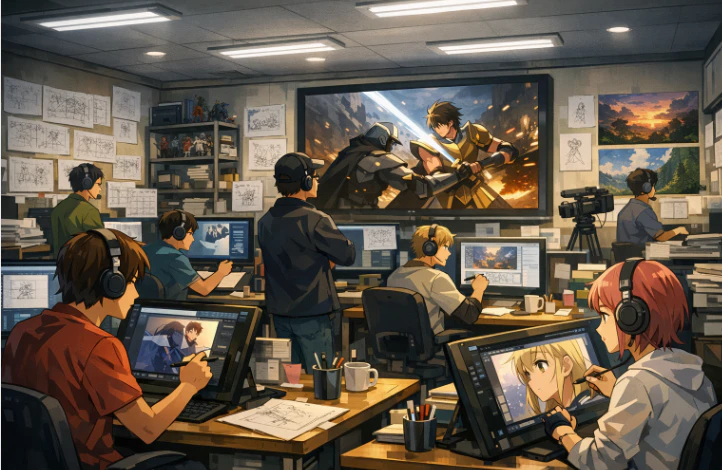
1950、60年代的動畫為電視媒體奠定了基礎,然而真正讓動畫內容與形式開始突破框架的,則是1970年代。這個時期的動畫逐漸從單純的娛樂性質轉向更深層次的敘事,反映了當時日本社會的動盪與變革,也展現了動畫創作者對於藝術表現的追求與野心。
The 1970s marked a decisive shift in anime, moving beyond early experimentation into a period of bold ideas and genre transformation. As creators explored new themes and technologies, anime began to redefine its identity, setting the stage for the expansive and complex storytelling that would follow.

1970年代的日本正處於快速變遷的時代。戰後經濟復甦帶來的科技進步與社會轉型,使得人們對未來充滿想像與不確定性。同時,學生運動的餘波未平,社會中對於傳統價值觀的質疑逐漸浮現。這些因素促使文化產業,尤其是動畫,開始思考如何以更深刻的方式反映現實,並對未來進行探索。動畫的主題從過去以童話、冒險為主,逐漸擴展至涉及宇宙探索、戰爭機器、科技與人性的衝突,以及制度與個體之間的矛盾等宏大議題。

儘管當時動畫製作仍受限於預算與工期,畫面表現未能完全精緻,但創作者在敘事上更加注重深度與複雜性。角色不再是毫無缺陷的英雄,而是變得更具人性化。他們有掙扎、有迷茫,甚至會面對無法解決的矛盾。這樣的角色塑造讓觀眾能夠更容易產生共鳴,也使得故事更加貼近現實。同時,機械元素在動畫中的象徵意義也逐漸深化,不再僅僅是兒童玩具的延伸,而是成為力量、控制甚至壓迫的象徵。宇宙作為背景也不再只是提供一個奇幻舞台,而是被賦予了一種未知的壓力感,成為探討人類未來命運的重要場域。

從視覺語言的角度來看,1970年代的動畫在技術條件有限的情況下,發展出獨特的敘事方式。有限動畫依然是主流,但分鏡語言變得更加成熟與精緻。創作者開始更有意識地使用長鏡頭、靜止畫面以及音樂來營造情緒,彌補動畫動作上的不足。這種風格上的探索使得作品不僅僅依賴視覺效果吸引觀眾,更能透過情緒與敘事結構打動人心。即便畫面看似簡單,但其內涵卻深刻而有力。

此外,1970年代見證了動畫類型的多樣化與成熟化。機器人動畫迅速崛起,成為當時最受歡迎的類型之一。例如,《宇宙戰艦大和號》和《機動戰士鋼彈》等作品不僅開創了科幻機器人動畫的新局面,更成功吸引了成年觀眾的注意。這些作品不僅僅是娛樂性的故事,而是藉由機器人作為載體,探討戰爭、科技進步背後的人性議題以及社會問題。這一時期,動畫不再只是兒童專屬的娛樂媒介,而是逐漸成為能夠承載多層次情感與思想的藝術形式。

在產業層面,由於週播制度逐漸穩定,製作公司之間的競爭也日益激烈。這種競爭促進了動畫製作質量的不斷提升,同時也推動了創作者尋求突破與創新的動力。許多製作公司開始嘗試不同風格與題材,以吸引更多元化的觀眾群體。這些努力使得1970年代成為日本動畫發展史上一個關鍵的轉折點。

儘管如此,我們不可忽視的是,這個時期的動畫仍然受到諸多限制。例如,預算不足導致畫面質量參差不齊,工期壓力使得製作過程中難以進一步打磨細節。然而,正是在這些限制之下,創作者展現了非凡的創造力。他們以有限資源創造出具有深度與影響力的作品,不僅改變了觀眾對動畫的認知,也為後續世代的創作者奠定了堅實基礎。

1970年代的動畫是一個充滿探索精神的時代。在這個時期,動畫不再僅僅是一種技術成果,而是逐漸成為一種文化表達形式。它開始承載更多元化的價值觀與思想,引領觀眾思考自身與世界的關係。在這個過程中,動畫以其獨特的方式塑造了一種對未來世界的想像,並啟發了無數觀眾對於人類命運和科技進步的思考。

總結而言,1970年代是日本動畫發展史上極具意義的一個十年。它見證了動畫從單純娛樂向深度敘事轉型,也反映了當時日本社會的複雜性與多樣性。雖然技術上仍有許多不足,但這些作品在內容上展現出的野心與創意,使其成為今天回顧動畫歷史時無法忽視的重要篇章。通過這些作品,我們可以看到動畫不僅是一種視覺藝術,更是一種能夠承載思想與情感的媒介。在1970年代,動畫第一次真正抬頭,以全新的姿態面向世界與未來。

English Version
The 1970s stand as a pivotal decade in the evolution of anime, representing a transition from foundational development to creative expansion. By this time, the production models established in the 1960s had matured, allowing studios to move beyond simply sustaining output and toward exploring new artistic and narrative possibilities. Anime was no longer just adapting to technological and economic constraints; it was beginning to define its own direction, experimenting with genres, themes, and storytelling approaches that would shape the medium’s future. One of the most significant developments of this era was the emergence of the mecha genre, driven in large part by the work of Go Nagai. His creation, Mazinger Z, introduced the concept of a pilot-controlled giant robot, fundamentally changing how machines were portrayed in animation. This innovation transformed robots from distant, autonomous entities into extensions of human will, allowing audiences to experience action from a more personal and immersive perspective. The success of Mazinger Z established the foundation for the “super robot” genre and influenced countless series that followed. At the same time, the 1970s saw a broadening of thematic scope within anime. Stories began to explore more complex ideas, including the relationship between humanity and technology, the consequences of power, and the nature of conflict. While earlier works often emphasized clear moral distinctions, this period introduced greater nuance and ambiguity. Characters became more layered, and narratives began to reflect the uncertainties of a rapidly changing world. This shift signaled a move toward more mature storytelling, appealing to a wider audience beyond children. The influence of manga continued to play a crucial role during this decade, providing a rich source of material for adaptation. As manga itself evolved, incorporating more diverse genres and sophisticated themes, anime followed suit. This synergy between the two mediums allowed for rapid innovation, as successful ideas could be translated and expanded across different formats. The result was a dynamic creative environment where experimentation was not only possible but encouraged. Technological advancements also contributed to the transformation of anime in the 1970s. Improvements in animation techniques and production processes enabled more ambitious projects, while color television had become widely established, enhancing the visual appeal of animated works. Although budget constraints remained a reality, studios had become more adept at balancing efficiency with creativity, using composition, editing, and sound design to maximize impact. These developments allowed anime to achieve a greater level of sophistication without abandoning the stylistic principles that defined it. Another important aspect of this era was the gradual expansion of anime’s audience. While it remained primarily associated with younger viewers, the increasing complexity of its themes began to attract older audiences as well. This shift laid the groundwork for the diversification of anime in later decades, where different genres would cater to a wide range of age groups and interests. The idea that anime could be more than children’s entertainment began to take hold, opening new possibilities for storytelling. The 1970s also set the stage for future innovations that would further redefine the medium. Works that emerged later, such as Mobile Suit Gundam, built upon the foundations established during this decade, introducing greater realism and political complexity to the mecha genre. These developments would eventually lead to the distinction between “super robot” and “real robot” narratives, illustrating the increasing diversity within anime. In the broader cultural context, the 1970s were a time of rapid change, both in Japan and globally. These changes were reflected in anime’s evolving themes and perspectives. The medium began to engage more directly with questions about identity, progress, and the role of technology in society. This alignment with contemporary issues contributed to anime’s growing relevance and resonance. In the modern era, platforms such as Netflix and Crunchyroll have brought anime to a global audience, but the creative turning point of the 1970s remains a defining moment in its history. It was during this decade that anime began to move beyond its origins and establish itself as a medium capable of both innovation and depth. Ultimately, the 1970s represent more than just a period of change—they mark the moment when anime truly began to explore its potential. By embracing new ideas and expanding its scope, the medium set a course toward the diverse and influential form it has become today.
Views: 8
延伸閱讀
最終楽章 響け!ユーフォニアム 前編:青春與音樂交織的最終篇章 | Sound! Euphonium Final Movement Part 1: A Crescendo of Youth and Music | JAPAN Film | Trailer | 電影資料庫 | 2026 
當一段青春走向終章,音樂往往成為最深刻的記憶。《最終楽章 響け!ユーフォニアム 前編》作為系列集大成的開端,不僅延續過去的情感累積,也為…
機動警察主線,《WXIII》以刑警視角切入,結合怪物與陰謀,展現系列少見的寫實與黑暗氛圍 | A Detective Story Within the Patlabor Universe | JAPAN Film | Trailer | 電影資料庫 | 2026
跳脫機動警察主線,《WXIII》以刑警視角切入,結合怪物與陰謀,展現系列少見的寫實與黑暗氛圍。Breaking away from it…
70年代動畫設計的想像力:從鋼鐵機械到宇宙幻想 | The Imagination of 1970s Anime Design: From Steel Machines to Cosmic Visions  | 動漫遊 034
1970年代動畫設計充滿突破與創意,從Mazinger Z的巨大機械人到UFO Robo Grendizer的宇宙戰鬥,展現出對科技與未…
日本動畫黃金年代的誕生:從手塚治虫到機械人時代 | The Birth of Japan’s Anime Golden Age: From Osamu Tezuka to the Mecha Era | 動漫遊 033
日本動畫的黃金年代起源於1960至1980年代,從手塚治虫開創電視動畫模式,到Mazinger Z帶動機械人熱潮,逐步形成完整產業鏈。這…

Tags:

1950年代動畫1960年代動漫1970s animeAnime Evolutionanime historyanime industryCultural ChangeGo NagaiJapanese animationMazinger ZMecha AnimeMobile Suit Gundam動漫發展史動漫起源動畫產業發展動畫製作史日本動畫歷史日本電視動畫
Other Articles
Previous

【街道筆錄】嘉咸街:香港中環最古老街道的百年記憶與城市變遷Graham Street: The Oldest Street in Central and a Living Memory of Hong Kong

Hong Kong skyline rising from former coastal shoreline with contrast of old boats and modern buildings
Next

從海邊到寫字樓 | From Shorelines to Skyscrapers: Hong Kong’s Transformation from Coastal Living to Urban Skyline | 今日回望 | 第六章

No Comment! Be the first one.

Leave a Reply Cancel reply

You must be logged in to post a comment.

  • Patreon
  • Facebook
  • Instagram
  • YouTube
  • Bluesky
  • Tumblr
  • LinkedIn

Register|Lost your password?

  • Terms of Service
  • Privacy Policy
  • Contact
  • About Us
  • Register
  • Login
  • Password Reset
  • Advertising
  • Column Sponsorship
  • plus member

Content & Corrections

This website covers films, animation, games, cultural columns, and other related content and information. Our information is primarily based on publicly available sources, official announcements, and editorial research. Content may be revised or updated when new information becomes available.
If you notice any errors, believe that information needs to be corrected, or have updated official information that may be added, please contact us by email:
📧 [email protected]
We will review the information and make updates as soon as possible after verification.
Thank you for your help and understanding.

  • 《碧廬冤孽:旋緊之螺》第一集:布萊莊園的邀約
  • Myths of the Constellations | Episode 7 | The Cost of Fire |English Comic Edition 
  • Strange Tales | The Monster in the Buckwheat  | English Comic Edition 
  • Strange Tales|Hunting a Fox | English Comic Edition
  • Myths of the Constellations|Episode 6|After the Fracture|English Comic Edition

ACG HK anime Chinese Mythology Dream of the Red Chamber Hong Kong History On This Day Romance of the Three Kingdoms Silent film world history 三國演義 世界歷史 中國古典小說 中國神話 今日歷史 劉備 動畫 動畫電影 古典文學 台灣旅遊 專欄 小說連載 山海經 廣東話歇後語 影評 恐怖電影 推薦 日本動畫 日本電影 曹操 林黛玉 歷史上的今天 澳門 紅樓夢 經典電影 美國電影 聊齋志異 賈寶玉 電影 電影劇情介紹 飲食 香港文化 香港旅遊 香港歷史 香港都市傳說 香港電影

Copyright 2021 - 2026 — 0studiohk.com | madefrom.hk. All rights reserved.