Neo Geo 042 | The King of Fighters ’95|八神庵登場與自由組隊時代的開始 | Neo Geo The King of Fighters ’95|The Birth of Team Customisation and Iori Yagami

《The King of Fighters ’95》是 SNK 於1995年推出的經典格鬥遊戲,承接《KOF ’94》的三人組隊玩法,並首次加入自由組隊、八神庵及草薙京宿敵關係,令 KOF 世界觀與戰鬥系統正式進入新的階段。
The King of Fighters ’95 expanded the foundation created by KOF ’94, introducing freely assembled teams and the unforgettable debut of Iori Yagami. With new rivalries, returning fighters and an expanded tournament, it became a major step forward for SNK’s growing fighting-game universe.
遊戲內容
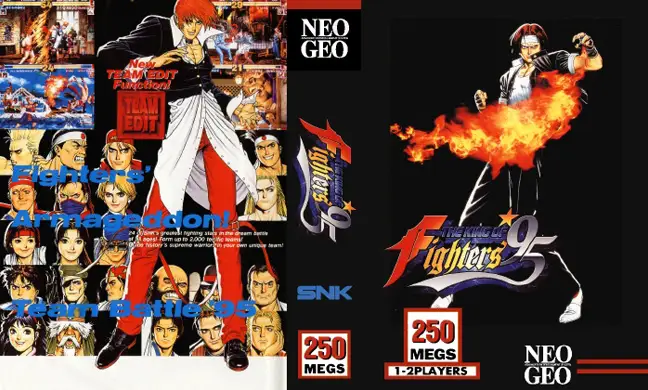
《The King of Fighters ’95》簡稱《KOF ’95》,是 SNK 於1995年推出的《The King of Fighters》系列第二作,也是 Neo Geo 年度格鬥遊戲陣容中非常重要的一款作品。承接前作《KOF ’94》的三人組隊戰,《KOF ’95》沒有只停留在原有系統,而是加入大量新元素,其中最具代表性的改變就是「自由組隊」功能。前作要求玩家以固定國家隊伍參賽,而到了《KOF ’95》,玩家可以從大部分可使用角色中自由選擇三人組成自己的隊伍。這個改變看似簡單,實際上大幅增加了遊戲的策略性和重玩價值,玩家可以按照自己喜歡的角色、招式特性及戰鬥風格建立隊伍。 遊戲故事繼續圍繞 The King of Fighters 格鬥大賽展開,而本作的幕後主線仍然與 Rugal Bernstein 有關。Rugal 在前作的事件之後再次成為重要人物,而這一次比賽亦加入更加明顯的個人恩怨和角色故事。尤其值得注意的是草薙京與八神庵之間的關係正式成為 KOF 世界觀的核心之一。八神庵在《KOF ’95》首次登場,他是草薙京最重要的宿敵之一,兩人之間的對立後來成為整個系列最經典的角色關係。八神庵的紫色火焰、快速攻擊以及獨特的八神流古武術風格,很快成為 KOF 系列的重要標誌。《KOF ’95》的角色陣容亦在前作基礎上進行調整。草薙京、二階堂紅丸、大門五郎等角色繼續登場,而《餓狼傳說》、《龍虎之拳》等 SNK 作品的角色亦繼續參戰。新角色八神庵加入後,遊戲開始建立更明顯的原創角色主導方向,KOF 不再只是單純的 SNK 角色大集合,而逐漸形成自己的故事及角色體系。遊戲亦加入新成立的 Ikari Warriors Team、Korea Justice Team 等內容,並對部分舊角色進行調整,使整個比賽陣容比第一作更加豐富。遊戲的基本戰鬥仍然採用 Neo Geo 四按鍵操作,包括輕拳、輕腳、重拳和重腳。玩家可以利用方向輸入配合攻擊鍵施展特殊技、必殺技及超必殺技。與《KOF ’94》相比,《KOF ’95》的戰鬥系統更加成熟,角色的招式設計及連段可能性都有進一步發展。玩家除了需要熟悉單一角色之外,也必須考慮三名角色的排列順序,因為角色在比賽中的出場次序會影響實際戰鬥策略。遊戲仍然採用一名角色被擊敗後由下一名隊員接替的形式,而勝利者可以保留部分生命值,因此先鋒、中堅及大將的角色配置十分重要。自由組隊的加入更令這套系統產生大量變化。例如玩家可以把攻擊力強大的角色放在後排,等待對手體力下降後登場;亦可以選擇擅長牽制的角色作為先鋒,先消耗敵人,再交給其他隊員完成戰鬥。這種組隊策略後來成為 KOF 系列競技性的基礎。除了自由組隊之外,《KOF ’95》亦保留了能量槽系統。玩家在攻擊、防禦及戰鬥過程中累積 Power Gauge,達到條件後可以使用更加強大的招式。這令玩家在戰鬥中需要考慮是否立即使用能量,還是保留資源等待更重要的時機。超必殺技在危急狀態下尤其具有扭轉戰局的能力,令比賽經常出現最後一刻反敗為勝的情況。遊戲另一個重要元素,是它開始更加強調角色之間的個人故事及宿敵關係。八神庵與草薙京的矛盾並不是單純的比賽對手關係,而是連接到更深層的家族、血脈及神器傳說。兩人的故事後來逐漸延伸至三神器設定,以及與神樂千鶴等角色相關的 KOF 主線。雖然這些故事在《KOF ’95》仍處於發展階段,但玩家已經可以感受到 KOF 正由單純的街機格鬥比賽逐漸變成一個具有長篇故事的遊戲世界。畫面方面,《KOF ’95》延續 Neo Geo 的大型角色及高細節2D美術風格,各角色擁有大量動畫,招式效果亦比前作更加豐富。草薙京的火焰攻擊、八神庵的紫色火焰以及其他角色的特殊技,都形成鮮明的視覺效果。不同隊伍及角色亦擁有各自的背景和音樂,使遊戲在視覺及聲音方面保持非常強烈的90年代街機特色。從 Neo Geo 硬件角度來看,《KOF ’95》充分利用 MVS 的街機環境,支援玩家對戰以及家用 AES 版本。Neo Geo CD 版本亦於其後推出,讓玩家可以在家中體驗這款年度格鬥作品。(gamefaqs.gamespot.com) 《KOF ’95》另一個值得注意的地方,是它逐漸建立 KOF 與其他 SNK 格鬥系列不同的身份。《餓狼傳說》有 Terry Bogard,《龍虎之拳》有 Ryo Sakazaki,而 KOF 則開始以草薙京、八神庵等原創角色作為核心。這種角色發展令 KOF 不再需要完全依靠其他系列的知名度,而能夠獨立成為 SNK 最重要的格鬥品牌之一。從今天回看,《KOF ’95》最重要的歷史價值並不只是新增了多少角色或招式,而是它確立了兩項日後 KOF 最重要的元素:自由組隊和角色宿敵故事。玩家第一次可以真正按照自己的想法組成三人隊伍,而草薙京與八神庵的對立亦正式成為系列長期故事的核心。這兩項改變令《KOF ’95》比前作更加接近後來玩家熟悉的 KOF 形式。它仍然帶有早期作品的直接感和90年代街機格鬥特色,但已經清楚展示出系列未來的發展方向。對 Neo Geo 玩家而言,《The King of Fighters ’95》是一款非常具有時代意義的作品。它不是簡單的年度更新,而是一次真正把 KOF 推向成熟的改進。當年玩家第一次可以自由組隊,也第一次正式遇上八神庵,而這兩個改變後來更成為整個 KOF 系列不可分割的一部分。
遊戲資料表
遊戲名稱:The King of Fighters ’95
發行年份:1995年
開發公司:SNK
平台:Neo Geo MVS、Neo Geo AES、Neo Geo CD
遊戲類型:2D 對戰格鬥
遊玩人數:1–2人
特色:自由組隊、八神庵首次登場、草薙京與八神庵宿敵關係、三人組隊戰、Power Gauge、超必殺技、Rugal Bernstein及更完整的 KOF 故事線
English Version
The King of Fighters ’95 is the second main entry in SNK’s legendary KOF series and one of the most important early Neo Geo fighting games. Released in 1995, it followed the original three-person team concept but introduced several changes that would shape the identity of the franchise for years to come. The most significant improvement was the introduction of freely selectable teams. In KOF ’94, players had to use predetermined national teams, but KOF ’95 allowed players to choose three fighters from the available roster and create their own combination. This seemingly simple change greatly increased the strategic possibilities of the game. Players could now build teams around personal preferences, complementary fighting styles or specific tactical ideas.The game’s tournament story continues the events of the previous title and once again involves the mysterious Rugal Bernstein. However, KOF ’95 places greater emphasis on individual rivalries and character relationships. Most importantly, Iori Yagami makes his first appearance. His arrival fundamentally changes the series because the rivalry between Iori and Kyo Kusanagi becomes one of the central relationships in KOF history. Iori’s purple flames, aggressive fighting style and distinctive Yagami-ryu techniques immediately gave him a strong identity, and he would eventually become one of SNK’s most recognisable fighting-game characters. Kyo remains part of the roster together with Benimaru Nikaido and Goro Daimon, while characters from Fatal Fury, Art of Fighting and other SNK properties continue to appear. At the same time, KOF begins moving away from being simply a crossover featuring established SNK characters. Original KOF personalities increasingly become central to the game’s story, and the rivalry between Kyo and Iori provides the foundation for a much larger narrative involving ancient bloodlines, sacred treasures and the future of the KOF universe. New and revised teams also expand the tournament structure, giving players a wider range of possible matchups. The fundamental combat system remains based on Neo Geo’s four-button layout: light punch, light kick, heavy punch and heavy kick. Directional inputs can be combined with attacks to perform command moves, special techniques and powerful super attacks. Compared with KOF ’94, the second game feels more developed in terms of character movesets and combat options. Players still fight using three-member teams, with one fighter replacing another when a teammate is defeated. Because a surviving winner can carry some of their remaining health into the next round, the order in which fighters are selected remains strategically important. The introduction of freely assembled teams makes this system considerably more flexible. A player might place a defensive or controlling character first to weaken the opponent, then bring in a high-damage fighter later. Another player might choose a strong opening character designed to gain an early advantage before handing the match to a specialist. These choices give KOF ’95 much more variety than the fixed-team structure of the original game. The Power Gauge also remains an important part of combat. Players can build energy during a fight and use it to perform stronger attacks and powerful techniques. Deciding when to spend the accumulated energy can be just as important as building it. A player who saves resources for the final fighter may have a major advantage, while someone who spends everything early can attempt to win the match before the opponent has a chance to recover. This resource-management element adds another layer to the three-on-three format. KOF ’95 also begins to place more emphasis on the personal stories of its fighters. The rivalry between Kyo and Iori is not simply a sporting competition. Their conflict is connected to the deeper mythology surrounding their families and the legendary treasures of the KOF universe. These ideas would become increasingly important in later games, but KOF ’95 already establishes the foundation for the long-running storyline. Chizuru Kagura and the Three Sacred Treasures mythology would later become central to the narrative, but the early stages of that story can already be seen developing around Kyo and Iori. Visually, the game continues to demonstrate the strengths of Neo Geo hardware. Fighters are large, detailed and heavily animated, while special attacks produce strong visual effects. Kyo’s flames and Iori’s purple fire immediately distinguish the two rivals on screen. Each team and location also receives its own visual atmosphere and musical identity, helping the tournament feel like a collection of different worlds rather than a series of identical arenas. The Neo Geo arcade version was followed by home releases for the AES and Neo Geo CD, allowing players to experience the same fighting system outside the arcade.(gamefaqs.gamespot.com) Historically, KOF ’95 is important because it helped establish the franchise as a distinct identity rather than merely a crossover between existing SNK properties. Fatal Fury had Terry Bogard, Art of Fighting had Ryo Sakazaki, while KOF was increasingly defined by original characters such as Kyo and Iori. This transition allowed SNK to build a much larger fictional universe around the tournament itself. Looking back, two elements make KOF ’95 especially significant: free team selection and the debut of Iori Yagami. The first transformed the strategic structure of the game, while the second created one of the most famous rivalries in fighting-game history. Together they moved KOF closer to the form that players would recognise in later entries. The game still retains the direct feel and rough-edged arcade character of an early 1990s Neo Geo title, but it clearly shows that SNK had found a formula capable of supporting a long-running franchise. For Neo Geo fans, KOF ’95 is therefore much more than an annual sequel. It is the game that began turning KOF into a fully independent fighting universe, gave players the freedom to build their own teams and introduced a character who would become inseparable from the identity of the series. It represents a major turning point between the experimental crossover concept of KOF ’94 and the much deeper competitive and narrative world that followed.
Game Data Table
Title: The King of Fighters ’95
Year: 1995
Developer: SNK
Platform: Neo Geo MVS, Neo Geo AES, Neo Geo CD
Genre: 2D Versus Fighting
Players: 1–2 players
Features: Free team selection, Iori Yagami’s debut, Kyo vs. Iori rivalry, three-member team battles, Power Gauge, super attacks, Rugal Bernstein and an expanding KOF storyline
總結
《The King of Fighters ’95》正式加入自由組隊及八神庵,令 KOF 從角色大集合進一步發展成獨立格鬥世界,也是系列走向成熟的重要轉折點。
English Version
KOF ’95 transformed the series with custom teams and Iori Yagami’s debut, strengthening both its competitive strategy and its expanding story while defining the identity of the KOF universe.