
日本乾菜與漬物文化:在街市之中看見時間留下的味道 | Japanese Preserved Foods: Discovering Dried Vegetables and Pickles in Market Culture
在 日本 的街市與市場中,乾菜與漬物並不只是食材,而是一種延續時間的方式。透過風乾、醃製與保存,食物被賦予更長的生命,也成為日常飲食與文化記憶的一部分。
In markets across Japan, dried vegetables and pickles represent more than ingredients — they reflect a relationship with time. Through preservation methods such as drying and fermentation, food is extended beyond immediacy, becoming part of everyday life and cultural memory.
中文版本
在市場之中,有一種食物,是「慢慢形成的」。
不是現場製作,也不是即時享用,而是在時間之中被改變。
乾菜與漬物,就是這樣的存在。
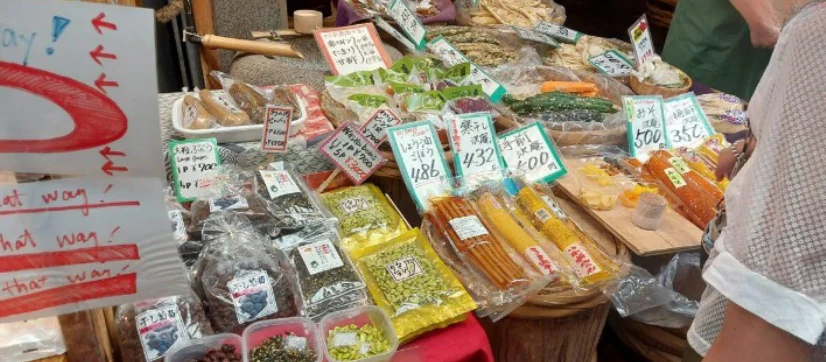
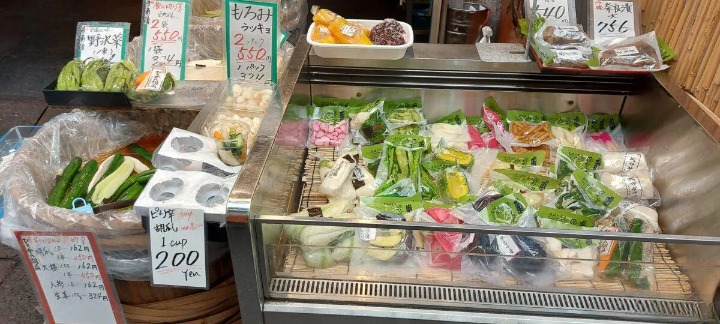
它們被整齊地擺放在攤位上,顏色不再鮮亮,質感也與新鮮食材不同。乍看之下,甚至顯得有些低調。但正是這種低調,讓人停下來觀察。
這些食物,帶著時間的痕跡。
風乾讓水分離開,留下更濃縮的味道;醃製則讓食材在鹽與發酵之中轉變。這些變化不是瞬間完成,而是在一段過程之中逐漸發生。
與街頭即食相比,這是一種完全不同的節奏。
它們不是為了當下。
而是為了之後。
當你站在攤位前,看著一袋袋乾菜或一盒盒漬物,會感覺到一種不同的時間感。這裡沒有熱氣,也沒有即時的香味,取而代之的是一種安靜而穩定的存在。
你不會立刻品嚐。
你會帶走。
這種「延後的體驗」,讓食物不再只屬於市場,而是延伸到之後的生活之中。當你在另一個時間、另一個空間打開它們,這段市場的記憶才會再次出現。
這些食物,也反映了一種生活方式。
保存,不只是技術,而是一種對時間的理解。不是所有東西都需要即時消耗,有些東西可以被保留、被等待、被重新使用。
在快速變化的城市之中,這種方式顯得特別穩定。
它沒有強烈的存在感。
卻一直存在。
乾菜與漬物,不只是食物。
而是一種把時間留下來的方法。
English Version
In the market, there is a category of food shaped not by immediacy, but by time.
It is not prepared on the spot, nor consumed instantly. Instead, it is transformed gradually — through waiting, through process, through preservation.
Dried vegetables and pickles belong to this category.
Arranged neatly in stalls, their colors are more muted, their textures altered. Compared to fresh produce, they may seem less striking at first glance. Yet this subtlety invites closer attention.
These foods carry traces of time.
Drying removes moisture, concentrating flavor. Pickling allows ingredients to change through salt and fermentation. These are not instant transformations — they unfold slowly, over time.
In contrast to street food, this represents a different rhythm.
These foods are not for the present moment.
They are for later.
Standing before these displays, you sense a different pace. There is no rising heat, no immediate aroma. Instead, there is a quiet, steady presence — something that exists beyond the moment.
You don’t consume them here.
You take them with you.
And that shift matters.
The experience is delayed. The market does not end when you leave — it continues when you open these foods later, in another place, at another time.
In this way, preserved foods extend the memory of the market.
They reflect a way of living.
Preservation is not just technique — it is a relationship with time. Not everything must be used immediately. Some things are meant to last, to wait, to return.
In fast-moving cities, this approach feels almost grounding.
It does not demand attention.
Yet it remains.
Dried vegetables and pickles are not just food.
They are a way of holding time.