
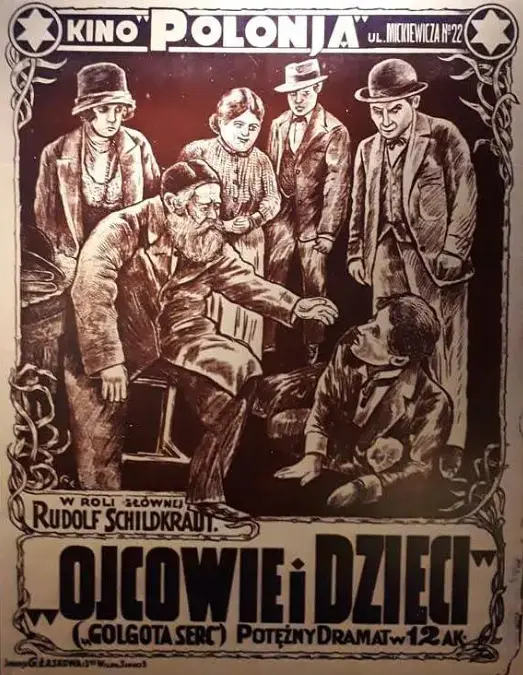
《他的族人》是1925年美國默片時代極具代表性的家庭與移民題材電影,由導演Edward Sloman執導。影片以紐約猶太移民社區為背景,描繪家庭、文化身份與世代衝突之間的情感故事。電影透過溫暖而真實的人物描寫,展現20世紀初移民家庭在美國社會中的生活壓力與夢想追求,成為默片年代少數深入描寫猶太移民生活的重要作品之一。
Released in 1925, His People is a significant silent-era drama exploring immigrant family life and cultural identity in early twentieth-century America. Directed by Edward Sloman, the film portrays the struggles and emotional conflicts of a Jewish immigrant family living in New York City. Combining family drama with social realism, the movie captures the hopes, sacrifices, and generational tensions that shaped immigrant experiences during the era.
電影內容
《他的族人》的故事發生於紐約繁忙而擁擠的猶太移民社區。一個來自東歐的猶太家庭在美國努力生活,父母保留傳統文化與宗教價值,希望孩子能維持族群身份與家庭倫理。然而年輕一代在美國社會成長,逐漸受到都市文化、娛樂產業與現代生活方式吸引,開始對傳統產生距離感。電影中的父親是一位勤奮而保守的移民,他經歷過貧困與漂泊,因此格外重視家庭與文化根源。他希望兒子們能過上穩定生活,但兩名兒子卻有不同人生方向。其中一人進入拳擊世界,希望透過體育與名聲改變命運;另一人則嚮往舞台與娛樂圈,希望融入更現代化的美國社會。隨著兄弟逐漸遠離家庭價值,父母與孩子之間的衝突也愈來愈深。電影最大的特色,在於它真實描寫移民家庭的文化矛盾。父母代表舊世界的傳統與集體價值,而年輕人則象徵新世界的自由與個人主義。這種世代差異並沒有被簡化成善惡對立,而是呈現出彼此都帶有無奈與愛。父母害怕孩子失去文化身份,而孩子則渴望擺脫貧困與社會限制,追求屬於自己的美國夢。影片亦細膩描繪猶太社區日常生活,包括街道市場、家庭聚餐、宗教習俗與社區互動,使電影帶有濃厚生活感與文化真實性。與同年代偏重浪漫或冒險的荷里活電影相比,《他的族人》更接近社會寫實作品。它關注普通人的生活與情感,展現移民在陌生國家中的不安與希望。電影中的紐約既充滿機會,也充滿誘惑與危險。拳擊場與娛樂圈象徵快速成名與現代都市魅力,但同時也可能讓人迷失自我與家庭連結。默片時代的表演方式在本片中特別自然細膩,角色之間的情感主要透過眼神與肢體動作表現,使家庭衝突更具真實感。電影並不只是描寫單一家庭,而是反映20世紀初大量移民在美國社會中的共同經驗。身份認同、文化融合與家庭責任成為影片核心主題。即使今日觀看,《他的族人》依然具有強烈情感力量,因為它描寫的不只是猶太移民故事,更是所有移民家庭在新舊文化之間尋找歸屬感的普遍情感。
English Version
His People is set within the crowded immigrant neighborhoods of New York City, where a Jewish family from Eastern Europe struggles to build a stable life in America while preserving its cultural traditions and values. The parents, shaped by hardship, poverty, and displacement, believe deeply in family unity, religious identity, and community responsibility. They hope their children will maintain the traditions of their heritage while pursuing a secure future in the new country. However, the younger generation is increasingly drawn toward modern American culture, entertainment, ambition, and personal freedom. The family’s two sons represent different paths within the immigrant experience. One becomes involved in the world of boxing, seeing athletic fame and physical success as a way to escape poverty and gain recognition. The other is fascinated by theater and show business, dreaming of entering the glamorous modern world beyond the immigrant neighborhood. As both sons move further away from traditional family expectations, emotional conflict grows between parents and children. The film’s greatest strength lies in its honest portrayal of generational tension within immigrant communities. The parents symbolize the old world, where survival depended on collective identity, faith, and sacrifice, while the children embody the new world of individual ambition and social mobility. Rather than reducing this conflict to simple moral opposition, the film presents both perspectives with empathy and emotional understanding. The parents fear losing their cultural identity, while the younger generation fears remaining trapped by poverty and limitation. This emotional complexity gives the film lasting depth and humanity. His People also offers a vivid portrait of Jewish immigrant life during the early twentieth century. Markets, crowded streets, religious customs, family gatherings, and neighborhood interactions create a rich atmosphere grounded in everyday experience. Unlike many Hollywood films of the period that focused on fantasy, romance, or adventure, this movie embraces social realism and cultural specificity. New York itself becomes an important character within the story. The city offers opportunity and excitement but also temptation, pressure, and emotional fragmentation. Boxing arenas and theatrical stages symbolize the possibility of reinvention, fame, and modern identity, yet they also threaten to separate individuals from family roots and emotional connection. The film’s performances are unusually restrained and naturalistic for the silent era, relying on subtle gestures and emotional expression rather than exaggerated theatrical acting. This style enhances the authenticity of the family relationships and emotional conflicts. Although centered on a Jewish immigrant household, the film speaks to universal themes shared by immigrant communities around the world: the struggle to balance tradition with assimilation, the tension between generations, and the search for belonging within an unfamiliar society. Nearly a century later, His People remains emotionally powerful because its portrayal of cultural identity, family expectation, and personal ambition continues to resonate across different cultures and generations.
影片簡介(預告片/片段)
移民家庭在夢想與傳統之間掙扎的默片時代經典。
A moving silent drama about immigrant family life, identity, and generational conflict.
電影資料
導演:Edward Sloman
類型:劇情、家庭、社會寫實、默片
製片公司:Universal Pictures
上映年份:1925
主要演員
Rudolph Schildkraut
Rosa Rosanova
George J. Lewis
Otto Lederer
總結
《他的族人》是默片時代少數深入描寫移民與猶太社區生活的重要電影之一。它以真實情感與細膩人物描寫,呈現家庭、文化與美國夢之間的矛盾與希望,至今仍是一部充滿人性溫度的社會寫實經典。
His People remains one of silent cinema’s most compassionate portrayals of immigrant life, balancing cultural realism with emotional intimacy. Its exploration of family, identity, assimilation, and generational change continues to feel relevant and deeply human today.