
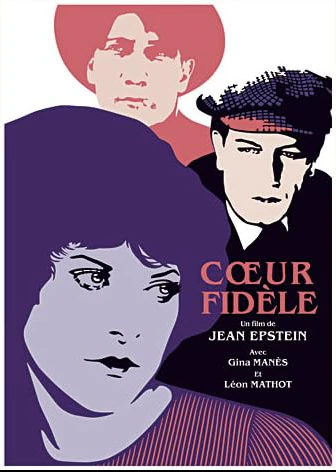
《忠誠之心》是Jean Epstein的重要代表作,以詩意影像與情感節奏描繪底層人物的愛與掙扎,展現法國印象派電影的藝術風格與創新語言。
A defining work of French Impressionist cinema, Coeur fidèle showcases Jean Epstein’s poetic vision and emotional intensity. The film explores love, hardship, and human resilience through expressive visuals and rhythmic editing. Rather than relying on conventional storytelling, Epstein crafts a sensory experience where mood and perception take center stage, making it a powerful example of early cinematic experimentation and artistic depth.
中文
《忠誠之心》講述一段發生在港口城市的愛情與壓迫故事,主角是一名生活在社會底層的女子,她的命運被周遭環境與權力關係所限制。她被迫與一名粗暴且具控制欲的男子維持關係,內心卻傾向於另一位溫和真誠的男性,兩者之間形成強烈對比。故事並不以傳統戲劇衝突為主,而是透過情緒與感官的流動來推進,使觀眾進入角色的內心世界。Jean Epstein運用大量實驗性的影像技巧,例如快速剪接、疊影與鏡頭變形,讓畫面呈現出主觀感受與心理狀態,特別是在情緒高漲的場景中,影像節奏與角色心境緊密結合。影片中最著名的一段是在遊樂場的旋轉設施場景,透過快速旋轉與視覺扭曲,表現出角色內心的混亂與壓迫感,使觀眾彷彿親身經歷這種情緒。整體風格強烈而富有節奏感,畫面不再只是敘事工具,而成為情感表達的核心。影片亦描繪出當時社會階層的不平等,港口環境的粗獷與封閉,讓人物命運顯得更加沉重與無奈。愛情在這樣的背景下顯得脆弱卻又真實,角色在追求自由與幸福的過程中,不斷受到現實的阻礙與壓迫。電影透過光影與構圖,營造出一種既現實又帶有夢境感的氛圍,使觀眾在視覺與情感之間產生共鳴。《忠誠之心》不僅是一部愛情故事,更是一種電影語言的探索,將影像從單純記錄提升為主觀感受的表現。作為法國印象派電影的重要作品之一,它影響了後來對電影節奏與主觀視角的運用,並證明了電影可以成為一種純粹的藝術形式,而不僅僅是敘事工具。
English Version
Coeur fidèle unfolds within the harsh environment of a working-class port, where a young woman’s life is shaped by social constraints and emotional struggle. Trapped in a relationship with a domineering and aggressive man, she finds herself drawn to another figure who represents kindness and sincerity. The tension between these relationships forms the emotional core of the film, yet the narrative avoids traditional storytelling structures, instead focusing on the subjective experience of its characters. Jean Epstein employs innovative cinematic techniques to translate emotion into visual form, using rapid editing, superimpositions, and distorted imagery to convey psychological intensity. One of the film’s most celebrated sequences takes place at a fairground, where spinning rides and fragmented visuals mirror the protagonist’s inner turmoil, creating a powerful sensory experience that transcends conventional narrative logic. The film’s rhythm is deeply connected to its emotional tone, allowing viewers to feel rather than simply observe the unfolding events. The port setting reinforces themes of confinement and hardship, with its rough textures and enclosed spaces reflecting the characters’ limited freedom. Love emerges as both a source of hope and vulnerability, constantly challenged by external pressures and internal conflict. Through careful use of light, shadow, and composition, the film achieves a balance between realism and abstraction, giving it a dreamlike quality that enhances its emotional resonance. Coeur fidèle stands as a landmark of French Impressionist cinema, demonstrating how film can express inner states of mind through purely visual means. Its emphasis on mood, perception, and rhythm redefines the possibilities of cinematic language, influencing future filmmakers to explore more experimental and expressive forms. Rather than presenting a straightforward narrative, the film invites audiences to engage with its emotional depth, making it a timeless exploration of love, oppression, and the human condition.
影片簡介(預告片/片段)
港口女子陷愛與壓迫,情感隨影像震盪
A woman in a harsh port struggles between love and control, expressed through intense visual rhythm and emotional imagery
電影資料
導演:Jean Epstein
類型:劇情 / 愛情 / 藝術 / 無聲電影
製片公司:Films Jean Epstein
上映年份:1923
主要演員
Gina Manès
Léon Mathot
Edmond Van Daële
Claude Benedict