
日本射擊遊戲體驗:動漫風格攤位中的街頭娛樂與互動時刻 | Japanese Shooting Game Stalls: Experiencing Arcade-Style Street Entertainment in Japan | 旅行誌
在 日本 的街頭與遊樂空間中,射擊遊戲攤位是一種結合娛樂與互動的存在。色彩鮮明的動漫元素,加上簡單直接的玩法,讓人短暫停下腳步,投入一場介於遊戲與現實之間的體驗。
Across streets and small entertainment corners in Japan, shooting game stalls offer a unique form of interaction. With anime-inspired visuals and simple mechanics, they create moments where passersby pause, participate, and briefly step into a playful, constructed world.
中文版本
有些體驗,是在經過的時候才發生的。
你沒有特別計劃,也沒有刻意尋找,但當你看到那一排色彩鮮明的攤位,就會自然停下來。
日本的射擊遊戲,就是這樣的一種存在。
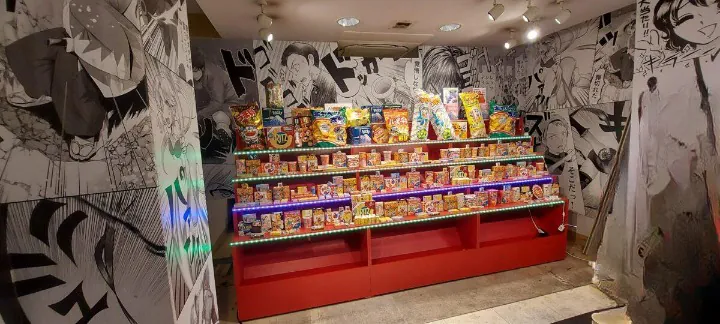
它們通常不大,卻非常吸引目光。動漫角色的圖像、排列整齊的目標物、還有手中那把輕巧的玩具槍,共同構成一個簡單卻完整的遊戲空間。
你站在外面,先觀察。
看著其他人瞄準、射擊、失誤或成功。每一次擊中,都伴隨著小小的反應;每一次偏差,也讓人忍不住再試一次。
這是一種很直接的互動。
規則簡單,不需要解釋。投入金錢、拿起道具、對準目標,然後扣下扳機。整個過程不長,卻足以讓人短暫地投入其中。
與大型遊戲中心不同,這種街頭射擊遊戲更接近「即時的娛樂」。
你不需要長時間停留,也不需要累積進度。它存在的意義,是在行走之間創造一個可以參與的瞬間。
周圍的氣氛,也在這裡變得不同。
人們停下腳步,形成一個小小的圍觀圈。有些人在等待,有些人在觀看,有些則正在遊戲之中。這種短暫聚集,讓空間出現了一種輕微的熱度。
但這種熱度不會持續太久。
當一局結束,人群很快散開,空間又回復原本的流動。你離開攤位,重新回到街道之中,像什麼都沒有發生過。
但其實已經發生了。
那是一段短暫的投入,一次與空間的互動。
不是為了結果,而是為了那一刻的參與感。
English Version
Some experiences are not planned.
They happen as you pass by.
You notice a cluster of bright colors, a row of small targets, and without thinking too much, you slow down. Japanese shooting game stalls have this kind of pull — subtle, immediate, and inviting.
They are compact, yet visually striking.
Anime-style graphics line the background, targets are carefully arranged, and a simple toy rifle completes the setup. The structure is straightforward, but the atmosphere feels complete — a small, self-contained world within the street.
At first, you watch.
You observe others aiming, firing, missing, or occasionally hitting their mark. Each attempt carries a small reaction — a moment of tension, followed by either satisfaction or quiet frustration.
It doesn’t take long before you want to try.
The rules are simple. Insert a coin, take the rifle, aim, and shoot. The experience is brief, but fully engaging. For a moment, your attention narrows, focusing entirely on a single action.
Unlike larger arcades, these stalls offer something more immediate.
There is no progression, no extended play. They exist to create a moment — a pause within movement, an interaction within passing time.
Around the stall, a temporary atmosphere forms.
People gather, even if only for a short while. Some wait, some watch, others participate. This small cluster of attention creates a subtle shift in the space, adding a layer of energy that wasn’t there before.
And then, just as quickly, it fades.
A round ends. People move on. The street returns to its usual rhythm.
You leave the stall and continue walking, as if nothing has changed.
But something has.
For a brief moment, you stepped into a different kind of engagement — not defined by outcome, but by participation itself.