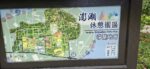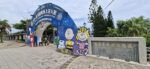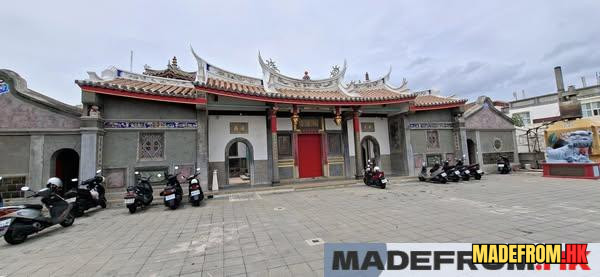
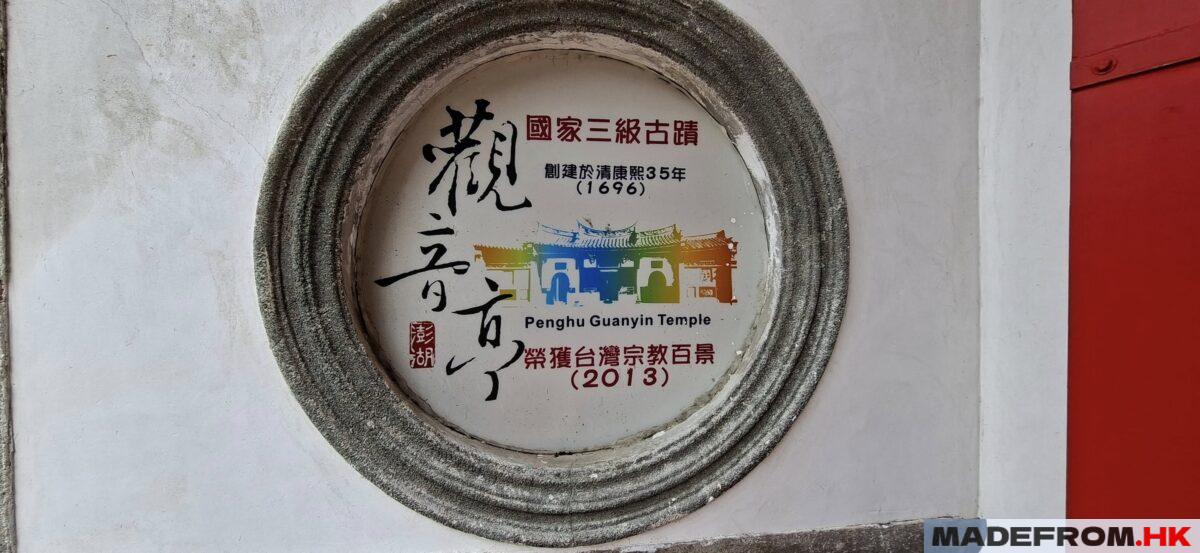
澎湖馬公觀音亭位於海岸邊,是當地重要的信仰中心與歷史地標。這座廟宇不僅承載居民對觀音的虔誠敬仰,也見證了澎湖在海洋貿易與軍事歷史中的角色,融合宗教、文化與風景於一體。
Guanyin Pavilion in Magong, Penghu, stands along the coast as a spiritual and historical landmark. It reflects the islanders’ devotion to Guanyin while preserving stories of maritime trade and regional history, blending faith, culture, and scenic beauty into one enduring site.
台灣澎湖群島擁有豐富的自然景觀及深厚的文化底蘊,其中馬公市的觀音亭更是當地的重要歷史地標之一。作為澎湖最古老的寺廟之一,觀音亭不僅是一個宗教場所,更是承載了澎湖歷史與文化的象徵。
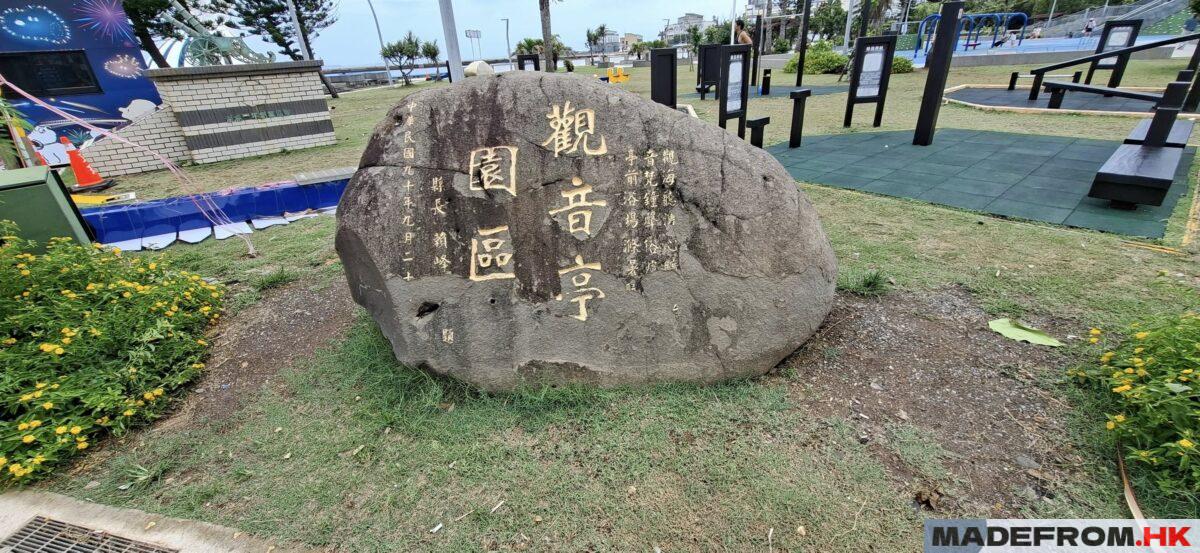
觀音亭的歷史背景
觀音亭建於明朝天啟年間,至今已有超過三百年的歷史。寺廟供奉觀世音菩薩,是澎湖居民祈求平安及庇佑的重要場所。由於澎湖是漁業重鎮,當地居民常在出海前到此祈求風調雨順,平安歸來。觀音亭的建築風格融合了閩南及台灣本地特色,展現出濃厚的地方文化。
地理位置與景觀特色
觀音亭位於澎湖馬公市西側,面向藍天碧海,位置得天獨厚。寺廟周邊設有公園,綠樹成蔭,是遊客及當地居民休憩的好去處。此外,從觀音亭眺望,可以看到澎湖著名的跨海大橋以及壯麗的海景,讓人心曠神怡。
文化活動與意義
每年農曆二月十九日是觀音菩薩聖誕,觀音亭都會舉辦盛大的慶典活動,包括祭祀儀式、民俗表演及燈會。這些活動不僅吸引了大量遊客,也促進了當地文化的傳承與交流。透過參與慶典,人們可以更深入了解澎湖的宗教信仰及地方習俗。
English Version
Situated along the breezy coastline of Magong in Penghu, Guanyin Pavilion is far more than a place of worship—it is a living symbol of the island’s cultural memory and spiritual life. Facing the vast expanse of the sea, the temple embodies a quiet dialogue between human belief and the unpredictable rhythms of the ocean.
The origins of the pavilion trace back several centuries, when maritime activity defined daily life in Penghu. Fishermen, traders, and sailors relied heavily on spiritual protection before embarking on their journeys. Guanyin, revered as the Bodhisattva of Compassion, became a central figure of devotion, offering a sense of safety and hope amid the uncertainties of the sea. Over time, the temple evolved into a communal anchor, where prayers, rituals, and local traditions converged.
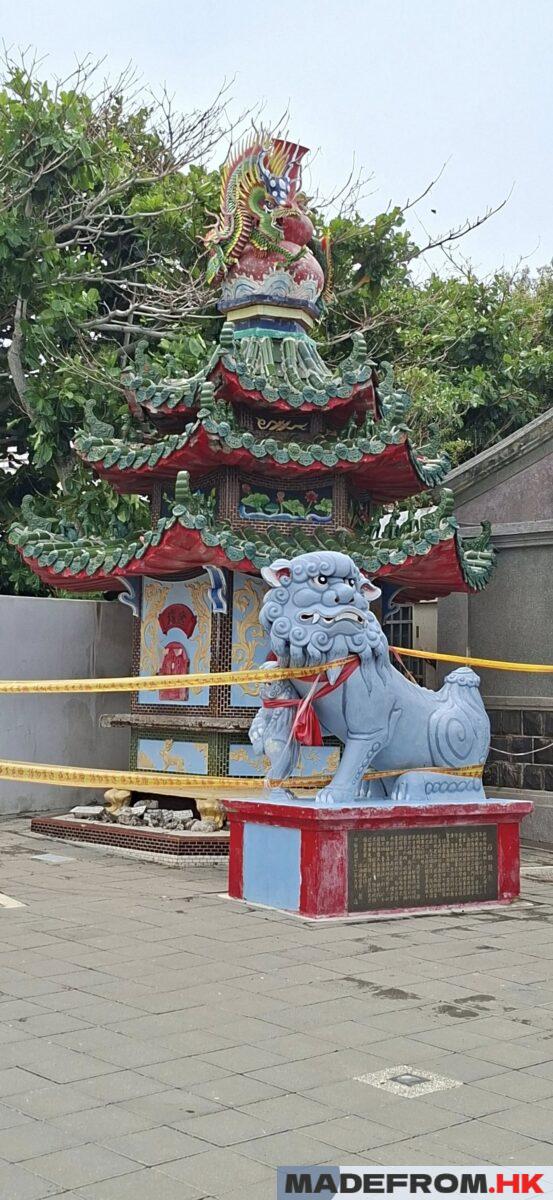
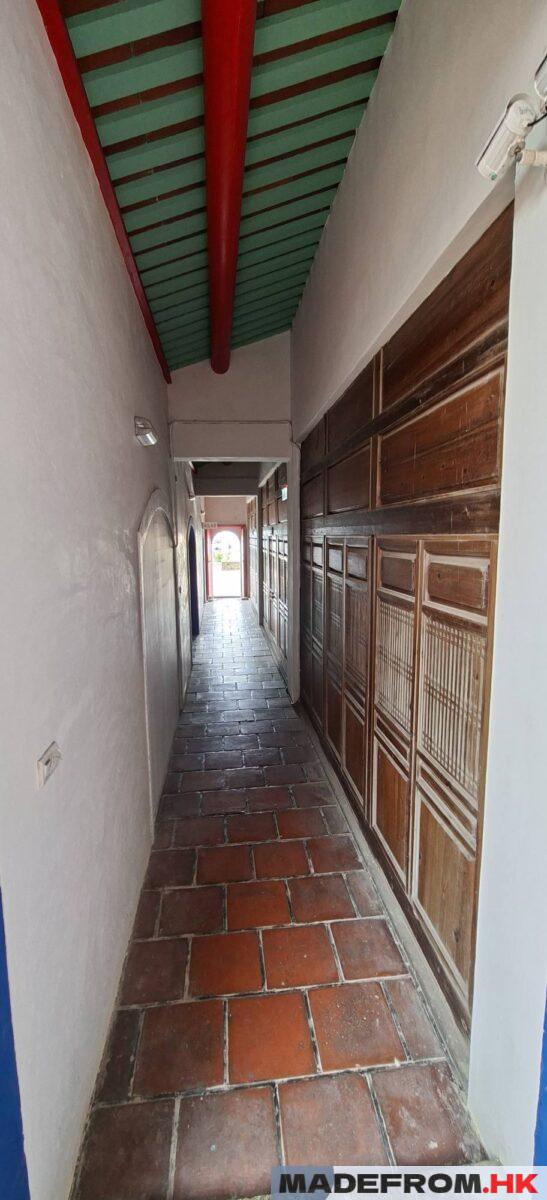
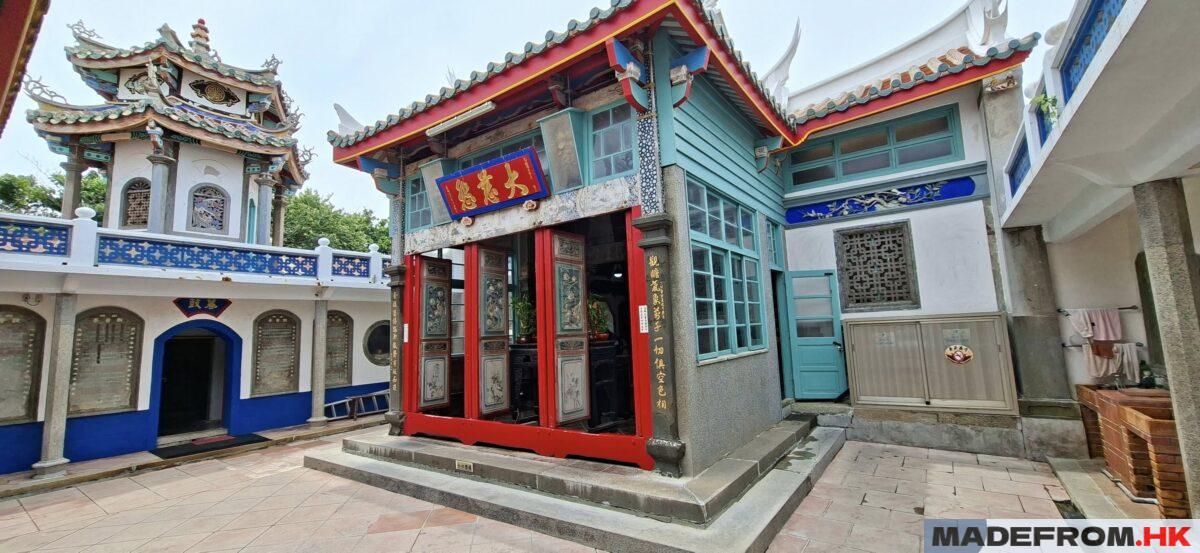
Architecturally, Guanyin Pavilion reflects a harmonious blend of traditional Chinese temple design and coastal adaptation. Its structure is both elegant and practical, designed to withstand strong sea winds while maintaining intricate decorative elements. The sweeping rooflines, detailed carvings, and vibrant colors create a visual identity that resonates with both sacred symbolism and regional craftsmanship.
The pavilion’s location plays a defining role in its atmosphere. Positioned near the shoreline, it offers uninterrupted views of the ocean, making it a place where spirituality and landscape merge seamlessly. Visitors often find themselves drawn not only to the temple’s religious significance but also to the calming presence of the surrounding environment. The sound of waves and the open horizon amplify the contemplative experience.
Historically, the site has witnessed key moments in Penghu’s development. From periods of maritime trade to times of military importance, the pavilion has stood resilient, quietly observing the transformations of the island. It has served as a cultural reference point, connecting generations through shared beliefs and collective memory.
Culturally, Guanyin Pavilion remains deeply embedded in local life. Festivals, rituals, and seasonal ceremonies continue to be held here, reinforcing its role as a gathering place. These events are not merely religious practices; they are expressions of identity, preserving traditions that define Penghu’s unique character.
In modern times, the pavilion has also become a destination for travelers seeking both cultural depth and scenic beauty. It offers a rare combination of historical authenticity and natural charm, appealing to those interested in heritage as well as those simply looking for a peaceful coastal retreat.
What makes Guanyin Pavilion truly remarkable is its ability to bridge past and present. It stands as a reminder that faith, history, and environment are deeply interconnected. Even as the world changes, the pavilion continues to provide a sense of continuity—a place where stories endure and where the spirit of Penghu remains vividly alive.
總結
觀音亭不只是宗教場所,更是澎湖歷史與文化的縮影。它連結海洋與信仰,讓人感受島嶼生活的深層意義,也成為旅人認識澎湖的重要窗口。
Guanyin Pavilion represents more than faith—it captures the essence of Penghu’s history and identity. Bridging sea, culture, and spirituality, it offers visitors a meaningful glimpse into the island’s enduring spirit.