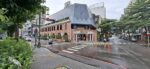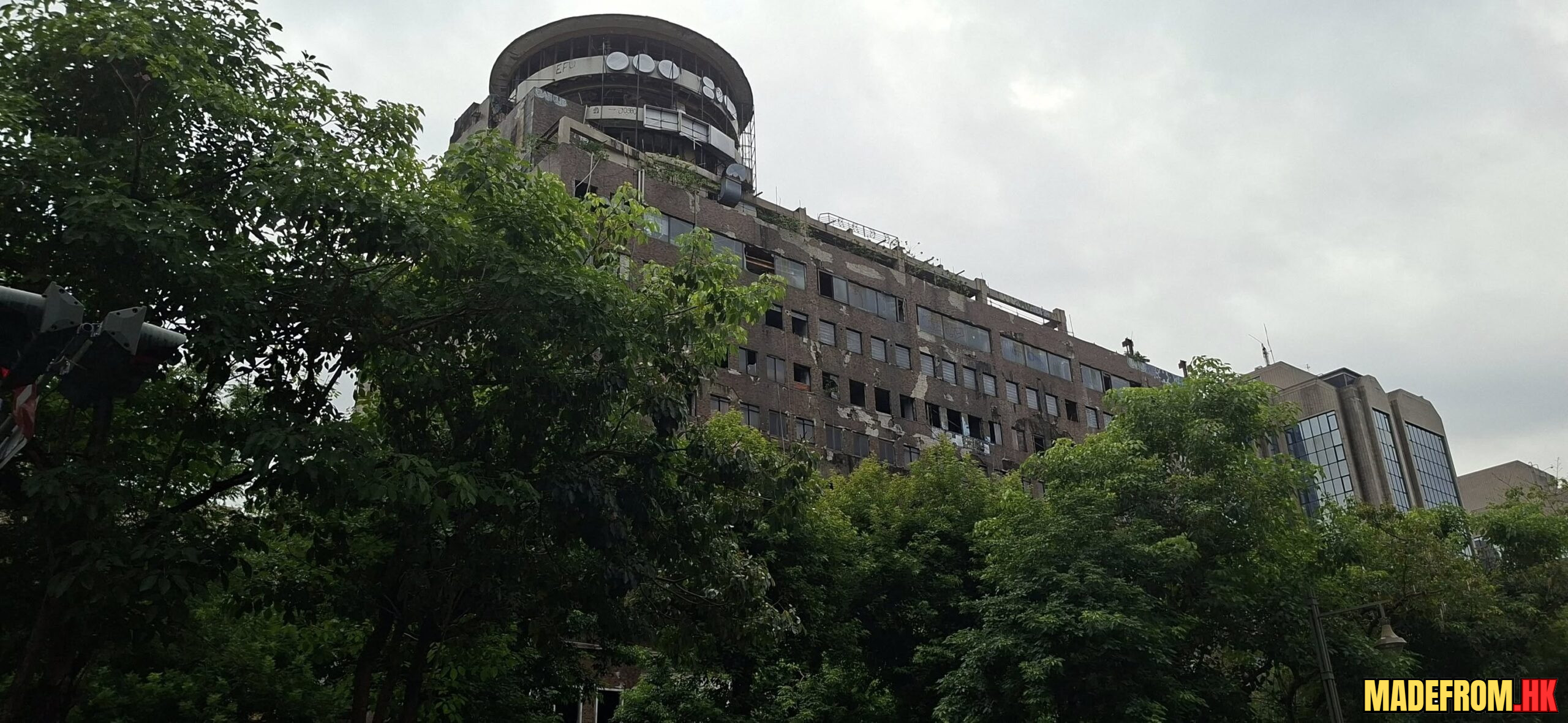
台灣是一個充滿文化與自然美景的地方,每個城市、每條街道都有其獨特的故事。今天,我們聚焦於位於台中市的綠川東路,一條結合歷史與現代的街道,展現出台灣城市規劃的巧思與人文關懷。
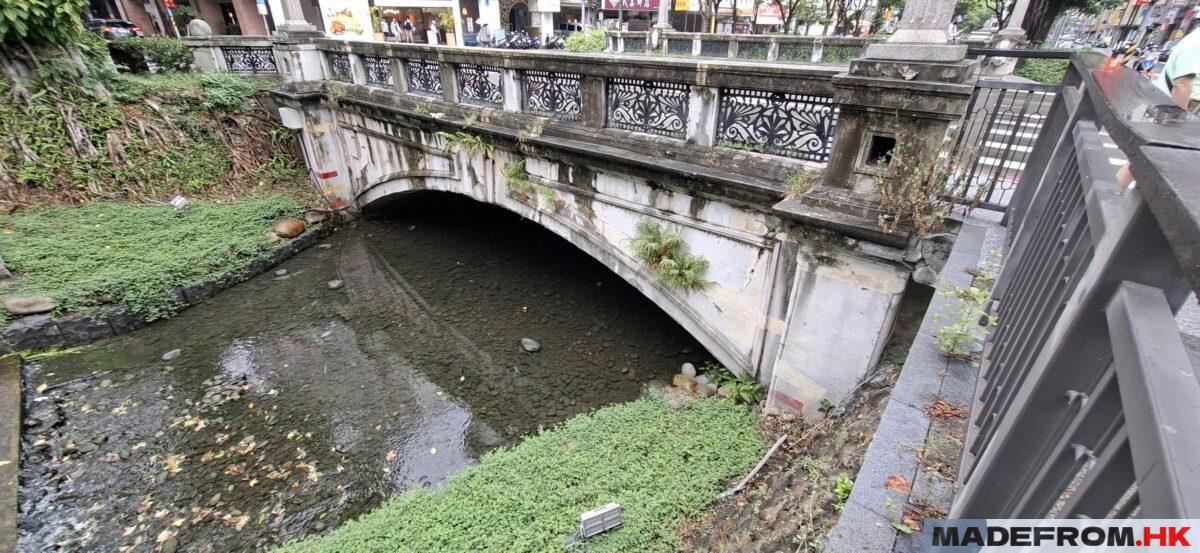
Liuchuan East Street connects Taichung’s revitalized waterfront, transforming a once-engineered canal into a vibrant urban promenade with lighting, walkways, and renewed public life.
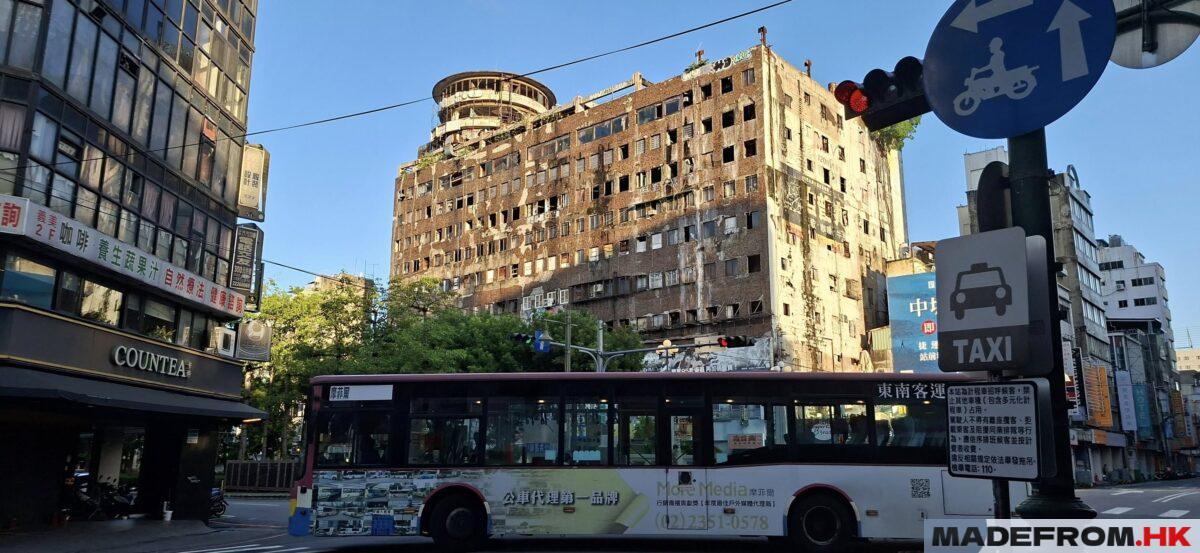
綠川東路得名於流經此地的綠川。這條河流在過去曾是台中的重要水道,但隨著城市化進程,河川一度被忽視,甚至成為污染問題的源頭。然而,近年來台中市政府推動了一系列的城市更新計劃,其中包括綠川的整治工程。透過清理河道及周邊環境的美化,綠川再次成為市民休閒與社交的重要場所,而綠川東路亦因此煥發新生。
這條路不僅是一條交通要道,更是一個文化與商業交匯的地帶。沿著綠川東路,您可以發現許多融合傳統與現代風格的建築,以及各式各樣的餐廳、咖啡店和特色商店。這裡既保留了老台中的人情味,又融入了現代生活的便利與創意,吸引了本地居民和遊客前來探索。
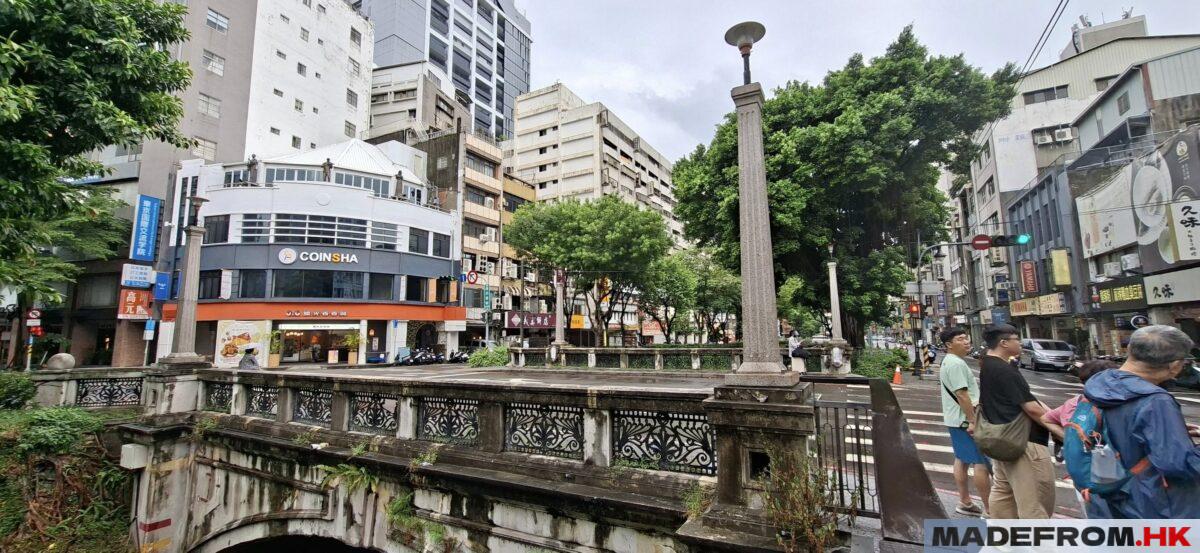
此外,綠川東路周邊的公共設施也值得一提。市政府在規劃中特別注重行人友善環境,例如設置寬敞的人行道、植栽綠化以及夜間照明系統,為市民提供了一個安全且舒適的空間。這些設施不僅提升了生活品質,也促進了社區凝聚力。
總結來說,台中的綠川東路不僅是一條普通的街道,更是一個展示城市更新與文化融合的成功範例。它提醒我們,透過用心規劃與管理,每一條街道都可以成為連接歷史與未來的重要紐帶。如果您有機會造訪台中,別忘了抽空漫步於綠川東路,感受這條街道獨特的魅力。
English Version
Liuchuan East Street represents one of Taichung’s most compelling examples of urban revitalization, where infrastructure, landscape, and public life converge to reshape the city’s identity. Running alongside the restored Liuchuan waterway, this corridor has evolved from a utilitarian drainage channel into a carefully designed urban space that invites people to slow down, gather, and reconnect with the environment.
Historically, Liuchuan was part of Taichung’s natural water system, but like many urban rivers, it underwent significant modification during periods of rapid development. Concrete embankments and engineering interventions prioritized flood control and sanitation, often at the expense of ecological and aesthetic value. For decades, the river functioned more as a hidden infrastructure than a visible part of city life.
The transformation of Liuchuan began as part of a broader movement toward urban renewal and environmental restoration. Recognizing the potential of the waterway as a public asset, city planners initiated projects to improve water quality, redesign the riverbanks, and introduce pedestrian-friendly spaces. These efforts were not merely technical—they reflected a shift in how cities approach development, emphasizing livability, sustainability, and human experience.
Today, Liuchuan East Street is characterized by its layered design. Walkways run alongside the water, allowing visitors to move at a relaxed pace while enjoying views of the flowing stream. Bridges and crossings create visual rhythm, connecting different parts of the city and encouraging exploration. Carefully planned lighting installations transform the area at night, casting reflections on the water and creating an atmosphere that feels both tranquil and dynamic.
The use of lighting is particularly significant in defining the identity of the space. Rather than relying solely on functional illumination, designers have incorporated artistic elements that interact with the water’s surface. Colors shift subtly, reflections ripple, and the entire corridor takes on a cinematic quality after sunset. This transformation enhances the sensory experience, making the area appealing at different times of day.
Vegetation and landscaping also play an important role. Trees, shrubs, and planted areas soften the edges of the built environment, reintroducing elements of nature into the urban fabric. These green components not only improve visual appeal but also contribute to ecological balance, supporting biodiversity and improving microclimates within the city.
Liuchuan East Street is not just a place for passive observation—it is an active social space. Residents and visitors use the area for walking, photography, casual gatherings, and cultural events. The accessibility of the promenade encourages daily use, integrating it into the rhythms of urban life. In this sense, the project goes beyond beautification; it redefines how public space functions within a dense city.
The revitalization of Liuchuan also reflects broader trends in contemporary urban planning. Cities around the world are rediscovering the value of waterways, transforming them from neglected infrastructures into central features of urban identity. Taichung’s approach demonstrates how thoughtful design can balance practical needs with aesthetic and social considerations, creating spaces that are both functional and meaningful.
Importantly, the project maintains a connection to the city’s history. While the river has been reshaped, its presence as a defining element of Taichung remains intact. The integration of modern design with historical continuity ensures that the space feels authentic rather than artificial. This balance is key to its success, allowing Liuchuan East Street to resonate with both residents and visitors.
Ultimately, Liuchuan East Street is a reflection of how cities evolve. It shows that even spaces once overlooked can be transformed into vibrant urban environments through vision, planning, and creativity. By reconnecting people with water, light, and landscape, it offers a renewed perspective on what a city can be.
總結
綠川東路從城市河道轉型為水岸公共空間,結合景觀設計與生活機能,展現台中都市再生與環境重塑的成果。
Liuchuan East Street exemplifies urban renewal, transforming a functional waterway into a vibrant public space that blends design, nature, and everyday city life.