
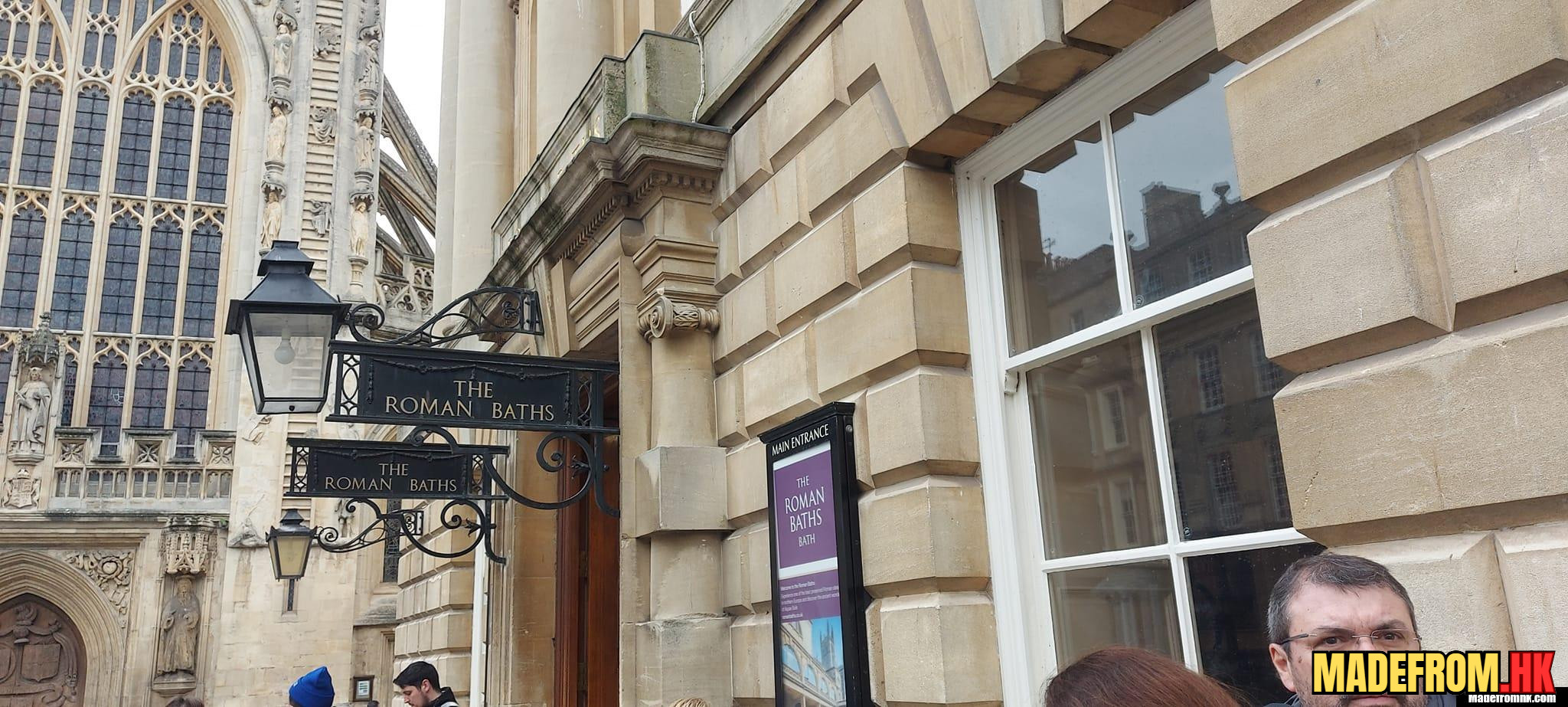
英國羅馬浴場:古羅馬工程與溫泉文化的經典遺產 | Roman Baths UK: A Masterpiece of Roman Engineering and Thermal Culture

位於英格蘭巴斯市中心的羅馬浴場,是古羅馬文明在英國留下的重要見證。這座結合溫泉資源與建築智慧的歷史遺跡,不僅展示了古人對水與健康的理解,也呈現出當時社會生活的核心樣貌。跨越千年,依然散發出獨特的歷史魅力。
Located in the heart of Bath, the Roman Baths stand as a remarkable legacy of Roman civilization in Britain. Combining natural thermal springs with sophisticated engineering, the site reflects ancient ideas about health, community, and daily life. Even after centuries, it continues to captivate with its enduring historical significance.
中文
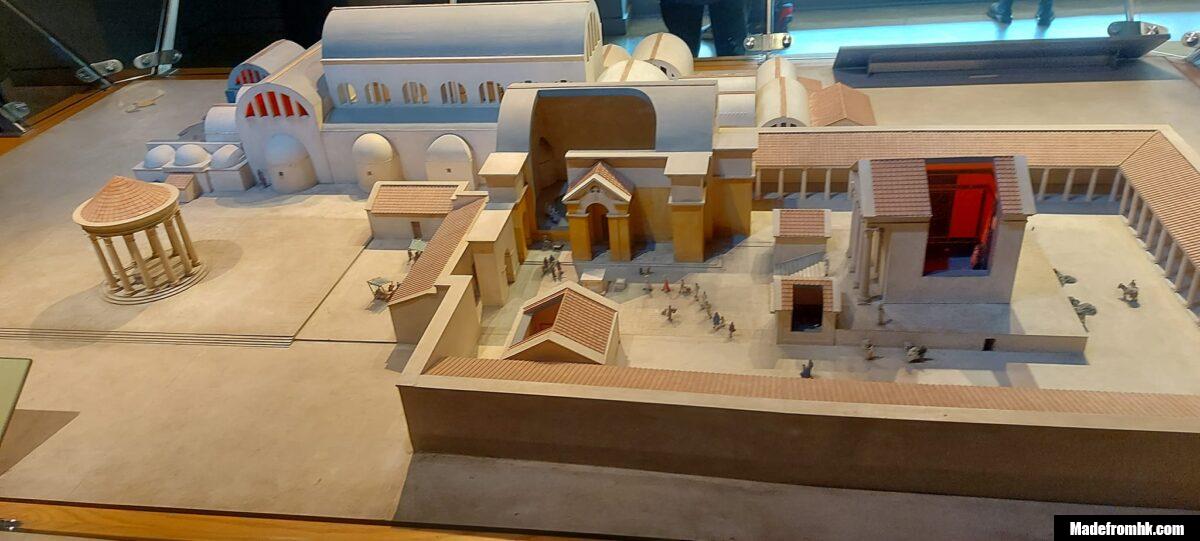
羅馬浴場的歷史可追溯至公元一世紀,當羅馬人征服不列顛後,發現巴斯地區湧出的天然溫泉,並將其發展為重要的公共浴場與宗教場所。當時,這裡被稱為「阿奎蘇利斯」,意為蘇利斯之水,並供奉結合羅馬與當地文化的女神蘇利斯·密涅瓦,顯示出宗教融合的特徵。
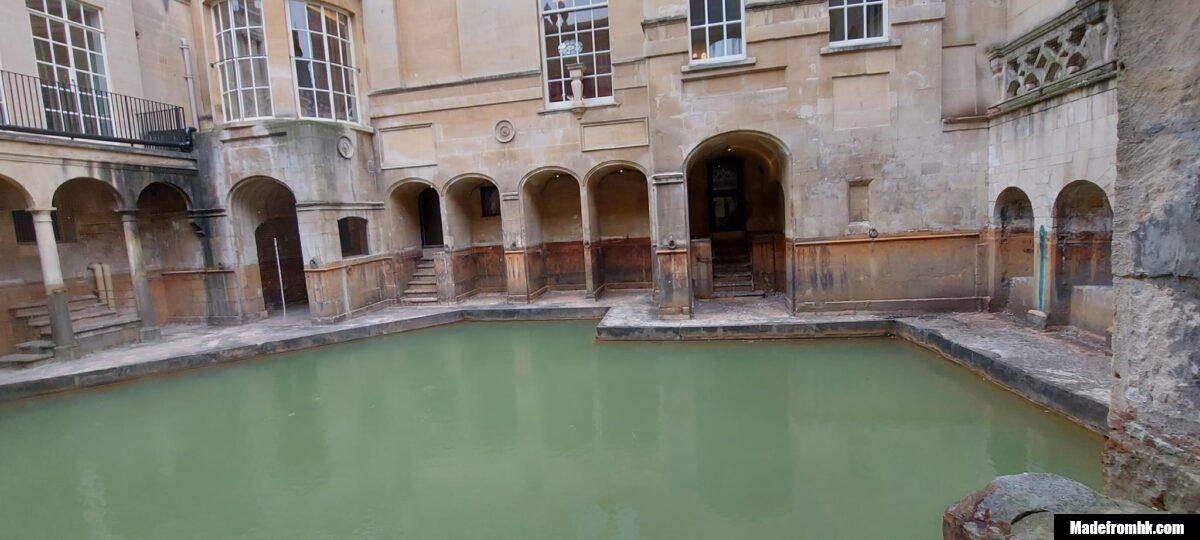
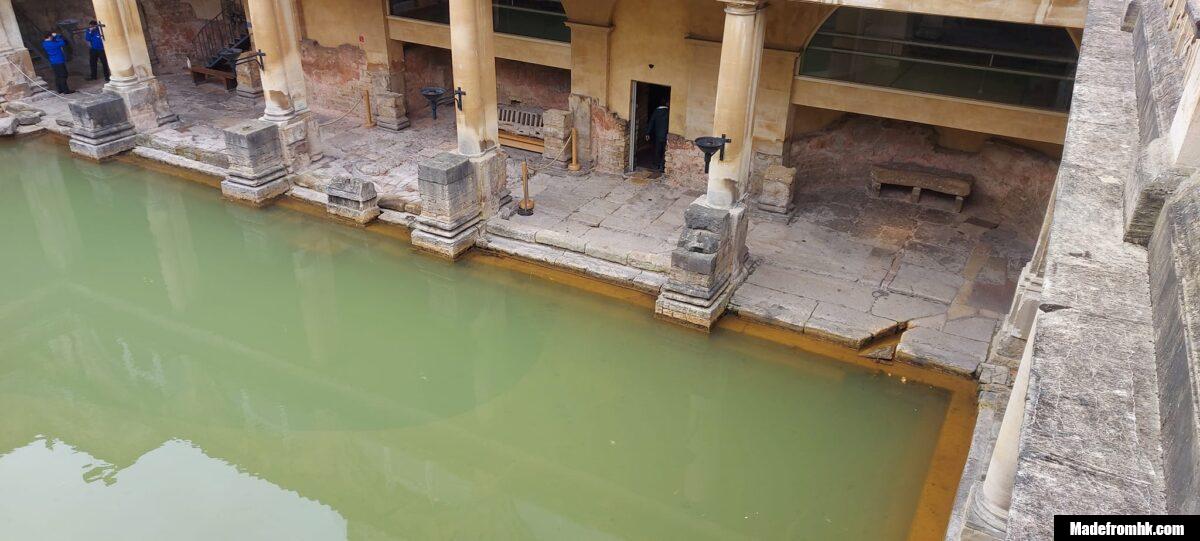
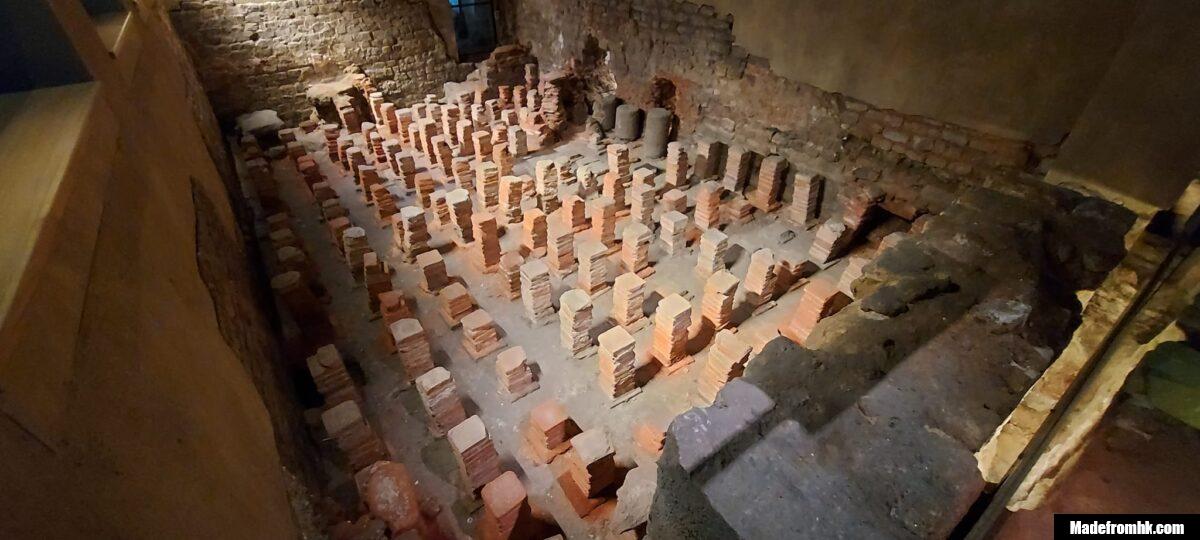
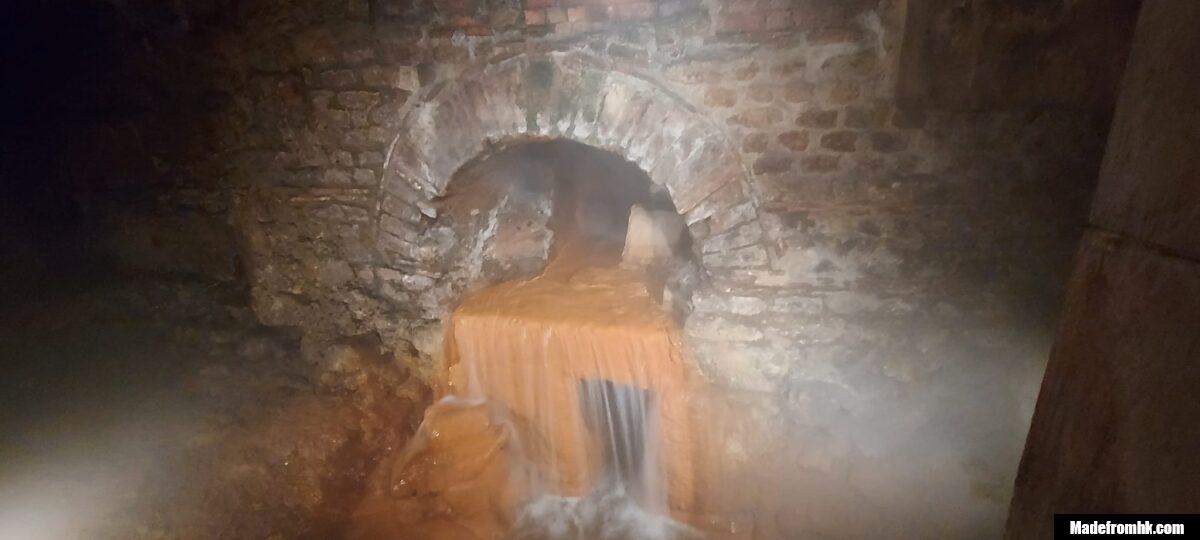
整個浴場系統展現了高度成熟的工程技術。核心的「大浴池」由石材精密建造,並利用鉛製管道與防水結構來保持水位與溫度穩定。泉水溫度常年維持在約46°C,源源不絕地流入池中。周圍則設有更衣室、冷水池與熱水室,形成完整的洗浴流程,體現出羅馬人對生活品質的重視。
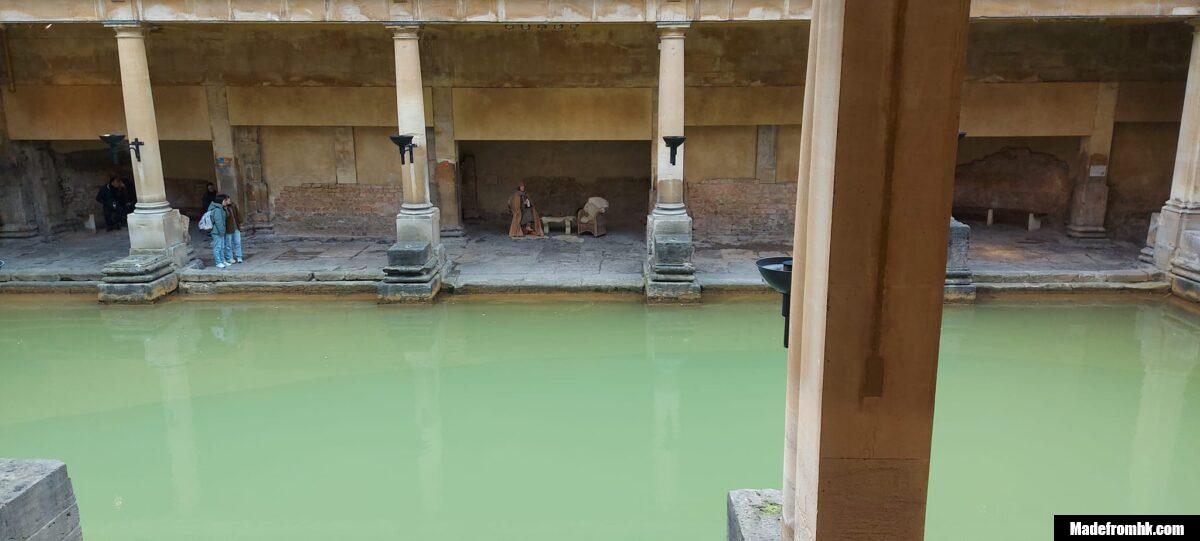
羅馬浴場不僅是清潔身體的場所,更是社交與交流的重要空間。人們在此會面、談論政治、進行商業活動,甚至參與宗教儀式。浴場成為城市生活的中心,反映出古羅馬社會的公共文化與集體意識。
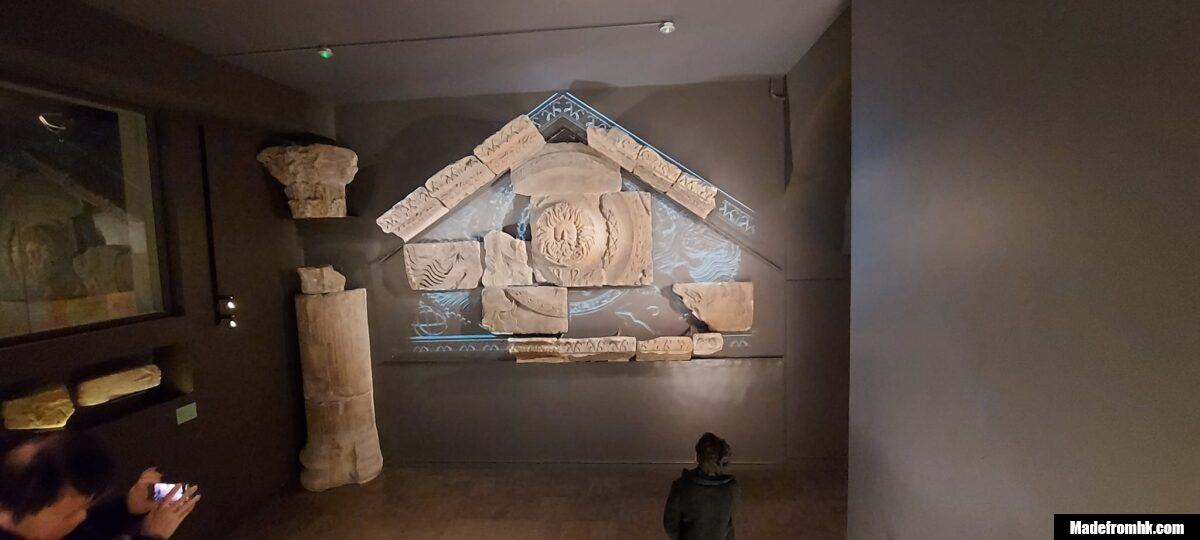
在考古發掘中,出土了大量文物,包括雕像、錢幣與祈願用的金屬片。這些物品提供了寶貴線索,揭示當時人們對神靈的信仰與日常生活的細節。特別是刻有詛咒與祈願的鉛片,更讓人一窺古人內心的情感與願望。
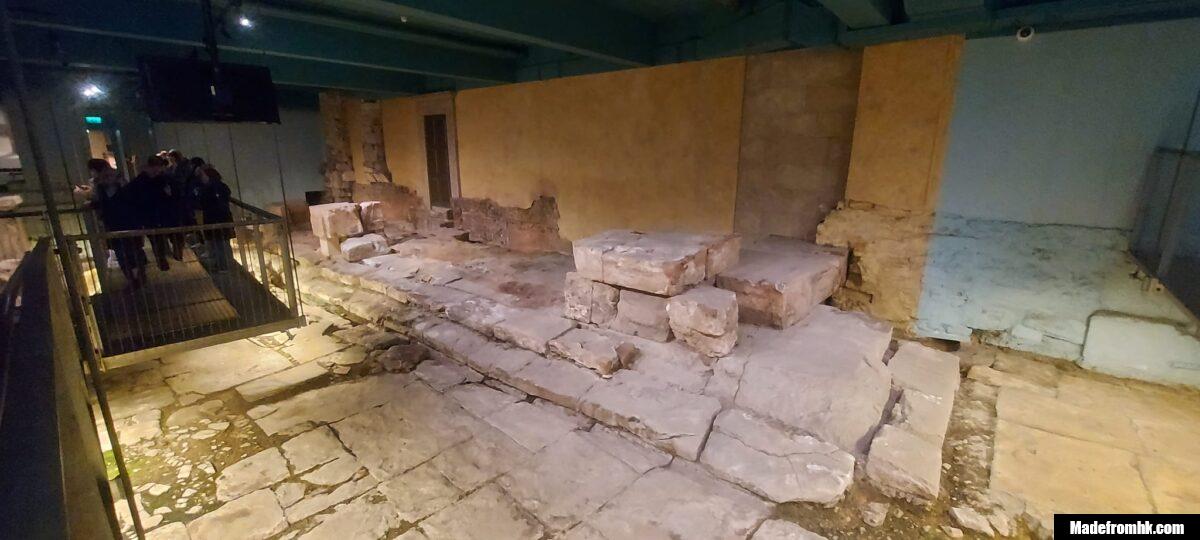
隨著羅馬帝國在不列顛的衰落,浴場逐漸被遺棄並掩埋於地下。直到18世紀,隨著城市發展與考古興趣的提升,這座古老遺跡才被重新發現並進行修復。如今,它已成為博物館的一部分,讓遊客得以近距離了解古羅馬文明。
今天的羅馬浴場不再供人入浴,但其歷史價值與文化意義依然深遠。結合周邊建築與城市景觀,它不僅是巴斯的重要地標,更是英國歷史與世界文化遺產的重要組成部分。
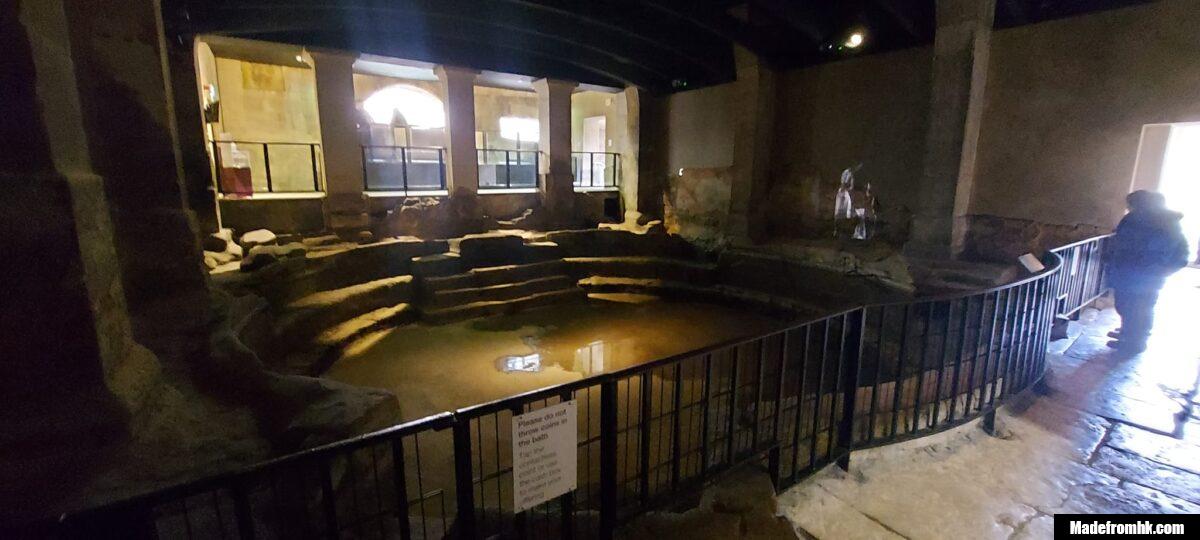
羅馬浴場的建築設計展現了古羅馬卓越的工程技術與美學理念。整個浴場由多個區域組成,包括大浴池(Great Bath)、冷水池(Frigidarium)、溫水池(Tepidarium)和熱水池(Caldarium)。其中,大浴池是最引人注目的部分,由石灰岩建造,四周環繞著科林斯式柱廊,氣勢恢宏。
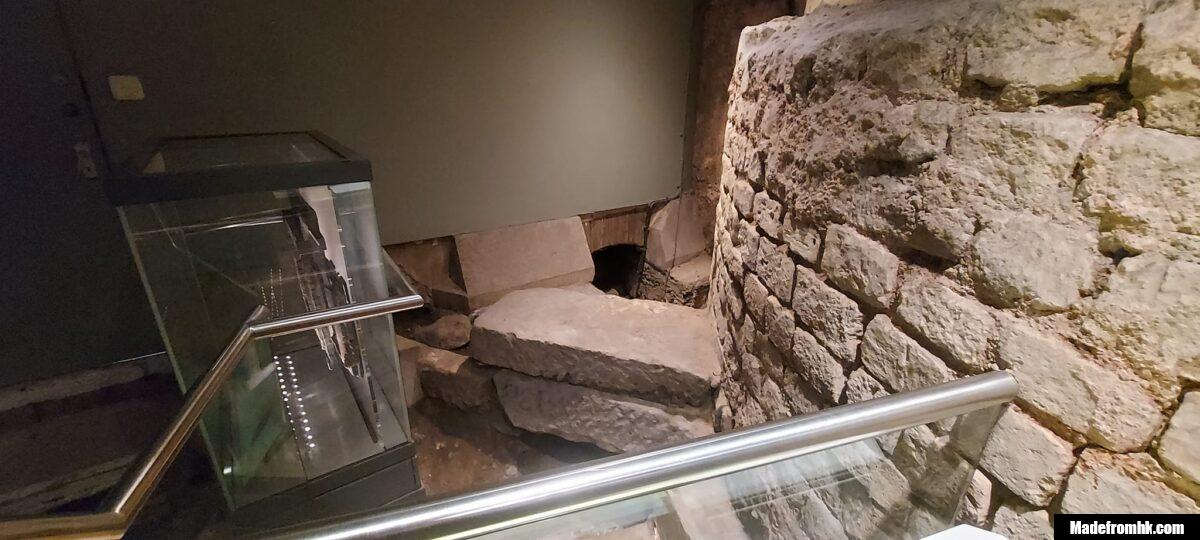
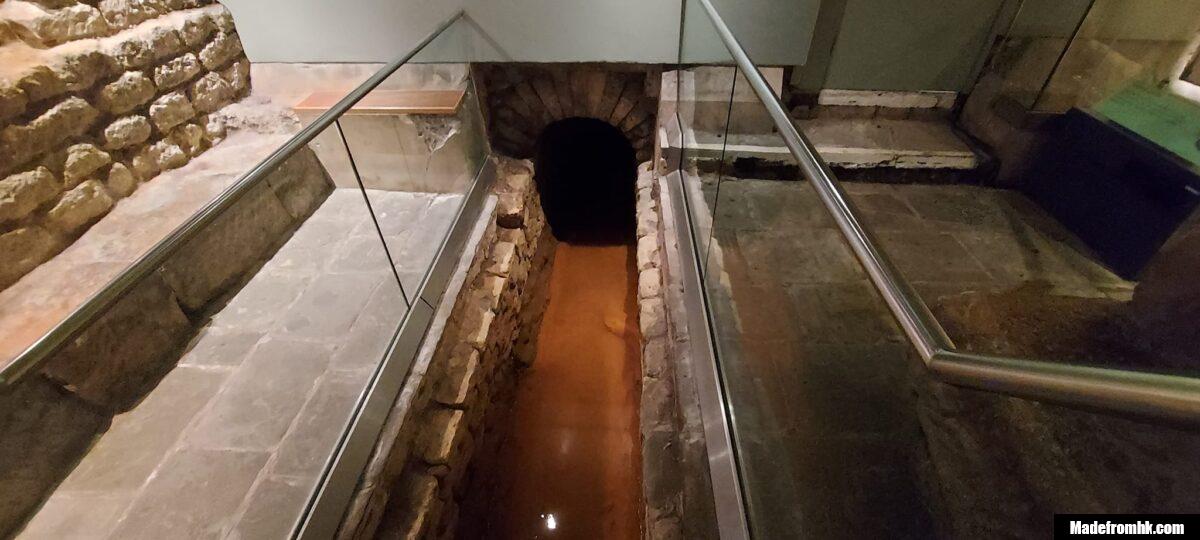
此外,浴場內的排水系統與供水設施也令人驚嘆。羅馬人利用鉛管和拱形結構將溫泉水引入浴場,同時設計了完善的排水系統,確保水質清潔。這些技術在當時無疑是世界領先的。
如今,羅馬浴場已被列為世界文化遺產,每年吸引數百萬遊客前來參觀。透過精心保存的遺址和博物館內的文物展示,遊客可以深入了解古羅馬人的日常生活、宗教信仰與社會文化。同時,這裡也成為研究古代工程技術與建築藝術的重要資料來源。
英國羅馬浴場不僅是一座歷史遺跡,更是一座跨越時空的文化橋樑,讓我們得以窺見古代文明的輝煌。無論是對歷史感興趣的學者,還是尋求文化體驗的旅客,羅馬浴場都是不容錯過的目的地。如果有機會造訪英國巴斯市,記得親臨這座歷史瑰寶,感受千年歲月的洗禮。
English Version
The Roman Baths date back to the 1st century CE, when Roman settlers recognized the potential of Bath’s natural hot springs. They developed the site into a complex that served both practical and spiritual purposes. Known as Aquae Sulis, it became dedicated to the goddess Sulis Minerva, blending Roman beliefs with local traditions.
At the heart of the complex lies the Great Bath, an impressive pool fed by naturally heated spring water. Roman engineers designed an advanced system of lead pipes, stone structures, and waterproofing techniques to manage the flow and temperature of the water. Surrounding facilities included heated rooms, cold plunges, and changing areas, forming a structured bathing ritual.
The baths were central to social life. Beyond hygiene, they provided a space for conversation, business, and community interaction. People gathered here not only to bathe but to connect, making the baths a vibrant social hub within the city.
Archaeological discoveries at the site have revealed a wealth of artifacts, including coins, sculptures, and inscribed metal tablets. Many of these tablets contain personal messages, prayers, or curses, offering insight into the beliefs and emotions of those who once visited the baths.
Following the decline of Roman rule in Britain, the baths fell into disuse and were gradually buried. It was not until the 18th century that they were rediscovered during urban development. Since then, careful preservation has transformed the site into one of the most significant historical attractions in the country.
Today, the Roman Baths are preserved as a museum and are no longer used for bathing. However, their architectural brilliance and cultural importance continue to resonate, making them a key part of Bath’s identity and a vital link to the ancient world.
總結
中文
羅馬浴場展現古羅馬工程與文化的結晶,從療癒空間到社交中心,見證歷史演變。即使不再使用,其價值仍在今日延續,成為探索古文明的重要窗口。
English
The Roman Baths embody the ingenuity and culture of ancient Rome. Once a place of healing and social life, they remain a powerful historical landmark that connects the modern world with its ancient roots.