
Skip to content
madefrom.hk madefrom.hk madefrom.hk

Rewriting culture, history and memories beyond language and borders.

madefrom.hk madefrom.hk madefrom.hk

Rewriting culture, history and memories beyond language and borders.

  • Comics
    • Strange Tales
    • Myths of the Constellations
  • Column
    • Knowledge Hub
      • 生活篇
      • 食品篇
      • 科技篇
      • 超市篇
    • Life & Technology
    • Hong Kong Guide
    • Today in History
    • City Stories
    • Anime & Manga
    • Game Magazine
    • Toy Club
    • Language of Flowers
    • Street Notes
    • All Things
    • Music Memories
    • Chinese Idioms
    • Cantonese Sayings
    • Movie Magazine
  • Original Stories
    • 不可思議故事
    • 十三號的約定
    • 星座宮神話
    • 香港山怪談
    • 香港都市靈異傳說
  • Adapted Stories
    • romance of the three kingdoms
    • hong kong places
    • dream of the red chamber
    • strange tales
    • The house on the borderland
    • usherhouse
    • Theblackcat
  • History
    • History in 80 Seconds
    • 當年報章摘要
    • 香港歷史
    • 世界名作家
    • World Biographies
  • Movies
    • USA
    • japan
    • Korea
    • Taiwan
    • HONGKONG
    • India
    • china
    • france
    • Tunisia
    • Germany
    • Jordan
    • Switzerland
    • sweden
    • Spain
    • Palestine
    • Norway
    • Argentina
    • Brazil
  • ACG
    • Winter 2026 Anime
    • Summer 2026 Anime
    • ACGHK
      • 2016
      • 2018
      • 2019
      • 2023
      • 2024
    • 創天綜合同人祭
      • 同人表演
    • 音樂
    • 電玩
      • 玩具資訊
      • 遊戲資訊
    • 遊戲
      • SNK Neo Geo
      • PlayStation 2
      • Arcade
      • NEWS
  • 旅行
    • Hong Kong Travel
      • 土瓜灣
      • 舊建築
      • 街道
      • 單車
      • 文化
      • 交通
      • 香港書展
      • 表演
      • 廟宇
      • 教堂
      • 香港書展
      • 分享會
      • 紀念活動
      • 文化活動
      • 活動
      • 寵物
      • 巴士
      • 電車
      • 機場
      • 飲食
        • 上環
        • 中環
        • 筲箕灣
        • 西環
        • 天后
        • 旺角
        • 荔枝角
        • 佐敦道
        • 太子
        • 大角咀
        • 深水埗
        • 油麻地
        • 長沙灣
        • 黃大仙
        • 尖沙咀
        • 油塘
        • 葵芳
        • 屯門
        • 元朗
        • 上水
        • 粉嶺
        • 荃灣
        • 渡輪
      • 心理測驗
    • Macau Travel
    • International Travel
    • 日本旅遊
    • Taiwan Travel
    • Thailand Travel
  • Archive
    • 文化生活
    • 莎拉有約
  • Comics
    • Strange Tales
    • Myths of the Constellations
  • Column
    • Knowledge Hub
      • 生活篇
      • 食品篇
      • 科技篇
      • 超市篇
    • Life & Technology
    • Hong Kong Guide
    • Today in History
    • City Stories
    • Anime & Manga
    • Game Magazine
    • Toy Club
    • Language of Flowers
    • Street Notes
    • All Things
    • Music Memories
    • Chinese Idioms
    • Cantonese Sayings
    • Movie Magazine
  • Original Stories
    • 不可思議故事
    • 十三號的約定
    • 星座宮神話
    • 香港山怪談
    • 香港都市靈異傳說
  • Adapted Stories
    • romance of the three kingdoms
    • hong kong places
    • dream of the red chamber
    • strange tales
    • The house on the borderland
    • usherhouse
    • Theblackcat
  • History
    • History in 80 Seconds
    • 當年報章摘要
    • 香港歷史
    • 世界名作家
    • World Biographies
  • Movies
    • USA
    • japan
    • Korea
    • Taiwan
    • HONGKONG
    • India
    • china
    • france
    • Tunisia
    • Germany
    • Jordan
    • Switzerland
    • sweden
    • Spain
    • Palestine
    • Norway
    • Argentina
    • Brazil
  • ACG
    • Winter 2026 Anime
    • Summer 2026 Anime
    • ACGHK
      • 2016
      • 2018
      • 2019
      • 2023
      • 2024
    • 創天綜合同人祭
      • 同人表演
    • 音樂
    • 電玩
      • 玩具資訊
      • 遊戲資訊
    • 遊戲
      • SNK Neo Geo
      • PlayStation 2
      • Arcade
      • NEWS
  • 旅行
    • Hong Kong Travel
      • 土瓜灣
      • 舊建築
      • 街道
      • 單車
      • 文化
      • 交通
      • 香港書展
      • 表演
      • 廟宇
      • 教堂
      • 香港書展
      • 分享會
      • 紀念活動
      • 文化活動
      • 活動
      • 寵物
      • 巴士
      • 電車
      • 機場
      • 飲食
        • 上環
        • 中環
        • 筲箕灣
        • 西環
        • 天后
        • 旺角
        • 荔枝角
        • 佐敦道
        • 太子
        • 大角咀
        • 深水埗
        • 油麻地
        • 長沙灣
        • 黃大仙
        • 尖沙咀
        • 油塘
        • 葵芳
        • 屯門
        • 元朗
        • 上水
        • 粉嶺
        • 荃灣
        • 渡輪
      • 心理測驗
    • Macau Travel
    • International Travel
    • 日本旅遊
    • Taiwan Travel
    • Thailand Travel
  • Archive
    • 文化生活
    • 莎拉有約
Close

Search

繁體中文
ColumnToday in History

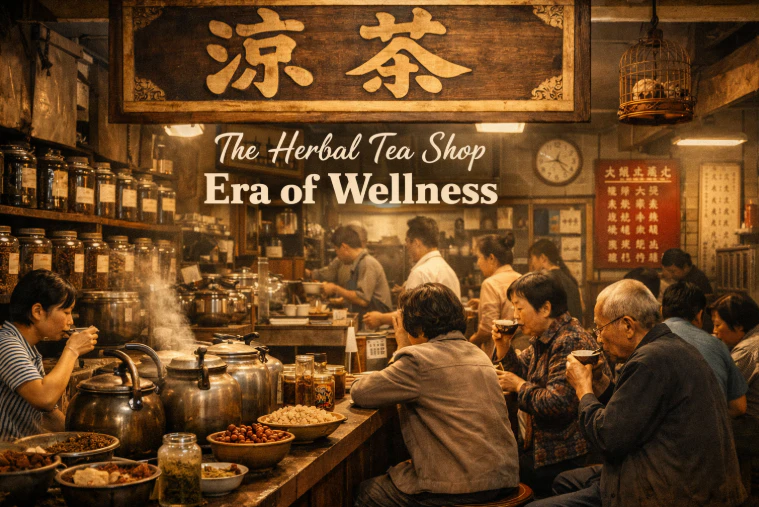
香港生活文化|涼茶舖的養生年代 | Hong Kong Living Culture|The Herbal Tea Shop Era of Wellness

2026-04-09

涼茶舖,是香港傳統養生文化的重要象徵,以中草藥熬製涼茶,具有清熱解毒之效。這些店舖多設於街頭或屋邨,既是飲品店,也是民間保健的場所。隨著現代醫療與生活方式改變,涼茶舖逐漸減少,但其獨特的文化價值與養生理念,仍然流傳至今。

Herbal tea shops are a significant part of Hong Kong’s traditional wellness culture, offering herbal brews believed to clear heat and improve health. Found in streets and housing estates, they function as both beverage shops and informal health providers. Although their numbers have declined with modern lifestyles and medicine, their cultural significance and holistic philosophy continue to endure.

在香港的傳統生活文化之中,涼茶舖是一種結合飲食與養生的獨特存在,它既不是單純的飲品店,也不是正式的醫療機構,而是一種介乎兩者之間的民間智慧結晶。所謂涼茶,是以各種中草藥經長時間熬製而成的飲品,根據不同配方具有清熱解毒、去濕降火、潤肺止咳等功效,深受香港市民歡迎。早在五、六十年代,涼茶舖已經遍布香港街頭,尤其是在工業區、屋邨與人流密集的地區,更是隨處可見,店內通常擺放著一排排裝有涼茶的玻璃樽或不鏽鋼壺,顏色深淺不一,味道亦各有不同,顧客可以根據自己的身體狀況或需要選擇適合的涼茶,例如常見的有廿四味、五花茶、夏枯草等。當時的香港氣候炎熱潮濕,市民普遍相信「上火」的概念,因此飲用涼茶成為日常生活的一部分,有些人甚至每天都會到涼茶舖喝上一碗,以保持身體平衡。涼茶舖的經營多為家族式,配方往往代代相傳,帶有濃厚的傳統色彩,而店主亦常被視為具有一定經驗的「民間醫者」,能夠根據顧客的症狀提供建議,這種半醫療性的角色,使涼茶舖在社區中具有特殊地位。除了涼茶之外,許多涼茶舖亦會售賣龜苓膏等相關產品,進一步豐富其功能。隨著時代發展與西醫普及,市民對健康的理解逐漸改變,加上生活節奏加快,年輕一代對苦味較重的涼茶興趣下降,使涼茶舖的數量逐漸減少,一些老字號亦因後繼無人而結業。然而,涼茶文化並未完全消失,反而在某些層面上進行轉型,例如推出較易入口的改良配方,或以樽裝形式進入超級市場,讓更多人以不同方式接觸這種傳統飲品。同時,亦有部分老店堅持傳統做法,保留原汁原味的涼茶,吸引喜愛傳統文化的顧客。近年來,隨著人們對健康與自然療法的關注增加,涼茶再次受到一定程度的重視,被視為一種結合傳統與現代的養生選擇。涼茶舖的年代,也許已不如昔日般普遍,但它所代表的,是一種順應自然、重視平衡的生活哲學,是香港文化中獨特而深厚的一部分。每一碗苦中帶甘的涼茶,都蘊含著時間的沉澱與經驗的累積,在城市的變遷之中,靜靜地延續著一種屬於本土的養生智慧。


English Version

Within Hong Kong’s traditional living culture, herbal tea shops represent a unique fusion of food and wellness, occupying a space that is neither purely commercial nor strictly medical, but rather a manifestation of folk wisdom passed down through generations. Herbal tea, or “leung cha,” is made by boiling various Chinese medicinal herbs over long periods, resulting in beverages believed to have properties such as clearing internal heat, detoxifying the body, reducing dampness, and soothing the lungs. These drinks have long been embraced by the local population. As early as the 1950s and 1960s, herbal tea shops were widely found across Hong Kong, particularly in industrial areas, public housing estates, and busy urban districts. Inside these shops, rows of glass bottles or metal containers filled with different herbal brews were displayed, each varying in color and taste depending on its ingredients. Customers would select their drinks based on their physical condition or needs, with common options including formulations like “24-flavor tea,” chrysanthemum-based blends, and selfheal spike tea. Given Hong Kong’s hot and humid climate, the concept of “internal heat” became deeply ingrained in daily life, and drinking herbal tea was considered a practical way to maintain bodily balance. Many people made it a daily habit to visit herbal tea shops, integrating this practice into their routine. Most herbal tea shops were family-run businesses, with recipes carefully preserved and passed down through generations, adding a strong sense of tradition and authenticity. Shopkeepers were often regarded as informal health advisors, capable of recommending suitable remedies based on customers’ symptoms, thus playing a semi-medical role within the community. In addition to herbal teas, many shops also sold related products such as herbal jelly, further expanding their offerings. However, with the advancement of modern medicine and changing lifestyles, public perceptions of health evolved, and the younger generation became less inclined to consume the often bitter-tasting herbal drinks. As a result, the number of traditional herbal tea shops declined, and many long-established businesses closed due to a lack of successors. Despite this decline, the culture has not disappeared entirely but has instead adapted to contemporary contexts. Some producers have introduced milder, more palatable versions of herbal teas, while others have packaged them for sale in supermarkets, making them more accessible to modern consumers. At the same time, certain traditional shops continue to uphold original methods, attracting those who appreciate authenticity and heritage. In recent years, growing interest in natural remedies and holistic health has led to a renewed appreciation for herbal tea, positioning it as a bridge between tradition and modern wellness practices. Although the era when herbal tea shops were ubiquitous may have faded, the philosophy they embody—harmony with nature and the importance of balance—remains deeply embedded in Hong Kong’s cultural identity. Each bowl of herbal tea, with its bittersweet taste, carries within it layers of history, experience, and wisdom, quietly enduring amidst the ever-changing landscape of the city.

Views: 8
延伸閱讀
灶君上天-有嗰句講嗰句|廣東話歇後語意思與由來 | The Kitchen God Ascends to Heaven – Say Exactly What You Know | Cantonese Two-Part Saying Meaning and Usage | 廣東話歇後語
「灶君上天-有嗰句講嗰句」是一句源自中國民間信仰的廣東話歇後語。相傳每年農曆年底,灶君會返回天庭,向玉皇大帝稟報每戶人家一年來的善惡功過…
火燒豬頭-熟口熟面|廣東話歇後語意思與由來 | A Roasted Pig’s Head – A Familiar Face | Cantonese Two-Part Saying Meaning and Usage | 廣東話歇後語
「火燒豬頭-熟口熟面」是一句生動有趣的廣東話歇後語,利用燒豬頭經過火烤後變成熟食的形象,巧妙借用「熟」字的雙重意思,引申為「熟口熟面」,…
火燒旗杆-長歎|廣東話歇後語意思與由來 | A Flagpole on Fire – A Long Sigh | Cantonese Two-Part Saying Meaning and Usage | 廣東話歇後語
「火燒旗杆-長歎」是一句充滿畫面感的廣東話歇後語,利用旗杆被火燒時,火焰由下而上一路延伸的形象,引申出「長嘆」的諧音與意思。這句歇後語多…
倒挂腊鴨-油嘴滑舌|廣東話歇後語意思與由來 | Hanging a Preserved Duck Upside Down – Smooth-Talking and Slick | Cantonese Two-Part Saying Meaning and Usage | 廣東話歇後語
「倒挂腊鴨-油嘴滑舌」是一句形象鮮明的廣東話歇後語,以倒掛的臘鴨作比喻,聯想到鴨身滲出的油脂,進一步形容一個人說話過分流利、花巧,甚至只…

Tags:

chinese medicineherbal teaHong Kong cultureHong Kong herbal tea shopnostalgic Hong Kongtraditional wellness傳統養生懷舊香港民間智慧涼茶文化草藥茶香港文化香港涼茶舖
Other Articles
On This Day in 80 Seconds
Previous

1959年NASA水星七人名單公布|美國首批太空人誕生 | NASA Announces Mercury Seven Astronauts (1959) – America’s First Space Heroes  | 歷史一刻,80秒速覽 April 9

Next

亞當·斯密|現代經濟學之父與《國富論》的思想革命 | Adam Smith | Father of Modern Economics and the Revolution of The Wealth of Nations | 世界名人錄

No Comment! Be the first one.

Leave a Reply Cancel reply

You must be logged in to post a comment.

  • Patreon
  • Facebook
  • Instagram
  • YouTube
  • Bluesky
  • Tumblr
  • LinkedIn

Register|Lost your password?

  • Terms of Service
  • Privacy Policy
  • Contact
  • About Us
  • Register
  • Login
  • Password Reset
  • Advertising
  • Column Sponsorship
  • plus member

Content & Corrections

This website covers films, animation, games, cultural columns, and other related content and information. Our information is primarily based on publicly available sources, official announcements, and editorial research. Content may be revised or updated when new information becomes available.
If you notice any errors, believe that information needs to be corrected, or have updated official information that may be added, please contact us by email:
📧 [email protected]
We will review the information and make updates as soon as possible after verification.
Thank you for your help and understanding.

  • Myths of the Constellations | Episode 7 | The Cost of Fire |English Comic Edition 
  • Strange Tales | The Monster in the Buckwheat  | English Comic Edition 
  • Strange Tales|Hunting a Fox | English Comic Edition
  • Myths of the Constellations|Episode 6|After the Fracture|English Comic Edition
  • Strange Tales|Biting a Ghost | English Comic Edition

ACG HK anime Chinese Mythology Dream of the Red Chamber Hong Kong History On This Day Romance of the Three Kingdoms Silent film world history 三國演義 世界歷史 中國古典小說 中國神話 今日歷史 劉備 動畫 動畫電影 古典文學 台灣旅遊 專欄 小說連載 山海經 廣東話歇後語 影評 恐怖電影 推薦 日本動畫 日本電影 曹操 林黛玉 歷史上的今天 澳門 紅樓夢 經典電影 美國電影 聊齋志異 賈寶玉 電影 電影劇情介紹 飲食 香港文化 香港旅遊 香港歷史 香港都市傳說 香港電影

Copyright 2021 - 2026 — 0studiohk.com | madefrom.hk. All rights reserved.