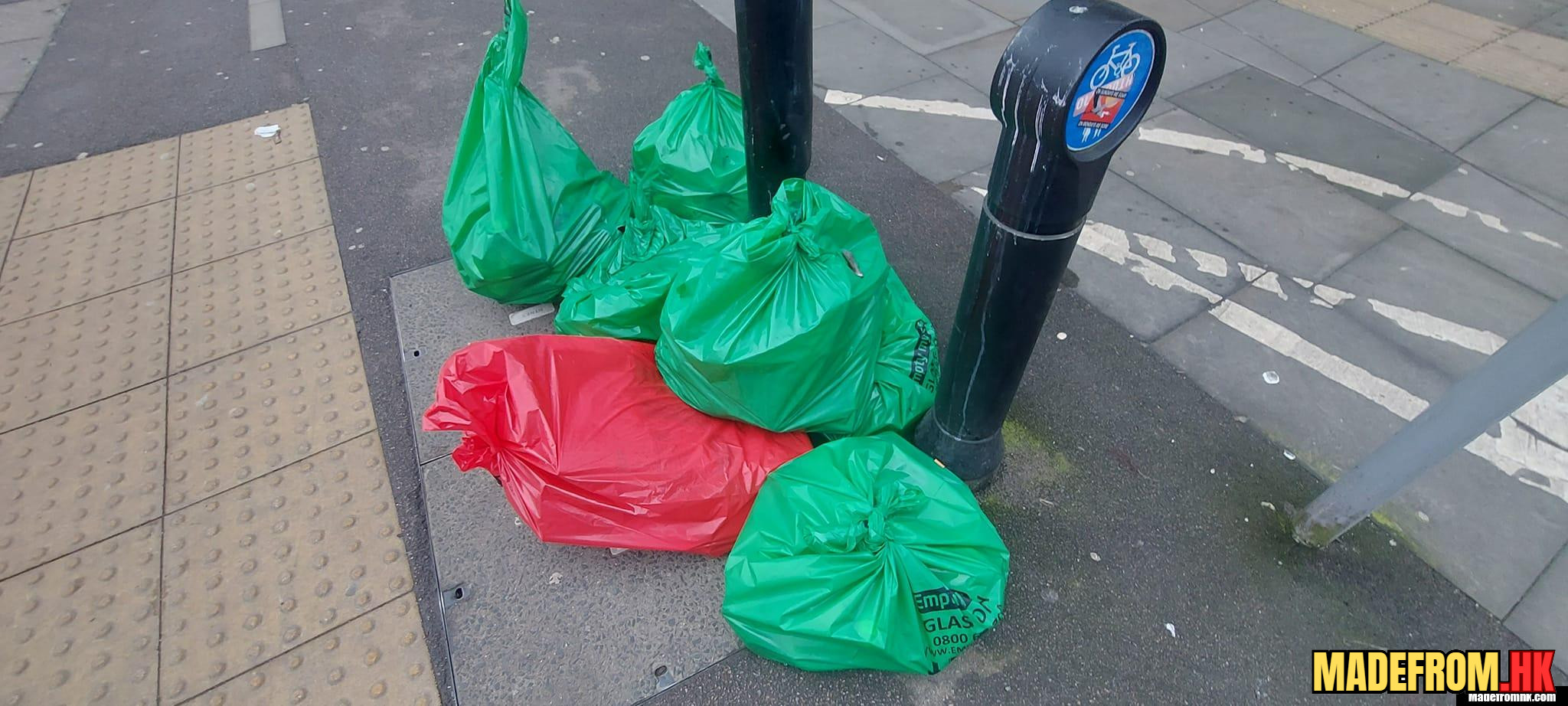
在Manchester,垃圾分類不只是日常習慣,更是城市推動可持續發展的重要一環,透過完善的回收系統與政策規劃,城市逐步建立起環保意識,讓居民在日常生活中參與資源循環與環境保護。
In Manchester, waste sorting is more than a routine task, it forms a key part of the city’s sustainability strategy, supported by structured recycling systems and policies that encourage residents to participate in environmental protection.
中文版本
曼徹斯特的垃圾分類制度屬於英國城市環保政策的一部分,由地方政府與Greater Manchester Combined Authority共同推動,目標在於減少垃圾填埋並提升資源再利用效率,整體系統以分類收集為核心,居民通常會使用不同顏色的垃圾桶來區分廢棄物類型,例如一般垃圾、可回收物與廚餘等,其中可回收物包括紙張、塑膠、金屬與玻璃,透過集中處理與再加工,使這些材料重新進入生產循環,從而降低資源浪費,廚餘與有機廢物則會被轉化為能源或肥料,體現循環經濟的概念,從制度設計角度來看,曼徹斯特採取定期收集與區域化管理的方式,不同區域可能在收集時間與分類細節上略有差異,但整體原則保持一致,這種制度既具有靈活性,也確保運作效率,歷史上英國在環保政策方面逐步加強,隨著垃圾問題與氣候議題受到關注,城市層級的管理變得更加重要,曼徹斯特作為工業城市轉型的代表之一,特別重視環境改善與可持續發展,垃圾分類制度正是在這樣的背景下不斷完善,文化層面上,居民普遍具有較高的環保意識,分類行為已成為日常生活的一部分,這種習慣不僅來自政策規範,也反映社會對環境責任的共識,對旅客而言,理解當地垃圾分類方式有助於融入城市生活並避免違規,常見做法包括將不同類型垃圾分開存放並依照指定日期放置於路邊收集點,整體而言,曼徹斯特的垃圾分類制度體現了城市在環保與管理上的成熟度,透過制度與文化的結合,推動資源循環並減少環境負擔,成為現代城市可持續發展的重要範例
English Version
Manchester’s waste management system forms part of a broader environmental strategy within the UK, supported by local authorities and the Greater Manchester Combined Authority, with the primary goal of reducing landfill use and improving recycling efficiency, the system is based on categorized waste collection, where households are typically provided with different bins to separate general waste, recyclables, and organic materials, recyclable items include paper, plastics, metals, and glass, which are processed and reintroduced into production cycles, minimizing resource waste, organic waste such as food scraps is often converted into energy or compost, reflecting principles of a circular economy, from a structural perspective the system operates through scheduled collections and localized management, with slight variations across districts in terms of timing and specific guidelines, while maintaining consistent overall principles, historically environmental policy in the UK has evolved in response to growing concerns over waste and climate change, and Manchester as a post-industrial city has placed particular emphasis on sustainability and urban improvement, culturally residents generally demonstrate a strong awareness of environmental responsibility, with waste sorting becoming a normalized part of daily routines, this behavior is shaped not only by regulations but also by shared social values, for visitors understanding local waste practices can help them integrate smoothly into the city and avoid potential issues, typically by separating waste correctly and following collection schedules, overall Manchester’s waste management system reflects a mature approach to urban sustainability, combining policy, infrastructure, and public participation to reduce environmental impact and promote resource efficiency
總結(中文)
曼徹斯特垃圾分類制度結合政策與文化,推動資源循環與環境保護,是現代城市可持續發展的重要範例
總結(英文)
Manchester’s waste system integrates policy and public participation, promoting recycling and sustainability as a model for modern urban development