
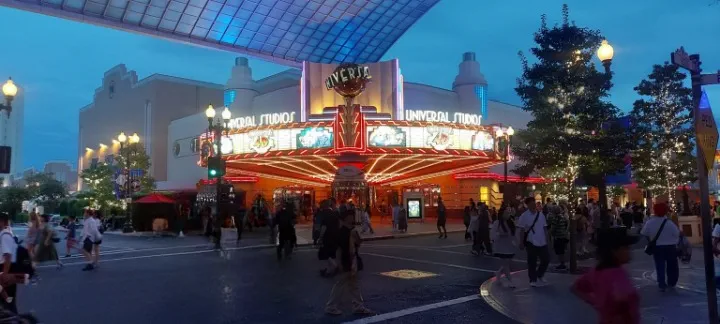
大阪日本環球影城夜色散步:從入口到美式街道的光影與節奏轉換 | Universal Studios Japan at Night: A Walk Through Light, Atmosphere, and Changing Rhythm
在 日本環球影城 的夜晚,空間開始轉變。白天的熱鬧逐漸沉靜,燈光與陰影重新定義街道,讓整個園區呈現出另一種節奏與氛圍。
At night in Universal Studios Japan, the park transforms. Daytime energy softens, and light begins to reshape the environment, creating a different rhythm and atmosphere across the streets.
中文版本
同一個地方,在不同時間,會變成兩個世界。
日本環球影城的夜晚,就是這樣。
當白天逐漸結束,人潮開始減少,聲音慢慢下降,整個園區進入另一種狀態。這種轉變不是突然發生,而是隨著光線一點一點改變。
從入口開始,你會感覺到節奏放慢。
白天的移動是連續的,人們趕著玩設施、趕著前往下一個區域。但到了夜晚,步伐開始變得隨意。你不再需要趕時間,而是開始「走」。
這是一種散步的節奏。
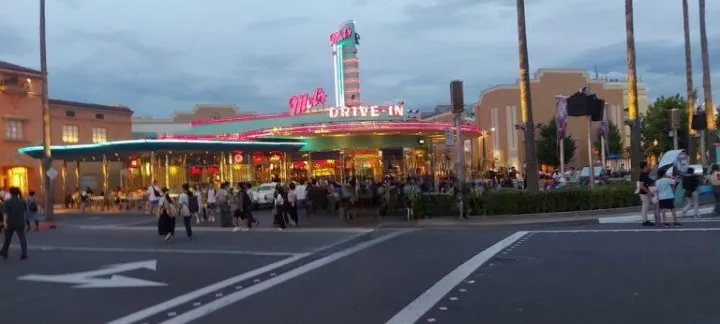
美式街道在夜晚變得特別明顯。
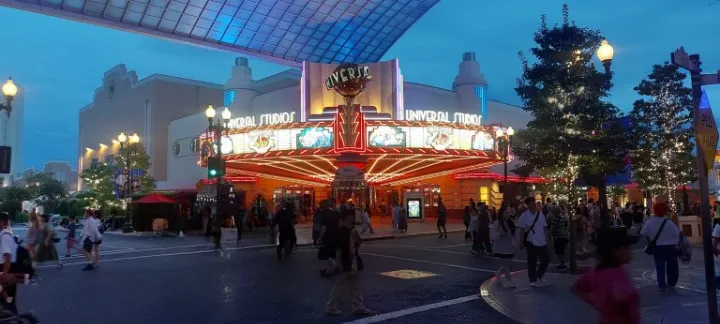
燈光從建築之中透出來,窗戶、招牌、街燈形成層層光影。與白天相比,細節反而更突出。顏色變得柔和,邊界變得清晰,每一棟建築都像被重新描繪過。
你會開始看。
而不是只是經過。
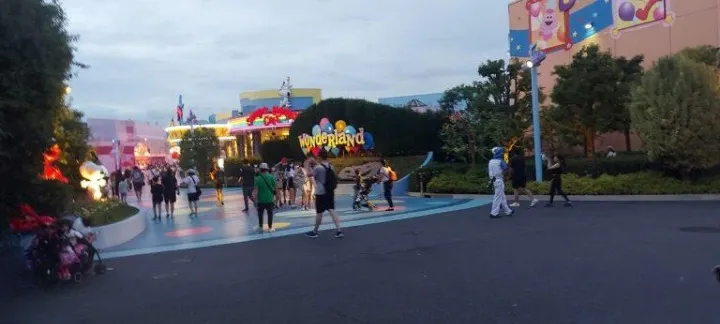
人群仍然存在,但不再密集。
空間變得有呼吸感,距離被拉開,讓整個環境顯得更穩定。你可以停下來,不需要擔心阻礙別人,也不需要被推著前進。
時間,在這裡被放慢。
夜晚的燈光,也在改變空間的方向感。
白天依靠的是視線與開闊度,而夜晚則依靠光源。你會被亮的地方吸引,跟著光移動,而陰影則讓空間出現層次。
這種對比,讓行走變得更有節奏。
你會在光與暗之間轉換。
當你走到某些開闊位置,會發現整個園區像被包裹在一個穩定的光環之中。這不是強烈的照明,而是一種讓人安心的亮度。
與白天相比,這裡更接近「場景」。
不是為了活動,而是為了存在。
當你慢慢走回出口,整個旅程變得完整。
白天是進入。
夜晚,是離開。
但這個離開,不是結束。
而是一種收束。
日本環球影城的夜晚,不只是變暗。
而是讓整個空間重新呼吸。


English Version
The same place can become two different worlds, depending on time.
At night, Universal Studios Japan transforms.
As daylight fades, the crowd thins, sound softens, and the entire park shifts into a different state. The change is gradual, guided by light rather than sudden transition.
From the entrance, the rhythm slows.
Daytime movement is continuous — people move quickly from one attraction to another. At night, the pace relaxes. Movement becomes optional.
You begin to walk, not rush.
The streets take on a new presence.
Light emerges from within buildings — windows, signs, street lamps layering illumination across the space. Compared to daytime, details become more visible. Colors soften, edges sharpen, and each structure feels more defined.
You begin to observe.
Not just pass through.
The crowd remains, but density decreases.
Space opens up. Distance returns. You can stop without hesitation, stand without pressure, and move without urgency.
Time stretches.
Light reshapes orientation.
During the day, movement is guided by openness and visibility. At night, it is guided by light sources. You move toward brightness, while shadows create depth and contrast.
This interplay creates rhythm.
You move between light and darkness.
In open areas, the park feels enclosed by a soft glow — not overwhelming, but stable. It creates a sense of calm that contrasts sharply with daytime energy.
The space becomes less about activity.
And more about presence.
As you walk back toward the exit, the journey feels complete.
Daytime is entry.
Nighttime is release.
But this release is not an ending.
It is a resolution.
Universal Studios Japan at night does not simply become darker.
It becomes quieter, deeper, and more aware of itself.