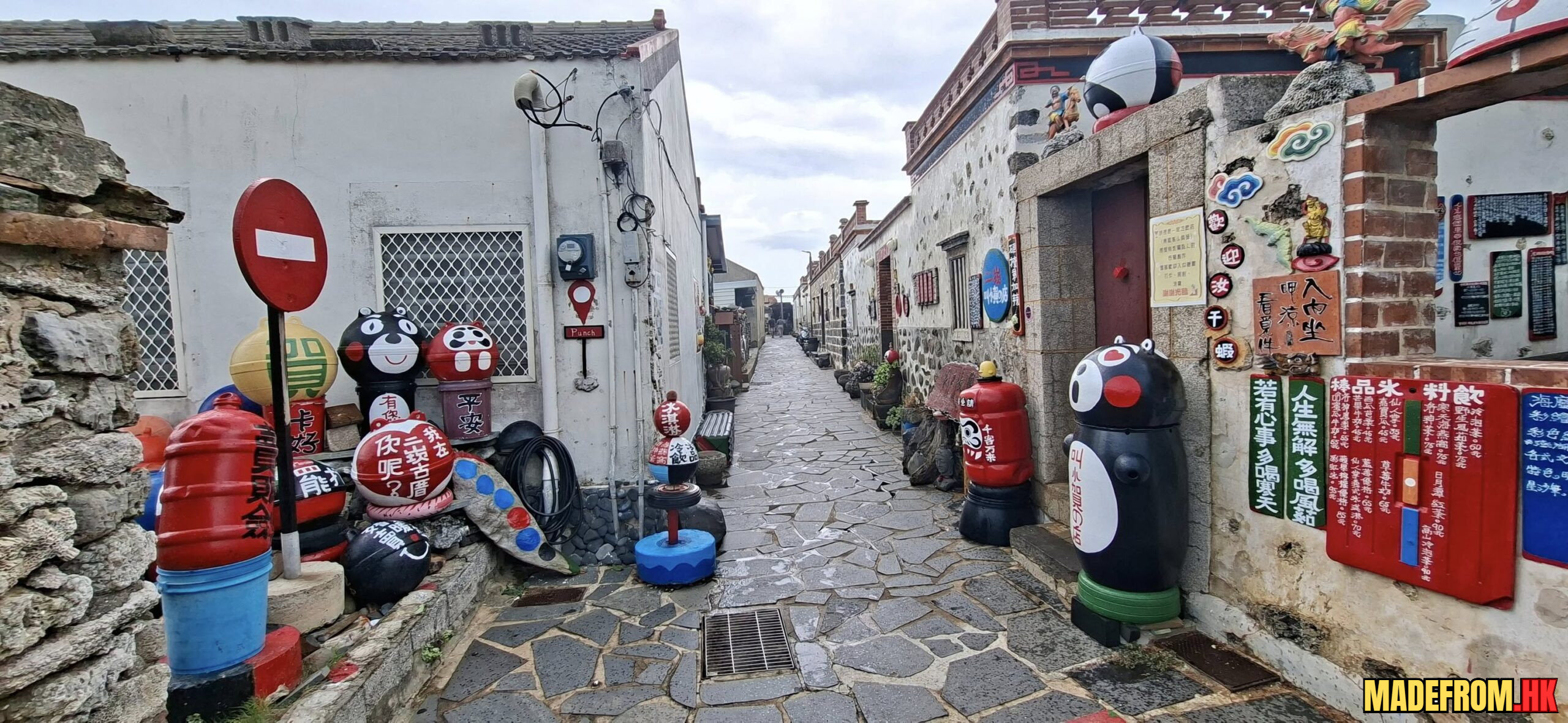
台灣澎湖群島以其自然美景和深厚的文化底蘊聞名,而位於馬公市的二茨聚落則是其中一個不容錯過的地方。這個小型聚落,雖然面積不大,但卻承載著豐富的歷史故事和獨特的文化風貌。
Erkan Village, located in Xiyu, Penghu, is one of the best-preserved traditional settlements, known for its coral stone houses and Minnan cultural heritage.
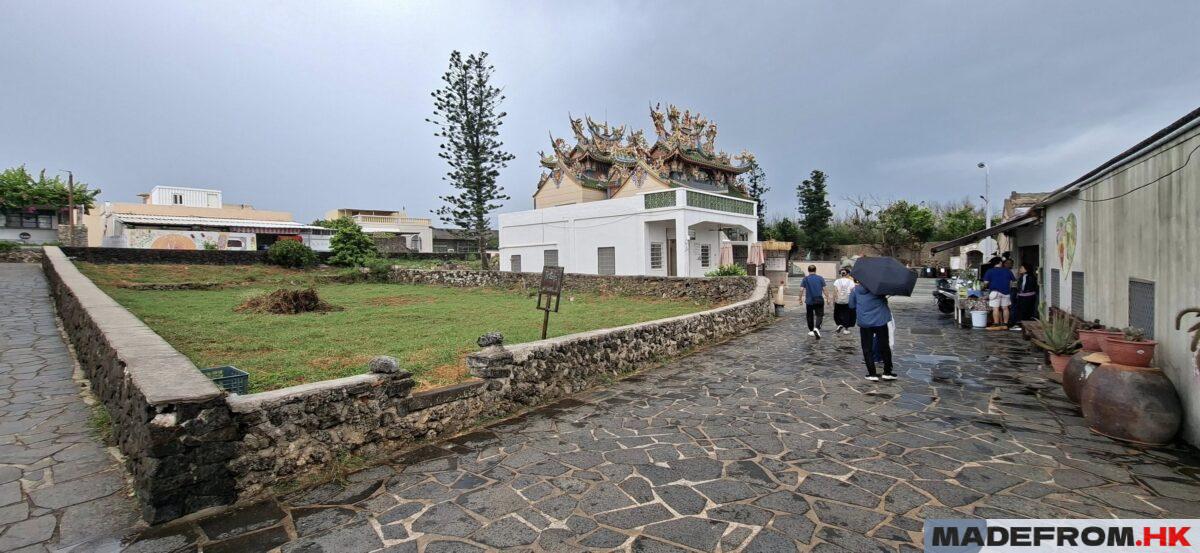
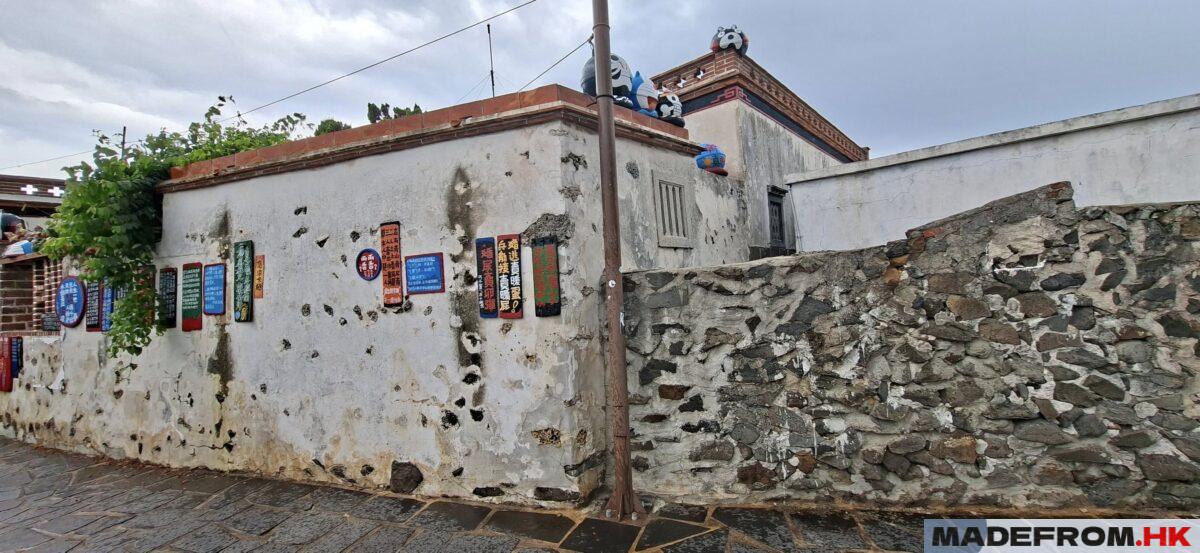
二茨聚落的歷史背景
二茨聚落的形成可追溯至清朝時期,當時澎湖因其地理位置成為重要的海上交通樞紐。聚落內的居民多以漁業為生,並逐漸建立起一個自給自足的小型社區。二茨這個名字也反映了當地居民的生活方式,據說與聚落內的地形及早期的農業活動有關。
建築特色與文化風貌
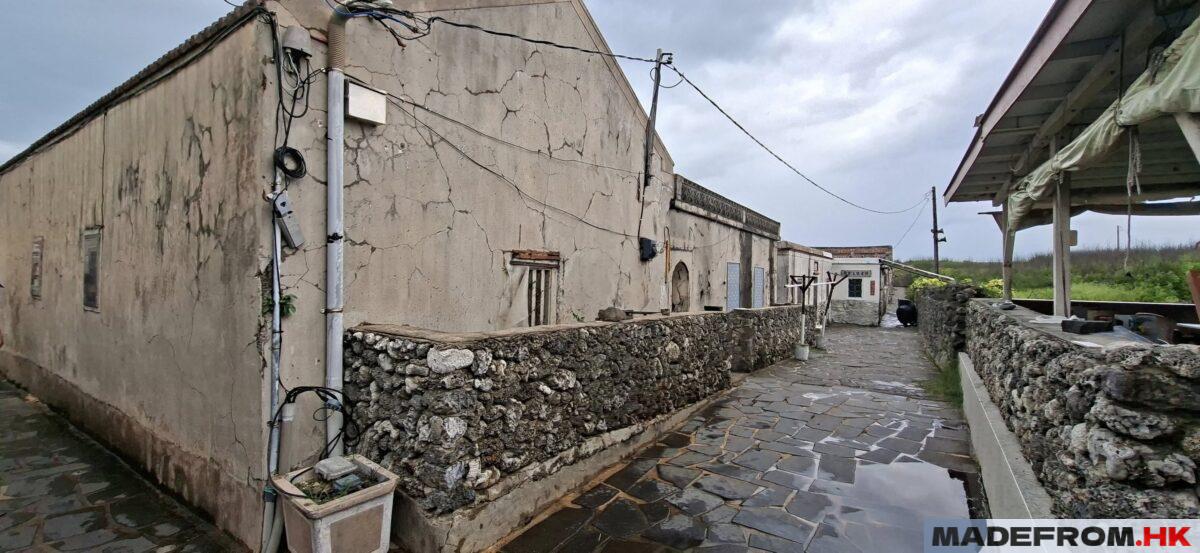
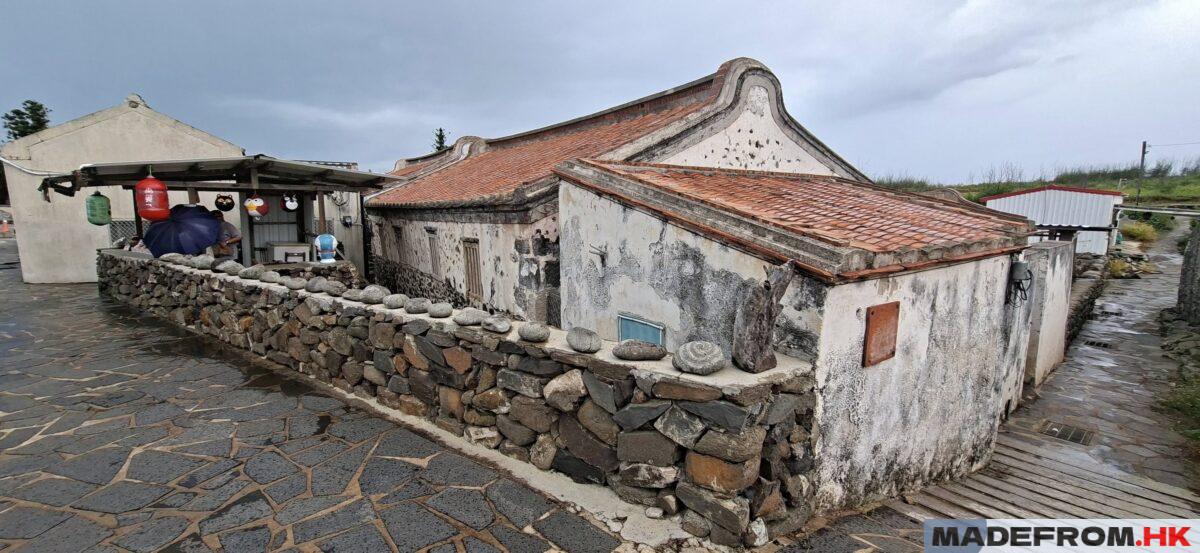
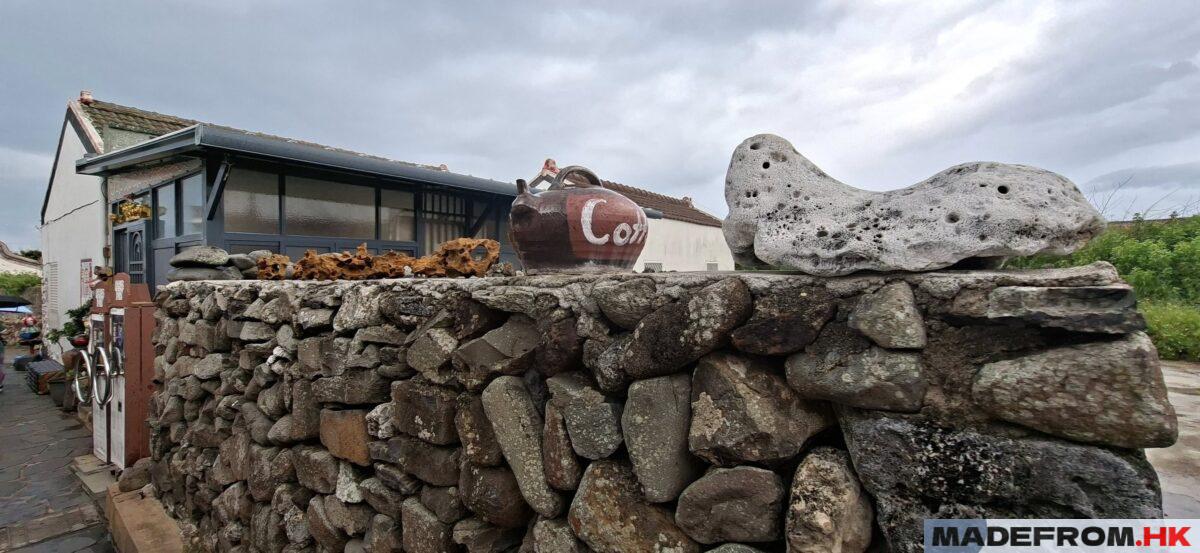
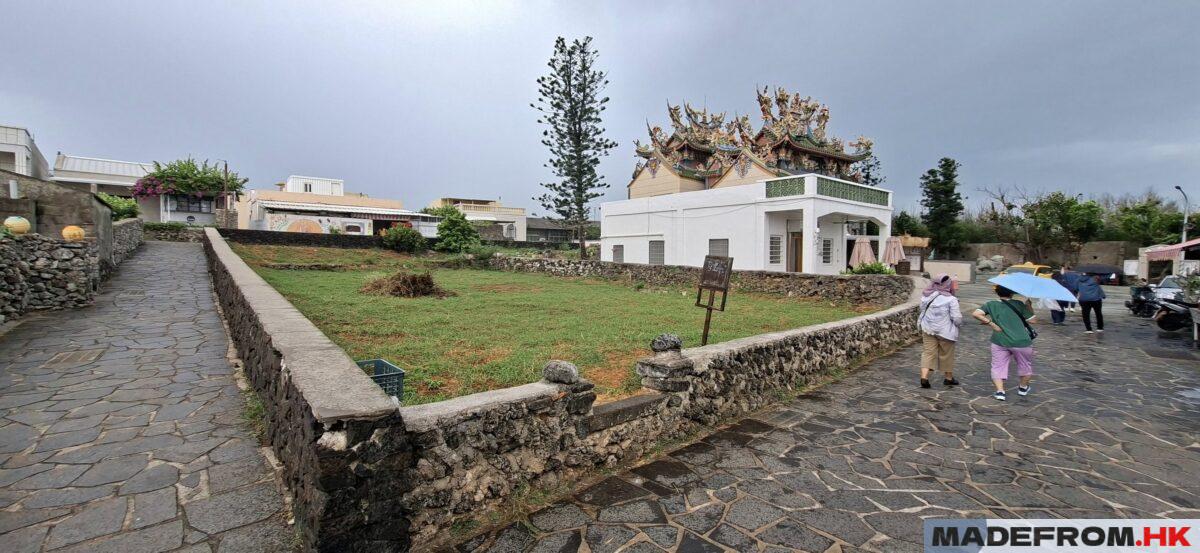
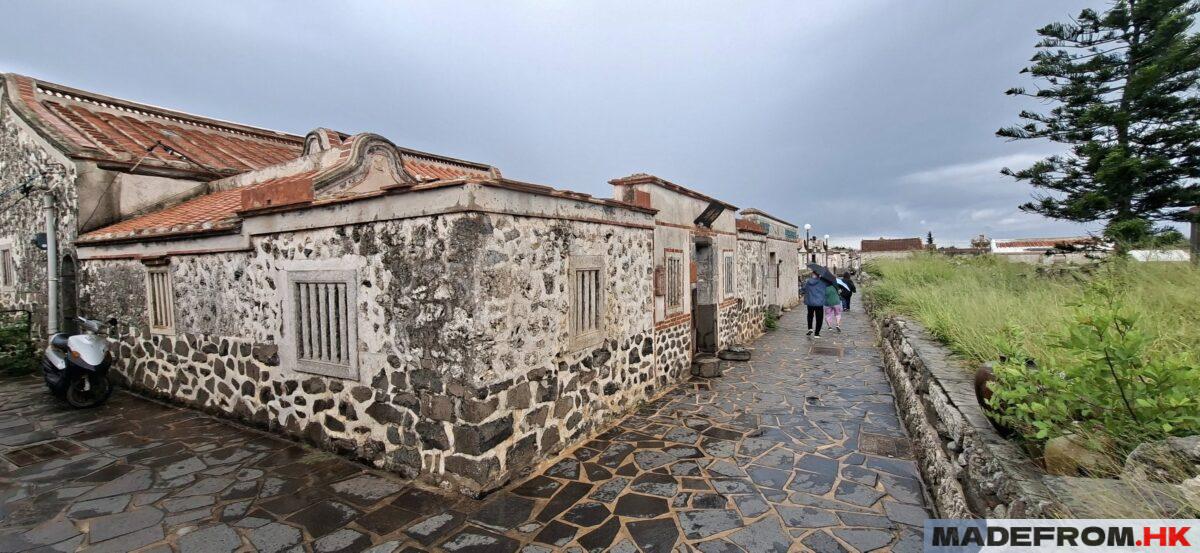
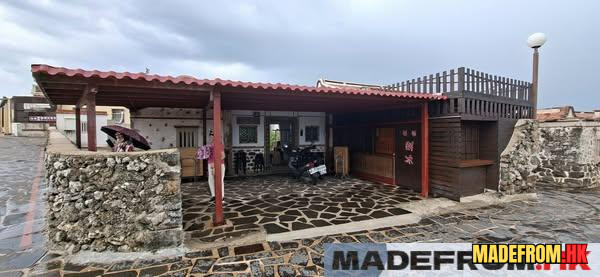
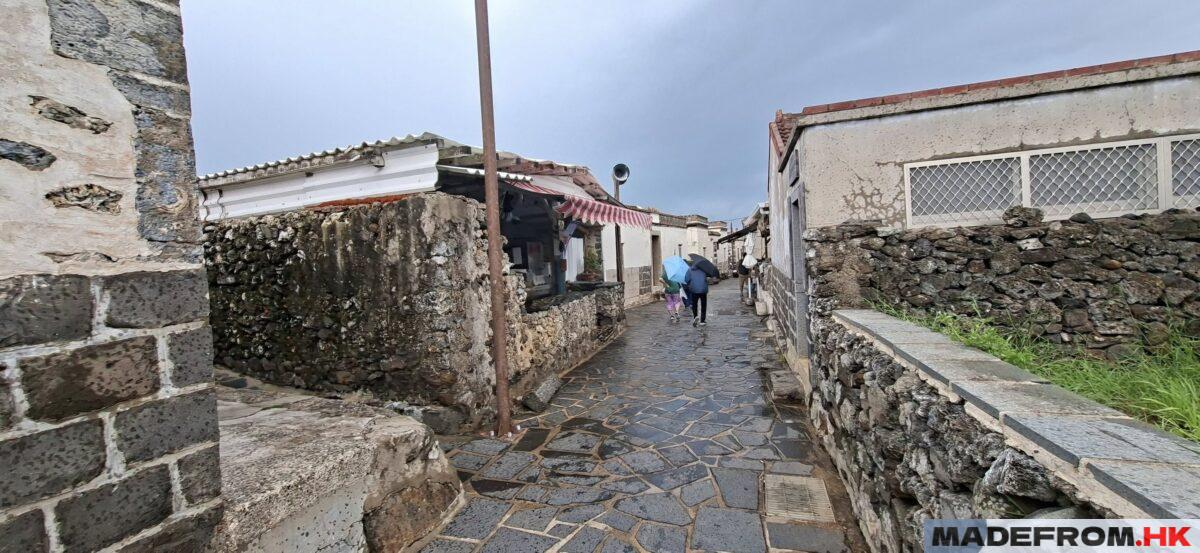
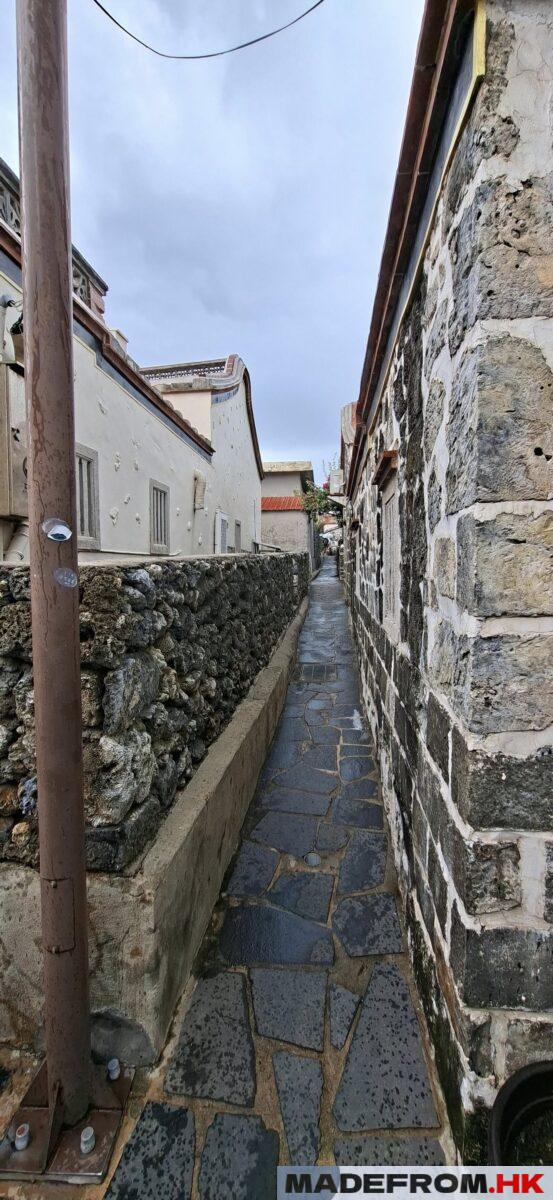
二茨聚落最吸引人的地方莫過於其傳統建築,這些石造房屋充分展現了澎湖地區特有的建築技術。由於澎湖多風且地勢平坦,居民採用堅固的玄武岩作為建材,以抵禦強風和海水侵蝕。漫步於二茨聚落,您可以感受到濃厚的地方特色,每一座石屋都像是在訴說一段歷史。
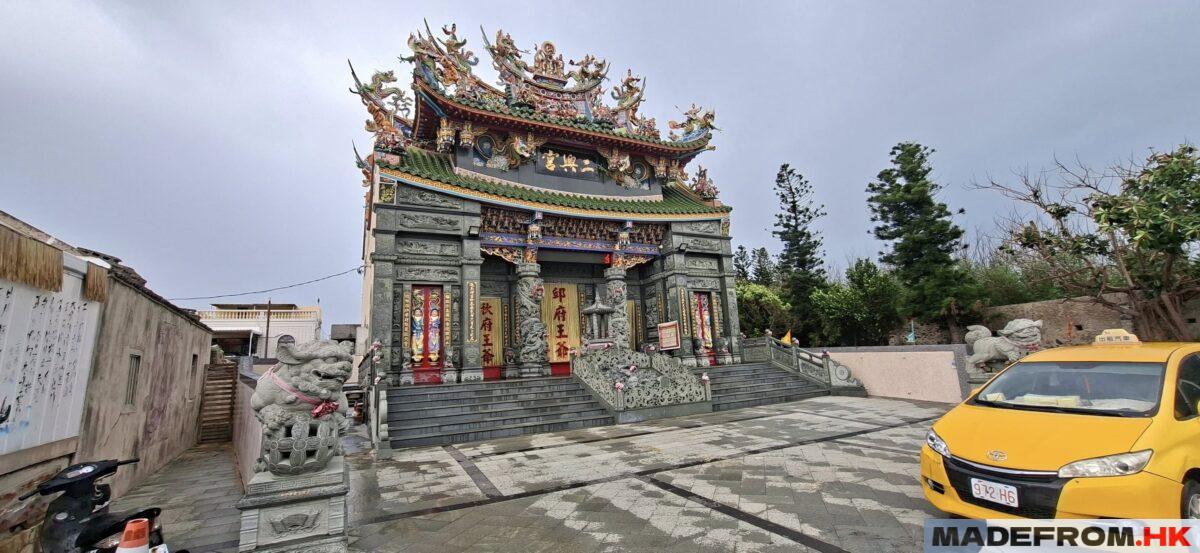
此外,聚落內還保存著多項民俗文化,如傳統祭祀活動和地方美食。當地居民至今仍然秉持著古老的生活方式,這使得二茨成為了解澎湖文化的重要窗口。
二茨聚落的現代意義
隨著時代變遷,二茨聚落逐漸成為澎湖旅遊的重要景點之一。地方政府和社區居民共同努力,致力於保護這片珍貴的文化遺產。如今,遊客不僅可以欣賞到傳統建築,還能參加各種文化活動,深入了解澎湖的歷史與生活方式。
English Version
Erkan Village is a remarkable cultural site in the Penghu archipelago, offering a rare and authentic glimpse into traditional island life shaped by environment, history, and community. Situated in Xiyu Township, this well-preserved settlement is widely recognized for its distinctive stone houses and its role in maintaining the architectural and cultural identity of Penghu. Unlike many modernized villages, Erkan retains a sense of continuity, where the past remains visible and tangible in everyday space.
The origins of Erkan Village can be traced back several centuries, when settlers from southern Fujian established communities across Penghu. These early inhabitants adapted to the island’s challenging conditions, including strong winds, limited vegetation, and scarce building materials. In response, they developed a unique architectural style using locally available resources such as coral stone and basalt. The resulting structures are not only durable but also well-suited to the climate, with thick walls and enclosed layouts providing protection against harsh coastal elements.
One of the defining features of Erkan Village is its cohesive architectural landscape. Rows of traditional houses, built with similar materials and techniques, create a unified visual identity. The use of coral stone gives the buildings a textured, organic appearance, while wooden doors, tiled roofs, and decorative details reflect influences from Minnan culture. Walking through the narrow lanes, visitors can observe how each structure contributes to a larger spatial narrative, forming a village that feels both structured and lived-in.
The preservation of Erkan Village is the result of deliberate conservation efforts. Recognizing its cultural value, authorities and local communities have worked together to maintain the original layout and architectural integrity. Restoration projects focus on repairing rather than replacing, ensuring that traditional methods and materials continue to be used. This approach not only protects the physical structures but also preserves the knowledge and craftsmanship associated with them.
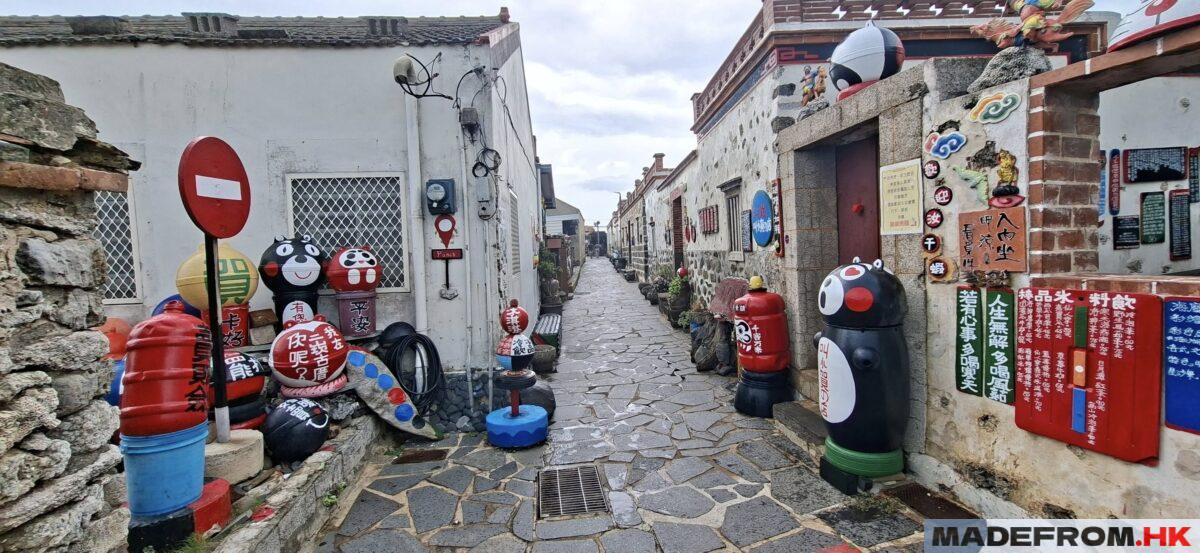
Beyond architecture, Erkan Village is rich in cultural practices and local traditions. Small shops and workshops within the village often showcase traditional crafts, foods, and daily activities that reflect the heritage of the community. Visitors can experience aspects of local life, from handmade goods to regional snacks, gaining insight into how cultural identity is expressed through everyday practices.
The village also serves as an educational space, offering opportunities to learn about Penghu’s history, migration patterns, and environmental adaptation. Informational displays and guided tours help contextualize the site, making it accessible to both casual visitors and those interested in deeper cultural exploration. This educational dimension reinforces the importance of preserving not just buildings, but also the stories and knowledge they represent.
Erkan Village’s atmosphere is defined by its sense of stillness and continuity. Unlike more commercialized tourist destinations, it maintains a slower pace, allowing visitors to engage with the environment in a reflective way. The interplay of light and shadow across stone walls, the sound of wind moving through narrow alleys, and the subtle details of craftsmanship all contribute to an immersive experience.
At the same time, the village faces challenges related to tourism and sustainability. Balancing preservation with accessibility requires careful management to prevent over-commercialization and structural damage. Efforts to promote responsible tourism emphasize respect for the site, encouraging visitors to appreciate its cultural significance while minimizing impact.
Ultimately, Erkan Village stands as a testament to resilience and adaptation. It reflects how communities can respond to environmental constraints with creativity and ingenuity, creating spaces that endure across generations. Through its architecture, traditions, and atmosphere, the village offers a meaningful connection to Penghu’s past while continuing to exist within the present.
結語
二茨聚落是一個將自然、歷史和文化完美融合的小社區,它不僅是澎湖居民的生活場域,更是台灣文化遺產的一部分。如果您計劃造訪澎湖,不妨抽空前往二茨聚落,親身感受這片土地所蘊含的魅力。這裡的一磚一瓦、一草一木,都在訴說著澎湖的故事。
Erkan Village preserves the essence of Penghu’s heritage, showcasing traditional architecture and cultural continuity within a living historical environment.