
大阪 JR 鐵路紀錄:轉乘秩序與日本城市系統的運作方式 | JR Railways in Osaka: Transfer Order and the Structure of Japan’s Urban System
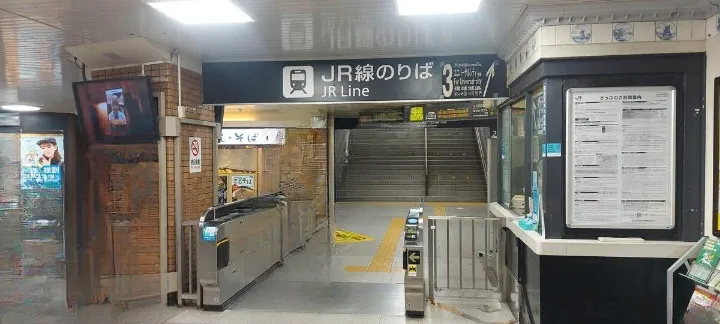
在 大阪,JR 鐵路系統不只是交通網絡,更是一種維持城市運作的秩序。從進站、轉乘到離開,每一個動作都在既定的節奏中進行,讓大量人流仍然保持流暢。
In Osaka, the Japan Railways Group system represents more than transportation — it reflects structure and order. From entry to transfer to exit, every movement unfolds within a coordinated rhythm that keeps the flow of people seamless.
中文版本
在城市之中,有些東西是看得見的。
也有一些,是被感受到的。
JR 鐵路的秩序,屬於後者。
當你進入車站,第一個感覺不是人多,而是「流動」。
人很多,但不混亂。
方向不同,但不衝突。
每一個人都在移動,但整體卻保持一種穩定的節奏。
這種秩序,不是來自單一規則。
而是來自整個系統。
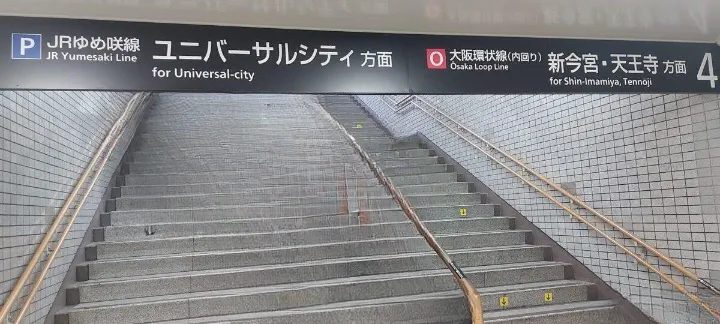
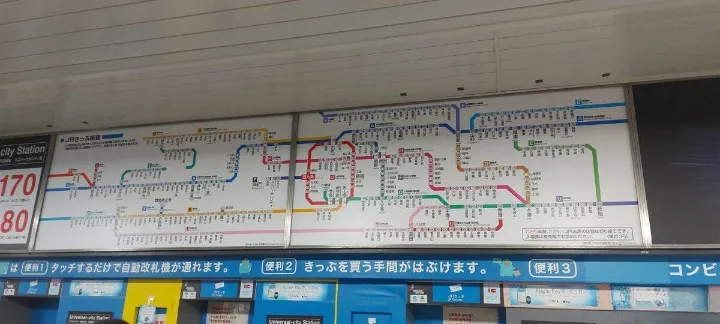
你會發現,指示清晰。
標示的位置、方向、距離,都經過設計。你不需要停下來思考太久,就能知道下一步應該往哪裡走。
這種「減少思考」的設計,是效率的一部分。
轉乘,是最明顯的地方。
不同月台之間,人流持續交錯。但因為動線被分開、方向被引導,整個過程幾乎沒有停滯。
你會自然地跟著流動。
不需要刻意學習,也不需要理解全部結構。只要跟著前方的人群與標示,你就能完成轉換。
這是一種「被系統接住」的感覺。
列車的到達與離開,也維持著這種節奏。
時間精準,停靠短暫,人們快速上下車,然後立即恢復流動。整個過程沒有多餘的停頓。
這不是速度。
而是準確。
車廂內,同樣延續這種秩序。
人與人之間保持距離,聲音被控制在低水平。每個人都在自己的空間之中,但又同時構成整體的一部分。
當你離開車站,回到城市表面,節奏開始鬆動。
方向變多,速度變化更大,人與人之間的距離也變得不規則。
這時候你才會意識到——
剛才那段秩序,是一種被設計出來的狀態。
JR,不只是鐵路。
而是一個讓城市持續運作的系統。
English Version
In a city, some systems are visible.
Others are experienced.
The order of JR railways belongs to the latter.
When you enter a station, the first impression is not the crowd, but the movement.
There are many people, yet no chaos.
Different directions, yet no collision.
Everyone is in motion, but the overall flow remains steady.
This order does not come from a single rule.
It emerges from the system as a whole.
Signage is clear.
Position, direction, distance — everything is designed to reduce hesitation. You rarely need to stop and think about where to go next.
This reduction of friction is part of efficiency.
Transfers reveal this most clearly.
Passenger flows intersect continuously between platforms, yet rarely slow down. Movement is guided, separated, and sustained.
You follow naturally.
You don’t need to fully understand the system — it carries you through.
There is a sense of being supported.
Train arrivals and departures follow the same principle.
Precise timing, brief stops, rapid boarding and alighting — movement resumes immediately. There is no excess.
This is not speed.
It is accuracy.
Inside the train, the order continues.
Passengers maintain space, voices remain low, and individual presence coexists within a shared environment.
When you exit the station, the structure loosens.
Movement becomes less predictable. Directions multiply. Distances shift.
And only then do you notice —
What you experienced was not incidental.
It was designed.
JR is not just a railway.
It is a system that sustains the city.