
大阪黑門市場:走進三平感受日本海鮮市場的空間、節奏與味道 | Kuromon Market, Osaka: A Sensory Journey Through Japan’s Iconic Food Market
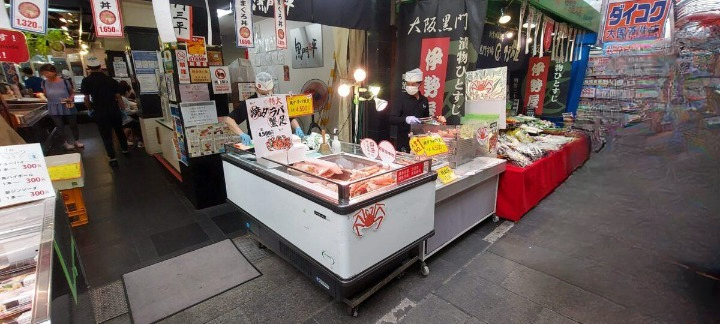
在 黑門市場,體驗並不來自單一食物,而是來自整個空間的流動。街道、人流與各種氣味交織,讓市場成為一個由視覺、聲音與味道共同構成的完整場景。
At Kuromon Market, the experience is not defined by a single dish, but by the space as a whole. Streets, people, and layered scents merge into a continuous environment shaped by movement, sound, and taste.
中文版本
黑門市場,並不是一個需要被介紹的地方。
你走進去,很快就會明白。
這裡沒有明確的開始。
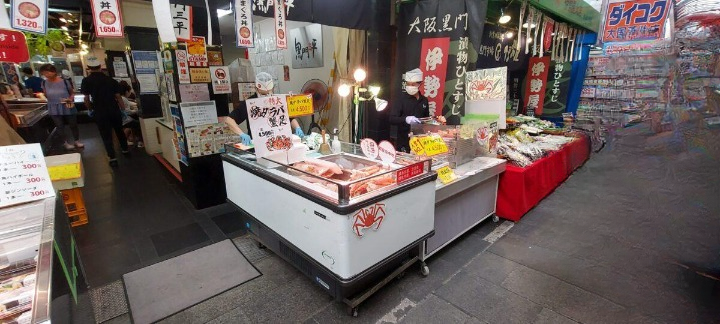
街道逐漸收窄,人流慢慢變密,聲音與氣味開始交錯。你不是踏入一個景點,而是進入一個已經在運作的空間。
這是一個持續流動的場景。
你會先感覺到空間。
通道不寬,兩側的攤位貼近行走的路徑。視線被壓縮,距離被拉近,每一步都與周圍的事物產生關係。你不再只是觀看,而是被包圍。
然後,是節奏。
人群前進、停下、再前進。聲音層層疊加,卻形成一種穩定的流動。你在其中移動,不需要刻意選擇方向,只是跟隨。
接著,是味道。
它不是單一的。
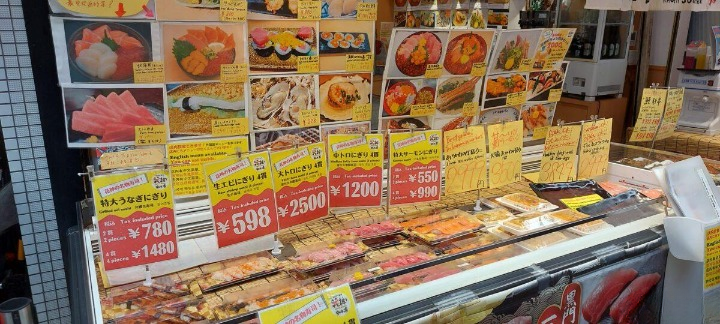
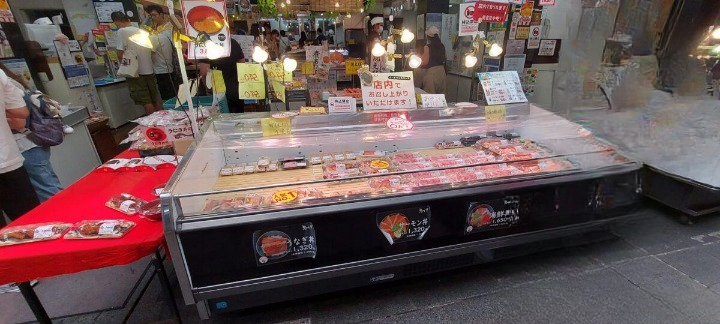
海鮮、燒烤、湯的熱氣、生食的氣息,在空氣中交錯。你無法分開它們,只能同時感受到整個市場。
在這個空間裡,每一種食物都代表一種不同的體驗。
有些是即時的。
章魚燒在鐵板上翻動,從液體變成形體,在幾分鐘之內完成。你看著它被製作,然後立即入口。
有些是強烈的。
牛肉在火焰之中快速變化,油脂與聲音同時出現。那是一種短暫而集中的衝擊。
有些是安靜的。
關東煮在湯中浸泡,時間變得緩慢。蒸氣上升,讓整個空間出現一個短暫的停頓。
有些是細緻的。
海膽柔軟而低調,味道不張揚,卻在口中慢慢展開。
有些則帶著距離。
河豚的存在讓人先觀察,再決定是否接近。它不只是食物,而是一種需要理解的存在。
還有一些,是來自另一個環境。
生蠔帶著海的氣息,讓人短暫離開市場的節奏,進入另一種感覺。
這些體驗,並不是分開的。
它們在同一個空間中同時發生。
你一邊行走,一邊轉換。
從熱到冷,從強烈到細緻,從觀看到參與。這些變化沒有明確的界線,卻構成了一段完整的旅程。
當你走出黑門市場,空間突然變得開闊。
聲音減少,氣味消散,人流不再那麼密集。
你才會意識到,剛才那段經歷並不只是「逛市場」。
而是一種被感官組成的體驗。
黑門市場,不只是地方。
而是一個持續發生的世界。
English Version
Kuromon Market does not require introduction.
Once you step inside, the experience begins immediately.
There is no clear starting point.
The street narrows, density increases, and layers of sound and scent begin to overlap. You are not entering a destination — you are entering a system already in motion.
It is a continuous environment.
First, you notice the space.
The pathway is narrow, stalls line both sides closely, and your field of vision compresses. Every step brings you into contact with something — food, people, movement.
You are not observing.
You are within it.
Then comes the rhythm.
People move, pause, shift, and continue. Sound builds in layers, yet forms a steady flow. You don’t choose direction — you follow it.
And then, the taste.
Not one, but many.
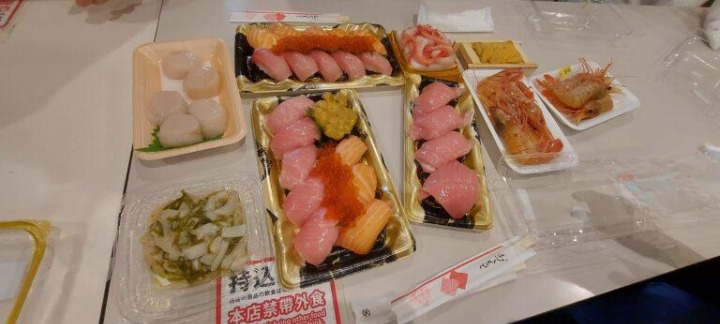
Seafood, grilled dishes, simmered broths, raw elements — all coexist in the same air. You don’t separate them; you experience them together.
Within this space, each type of food represents a different mode of experience.
Some are immediate.
Takoyaki transforms quickly, from liquid to form, consumed within minutes.
Some are intense.
Wagyu sears over flame, creating a brief yet powerful sensory impact.
Some are quiet.
Oden simmers gently, slowing time through heat and stillness.
Some are subtle.
Sea urchin unfolds softly, its flavor gradual and restrained.
Some create distance.
Fugu invites hesitation, requiring awareness before engagement.
And some bring another environment entirely.
Oysters carry the presence of the sea, momentarily shifting you away from the market’s rhythm.
These experiences are not separate.
They exist simultaneously.
As you move, you transition.
From heat to coolness, from intensity to subtlety, from observation to participation. These shifts form a continuous journey without clear boundaries.
When you step out, the contrast is immediate.
Space opens. Sound fades. Movement becomes easier.
Only then do you realize — this was never just a market visit.
It was an experience constructed through the senses.
Kuromon Market is not just a place.
It is an environment in motion.