
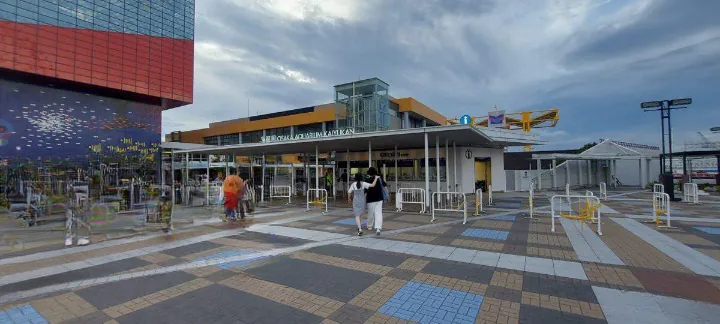
大阪海遊館深海探索之旅:走進世界級水族館的沉浸式海洋體驗 |Osaka Aquarium Kaiyukan: An Immersive Deep Sea Journey in One of Japan’s Greatest Aquariums | 旅行誌
走進 大阪海遊館,彷彿不是進入一座建築,而是慢慢潛入海洋深處。光線由明轉暗,水的節奏取代城市的聲音,每一層展區都像一段海洋的記憶。這裡不是單純觀賞動物的地方,而是一場由空間與時間構成的旅程,帶你一步步貼近深海的寧靜與廣闊。
Entering Osaka Aquarium Kaiyukan feels less like stepping into a building and more like descending into the ocean itself. Light fades, sound softens, and movement begins to follow the rhythm of water rather than the city. Each level unfolds like a layer of the sea, guiding you deeper into a world that is both distant and quietly familiar.
中文
有一種安靜,是在進入海遊館之後才會出現的。
不是完全沒有聲音,而是城市的節奏被慢慢抽離,取而代之的是水的流動、光的變化,以及一種難以形容的緩慢感。你會不自覺地放慢腳步,開始用另一種方式去觀看。
海遊館的旅程,並不是直線前進的。
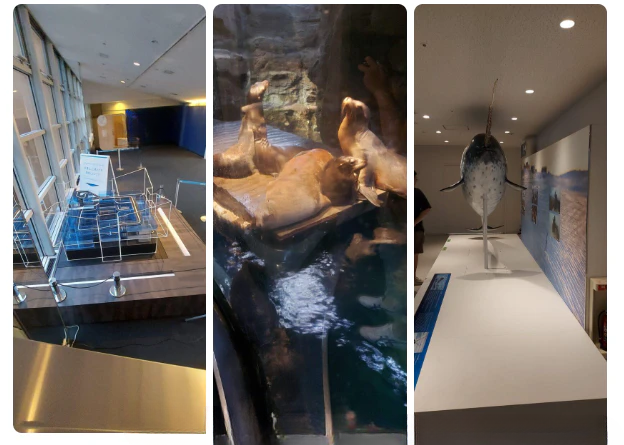
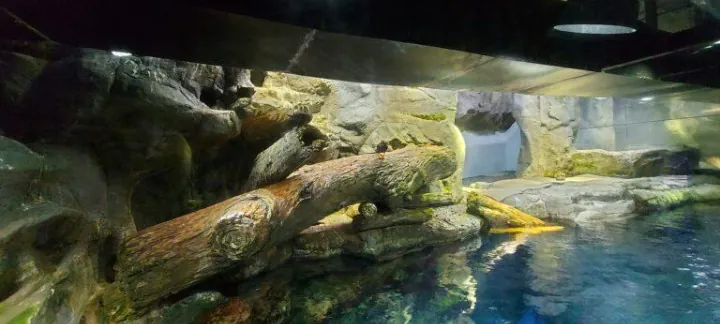
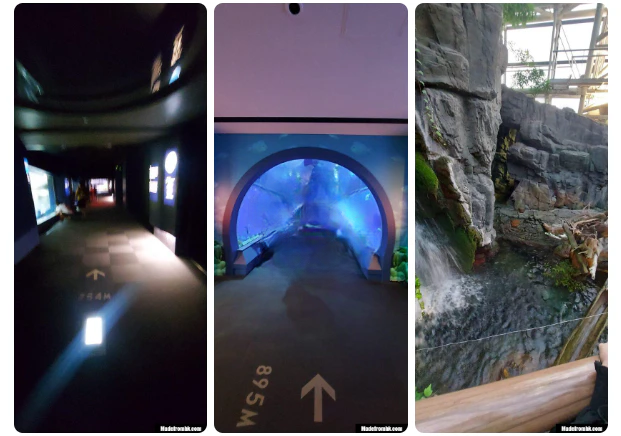
它從高處開始,像是站在海面之上,然後慢慢向下延伸。你沿著通道前行,看見不同地域的海洋樣貌——有些明亮、有些幽暗,有些充滿生命的躍動,有些則安靜得近乎靜止。這些片段不是分散的展示,而像是一個完整世界的預告。
然後,你開始下沉。
整個空間以一個巨大的中央水槽為核心,參觀的路徑圍繞著它緩緩向下延伸。每走一層,視角都在改變——從俯視,到平視,再到仰望。原本遙遠的生物,慢慢變得貼近;原本只是觀看,逐漸變成一種置身其中的感覺。
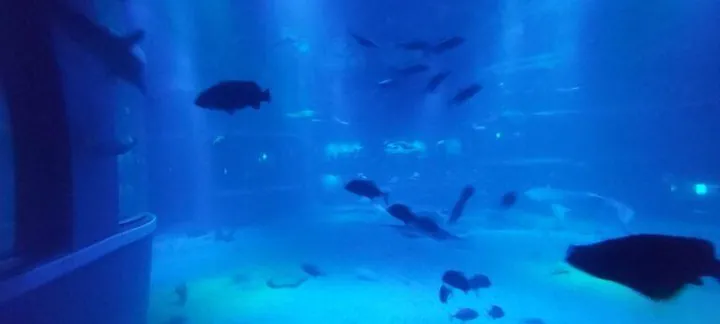
在那片象徵太平洋的巨大水域裡,時間幾乎停止。
鯨鯊緩慢地游過,沒有急促,也沒有方向的焦慮,只是一種穩定而持續的前行。牠的存在,讓整個空間都有了重量。周圍的魚群圍繞流動,像是無聲的秩序,在深藍之中維持著一種微妙的平衡。
你站在玻璃之外,卻像被包圍在其中。
沒有過多的解說,也不需要理解所有知識。這裡的重點從來不是「知道」,而是「感受」。你看著水,看著光,看著那些來自不同深度的生命,慢慢意識到海洋並不是一個單一的空間,而是一層一層堆疊出來的世界。
越往下走,光線越微弱。
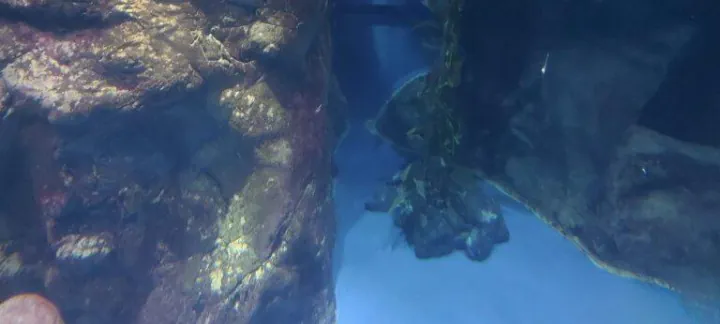
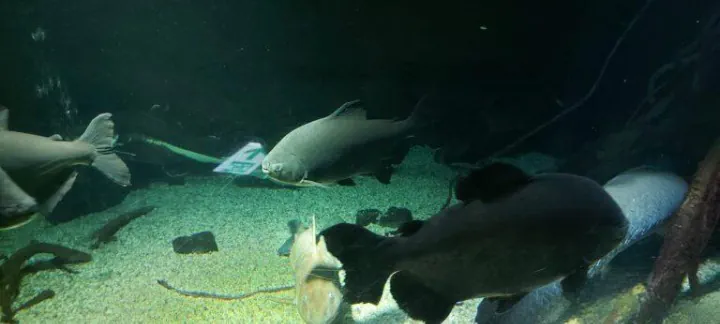
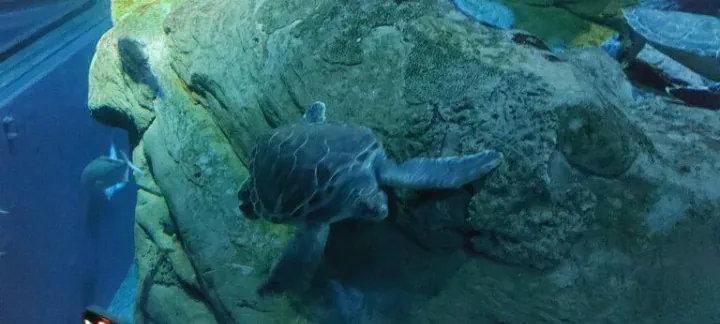
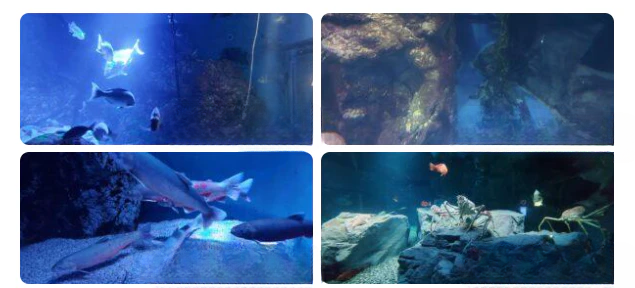
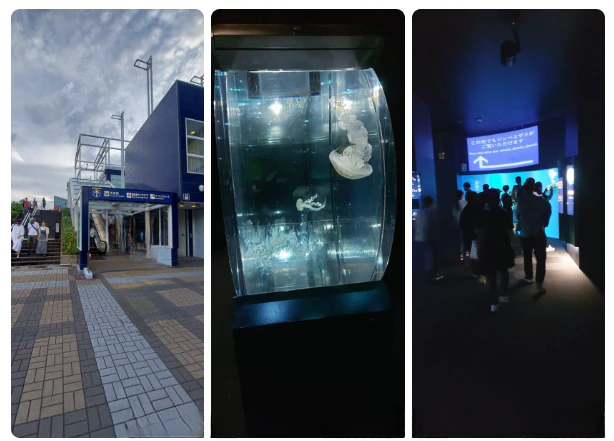
水色變得更深,甚至帶點寒意。水母在黑暗中漂浮,像是會呼吸的光。那些深海生物的形態開始變得陌生——牠們不是為了被觀看而存在,而是為了適應壓力與黑暗而進化。
這些畫面沒有強烈的刺激,卻讓人無法移開視線。
空間的節奏也在這裡變得重要。大型水槽之間,穿插著較小而安靜的展區,讓人有時間停下來,重新調整感官。這種節奏的安排,使整段旅程不會疲累,反而更容易沉浸其中。
當你走到最低層,路徑開始改變。
不再繼續下沉,而是慢慢回到水平,再逐漸向上。你再次看見那些熟悉的水域,但感覺已經不同。經歷過深處之後,原本的畫面似乎多了一層理解。
當你離開海遊館,回到現實的光線之中,會有一瞬間的不適應。
城市的聲音重新出現,人群的節奏再次加快。但某些東西仍然留在心裡——那種緩慢的流動、那片深藍的空間、那些安靜卻巨大的生命。
海遊館並不只是展示海洋。
它讓人短暫地離開陸地,進入另一種時間之中。

© MadeFrom.hk All rights reserved
English Version
There is a particular kind of quiet that only appears after you step inside.
Not silence, but a shift. The city fades — replaced by the subtle movement of water, the softness of filtered light, and a pace that feels almost suspended. Without noticing, you begin to slow down.
At Osaka Aquarium Kaiyukan, the journey does not move forward in a straight line.
It begins above, almost like standing at the surface of the sea, before gradually drawing you downward. Along the way, you encounter fragments of different marine worlds — some bright and lively, others dim and still. These are not separate exhibits, but pieces of a larger narrative quietly assembling itself.
And then, you descend.
The architecture revolves around a vast central tank, spiraling downward in wide, gentle turns. With each level, your perspective changes. What once felt distant moves closer. Observation becomes immersion.
In the great Pacific tank, time loosens its grip.
A whale shark glides through the deep blue with a calm that feels almost timeless. There is no urgency in its movement — only a steady, continuous presence. Around it, schools of fish drift in shifting formations, forming a quiet system of motion and balance.
You are outside the glass, yet somehow inside the moment.
There are explanations, of course, but they begin to feel secondary. What matters here is not information, but experience. Light, movement, scale — these become the language of the space.
As you move deeper, the environment changes again.
The light dims. The water darkens. Temperature becomes something you almost imagine rather than feel. Jellyfish drift like fragments of living light, while deep-sea creatures appear shaped by pressure and darkness rather than visibility.
Nothing here demands attention, yet everything holds it.
The rhythm of the space becomes clear — vast, immersive environments followed by smaller, quieter moments. This pacing allows you to reset, to observe more carefully, to stay present.
Eventually, the descent ends.
The path stabilizes, then begins to rise. You pass familiar scenes again, but something has shifted. After experiencing the depths, even the same water feels different — layered, more complex, more alive.
Stepping back into daylight feels almost abrupt.
Sound returns. Movement accelerates. The structure of the city closes in again. And yet, something remains — a slower rhythm, a deeper awareness, a memory of a world that exists just beyond everyday reach.
Osaka Aquarium Kaiyukan does not rely on spectacle alone.
It creates a journey — one that is gradual, immersive, and quietly transformative.
For a brief time, you are no longer just observing the ocean.
You are moving within it.