在香港山城的坡道之間,金文泰道靜靜延伸,連接繁忙都市與綠意邊界,其名字承載着一段殖民時代的人物記憶。
Set along the slopes of Hong Kong’s hillside, Clementi Road quietly links the dense city with its greener edges, carrying the legacy of a colonial figure within its name.
中文
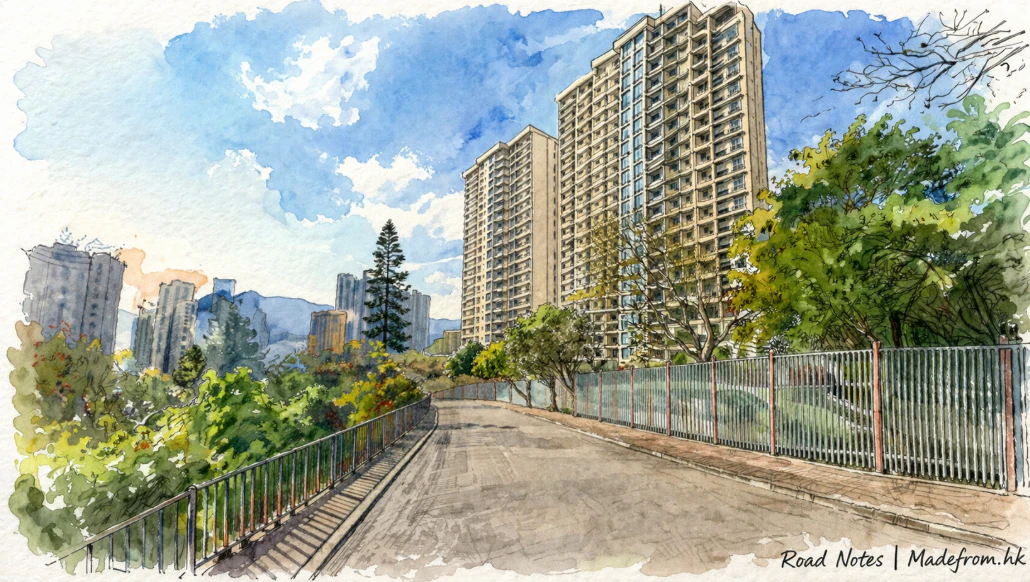
金文泰道(Clementi Road)位於香港島半山區一帶,是一條結合住宅、教育與自然環境的山坡道路,其名稱源自香港第17任總督金文泰爵士,他於1925年至1930年間出任總督,在任期間推動教育發展及中西文化交流,對香港社會產生一定影響,因此以其名字命名街道,是殖民時期常見的命名方式之一。金文泰道的形成與半山區的發展密不可分,早在19世紀末至20世紀初,隨著香港人口增長與城市擴展,半山逐漸成為居住區,特別是為中產及專業人士提供較為安靜與環境優越的居住空間,與中環的商業核心形成對比。金文泰道正是在這樣的背景下建立,作為連接不同高度與區域的重要道路,其坡道設計反映出香港獨特的山地城市結構。歷史上,半山區曾帶有明顯的社會分層,早期多為歐洲人及上層階級居住地,隨著時間推移,這種界線逐漸模糊,更多本地居民遷入,形成多元化社區,而金文泰道亦見證了這種轉變。進入20世紀中後期,香港經濟快速發展,住宅需求增加,半山區出現更多高層住宅與教育機構,金文泰道沿線逐漸形成以學校與住宅為主的環境,使其不僅是一條交通道路,也是一條日常生活與學習交織的空間。從城市變化角度來看,金文泰道反映了香港由殖民地社會轉變為現代都市的過程,過去以階級與族群劃分的居住模式逐漸被多元社會取代,而街道本身則成為這種轉變的見證者。街道特色方面,金文泰道具有典型半山道路特徵,道路蜿蜒且坡度明顯,兩旁多為住宅樓宇與綠化空間,部分位置可遠望城市景觀或山景,形成一種遠離喧囂的氛圍,與中環的高密度商業區形成強烈對比,亦帶來一種節奏較慢的生活感。沿線學校與住宅的存在,使街道在不同時間呈現不同面貌,白天有學生與居民活動,夜晚則相對寧靜。今日的金文泰道,不僅是一條功能性的山路,更是一段城市記憶的延續,它在現代化發展之中保留了某種過渡空間的特質,讓人於行走之間感受到城市與自然之間的平衡,也隱約記錄着香港歷史中關於權力、教育與生活方式的變遷。
English Version
Clementi Road, located in the Mid-Levels area of Hong Kong Island, is a hillside route that embodies a blend of residential calm, educational presence, and traces of colonial legacy. The road is named after Sir Cecil Clementi, the 17th Governor of Hong Kong, who served from 1925 to 1930 and played a significant role in promoting education and fostering cultural exchange between East and West. Naming streets after colonial administrators was a common practice, embedding governance and authority into the physical fabric of the city. The development of Clementi Road is closely tied to the growth of the Mid-Levels as a residential district. During the late 19th and early 20th centuries, as Hong Kong expanded, the area became a preferred living space for middle-class professionals and expatriates seeking distance from the crowded commercial center of Central. The road itself reflects the city’s mountainous geography, with its winding layout and varying elevations shaping both movement and experience. Historically, the Mid-Levels carried elements of social stratification, with European residents occupying higher ground, but over time, these divisions diminished as the area evolved into a more diverse community. Throughout the mid to late 20th century, Hong Kong’s rapid economic development increased demand for housing and infrastructure, leading to the construction of high-rise residential buildings and educational institutions along Clementi Road. This transformation reinforced the street’s dual identity as both a connector and a place of everyday life. From a broader perspective, Clementi Road mirrors Hong Kong’s transition from a colonial society defined by hierarchy to a modern, pluralistic city. Architecturally and spatially, the road is characterized by its sloping terrain, greenery, and a mix of residential and institutional structures, offering occasional views of the surrounding cityscape and hills. The atmosphere differs noticeably from the intensity of Central, presenting a quieter, more reflective environment. During the day, the presence of students and residents brings activity and rhythm, while evenings tend to be calmer and more subdued. Today, Clementi Road stands as more than a simple urban route—it is a subtle narrative of change, where layers of history, education, and daily life intersect within the evolving landscape of Hong Kong.