
【街道筆錄】摩羅街(貓街):香港古玩市場與殖民歷史的交匯點 | Lascar Row (Cat Street): Hong Kong’s Antique Market and Colonial Echoes
在上環一隅,摩羅街帶着一點神秘與懷舊氣味,從水手足跡到古玩攤檔,它像一段被時間翻閱過的頁面,靜靜展示舊香港的另一面。
Tucked within Sheung Wan, Lascar Row carries a quiet sense of nostalgia—once tied to sailors and trade, now lined with antiques, it feels like a page from Hong Kong’s past left gently open.
中文
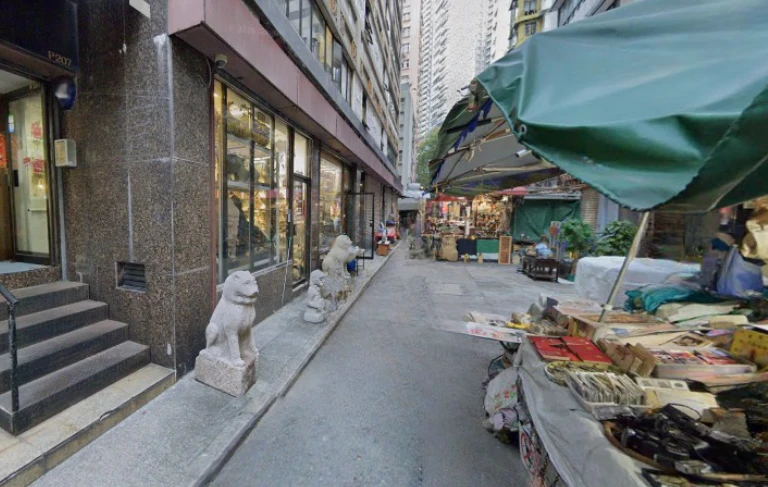
摩羅街(Lascar Row),又被稱為「貓街」,位於上環,是一條充滿歷史層次與文化記憶的街道,其名稱「Lascar」源於19世紀英國對南亞水手的稱呼,這些水手隨商船來往香港,並在此一帶聚集,形成早期的外來勞工社群,因此摩羅街的誕生與香港開埠後的海港貿易密切相關。這條街道在19世紀中後期逐漸發展,最初並非以古玩聞名,而是與碼頭活動及水手生活有關,周邊充滿臨時住宿、交易與各類生活設施,帶有強烈的流動性與邊緣性。隨着時間推移,尤其在20世紀初至中期,摩羅街開始轉型,逐漸形成以販售舊貨、古董與雜項物品為主的市場,吸引本地居民與收藏者,甚至出現大量被稱為「二手寶物」的物件,這些物品來歷各異,有些是真正古董,有些則帶有故事與想像空間,使整條街充滿一種真假交錯的魅力。「貓街」這個名稱的由來,據說與早年販賣贓物有關,買家需像貓般敏捷與謹慎,這種帶點傳說色彩的說法,進一步強化了摩羅街的神秘氣質。從城市變化角度看,摩羅街是一個成功轉型的例子,它由一個與海港勞工相關的邊緣地帶,轉變為文化與旅遊的重要節點,並與附近的荷李活道古董區形成互補關係。街道特色方面,摩羅街最吸引人的地方在於其開放式攤檔與密集排列的古玩店,販售範圍涵蓋瓷器、雕塑、舊照片、書畫及各類懷舊物件,營造出一種像露天博物館般的氛圍,同時亦帶有濃厚的市井氣息。今日的摩羅街,不僅是旅客尋寶與拍照的熱門地點,也是香港少數仍然保留傳統街市與文化交易氣氛的地方之一,它象徵着城市中那些不被完全規範的空間,讓歷史以碎片形式繼續存在,等待被發現與重新理解。
English Version
Lascar Row, commonly known as Cat Street, is located in Sheung Wan Hong Kong and represents one of the most culturally layered streets in Hong Kong, where fragments of history, trade, and storytelling converge. The name “Lascar” originates from the term used by the British in the 19th century to describe South Asian sailors who worked on trading ships and frequented Hong Kong’s port, forming early migrant communities in the area following the British colonization of Hong Kong. Initially, the street was closely tied to maritime activity, serving as a transient space filled with lodging, informal trade, and services catering to seafarers, giving it a dynamic yet marginal character within the colonial city. Over time, particularly during the early to mid-20th century, Lascar Row underwent a transformation, evolving into a marketplace for second-hand goods, antiques, and curiosities. This shift introduced a new identity, attracting collectors, locals, and eventually tourists, all drawn to the eclectic mix of objects that ranged from genuine antiques to items whose value lay more in their narrative than their authenticity. The nickname “Cat Street” is often linked to the sale of stolen goods in the past, suggesting that buyers needed to be as cautious and agile as cats—a story that adds a layer of intrigue and folklore to the street’s identity. From an urban transformation perspective, Lascar Row exemplifies adaptive reuse, transitioning from a peripheral maritime zone into a recognized cultural destination, complementing the nearby antique district along Hollywood Road. Its defining characteristics include open-air stalls, tightly arranged shops, and an ever-changing inventory of artifacts such as ceramics, figurines, vintage photographs, calligraphy, and memorabilia, creating an atmosphere that resembles an open-air museum infused with local street life. Today, Lascar Row continues to thrive as both a tourist attraction and a living cultural space, offering a rare glimpse into a form of urban life that resists full standardization. It stands as a reminder that within a highly modernized city, there are still places where history persists in fragments, waiting to be rediscovered and reinterpreted.