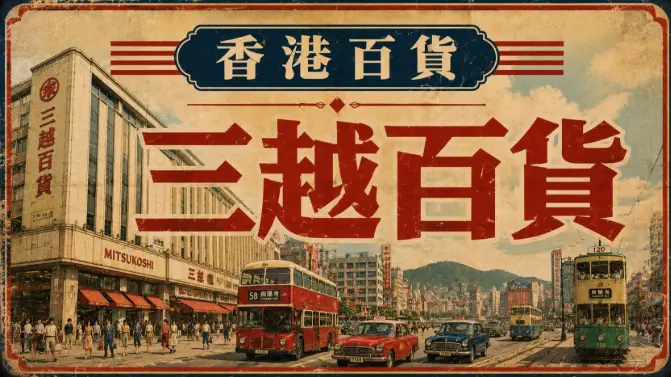
《香港百貨 002》香港三越百貨的黃金時代|銅鑼灣日式百貨傳奇與城市回憶 | The Golden Age of Mitsukoshi Hong Kong | The Japanese Department Store Legend of Causeway Bay
香港三越百貨曾是銅鑼灣最具代表性的日資百貨公司之一,承載著 1980 至 2000 年代香港人對日本時尚、美食與生活文化的集體記憶。從獅子像地標到日系潮流品牌,三越見證了香港消費文化最璀璨的年代。
For more than two decades, Mitsukoshi Hong Kong stood at the heart of Causeway Bay as one of the city’s most iconic Japanese department stores. Blending fashion, food, and lifestyle trends from Japan, it became a beloved destination that shaped the shopping memories of an entire generation.
中文
香港三越百貨(Mitsukoshi)於 1981 年 8 月 26 日正式進駐香港,旗艦店設於銅鑼灣軒尼詩道 500 號興利中心地庫、地下及一樓,即今日希慎廣場所在地。當時香港經濟高速增長,日本文化與日式生活風格亦開始大舉影響香港年輕一代,而三越百貨正是在這個背景下成為香港最具代表性的日資百貨公司之一。三越源自日本歷史悠久的百貨品牌,在日本被視為高級百貨代表,其進軍香港亦象徵當年日本企業對香港市場的高度重視。香港三越定位中高端市場,無論裝修設計、商品陳列、服務態度與品牌選擇,都充滿濃厚的日式精緻風格。對不少 1980 至 1990 年代的香港市民而言,前往銅鑼灣三越不單只是購物,更是一種接觸日本潮流文化與現代都市生活的體驗。當年香港仍未普及大型綜合商場,而三越以整潔明亮的空間、細緻服務與時尚商品迅速吸引大量消費者。商場內售賣各式日本進口商品,包括化妝品、時裝、精品、文具、家品及電器等,其中尤以年輕人熱愛的日系服裝最具人氣。1990 年代日本潮流文化席捲亞洲,香港三越更成為日系時尚的重要基地,引入大量當時備受追捧的日本品牌,例如 A Bathing Ape(BAPE)、Comme des Garçons、Zucca 等,吸引無數年輕潮人專程到銅鑼灣朝聖。許多香港年輕人首次接觸日本街頭文化與原宿時尚,正是從三越開始。除了潮流服飾外,三越地庫的日式超級市場亦是香港人的深刻回憶之一。當年香港仍未普遍引入高級日本食品,而三越超市則率先售賣日本進口水果、刺身、壽司、便當、零食及和菓子等高級食品。許多家庭會特地前往購買日本蜜瓜、北海道海產及季節限定甜品,令三越成為高品質日式生活的象徵。其美食廣場亦聚集多間日式食店,在當年屬於非常新穎的飲食文化體驗。香港三越另一個最令人難忘的標誌,就是位於正門的獅子像。這對獅子像承襲日本三越百貨總店的傳統設計,成為銅鑼灣最著名的等候地標之一。無論朋友聚會、情侶約會,甚至家庭相約,「三越獅子前等」幾乎成為一代香港人的共同語言。在沒有智能手機與即時通訊的年代,這對獅子像見證了無數香港人的青春回憶。隨著香港零售市場競爭加劇,加上日本泡沫經濟爆破後日資企業策略調整,香港三越亦開始面對經營壓力。1995 年,三越曾於尖沙咀廣東道新太陽廣場開設分店,希望進一步擴大市場版圖,但受亞洲金融風暴及租金壓力影響,分店最終於 1996 年底結業。不過,香港三越真正結束並非因經營不善,而是因城市重建計劃所致。2006 年,業主希慎興業決定重建興利中心,三越在租約期滿後於 9 月 17 日正式全線結業,結束長達 25 年的香港業務。消息公布後,不少香港市民特意前往店內拍照留念,懷念陪伴自己成長的百貨商場。當時不少傳媒更以「一個時代的終結」形容三越離場。其後興利中心被清拆重建,原址發展成今日的希慎廣場,並於 2012 年正式開幕。據報當時希慎曾考慮邀請三越回歸,但由於日本三越已與伊勢丹合併成「三越伊勢丹控股」,集團重新調整海外發展方向,最終未有重返原址。不過,「三越」這個名字並未完全消失於香港。踏入 2020 年代後,日本三越伊勢丹集團開始以較輕資產及 lifestyle 模式重新拓展海外市場。2024 年底,集團旗下全新概念品牌「MITSUI KOSHI FRESH/Mitsukoshi Select」正式進駐尖沙咀中港城,以精品超市及日式生活選物店形式重新回歸香港市場。雖然規模已不如昔日大型百貨公司,但對許多香港人而言,「三越」這個名字依然承載著一段屬於銅鑼灣黃金年代的集體回憶,也象徵著香港與日本流行文化交流最燦爛的時代。
English Version
When Mitsukoshi opened its flagship Hong Kong store in Causeway Bay on August 26, 1981, it introduced far more than Japanese retail into the city. It brought with it a refined lifestyle experience that blended fashion, hospitality, food culture, and urban sophistication at a time when Hong Kong was rapidly transforming into an international shopping capital. Located inside Hang Lung Centre on Hennessy Road, the department store quickly became one of the most recognizable Japanese retail landmarks in Hong Kong. During the 1980s and 1990s, Japanese culture held enormous influence across Asia. From television dramas and pop music to fashion magazines and streetwear, Japanese trends shaped the tastes of an entire generation. Mitsukoshi became one of the main gateways through which Hong Kong consumers discovered Japanese lifestyle culture. Unlike many traditional local department stores of the era, Mitsukoshi emphasized elegant presentation, attentive customer service, carefully curated products, and a polished shopping environment inspired by Tokyo’s prestigious retail districts. Shoppers entered brightly lit floors filled with imported cosmetics, designer fashion, stationery, homeware, and premium Japanese products rarely found elsewhere in Hong Kong at the time. For young consumers especially, the store represented modernity and international style. During the 1990s, Mitsukoshi evolved into an important destination for Japanese fashion enthusiasts. The rise of Harajuku street culture and Japanese designer labels created a wave of excitement among Hong Kong youth, and Mitsukoshi responded by introducing sought-after brands such as A Bathing Ape, Comme des Garçons, and Zucca. Teenagers and trendsetters traveled to Causeway Bay specifically to explore the latest Japanese collections, making the store a cultural hotspot as much as a retail center. Equally memorable was the store’s Japanese supermarket located in the basement level. Long before Japanese gourmet culture became mainstream in Hong Kong, Mitsukoshi offered imported fruits, sushi, sashimi, bentos, confectionery, and seasonal delicacies that felt luxurious and exotic to local shoppers. Japanese melons, premium seafood, and beautifully packaged desserts became highly desirable products associated with quality and prestige. The food hall also introduced many Hong Kong residents to a more refined Japanese dining experience. Yet perhaps the most iconic symbol of Mitsukoshi Hong Kong was not found inside the store, but outside its entrance. The famous lion statues placed at the front doors became one of Causeway Bay’s best-known meeting points. Inspired by the traditional lions found at Mitsukoshi’s flagship stores in Japan, these statues became deeply woven into everyday urban life. In an era before smartphones and instant messaging, countless people arranged to meet “in front of the Mitsukoshi lions.” Friends gathered there before shopping trips, couples met there for dates, and families used it as a familiar landmark in the busy district. Over time, the lions became inseparable from the memory of Causeway Bay itself. Although Mitsukoshi remained popular for many years, changing market conditions gradually reshaped Hong Kong’s retail industry. Rising rents, stronger competition, and shifting Japanese corporate strategies after the collapse of Japan’s bubble economy placed pressure on overseas operations. In 1995, Mitsukoshi attempted expansion by opening another branch in Tsim Sha Tsui’s New Sun Plaza, but the store closed quickly after the Asian financial crisis affected regional retail spending. The final closure of Mitsukoshi Hong Kong, however, was not caused by poor business performance. In 2006, landlord Hysan Development announced plans to redevelop Hang Lung Centre, leading Mitsukoshi to close permanently on September 17 after 25 years in Hong Kong. The closure attracted widespread media attention, with many residents visiting the store one last time to take photographs and relive memories connected to the beloved department store. The original site was later transformed into today’s Hysan Place, which opened in 2012. Although there were discussions about inviting Mitsukoshi back, the company had already merged with Isetan to form the Mitsukoshi Isetan Group, leading to a shift in overseas business priorities. Still, the Mitsukoshi name never fully disappeared from Hong Kong. In the 2020s, the company returned through a new retail concept focused on lifestyle products and premium Japanese groceries. By late 2024, Mitsukoshi Select and MITSUI KOSHI FRESH opened at China Hong Kong City in Tsim Sha Tsui, reintroducing the brand to a new generation of shoppers. While the scale may differ from the grand department store era, Mitsukoshi continues to represent a nostalgic chapter in Hong Kong history — one defined by Japanese fashion, elegant retail culture, and the unforgettable atmosphere of Causeway Bay’s golden shopping age.
總結
香港三越百貨不只是日資百貨公司,更是香港人認識日本潮流文化的重要窗口。從銅鑼灣獅子像到日系時裝與精品美食,它承載了整整一代人的城市回憶與青春歲月。
Mitsukoshi Hong Kong was more than a shopping destination. It symbolized an era when Japanese culture reshaped the city’s lifestyle, fashion, and consumer identity, leaving behind memories that still resonate deeply with many Hong Kong people today.