
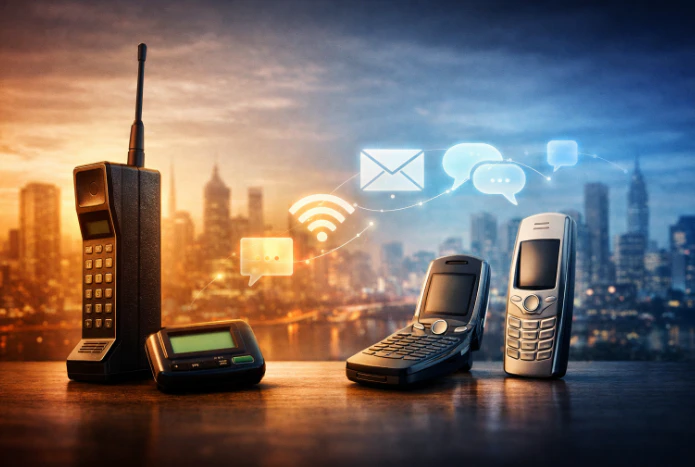
《生活與科技 II 006》Nokia黃金年代與手機普及革命 | The Golden Age of Nokia and Mobile Expansion
功能機時代是手機由奢侈品走向大眾化的關鍵階段,以Nokia為代表的品牌主導市場,耐用、長續航與簡單功能改變了全球通訊方式,建立現代手機文化基礎。
The feature phone era marked the transition of mobile phones from luxury items to everyday essentials. Led by Nokia, devices became durable, long-lasting, and accessible, shaping global communication habits and laying the foundation for modern mobile culture.
第二階段的手機發展,被普遍稱為功能機時代,而這個時代的核心象徵,無疑是Nokia的崛起與統治。當手機逐漸從「大哥大」的高價身份象徵轉向更親民的通訊工具,Nokia憑藉穩定的技術、優秀的工業設計與極高的耐用度,迅速佔據全球市場,成為幾乎每個人手中都可能出現的品牌。這一時期的手機不再只是打電話,更開始加入實用與娛樂並存的功能,例如SMS短訊、貪食蛇遊戲、鬧鐘、通訊錄與基本上網能力,讓手機成為日常生活的一部分。特別是SMS的普及,徹底改變了人與人之間的溝通節奏,簡短而即時的文字交流開始取代部分語音通話,形成一種全新的社交文化,而這亦為日後即時通訊應用鋪路。Nokia推出的多款經典型號,如3310與1100,不但以「摔不壞」的耐用神話聞名,更因其超長待機時間與直覺操作,成為跨世代用戶的共同記憶。這些手機沒有觸控螢幕,依賴實體鍵盤操作,但正因如此,使用者在盲打與快速輸入上反而建立出一種獨特的熟練感。與此同時,手機外觀設計也開始多樣化,彩色外殼、可更換面板與個人化鈴聲成為潮流,手機不再只是工具,更成為個人風格的延伸。值得注意的是,功能機時代的成功關鍵在於「簡單而可靠」,系統穩定、操作清晰、電池耐用,這些特質讓手機真正進入普羅大眾生活,而不是少數人的專利。另一方面,這一時期也見證了全球通訊基礎建設的快速擴展,GSM網絡的普及讓跨國通訊變得更加容易,手機逐漸成為全球化社會的重要連結工具。儘管後來智慧型手機興起改變了整個產業格局,但功能機時代所建立的使用習慣、設計理念與市場基礎,仍深深影響著今日的科技發展,可以說,沒有Nokia的黃金年代,就不會有今天無所不在的手機世界。
English Version
The second phase of mobile phone development is widely known as the feature phone era, and at the heart of this period stands the dominance of Nokia. As mobile devices transitioned from luxury symbols into accessible communication tools, Nokia rose rapidly by offering reliable technology, thoughtful industrial design, and exceptional durability. During this era, mobile phones evolved beyond simple voice calls to include practical and entertainment features such as SMS messaging, the iconic Snake game, alarms, contact lists, and even early internet capabilities, making them an integral part of daily life. The widespread adoption of SMS fundamentally transformed communication patterns, enabling short, instant text exchanges that gradually replaced some voice interactions and established a new social norm, paving the way for future messaging platforms. Nokia’s legendary models, including the 3310 and 1100, became cultural icons not only because of their near-indestructible build quality but also due to their long battery life and user-friendly interfaces, appealing to users across generations. Unlike modern touchscreen devices, these phones relied on physical keypads, which fostered a unique tactile familiarity and efficiency in typing. At the same time, personalization became an emerging trend, with interchangeable covers, colorful designs, and custom ringtones allowing users to express individuality through their devices. The success of the feature phone era was rooted in its core philosophy: simplicity and reliability. Stable systems, intuitive interfaces, and long-lasting batteries ensured that mobile phones were no longer limited to a privileged few but became essential tools for the masses. Additionally, this period coincided with the rapid expansion of global telecommunications infrastructure, particularly the spread of GSM networks, which made international communication more accessible than ever before. Although the rise of smartphones eventually reshaped the industry, the habits, design principles, and market foundations established during the feature phone era continue to influence modern technology. Without the golden age led by Nokia, the ubiquitous mobile ecosystem we experience today might never have come into existence.