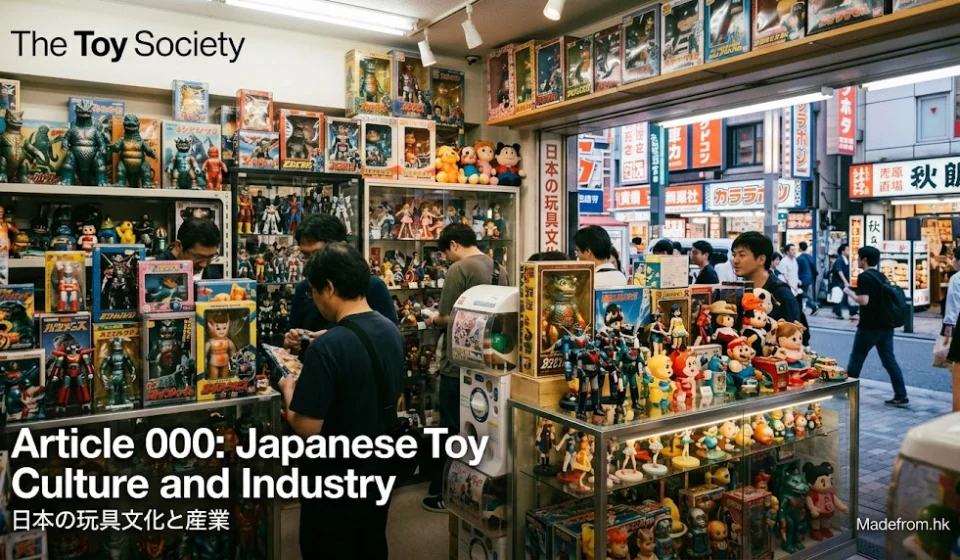
From traditional wooden dolls to robot models and collectible figures, Japan’s toy industry brings together craftsmanship, technology and popular culture. Discover how these influences have shaped a market where toys can be more than playthings — they can become lasting cultural icons.
Content
More Than Just Toys
In Japan, toys occupy a place that extends well beyond childhood entertainment. They reflect changing lifestyles, cultural traditions and advances in design and technology. A traditional wooden doll, an educational toy and a detailed robot model may appear to have little in common, yet each offers a different way for people to learn, play, express themselves and connect with the world around them. This diversity has helped create a toy culture that appeals to children, teenagers and adults alike.
Understanding the Market
One of the defining features of the toy industry is its ability to serve different audiences. Products for young children often focus on learning through colour, shape and movement, while construction kits and robot models encourage older users to experiment and develop practical skills. For adult collectors, the appeal may lie in intricate designs, limited editions or figures inspired by familiar characters. These groups are not necessarily separate: a toy discovered in childhood can remain a source of interest decades later. Understanding this relationship between age, interests and personal experience is important for companies seeking to build lasting connections with consumers.
Building Brands That Last
The success of a toy brand depends on more than a popular product. Consistent quality, recognisable design and the ability to evolve without losing an established identity can all help maintain consumer interest. Bandai’s Gundam model kits, known as Gunpla, offer a notable example. Since the original Mobile Suit Gundam television series debuted in 1979, the franchise has developed an extensive model-building culture, with kits offering different levels of complexity and opportunities for customisation. New releases allow enthusiasts to explore fresh designs while remaining part of a familiar world. This combination of continuity and change can encourage collectors to return to a brand over many years.
The Emotional Value of Play
Toys can hold memories that outlast their original purpose. A childhood toy may recall family life, friendships or a particular moment in someone’s past. For adults who collect figures or build models, the experience can be about more than owning an object: it may offer a connection to a favourite story, a sense of achievement or an opportunity to rediscover an earlier interest. Some toys also bring generations together, as parents introduce their childhood favourites to their children. Their value, therefore, cannot always be measured by price or function alone. Personal memories and emotional connections can be just as significant.
Craftsmanship and Attention to Detail
Careful design and attention to detail are important qualities in many Japanese toys, from traditional handmade objects to modern model kits. The experience of building a model, for instance, involves more than assembling individual parts. It can require patience, concentration, spatial awareness and decisions about finishing and customisation. The finished model becomes both a product and a record of the builder’s effort. Such qualities help explain why some toys remain engaging long after purchase. Craftsmanship is not unique to Japan, but the industry provides examples of how thoughtful design, technical skill and continuous refinement can contribute to a product’s appeal.
Tradition Meets Popular Culture
Japan’s toy culture draws on both regional traditions and contemporary entertainment. Kokeshi, the traditional wooden dolls associated with different regions of Japan, reflect local craft practices through their distinctive shapes and painted designs. At the other end of the spectrum, products inspired by anime, manga, video games and films allow fans to bring fictional characters into their everyday lives. Although these products differ in origin and purpose, both show how toys can communicate cultural meaning. Traditional designs help preserve established craft traditions, while modern character products create new ways for audiences to express their interests and share experiences.
The Power of Storytelling
The relationship between toys and storytelling has become an important part of the modern entertainment market. A character may first appear in an animated series, comic, video game or film before being developed into a figure or model kit. These products allow audiences to explore a fictional world beyond the original story. Fans may watch a series, collect figures and build models inspired by the same characters, creating a deeper connection with the material. For businesses, this can open opportunities across different product categories. However, a well-known character alone does not guarantee success: design, quality, pricing and an understanding of the audience remain essential.
Competing in a Global Market
Japanese toy companies operate in an international market shaped by changing consumer tastes, new technologies and competition from businesses around the world. Overseas retailers, international exhibitions, online communities and collaborations with entertainment brands can introduce products to new audiences. Digital platforms also allow collectors to exchange information, share building techniques and discover new releases across national borders. Yet international expansion brings challenges, including different pricing expectations, distribution costs, product regulations and cultural preferences. Companies must therefore balance the identity that makes their products distinctive with the flexibility needed to serve different markets.
Safety, Standards and the Future
Creative design and strong branding are only part of a sustainable toy industry. Product safety, manufacturing quality and consumer confidence are equally important, particularly for toys intended for young children. Manufacturers must consider age suitability, materials and potential hazards while meeting the relevant requirements in the markets where their products are sold. Environmental considerations also matter, from packaging and material choices to product durability. As consumer expectations change, the industry faces the continuing challenge of combining creativity and commercial development with responsible production. These concerns are not unique to Japan, but they are essential to the long-term health of the global toy market.
Conclusion
Japanese toy culture shows how tradition, craftsmanship, storytelling and innovation can work together to create lasting value. Toys can inspire creativity, preserve memories and connect generations, while successful brands continue to adapt to changing audiences. Beyond entertainment, they remain an important expression of culture and human imagination.
The Toy Society | Madefrom.hk