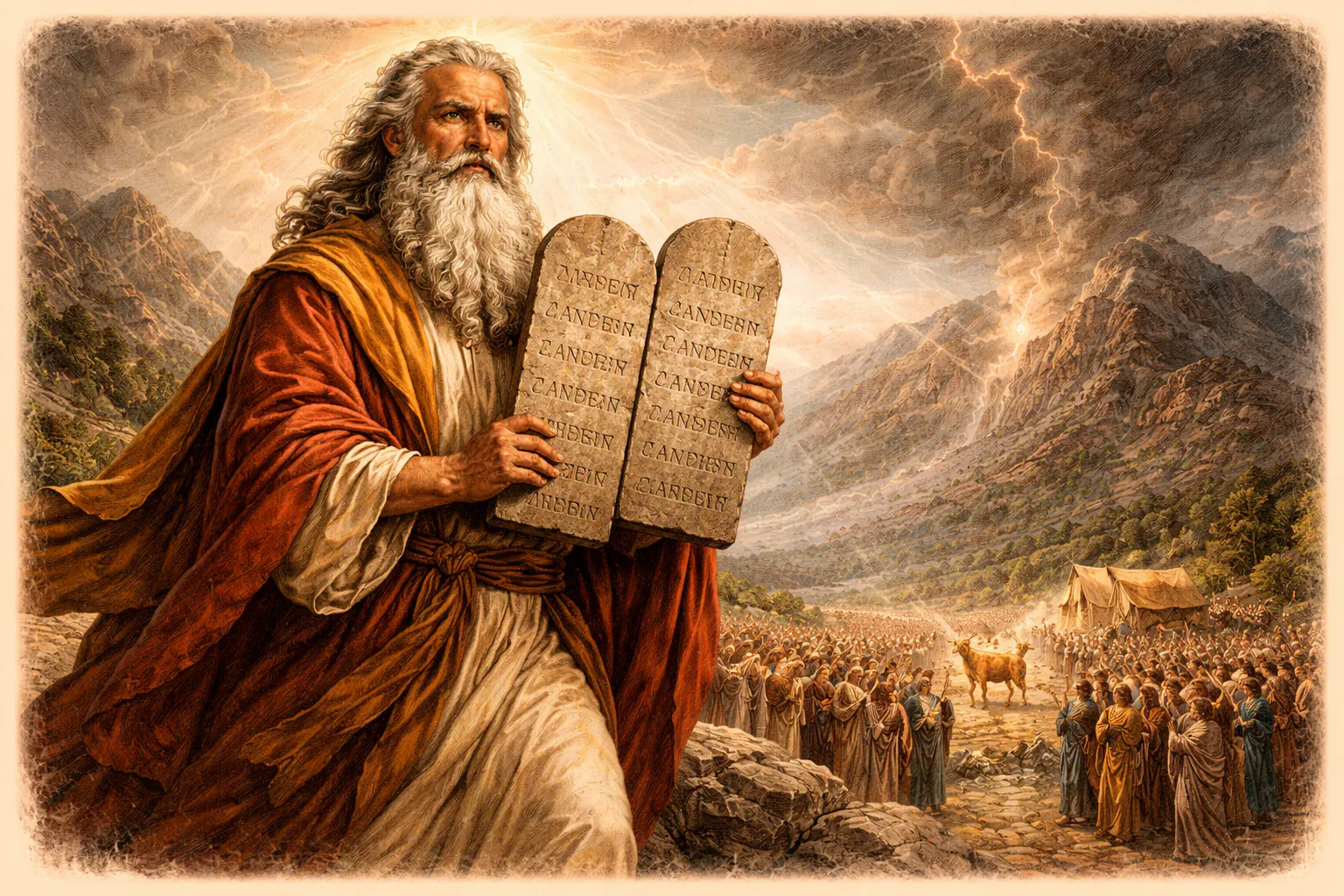
摩西(Moses)是《聖經》記載中最重要的先知與民族領袖之一,被猶太教、基督教與伊斯蘭教共同尊崇。根據《出埃及記》的記載,他帶領以色列人離開埃及奴役,穿越紅海,並在西奈山領受上帝頒布的「十誡」。摩西不僅被視為以色列民族的解放者,也是猶太律法的建立者。他的故事象徵信仰、自由與民族精神,對西方宗教、文化與法律思想產生深遠影響。
Moses is one of the most significant figures in religious history, revered as a prophet and lawgiver in Judaism, Christianity, and Islam. Traditionally dated to the 13th century BCE, he is best known for leading the Israelites out of slavery in Egypt in the event known as the Exodus. According to biblical tradition, Moses received the Ten Commandments from God on Mount Sinai, establishing a moral and legal foundation that has influenced civilizations for millennia. His life story, marked by faith, leadership, and divine encounters, continues to inspire religious thought and ethical reflection across cultures and generations.
在人類宗教與文化歷史中,摩西是一位極具象徵意義的人物。他的故事不僅構成猶太民族歷史的重要部分,也深刻影響基督教與伊斯蘭教的宗教傳統。作為一位先知與領袖,摩西在《聖經》中被描繪為帶領以色列人脫離奴役、建立民族律法的重要人物。
根據《聖經》的記載,摩西生活在古代埃及時期。當時,以色列人的祖先因饑荒來到埃及居住,但隨著時間推移,他們逐漸成為被壓迫的奴隸。埃及法老擔心以色列人口增長會威脅政權,因此下令殺死所有新生的希伯來男嬰。
摩西的母親為了保護嬰兒,將他放入一個塗有瀝青的籃子中,順著尼羅河漂流。這個籃子後來被法老的女兒發現,她收養了這個孩子並將他取名為摩西。摩西因此在埃及王宮中長大,接受王室教育。
然而當他長大後,摩西逐漸意識到自己真正的民族身份。有一次,他看到埃及監工虐待一名希伯來奴隸,憤怒之下殺死了監工。事情被揭發後,摩西被迫逃離埃及,前往米甸地區生活。
在米甸,摩西成為牧羊人並組建家庭。根據《聖經》記載,在一次牧羊時,他看見一棵燃燒卻沒有被燒毀的荊棘叢。這個被稱為「燃燒的荊棘」的神蹟中,上帝向摩西顯現,命令他回到埃及,帶領以色列人離開奴役。
起初摩西對這個使命感到猶豫,但最終接受了這項任務。他與兄長亞倫一起返回埃及,要求法老釋放以色列人。然而法老拒絕這一要求,於是根據《聖經》的記載,上帝降下十種災難,稱為「埃及十災」。
這些災難包括河水變血、青蛙氾濫、蝗蟲侵襲以及黑暗籠罩等,最終的一災是埃及長子的死亡。這一事件被稱為「逾越節」,因為以色列家庭在門框塗上羔羊的血,使災難越過他們的家庭。
在經歷這些災難後,法老終於同意讓以色列人離開埃及。摩西帶領大量人民踏上離開埃及的旅程,這一事件被稱為「出埃及」。然而不久之後,法老又改變主意,派軍隊追趕逃離的以色列人。
根據聖經記載,在紅海邊緣,以色列人面臨被埃及軍隊追上的危險。此時摩西舉起手杖,海水分開,使以色列人能夠穿越海底。當埃及軍隊追入海中時,海水重新合攏,淹沒了追兵。這個故事成為宗教歷史中最著名的神蹟之一。
離開埃及後,以色列人開始在沙漠中漂泊。這段旅程持續了四十年,期間他們面臨食物與水源的困難。聖經記載,上帝賜下「嗎哪」作為食物,並讓摩西從岩石中取出水源,幫助人民度過艱難時期。
在旅途中最重要的事件之一,是摩西在西奈山領受律法。根據傳統記載,上帝在山上向摩西頒布十條基本誡命,也就是著名的「十誡」。這些誡命包括敬拜唯一的上帝、尊敬父母、不殺人、不偷盜以及不可作假見證等原則。
十誡被視為猶太律法的重要基礎,也對西方倫理與法律思想產生深遠影響。摩西在西奈山停留四十天後,帶著刻有十誡的石版回到營地。
然而在他離開期間,以色列人因為不安而鑄造了一尊金牛犢並加以崇拜。摩西看到這一情況後極為憤怒,摔碎了石版。後來他再次登上西奈山,重新領受律法。
在接下來的歲月中,摩西繼續帶領人民在曠野中前行。他同時也是一位立法者與領袖,建立許多宗教與社會規範,使以色列民族逐漸形成共同的信仰與文化。
然而摩西本人並沒有進入應許之地。根據聖經記載,在接近迦南地時,上帝告訴摩西,他只能在山上遠望這片土地,而不能親自進入。最終,摩西在尼波山上去世,享年一百二十歲。
摩西去世後,由約書亞接替他的領導地位,帶領以色列人進入迦南地。儘管如此,摩西在猶太傳統中的地位仍然無可取代。
在猶太教中,摩西被視為最偉大的先知,是律法的傳遞者。在基督教傳統中,他象徵舊約律法與上帝的啟示。而在伊斯蘭教中,摩西同樣被尊稱為重要的先知之一。
無論從宗教還是文化角度來看,摩西的故事都具有深遠影響。他象徵自由與信仰,也代表民族從奴役走向解放的歷程。
在歷史與信仰交織的敘事中,摩西不僅是一位宗教人物,也是一個象徵性領袖。他的故事被無數文學、藝術與宗教儀式所傳頌,成為西方文明重要的精神來源之一。
English Version
Moses stands as one of the most profound and enduring figures in the history of religion, a leader, prophet, and lawgiver whose story has shaped the spiritual and moral foundations of multiple civilizations. Revered in Judaism, Christianity, and Islam, Moses is traditionally associated with the liberation of the Israelites from slavery in Egypt and the establishment of a covenantal relationship between God and His people. His life, as narrated in sacred texts, represents a powerful narrative of faith, leadership, struggle, and divine purpose.
According to biblical tradition, Moses was born during a time when the Israelites were enslaved in Egypt and subject to harsh oppression. Fearing the growing population of the Israelites, the Pharaoh ordered that all newborn Hebrew male children be killed. To save her son, Moses’s mother placed him in a basket and set him afloat on the Nile River. He was discovered and adopted by Pharaoh’s daughter, thus growing up within the Egyptian royal household while retaining a connection to his Hebrew identity.
As a young man, Moses became aware of the suffering of his people. In a moment of anger, he killed an Egyptian who was beating a Hebrew slave. Fearing retribution, Moses fled to the land of Midian, where he lived as a shepherd. It was during this period of exile that Moses encountered God in the form of a burning bush—a pivotal moment that transformed his life. In this encounter, God called Moses to return to Egypt and lead the Israelites out of bondage.
Reluctant at first, Moses eventually accepted his mission. He returned to Egypt and confronted Pharaoh, demanding the release of the Israelites. When Pharaoh refused, a series of divine plagues afflicted Egypt, demonstrating God’s power and compelling Pharaoh to relent. The final and most devastating plague led to the institution of Passover, a ritual commemorating the deliverance of the Israelites.
The Exodus itself is one of the most dramatic events in religious tradition. Moses led the Israelites out of Egypt, and according to the narrative, the Red Sea was miraculously parted to allow their escape, while the pursuing Egyptian forces were engulfed by the returning waters. This event symbolizes liberation and divine intervention, themes that resonate deeply within religious and cultural contexts.
Following their escape, the Israelites journeyed through the wilderness toward the Promised Land. During this time, Moses served not only as a leader but also as a mediator between God and the people. At Mount Sinai, he received the Ten Commandments, which form the core of the moral and legal code in the Hebrew Bible. These commandments address fundamental aspects of human conduct, including worship, ethics, and social responsibility.
Moses’s leadership was marked by both triumphs and challenges. He guided a diverse and often difficult community through hardship, uncertainty, and internal conflict. His role required patience, resilience, and unwavering faith. Despite his close relationship with God, Moses himself was not permitted to enter the Promised Land, a poignant conclusion that underscores the complexity of his story.
Beyond the biblical narrative, Moses’s influence extends into law, ethics, and cultural identity. The legal traditions associated with him have shaped religious and secular legal systems, while his story continues to inspire literature, art, and philosophy. He represents the archetype of a leader chosen to fulfill a divine mission, navigating the tension between human limitation and spiritual calling.
In historical and scholarly discussions, the figure of Moses is examined from various perspectives, including theological, literary, and archaeological viewpoints. While debates continue regarding the historical details of his life, his significance as a symbolic and spiritual figure remains unquestioned.
What makes Moses particularly compelling is the universality of his story. It speaks to themes of oppression and liberation, doubt and faith, law and morality—issues that remain relevant across time and culture. His journey from a reluctant leader to a central figure in religious history reflects the transformative power of purpose and belief.
Ultimately, Moses’s legacy lies in the enduring impact of his teachings and the narrative of Exodus, which has become a powerful symbol of hope and freedom. His life continues to resonate with millions, offering a framework for understanding justice, responsibility, and the relationship between humanity and the divine.