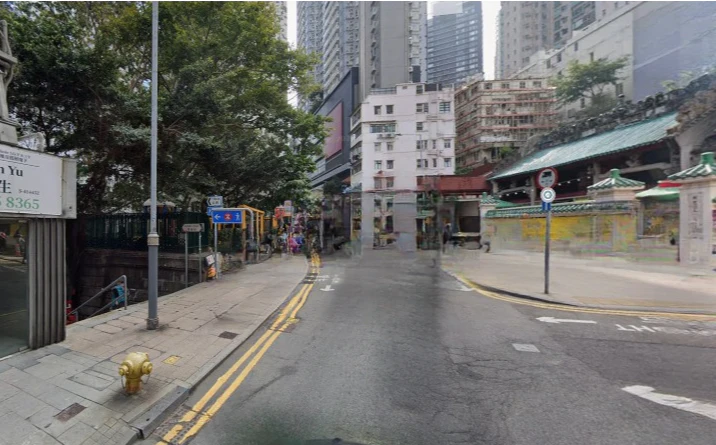
荷李活道靜靜橫貫中環與上環之間,它不是電影的Hollywood,而是一條承載香港開埠記憶的古老街道,從歷史建築到古董店舖,每一步都踩在時間之上。
Hollywood Road isn’t about cinema—it’s a street layered with history, where early colonial footprints meet antique culture, offering a walk through Hong Kong’s earliest urban stories.
中文
荷李活道(Hollywood Road)橫跨中環與上環,是香港最早建成的街道之一,其歷史可追溯至1840年代初期,緊隨香港開埠後出現。與名字令人聯想到美國影視產業不同,Hollywood Road 的名稱其實源於英國殖民者對「冬青樹(holly)」的稱呼,與電影毫無關係。這條街道最初沿海岸線而建,是當時維多利亞城的重要主幹道之一,連接行政、軍事與商業設施,具有極高的戰略與交通價值。早期的荷李活道聚集了政府建築與西方傳教機構,同時亦是華人社區逐步發展的邊界地帶,形成一種中西文化交會的特殊空間。隨着時間推移,街道功能逐漸轉變,尤其在20世紀中期之後,荷李活道開始以古董與藝術品買賣聞名,吸引本地收藏家與外國買家,使其成為亞洲重要的古董交易街之一。從歷史角度來看,荷李活道不僅見證了香港由漁村轉變為殖民港口,再發展為國際城市的過程,更體現了文化價值如何隨經濟結構而轉移。城市變化方面,荷李活道周邊地區經歷多次重建與更新,但街道本身仍保留相當程度的歷史紋理,包括舊式建築立面與著名地標文武廟,這些元素構成了街道獨特的文化層次。與此同時,近年街頭藝術與創意產業的進駐,亦為荷李活道注入新的活力,使其在傳統與當代之間取得微妙平衡。街道特色方面,荷李活道的線性延伸、兩旁密集排列的古董店與畫廊,以及歷史建築與現代元素的並置,營造出一種「時間疊加」的視覺與文化體驗。今日的荷李活道,既是一條觀光與文化探索的重要路線,也是一段仍然活着的歷史,它提醒人們,城市的價值不只在於發展速度,更在於能否保存那些承載記憶的空間。
English Version
Hollywood Road stretches across Central Hong Kong and Sheung Wan Hong Kong, and is widely recognized as one of the earliest streets developed in Hong Kong, dating back to the 1840s shortly after the British colonization of Hong Kong. Despite its name, it bears no relation to the film industry; instead, it originates from the British reference to holly wood, reflecting the natural environment perceived by early settlers. Initially constructed along the original shoreline, Hollywood Road functioned as a major thoroughfare within Victoria City, linking administrative, military, and commercial zones, and playing a crucial role in the colony’s early infrastructure. In its formative years, the street hosted government buildings, missionary institutions, and emerging Chinese communities, creating a dynamic intersection of Eastern and Western influences. Over time, its identity evolved significantly, particularly during the mid-20th century, when it became renowned for its concentration of antique dealers and art galleries, attracting collectors and international buyers and establishing itself as a key destination for the antique trade in Asia. From a historical perspective, Hollywood Road encapsulates Hong Kong’s transformation from a modest coastal settlement into a global metropolis, while also illustrating how cultural and economic functions can shift across different eras. In terms of urban transformation, although the surrounding districts have undergone extensive redevelopment, the street itself retains a notable degree of historical texture, with preserved façades and landmarks such as the Man Mo Temple contributing to its distinctive character. In recent years, the introduction of street art and creative industries has further enriched the area, blending heritage with contemporary expression. Architecturally and culturally, Hollywood Road offers a layered experience, where antique shops, galleries, and historic structures align along a continuous urban spine, creating a sense of temporal depth that is rare in modern cities. Today, it serves not only as a cultural and tourist corridor but also as a living archive, demonstrating that the value of a city lies not only in its progress but also in its ability to preserve and reinterpret its past.