
香港舊郵筒|一個城市曾經慢慢說話的年代 | Hong Kong Postboxes|When a City Once Spoke in Slower Time【包羅萬有】第 1 章
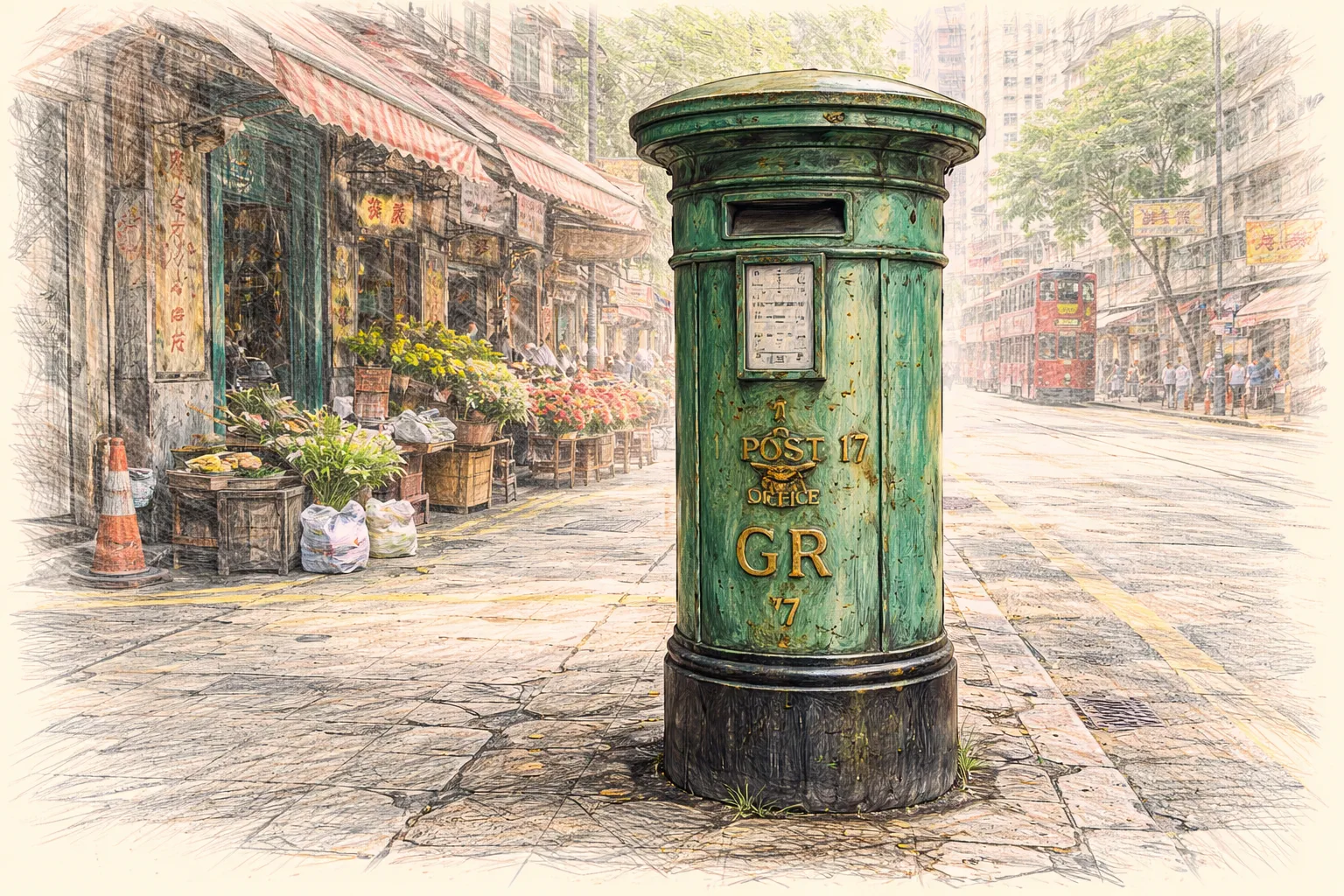
那一天,我走過了一條普通的街道。這條街既不是旅遊熱點,也未曾在地圖上被特別標註。就在一個不起眼的轉角處,一個紅色的郵筒安靜地佇立著。它的顏色早已不再鮮亮,紅得有些黯淡,邊緣處甚至已經生了銹。郵筒上的文字依稀可辨,但早已失去了清晰的輪廓。行人匆匆而過,沒有人駐足停留,更沒有人對著它拍照留念,當然也不再有人將信件投入其中。它就這樣靜靜地存在著,像一件早已完成使命卻不曾被移走的物件。
在過去的某個年代,郵筒並非街景的一部分,它是一個行動的終點。一封信的旅程始於書寫,接著是封口、貼郵票,然後人們帶著信件走到街上,將它投入郵筒之中。這個動作完成之後,就是漫長的等待。那時候,沒有手機提示音,也沒有物流的即時狀態更新,更沒有即刻回覆的便利。等待不是一種煎熬,而是一種被普遍接受的生活節奏,是人們日常生活中的一部分。
然而,隨著城市發展的步伐加快,社會對速度的追求愈發明顯。信息傳遞要求即時化,回覆似乎成了一種義務,人們逐漸失去了等待的耐性。郵筒的角色也隨之改變,從承載情感與期待的工具,變成了城市街道上的遺留物件。它們依然矗立於街角,但早已不再是生活中不可或缺的一部分。
如今,有些舊郵筒已經被封閉,只留下狹窄的一道縫隙;有些則仍然可以使用,但你無法確定是否還會有人在某個夜晚,懷著認真的心情將一封信投遞其中。這些郵筒彷彿成了城市中的靜物畫,不再參與日常生活,但卻以某種形式被保留下來。
偶爾,我會不自覺地想像,這些郵筒曾經收過什麼樣的信件?也許是一封分手前的最後告白,也許是一段遠行前的叮囑,又或者是一封寄往早已不存在地址的家書。在那個年代,信件並不急於到達,它們承載著的是完整而真實的時間,而非現代社會所追求的效率。
如今,我們的溝通方式已經徹底改變。電子郵件、即時通訊、社交媒體讓我們的話語存在於雲端之中。這些信息輕巧而迅速,可以隨時刪除,即便消失也不會留下任何痕跡。而與此相比,那些老舊的郵筒顯得笨重而緩慢。然而,正是這種笨重,使它們得以記錄下曾經發生過的一切。每一封信件都曾是寄信人內心情感的具象化,它們曾經是如此真實地存在過。
香港是一座充滿活力且善於變革的城市。在這裡,更新、重建與替換幾乎成為了一種習慣。然而,那些歷經歲月洗禮的舊郵筒卻默默地提醒著我們,這座城市曾經有過一段允許人們慢慢說話、靜心等待的時光。它們不催促、不回應、不要求結果,只是靜靜地站在街角,等待著一個如今幾乎絕跡的動作。
偶爾走過這些郵筒,我仍會忍不住多看一眼。並非因為懷舊,而是因為我明白,有些事物一旦真正消失,就再也無法挽回。香港的舊郵筒依然存在,但它們所屬的那個時代,卻早已悄然遠去。
在這個瞬息萬變的時代,我們或許應該停下腳步,重新審視那些被遺忘在歷史角落中的物件。不僅僅是郵筒,它們所代表的是一種生活方式,一種價值觀,一段屬於慢節奏的時代記憶。我們應該思考,在追求效率與速度的同時,是否也應該保有一些對時間與過程的尊重?畢竟,我們所珍視的不僅是目標的達成,更是通往目標過程中的每一刻真實與感動。
舊郵筒或許只是城市眾多遺留物中的一個象徵,但它們所傳遞出的訊息卻值得深思。當我們駐足凝視這些被時代遺忘的小物件時,也許能夠重新拾起對生活本質的某種反思和感悟。這座城市雖然不斷向前,但我們是否應該適時回頭看看,從那些靜默無言的存在中汲取智慧與啟示?
English Version
Before the speed of digital communication reshaped the rhythm of daily life, cities once relied on quieter systems that unfolded at a different pace, and in Hong Kong, postboxes stand as small yet powerful reminders of a time when communication was measured not in seconds but in days, anticipation, and physical movement. Positioned along sidewalks, near street corners, and outside buildings, these postboxes were once active points of exchange, where letters entered a network that carried thoughts, news, and emotions across distances, transforming private messages into journeys that connected individuals beyond immediate presence. Their design, instantly recognizable through shape and color, allowed them to blend into the urban environment while maintaining a distinct identity, functioning as both practical infrastructure and subtle cultural markers embedded within the cityscape. The act of approaching a postbox, holding a letter, and placing it inside was more than a routine task; it was a deliberate moment, where communication required intention, effort, and a willingness to wait, introducing a sense of time that is largely absent in contemporary forms of interaction. This slower rhythm shaped not only how messages were sent and received, but also how they were composed, encouraging reflection, clarity, and a deeper awareness of what it meant to communicate across distance. Over time, as technology advanced and digital platforms became dominant, the role of postboxes began to shift, moving from essential infrastructure to quieter relics of a different era, where their presence is often overlooked or taken for granted, even as they continue to exist within the city. This transition reflects a broader change in urban life, where speed and immediacy have redefined expectations, altering the relationship between time, communication, and human connection. Despite this shift, postboxes retain a symbolic significance that extends beyond their practical function, representing a form of communication that values presence, materiality, and the passage of time as integral elements of the experience. The physicality of a letter, marked by handwriting, paper texture, and even imperfections, creates a connection that differs fundamentally from digital messages, embedding traces of the sender within the object itself and allowing it to be preserved, revisited, and remembered in ways that intangible communication cannot fully replicate. In this sense, postboxes serve as entry points into a system that once defined how cities communicated, linking individual actions to a larger network that operated continuously and reliably in the background. Their continued existence within a modern, fast-paced city creates a quiet contrast, where two temporal realities coexist, one defined by instant exchange and the other by gradual movement and delayed arrival. Walking past a postbox today may not carry the same urgency as it once did, but it still holds the potential for connection, offering a reminder that communication can take different forms, each with its own meaning and value. The presence of these objects within the urban landscape also highlights how cities accumulate layers of history, where past practices remain visible even as their significance evolves, contributing to a sense of continuity that links different periods of time. In a broader cultural context, Hong Kong’s postboxes represent more than a functional system; they embody a way of experiencing time that is increasingly rare, where waiting, anticipation, and physical interaction are not obstacles but essential parts of communication. Ultimately, these postboxes tell a story not only about how messages were once sent, but about how a city once lived, where the pace of connection allowed for moments of pause, reflection, and presence, creating a form of interaction that was slower, more deliberate, and deeply human.