
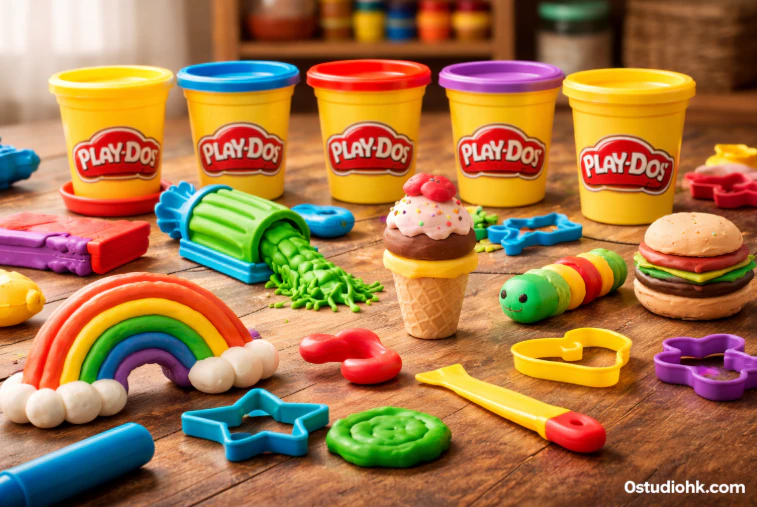
培樂多彩泥Play-Doh原本是清潔牆紙的材料,意外轉型為兒童創作工具,成為全球最具代表性的創意玩具之一。
Play-Doh was originally a wallpaper cleaner before transforming into a creative tool for children, becoming one of the most iconic toys worldwide.
培樂多彩泥(Play-Doh)是全球知名的創意玩具之一,其柔軟可塑的特性讓無數孩子能夠自由發揮想像力,然而它的起源並非玩具,而是一種工業用途的清潔材料,故事始於20世紀中期的美國,當時一家名為Kutol的公司生產一種用於清潔牆紙的麵團狀物質,因為早期家庭使用煤炭取暖,牆面容易積聚煙灰,這種清潔劑能有效去除污垢,但隨著取暖方式改變,產品需求迅速下降,公司面臨轉型危機,直到一位教師發現這種材料非常適合讓孩子在課堂上進行手工創作,因為它不會弄髒手、質地柔軟且易於塑形,這個發現成為轉機,Kutol將產品重新包裝並改名為Play-Doh,正式進入玩具市場,並迅速獲得成功,Play-Doh的最大魅力在於其開放性與觸感體驗,孩子可以隨意捏塑各種形狀,從簡單的球體到複雜的角色與場景,都能透過雙手完成,這種創作過程不僅培養了想像力,也促進了手部精細動作與感官發展,在教育領域中,Play-Doh常被用於幼兒學習,幫助理解顏色、形狀與基本結構,同時也能提升專注力與情緒表達能力,隨著品牌發展,Play-Doh逐漸推出多種顏色與配件,例如模具、工具組與主題套裝,使玩法更加多樣化,從食物造型到角色創作,孩子可以在遊戲中模擬現實世界或創造全新故事,此外,Play-Doh獨特的氣味也成為其標誌之一,許多人在成年後仍能透過這種氣味喚起童年記憶,形成強烈的情感連結,這種跨世代的影響力使Play-Doh不僅是一種玩具,更是一種文化符號,象徵創意與純粹的快樂,在現代數位娛樂盛行的時代,Play-Doh依然保有其不可取代的價值,因為它提供了一種直接且真實的觸覺體驗,讓孩子遠離螢幕,專注於動手創作,這種簡單卻深刻的遊戲方式,使其在教育與家庭中持續受到重視,從一種幾乎被淘汰的清潔產品,到全球暢銷的創意玩具,Play-Doh的成功不僅來自產品本身,更來自於對兒童需求的理解與轉化,它讓創作變得容易而有趣,也讓每一個孩子都能成為小小藝術家,透過雙手塑造屬於自己的世界
English Version
Play-Doh is one of the most recognizable creative toys in the world, known for its soft, moldable texture that allows children to freely express their imagination, yet its origin was not as a toy but as an industrial cleaning compound, the story begins in the mid-twentieth century in the United States, when a company called Kutol produced a dough-like substance used for cleaning wallpaper, at a time when homes were heated with coal, walls would often accumulate soot, and this material proved effective in removing the residue, however, as heating methods evolved and coal usage declined, demand for the product dropped significantly, putting the company at risk, the turning point came when a school teacher discovered that the material was ideal for classroom art activities, as it was clean, non-toxic, and easy to shape, this insight led to the rebranding of the product as Play-Doh, marking its transition into the toy market, where it quickly became a success, the appeal of Play-Doh lies in its open-ended nature and tactile experience, children can mold it into anything they imagine, from simple shapes to intricate figures and scenes, this hands-on creativity not only fosters imagination but also enhances fine motor skills and sensory development, in educational settings, Play-Doh is widely used to help young learners understand colors, shapes, and basic structures, while also improving concentration and emotional expression, as the brand evolved, it introduced a wide range of colors and accessories, including molds, tools, and themed playsets, expanding the possibilities of play, from creating pretend food to designing characters, children can simulate real-world scenarios or invent entirely new ones, another distinctive feature of Play-Doh is its unique scent, which has become iconic and often evokes strong feelings of nostalgia among adults, creating a lasting emotional connection across generations, in today’s digital age, where screen-based entertainment dominates, Play-Doh remains relevant by offering a tangible and immersive creative experience, encouraging children to engage directly with materials rather than screens, its simplicity is precisely what makes it enduringly valuable in both homes and educational environments, from a nearly obsolete cleaning product to a globally beloved toy, the success of Play-Doh is a testament to the power of reinvention and understanding user needs, it transforms creativity into an accessible and joyful activity, allowing every child to become a creator and shape their own imaginative world with their hands